

In the ongoing discourse surrounding digestive health and optimal bodily functions, the simple act of defecation has become a subject of scientific inquiry and innovative product development. While often relegated to hushed conversations or medical jargon, the mechanics of bowel movements are increasingly being understood through a lens of biomechanics and comparative physiology. At the forefront of this discussion is the humble Squatty Potty, a toilet-heightening device designed to mimic the squatting posture traditionally adopted in many cultures. This article delves into the scientific rationale behind the Squatty Potty, its effectiveness as validated by research, and the broader implications for public health and personal well-being, placing it within a historical and cultural context.
The Anorectal Angle: A Biological Compromise
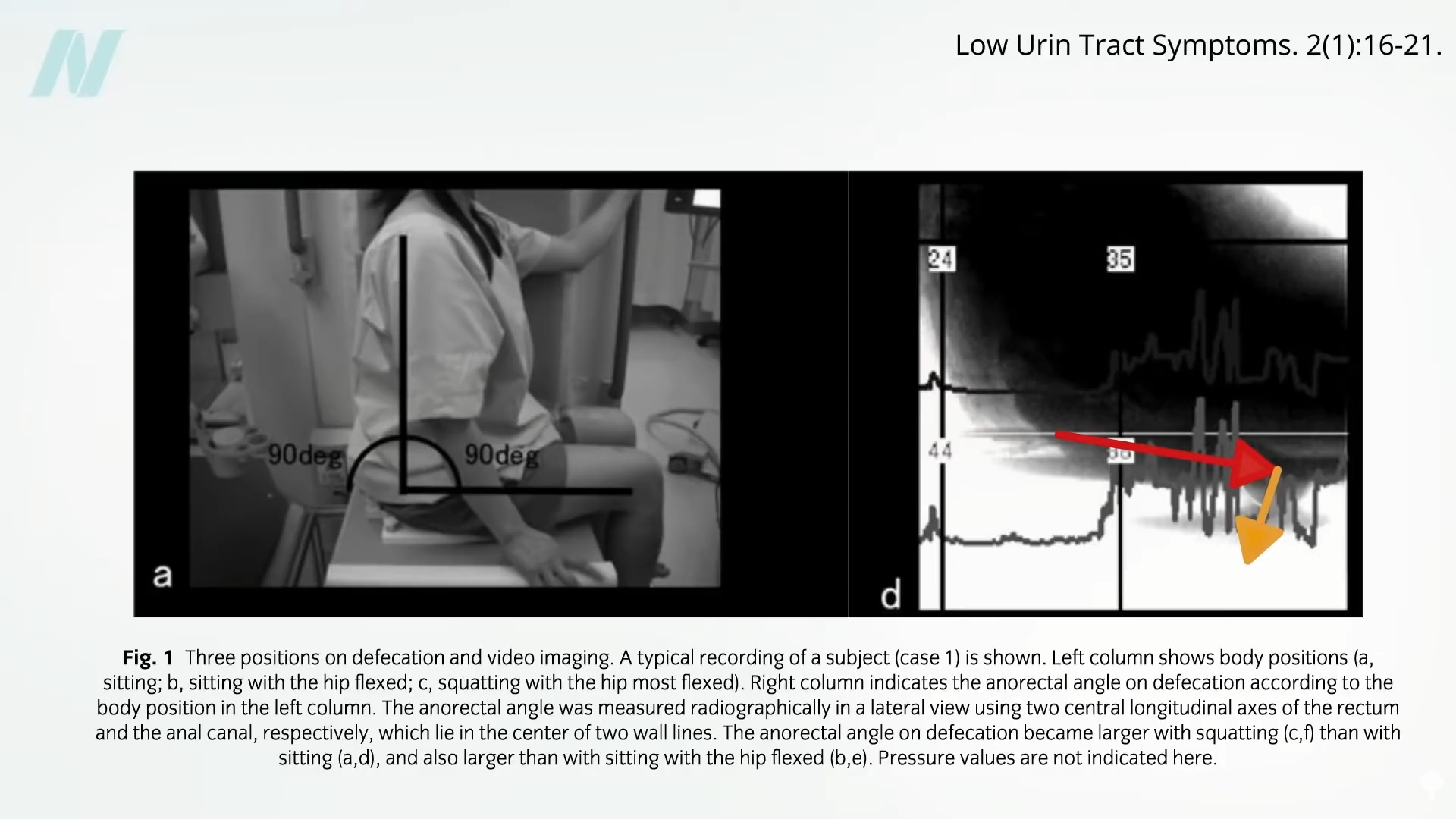
The fundamental premise behind the Squatty Potty lies in the concept of the anorectal angle, the angle formed between the rectum and the anus. When individuals in Western societies sit upright on conventional toilets, this angle is approximately 90 degrees. This creates a kink in the colon, essentially acting as a natural valve that prevents accidental defecation. While this mechanism is crucial for maintaining continence, it presents a significant challenge when the body aims to evacuate its waste.
Dr. Michael Greger, founder of NutritionFacts.org, a non-profit organization dedicated to providing free, evidence-based nutrition information, has extensively researched this topic. His work, often presented in accessible video formats, highlights that the upright sitting posture forces stool to navigate a sharp turn. This indirect pathway requires increased intra-abdominal pressure and straining to overcome the resistance. In contrast, the squatting position, prevalent in many Asian and African cultures, dramatically reduces this angle, straightening the path from the rectum to the anus. This anatomical alignment facilitates a more complete and effortless bowel movement.
Historical Context and Cultural Divergence
The divergence in toilet posture between different regions of the world is not merely a matter of preference but reflects centuries of adaptation and cultural norms. For millennia, humans around the globe practiced squatting for defecation, often over simple pits or designated areas. This posture was naturally facilitated by the absence of elevated toilet seats and the availability of more rudimentary sanitation systems.
The introduction and widespread adoption of the raised toilet seat in Western societies, particularly in the latter half of the 20th century, marked a significant shift. This technological advancement, while offering perceived conveniences such as ease of use for the elderly and infirm, inadvertently created the biomechanical challenge that the Squatty Potty now seeks to address. The transition from squatting to sitting has been implicated by some researchers and health advocates as a contributing factor to the higher prevalence of constipation and related digestive issues observed in Western populations.
The Squatty Potty: From Novelty to Scientific Scrutiny
The Squatty Potty, first popularized through a viral marketing campaign in the early 2010s, presented a tangible solution to this anatomical conundrum. The device, typically a sturdy, ergonomically designed stool, is placed in front of the toilet. Users can then rest their feet on it, elevating their knees and bringing their body into a position closer to a squat. This simple act effectively modifies the anorectal angle, aiming to improve the efficiency of defecation.
While initially met with some skepticism due to its unconventional nature and the sensitive topic it addressed, the Squatty Potty has garnered increasing attention from the medical and scientific communities. Researchers have undertaken studies to objectively assess its efficacy, moving beyond anecdotal evidence.

Key Research Findings and Efficacy Data
One significant study, published in the Journal of Clinical Gastroenterology, investigated the impact of a "Defecation Posture Modification Device" – essentially a Squatty Potty-like apparatus. The research, which involved participants using the device, reported several positive outcomes. Participants noted a significant increase in the feeling of complete bowel evacuation. Crucially, they experienced a reduction in straining, a common symptom associated with difficult bowel movements. Furthermore, the study indicated a decrease in the average time spent on the toilet, with participants reporting approximately one minute less of "on-the-pot reading time."
This empirical data provides concrete support for the theoretical benefits of altered defecation posture. The reduction in straining is particularly noteworthy, as excessive straining during bowel movements has been linked to various health concerns, including hemorrhoids, anal fissures, and, in more severe cases, cardiovascular events.
However, research has also identified potential drawbacks. The same study that demonstrated positive outcomes also noted participant discomfort. Even with a six-inch riser, previous trials exploring similar postural modifications reported significant discomfort, leading some participants to abandon the study. This suggests that while the biomechanical benefits are evident, individual tolerance to the altered posture and the height of the riser can vary. The optimal height and design may be subject to personal anatomy and comfort levels.
Comparative Analysis: Squatting Platforms vs. Other Methods
The effectiveness of the Squatty Potty can be understood in comparison to other interventions aimed at improving defecation posture. Earlier attempts to facilitate squatting involved smaller footstools that provided a modest lift, typically around four inches. Research indicated that these less ambitious risers did not significantly improve self-reported difficulty in defecating or reduce bowel emptying time. The Squatty Potty, often offering a height of around seven inches, provides a more substantial elevation, leading to a more pronounced change in the anorectal angle.
The "Thinker" Position: An Alternative Approach
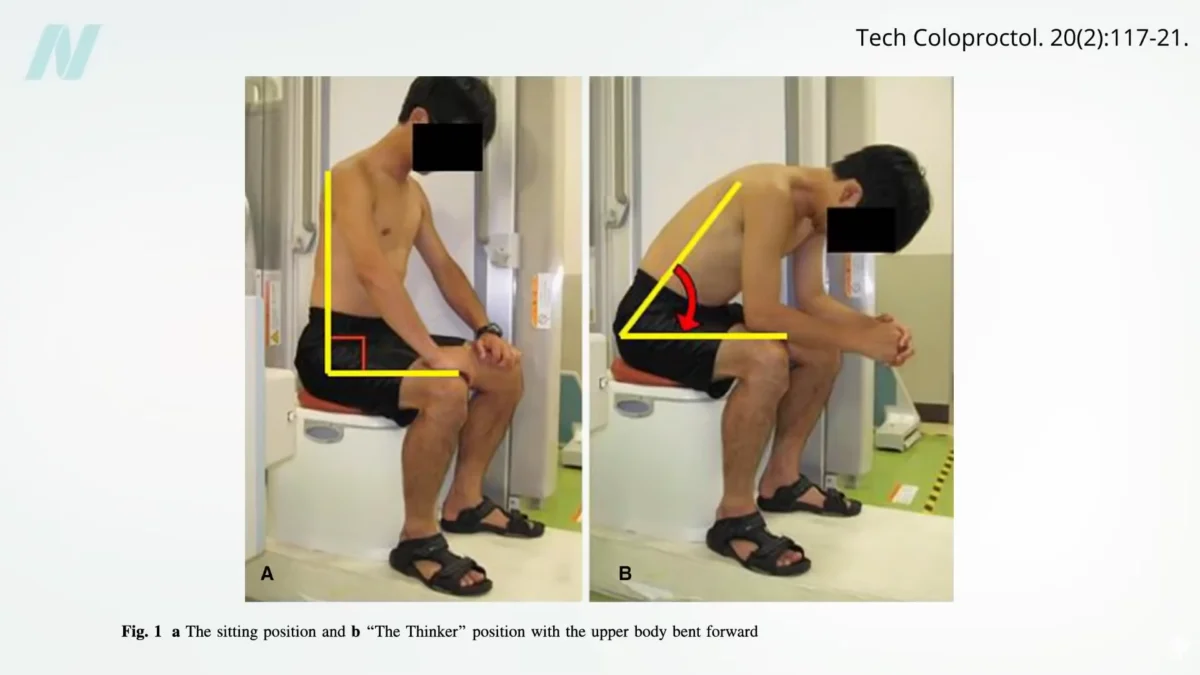
Beyond dedicated squatting platforms, alternative postures have also been explored. Researchers at the Cleveland Clinic investigated the efficacy of what is colloquially known as "The Thinker" position, a posture often seen in Rodin’s famous sculpture, where an individual leans forward with their elbows on their knees. This position, achieved by simply tipping forward while seated on a regular toilet, also modifies the anorectal angle.
Using cinedefecography – a technique involving X-ray imaging to visualize the process of defecation – researchers demonstrated that this leaning posture could open the anorectal angle to over 130 degrees. This is a significant improvement compared to the approximately 90-degree angle achieved by merely raising the feet on a standard toilet without a dedicated squatting aid. The findings suggest that "The Thinker" position might be an equally, if not more, efficient method for defecation, potentially offering a more accessible alternative for individuals who find dedicated squatting devices uncomfortable or inconvenient. While this position has shown promise in improving the anorectal angle, its direct impact on constipation and other defecation-related symptoms requires further formal investigation.
Broader Health Implications and Risk Mitigation
The implications of efficient defecation extend beyond mere comfort. Straining during bowel movements can lead to dangerous physiological responses, including spikes in blood pressure in the heart and brain. This has been linked to sudden death from heart attack and stroke, with bearing down during defecation identified as a daily activity often occurring at the time of death in some populations, such as in Japan.
For individuals who are bedridden or have limited mobility, the risk associated with straining is amplified. In such cases, even a slight adjustment, such as sitting individuals up in bed to facilitate defecation, can significantly reduce the strain on the cardiovascular system and mitigate associated risks. This highlights the importance of considering the biomechanics of defecation in a broader healthcare context, particularly for vulnerable patient populations.
The Diet-Posture Debate: A Holistic Perspective
While the focus on toilet posture is gaining traction, it is crucial to acknowledge the foundational role of diet in digestive health. For decades, nutritionists and physicians have emphasized the importance of dietary fiber in promoting regular bowel movements. Foods rich in fiber, such as fruits, vegetables, and whole grains, add bulk to stool, making it softer and easier to pass.
Historically, populations that traditionally squatted for defecation also consumed diets that were less refined and higher in natural fiber. This correlation has led to a long-standing debate: is the ease of defecation in these populations primarily due to their posture, or is it a consequence of their dietary habits? A near 50-year-old commentary highlighted this very point, suggesting that a diet rich in fiber can enable constipated individuals to achieve effortless bowel movements without necessarily requiring a change in toilet infrastructure.
This perspective offers a holistic approach, suggesting that optimizing dietary intake might, in some cases, reduce the reliance on postural modifications. However, it is likely that a combination of factors, including diet, hydration, physical activity, and appropriate posture, contributes to optimal digestive function. The optimal strategy for many individuals may involve addressing all these elements concurrently.
Conclusion: A Multifaceted Approach to Digestive Well-being
The scientific exploration of defecation posture, exemplified by the widespread interest in the Squatty Potty and the investigation of alternative positions like "The Thinker," underscores a growing recognition of this fundamental biological process. While cultural shifts have led to the adoption of sitting on elevated toilet seats, the biomechanical inefficiencies of this posture are increasingly being understood and addressed.
Research indicates that devices like the Squatty Potty can significantly improve feelings of bowel emptiness and reduce straining, thereby contributing to overall digestive comfort and potentially mitigating health risks associated with excessive exertion. Simultaneously, the exploration of simpler postural adjustments, such as leaning forward, offers accessible alternatives.
Ultimately, achieving optimal digestive health is likely a multifaceted endeavor. While posture plays a significant role, it is crucial not to overlook the indispensable contribution of a fiber-rich diet, adequate hydration, and regular physical activity. By integrating these elements, individuals can adopt a comprehensive approach to promoting regular, effortless, and healthy bowel movements, leading to enhanced overall well-being. The ongoing research in this area promises further insights into how we can best support our bodies’ natural functions in the modern world.

