

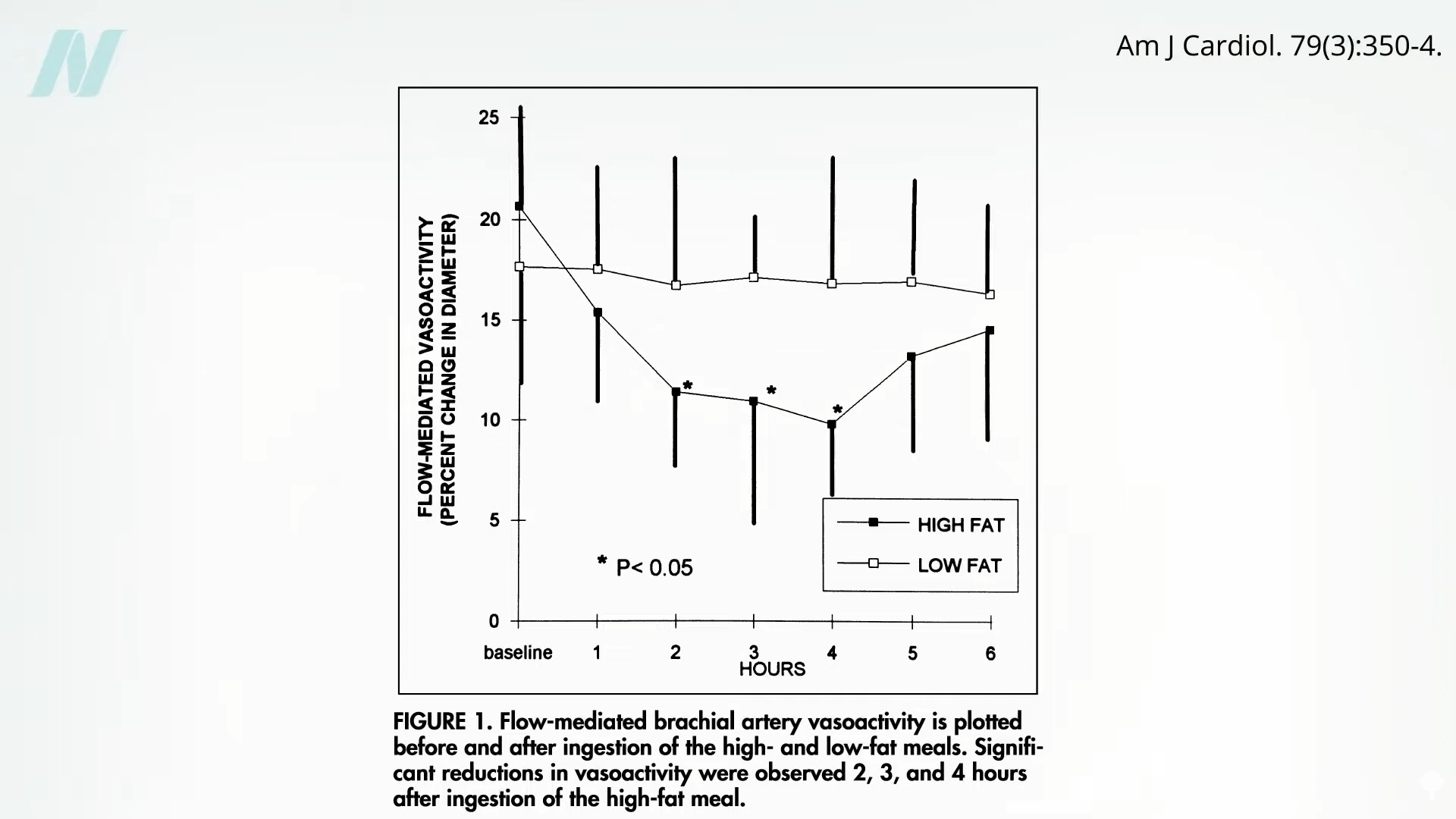
Our arteries, often considered the conduits of life, are profoundly impacted by our dietary choices, particularly in the hours following a meal. Landmark research, initially discussed a decade ago, reveals that even a single high-fat meal can significantly impair arterial function within mere hours. This impairment stands in stark contrast to the negligible effects observed after consuming a low-fat meal. The implications of this rapid decline in vascular health are far-reaching, contributing to the insidious progression of cardiovascular disease, the leading cause of mortality worldwide.
The Immediate Aftermath: Arterial Dysfunction Unveiled
The foundational research highlighted the detrimental effects of a high-fat meal on endothelial function, the critical inner lining of our blood vessels. Studies have demonstrated a rapid reduction in the ability of arteries to dilate in response to stimuli after the ingestion of a high-fat meal. This impairment is not a gradual process but an acute reaction, underscoring the immediate vulnerability of our circulatory system to dietary fat.

One pivotal study involved participants consuming McDonald’s Sausage and Egg McMuffins, a meal rich in saturated fat, eggs, and processed meats. The subsequent assessment of their arterial function revealed a significant decline. Crucially, a control group consuming a low-fat meal, consisting of sugary Frosted Flakes, did not exhibit the same negative effects. This comparison strongly suggests that the high-fat components, rather than the carbohydrate content of the biscuit, were the primary drivers of the observed arterial dysfunction. The specific culprits within the McMuffin—sausage, egg, or cheese—were identified as likely contributors, pointing towards the concentrated fat and protein sources as key instigators of the inflammatory response.
A Cycle of Damage: The Post-Meal State and Chronic Disease
The implications of this rapid post-meal arterial dysfunction are amplified by modern eating habits. For many individuals, the body spends a substantial portion of the day, approximately 16 hours, in a post-meal state. This prolonged period of elevated blood lipids and inflammatory markers means that arteries are subjected to repeated assaults throughout the day. This continuous hammering of the vascular system is a significant contributing factor to the high prevalence of cardiovascular disease.
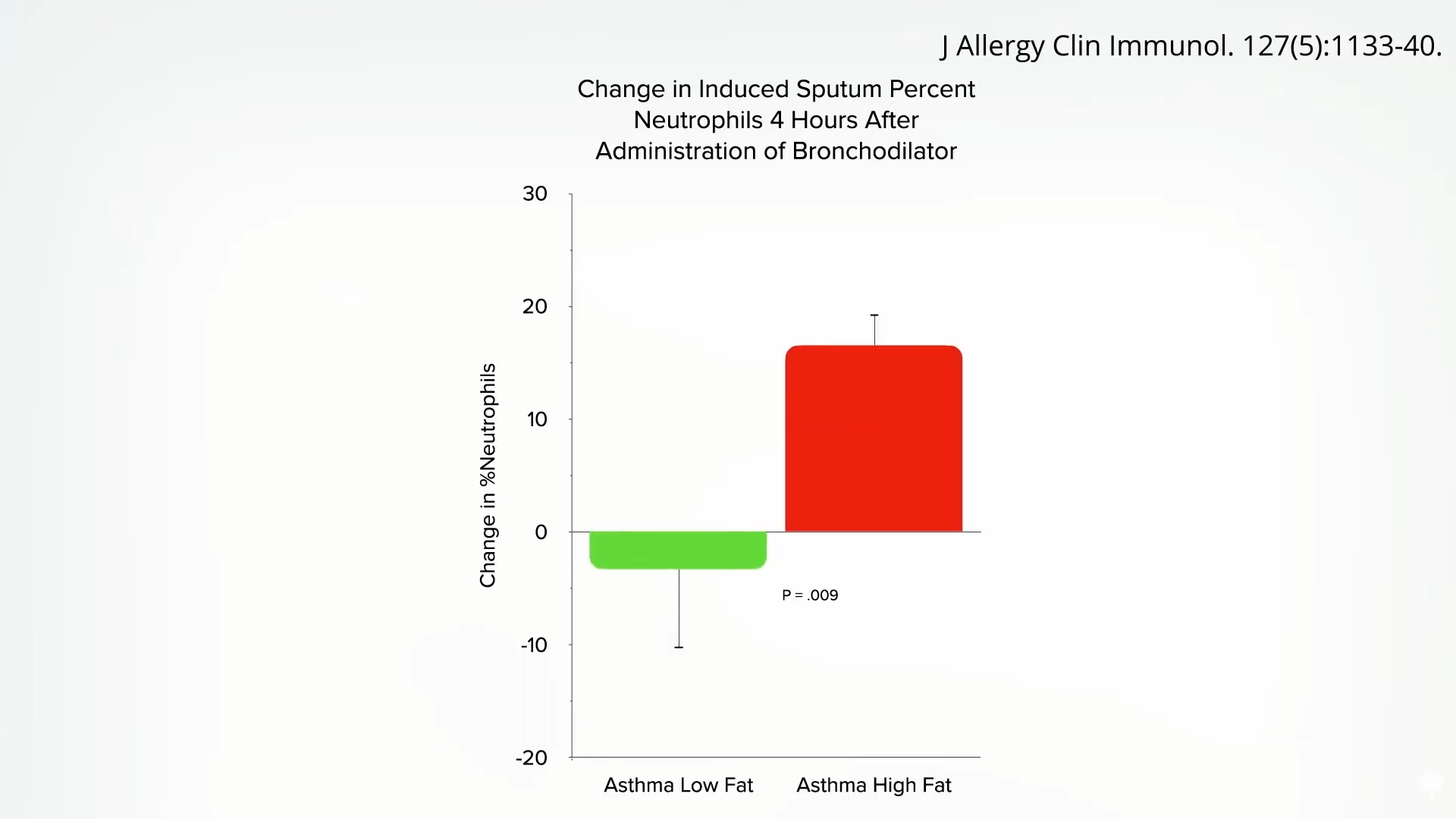
The research extends beyond the arteries of the heart, revealing a similar detrimental impact on lung health. Studies indicate that a high-fat challenge can induce airway inflammation and compromise the effectiveness of bronchodilators, medications used to open constricted airways. In individuals with asthma, a high-fat meal has been shown to exacerbate airway inflammation, leading to an increase in inflammatory cells within the sputum, a phlegm-like substance coughed up from the lungs.
Respiratory Distress: High-Fat Meals and Lung Function
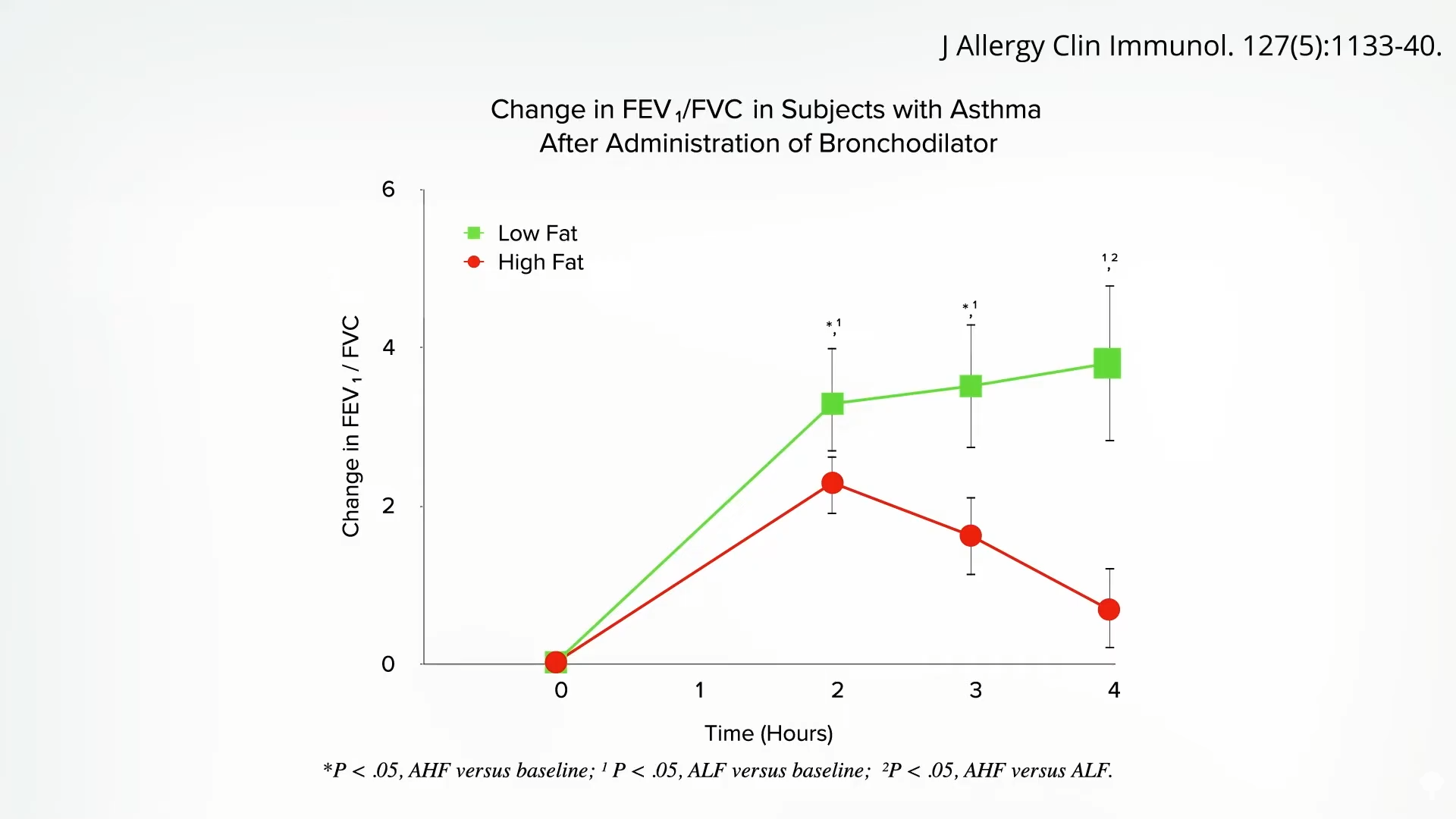
For individuals with asthma, the consequences of post-meal inflammation can be particularly severe. Research has shown that following a high-fat meal, the standard dose of bronchodilator medication, such as albuterol or Ventolin, becomes less effective. While a low-fat meal allows airways to open adequately in response to these medications, a high-fat meal leads to a blunted response. This diminished efficacy is attributed to the increased inflammation within the lung tissues, making it harder for the bronchodilators to counteract airway constriction. The visual data from these studies, often presented in graphical form, clearly illustrates this disparity in bronchodilator recovery post-meal.
Interestingly, this inflammatory response is not confined to individuals with pre-existing respiratory conditions like asthma. Studies have demonstrated that even healthy individuals exhibit a surge in inflammatory cells in their lung sputum four hours after consuming a high-fat meal. A notable example involved participants consuming a Jimmy Dean’s Meat Lover’s breakfast bowl, which similarly triggered an inflammatory response in their lungs. This suggests a broader susceptibility of the respiratory system to the effects of dietary fat, even in the absence of overt disease.
The Molecular Cascade: Oxidized LDL and Endotoxins
The impact of high-fat meals on cellular mechanisms is further illuminated by the observation of increased inflammatory cells and a doubling of pro-inflammatory oxidized low-density lipoprotein (LDL) cholesterol in the blood. White blood cells, particularly macrophages, ingest this oxidized LDL, transforming into foam cells. These foam cells accumulate within the artery walls, forming inflamed plaque—a key component in the development of atherosclerosis, which can ultimately lead to heart attacks. These changes can manifest within hours of consuming meals such as pizza, underscoring the rapid biological response to dietary fat.
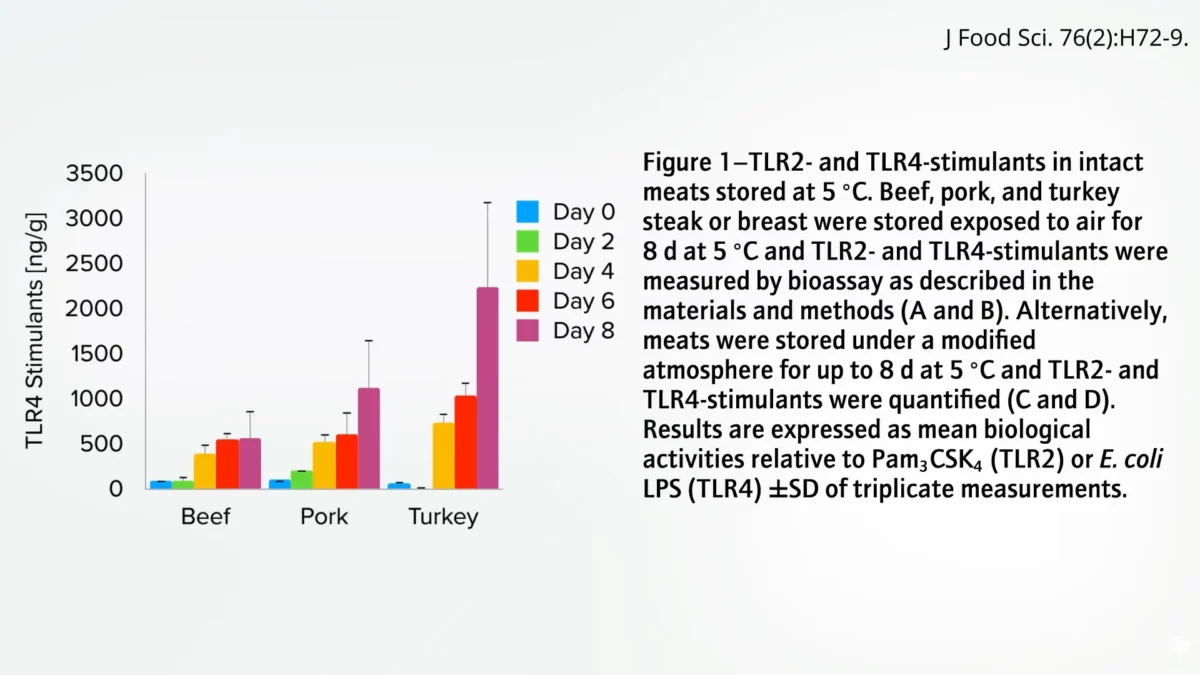
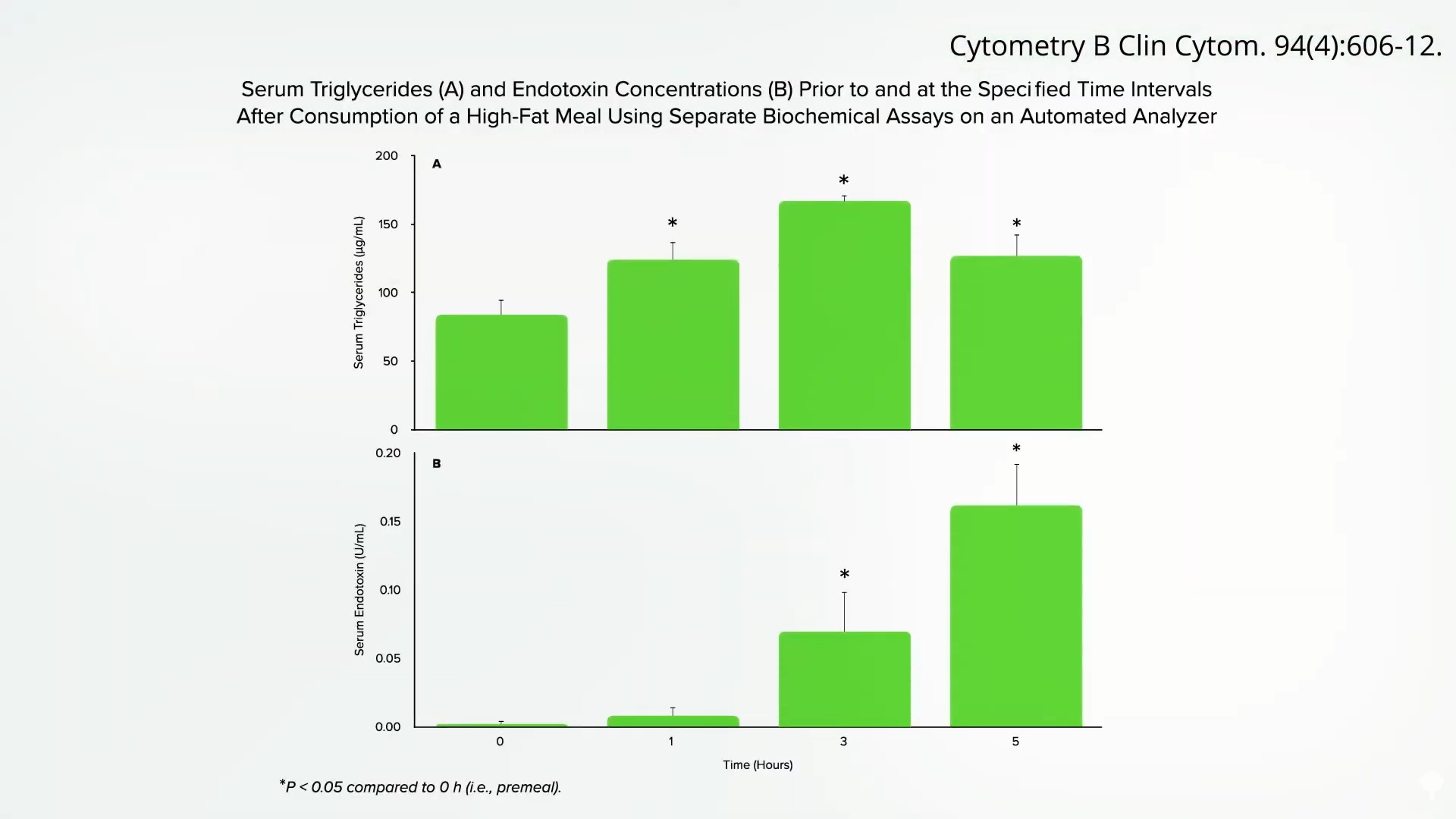
Furthermore, research has identified elevated endotoxin levels in the blood following high-fat meals. Endotoxins are components of bacterial cell walls, and foods, particularly meats (both red and white), can be contaminated with bacteria, both alive and dead. This contamination leads to the accumulation of endotoxins, which can trigger inflammatory responses in the body. The presence of endotoxins, alongside oxidized LDL, creates a potent inflammatory milieu within the arteries, accelerating the atherosclerotic process.
Evolving Understanding: Fat vs. Endotoxins
While the role of endotoxins was initially considered a primary driver of post-meal inflammation, more recent research, published in 2020, suggests that the fat itself may be the more direct culprit. This evolving understanding posits that the saturated fat circulating in the bloodstream after an unhealthy meal may directly induce inflammation, rather than solely acting through endotoxin pathways. Regardless of the precise molecular mechanism, the consensus remains that dietary choices, meal by meal, play a crucial role in shaping the risk factors for chronic metabolic diseases.
Broader Implications and Future Directions
The findings from these studies carry significant implications for public health and individual well-being. They underscore the immediate and profound impact of dietary fat on fundamental physiological processes. This knowledge necessitates a re-evaluation of dietary guidelines and public awareness campaigns to emphasize the importance of limiting saturated fat intake, particularly from processed and animal-based foods.
The presented research forms the first part of a three-part series exploring the relationship between saturated fat, fast food, and arterial health. The subsequent segments are poised to delve into strategies for mitigating these effects, including the role of exercise in protecting arteries from the impact of fast food and the identification of specific foods that can help protect arteries from saturated fat.
Expert Commentary and Analysis
Dr. Michael Greger, founder of NutritionFacts.org and a proponent of whole-food, plant-based diets, has consistently highlighted this research. "We are only as old as our arteries," Dr. Greger often states, emphasizing the direct link between arterial health and overall longevity. He notes that poor dietary habits and a sedentary lifestyle accelerate aging processes by impairing cellular function, leading to oxidative stress and inflammation, which ultimately culminate in arterial dysfunction and cardiovascular disease.
The research on the immediate effects of high-fat meals challenges conventional notions about the slow, cumulative nature of chronic disease. It suggests that the damage can begin within hours of consumption, making individual meal choices critically important. The consistent findings across different studies, utilizing various high-fat food items, lend significant weight to these conclusions.
Data and Scientific Evidence
The studies cited in this article, while not detailed in their methodological specifics here, are peer-reviewed and published in reputable scientific journals. For instance, the research on arterial function impairment after high-fat meals (PubMed ID: 9036757) and the impact on lung inflammation and bronchodilator recovery (PubMed ID: 21377715) represent significant contributions to our understanding of nutritional physiology. The more recent investigations into the role of fat versus endotoxins (PubMed ID: 32040591) reflect the ongoing scientific endeavor to refine our knowledge in this critical area.
Conclusion: A Call for Dietary Vigilance
The scientific evidence presented paints a clear picture: what we eat has an immediate and significant impact on our health, particularly on the health of our arteries and lungs. A single high-fat meal can trigger a cascade of inflammatory responses and impair crucial physiological functions within hours. This realization underscores the power of individual dietary choices in shaping long-term health outcomes and preventing chronic diseases. By making informed decisions about our meals, we can actively contribute to preserving the integrity of our vascular system and promoting overall well-being. The ongoing exploration of this topic, through further research and public education, is essential for empowering individuals to make healthier choices and combat the rising tide of chronic metabolic diseases.

