

The comprehensive findings from the DoYou Global Yoga Survey, which gathered insights from over 10,000 participants across 124 countries, have provided an unprecedented global snapshot of contemporary yoga practices, confirming Vinyasa Flow as the most widely adopted style. The survey, conducted by DoYou.com, aimed to identify prevailing trends, practitioner preferences, and the diverse motivations behind engaging with yoga, offering valuable data for both seasoned practitioners and newcomers navigating the vast landscape of this ancient discipline. The results underscore a significant global engagement with yoga, highlighting its adaptability and varied appeal across cultures and demographics.
Understanding the Global Yoga Landscape: Survey Methodology and Significance
Initiated by DoYou.com, a prominent online yoga platform, the Global Yoga Survey represents one of the most extensive efforts to map the current state of yoga practice worldwide. Its broad reach, encompassing individuals from a remarkable 124 nations, provides a robust statistical foundation for understanding global preferences, transcending regional biases often seen in smaller-scale studies. The survey’s methodology involved soliciting responses on primary yoga styles practiced, frequency, motivations, and perceived benefits, culminating in a detailed report that sheds light on the evolving relationship between individuals and their yoga practice. The sheer volume and geographical diversity of responses lend considerable weight to the findings, positioning them as a critical reference point for the global yoga community.
The motivation behind such a large-scale undertaking was to move beyond anecdotal evidence and provide concrete data on how yoga is truly being practiced and perceived globally. In an era where wellness practices are increasingly integrated into daily life, understanding the nuances of participation in a discipline as varied as yoga is essential for instructors, studio owners, and content creators alike. A spokesperson for DoYou.com, in an inferred statement, might emphasize, "Our goal was to provide a clear, data-driven picture of global yoga trends. The insights gained are invaluable for tailoring resources and understanding the diverse needs of practitioners worldwide, from those seeking vigorous physical exercise to those prioritizing mental calm and restorative healing."
The Top Contenders: A Detailed Look at Popular Yoga Styles
The survey meticulously cataloged the primary yoga styles favored by respondents, revealing a clear hierarchy while also showcasing the broad spectrum of practices available. The results highlight a global inclination towards dynamic, physically engaging styles, alongside a significant appreciation for slower, more introspective forms.
1. Vinyasa Flow (57% of Respondents)
Emerging as the undisputed leader, Vinyasa Flow captivated 57% of participants, making it the world’s most popular yoga style. Its ascendancy can be attributed to its dynamic nature, characterized by fluid transitions between poses synchronized with the breath. Rooted in the Ashtanga tradition, Vinyasa (meaning "to place in a special way") offers immense flexibility and creativity, allowing instructors to design sequences that vary widely in intensity and focus. This adaptability means Vinyasa classes can cater to all levels, from beginners to advanced practitioners, providing a challenging cardiovascular workout while simultaneously building strength, flexibility, and balance.
The appeal of Vinyasa lies in its ability to offer a comprehensive physical workout that aligns with modern fitness expectations. Participants often report feeling immediate physical benefits, including increased energy, improved circulation, and enhanced muscle tone. Unlike some traditional styles, Vinyasa is often perceived as less overtly spiritual, making it accessible to a broader audience who may initially be drawn to yoga for its physical advantages. Its fast-paced, ever-changing sequences prevent monotony, keeping practitioners engaged and challenged. Sub-styles like Power Yoga and Ashtanga Yoga fall under the Vinyasa umbrella, further demonstrating its pervasive influence.
2. Hatha Yoga (42% of Respondents)
Securing a strong second place, Hatha Yoga was chosen by 42% of respondents as their primary style. Hatha is often considered the foundational branch of yoga from which many other physical practices have evolved. In contemporary Western contexts, Hatha typically refers to a slower-paced class that focuses on holding individual poses for several breaths, emphasizing alignment, breath control (pranayama), and mindfulness.
This style is particularly lauded for its accessibility to beginners, providing a gentle introduction to fundamental postures and principles without the rapid transitions of Vinyasa. Hatha classes are ideal for those seeking to improve flexibility, build core strength, and cultivate a deeper connection between body and mind. Its emphasis on sustained holds allows practitioners to explore the nuances of each pose, promoting self-awareness and body literacy. For individuals seeking a less strenuous, more meditative practice focused on deep stretching and foundational principles, Hatha remains a consistently popular choice. Its therapeutic benefits, including stress reduction and improved posture, contribute significantly to its enduring appeal.
3. Restorative Yoga (29% of Respondents)
A testament to the growing need for stress relief and relaxation, Restorative Yoga was favored by 29% of survey participants. This gentle style is characterized by its emphasis on deep relaxation and passive stretching, typically involving holding a few supported poses for extended periods, often 5-20 minutes. Props such as bolsters, blankets, blocks, and eye pillows are extensively used to support the body, allowing for complete physical and mental release.
Restorative yoga aims to activate the parasympathetic nervous system, triggering the body’s "rest and digest" response. This makes it an invaluable practice for individuals experiencing stress, fatigue, or those recovering from illness or injury. Poses like supported forward folds, gentle twists, and elevated legs promote a profound sense of calm, reduce muscle tension, and improve circulation. Many practitioners find Restorative Yoga to be an ideal practice before bedtime, aiding in sleep quality and overall well-being. Its therapeutic approach contrasts sharply with the dynamic nature of Vinyasa, offering a crucial balance in a fast-paced world.

4. Power Yoga (29% of Respondents)
Sharing the third position with Restorative Yoga, Power Yoga also garnered 29% of the responses. As a vigorous derivative of Vinyasa, Power Yoga is designed to be physically challenging, focusing on building strength, stamina, and flexibility. While it adheres to the fluid, breath-synchronized movement principles of Vinyasa, Power Yoga classes typically feature more advanced poses, longer holds in challenging postures, and faster transitions, ensuring an intense full-body workout.
Power Yoga appeals strongly to individuals seeking a high-intensity workout that pushes physical limits. Instructors often incorporate elements like arm balances, inversions, and core-strengthening exercises, making it a favorite among athletes and those with a strong fitness background. The style’s emphasis on endurance and muscular engagement contributes to its popularity as a primary exercise modality, offering significant cardiovascular benefits and fostering mental resilience through demanding sequences.
5. Ashtanga Yoga (25% of Respondents)
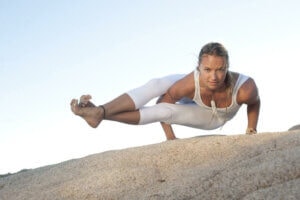
With 25% of respondents identifying it as their preferred style, Ashtanga Yoga remains a significant force in the global yoga community. Ashtanga is a highly structured and disciplined form of Vinyasa yoga, characterized by a fixed sequence of postures that are always performed in the same order. This adherence to a prescribed series, traditionally taught in a Mysore-style setting (self-practice within a group), is its defining feature.
The consistency of Ashtanga allows practitioners to internalize the sequence, transforming the physical practice into a moving meditation. This predictability fosters deep concentration and enables individuals to track their progress meticulously. Ashtanga is renowned for building immense physical strength, stamina, and flexibility, generating significant internal heat ("tapas") that is believed to detoxify the body. It appeals to those who thrive on routine, discipline, and a clear path for measurable advancement in their practice.
6. Yin Yoga (17% of Respondents)
Yin Yoga captured 17% of the responses, highlighting a growing interest in practices that delve deeper into the body’s connective tissues. Similar to Restorative Yoga in its use of long holds, Yin Yoga differentiates itself by targeting the fascia, ligaments, joints, and bones rather than the muscles. Poses, often seated or supine, are held for 3-5 minutes or even longer, allowing for a gentle, sustained stress to these deeper tissues.
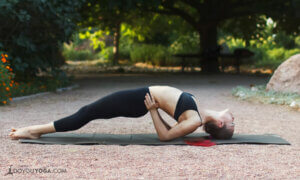
This practice is often described as the "yin" to the "yang" of more dynamic, muscularly active yoga styles. It requires a significant degree of patience and mental stillness, as practitioners learn to lean into discomfort and observe their internal experience. Yin Yoga is lauded for improving joint mobility, increasing flexibility, and enhancing circulation in the connective tissues. It also offers profound mental benefits, cultivating mindfulness, emotional release, and a deeper sense of inner peace. It is particularly recommended for athletes looking to improve range of motion and prevent injuries, as well as anyone seeking a contemplative, slow-paced practice.
7. Bikram/Hot Yoga (10% of Respondents)
Representing 10% of the surveyed population, Bikram and other forms of Hot Yoga maintain a dedicated following. Bikram Yoga is a highly specific sequence of 26 postures and two breathing exercises, performed in a room heated to 35-42°C (95-108°F) with 40% humidity, for 90 minutes. Generic Hot Yoga classes adopt the heated environment but allow for greater variation in sequences and postures.
Proponents of hot yoga claim that the elevated temperatures enhance flexibility, promote detoxification through sweating, and improve cardiovascular health. The intense heat adds an extra layer of challenge, demanding heightened focus and mental discipline. However, experts consistently advise extreme caution regarding hydration, recommending thorough pre- and post-class water intake to prevent dehydration and heat-related issues. Despite the rigorous environment, its unique benefits and the intense feeling of a "deep clean" continue to attract practitioners globally.

8. Iyengar Yoga (8% of Respondents)
Rounding out the top eight, Iyengar Yoga was the primary choice for 8% of respondents. A distinct subset of Hatha Yoga, Iyengar is renowned for its meticulous attention to anatomical alignment and precision in every pose. Developed by B.K.S. Iyengar, this style extensively uses props such as blocks, straps, blankets, and chairs to help practitioners achieve optimal alignment, deepen poses, and make them accessible to individuals of all physical abilities and conditions.
Iyengar Yoga classes are typically slower-paced, with poses held for extended durations to allow for detailed instruction and refinement. The focus is on ensuring correct form, which is believed to maximize the therapeutic benefits of each posture and prevent injury. This systematic approach fosters heightened body awareness, improves posture, and builds strength and flexibility with exceptional care. It is often recommended for individuals with specific physical limitations or those seeking a deeply therapeutic and anatomically informed practice.
Broader Implications and the Evolving Yoga Landscape
The findings from the DoYou Global Yoga Survey offer several critical insights into the contemporary yoga landscape. The dominance of Vinyasa Flow, coupled with the strong showing of Power and Ashtanga, suggests a global preference for dynamic, physically challenging practices that offer tangible fitness benefits. This trend reflects a broader societal emphasis on physical health and active lifestyles, with yoga being increasingly recognized as a powerful tool for strength, endurance, and flexibility.
Simultaneously, the significant presence of Hatha, Restorative, and Yin Yoga underscores a parallel and equally vital need for practices that promote mental well-being, stress reduction, and therapeutic healing. In an increasingly fast-paced and demanding world, individuals are turning to yoga not just for physical prowess but also as an antidote to modern stressors, seeking solace, mindfulness, and deep relaxation. This duality highlights yoga’s comprehensive appeal: it can be both a vigorous workout and a profound path to inner peace.
Industry experts suggest that the diversification of popular styles indicates a maturing yoga market. Studios and online platforms are increasingly pressured to offer a wide array of classes to cater to varied tastes and needs. The global reach of the survey also emphasizes yoga’s remarkable adaptability, transcending cultural boundaries and proving its universal relevance for human well-being. The rise of online yoga platforms, particularly in recent years, has undoubtedly played a role in disseminating these diverse styles and making them accessible to a global audience, contributing to the broad participation observed in the survey.
Looking forward, these trends imply a continued evolution of yoga, with innovation in teaching methodologies and class offerings. The core message, however, remains consistent: yoga, in its myriad forms, offers pathways to improved physical health, mental clarity, and emotional balance. Whether one seeks a heart-pumping workout or a tranquil journey inward, the Global Yoga Survey affirms that there truly is a yoga style for every individual, ready to be discovered and embraced. The continued growth and diversification of yoga practices worldwide promise an enriching and accessible future for practitioners everywhere.

