

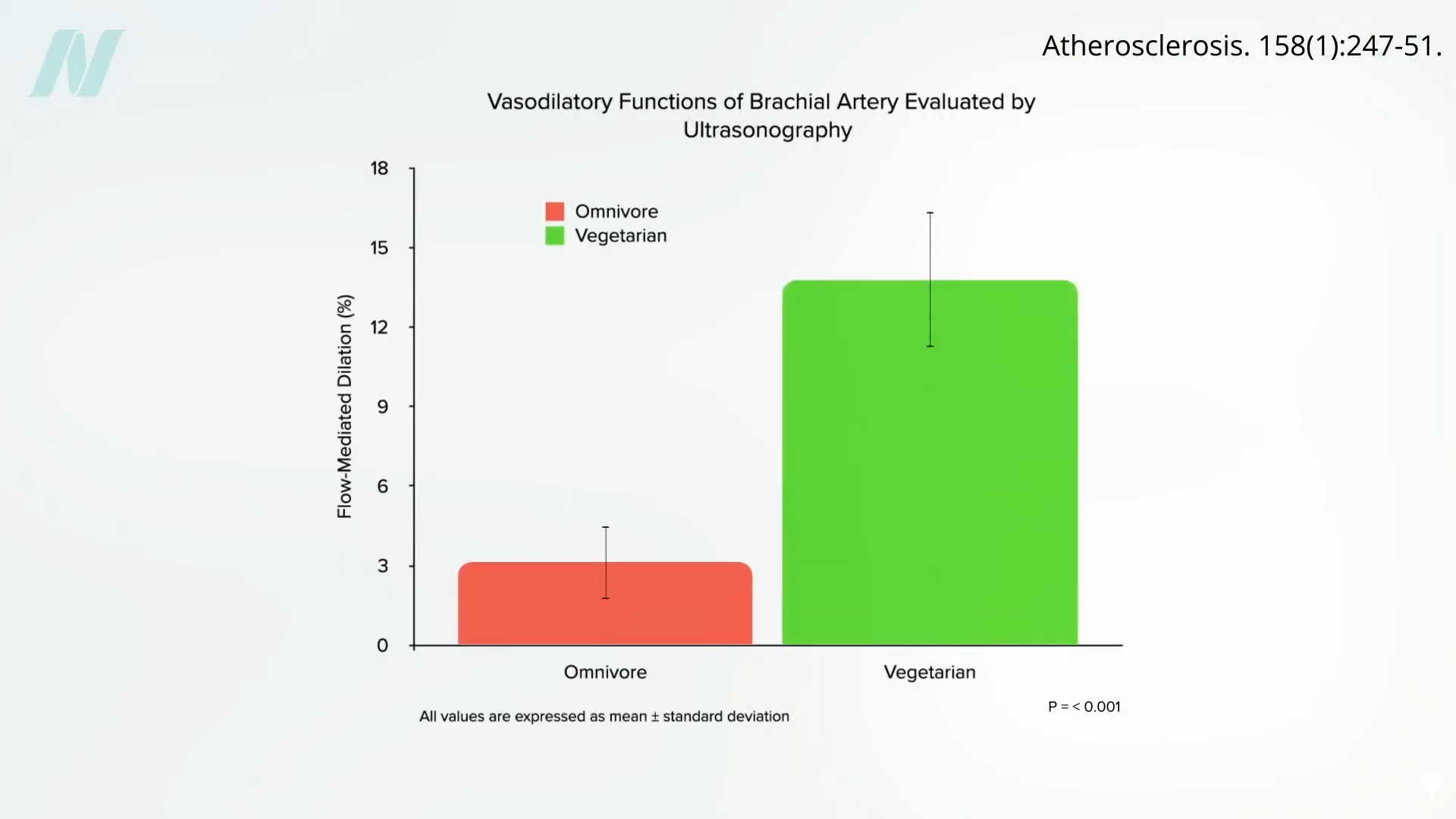
The question of whether certain foods can counteract the detrimental effects of unhealthy dietary choices has long been a focus of nutritional science. Emerging research suggests that while avoiding problematic foods is paramount, incorporating specific plant-based options may offer a degree of protection for cardiovascular health, particularly concerning artery function. A comprehensive review of studies indicates that a vegetarian diet, rich in whole plant foods, demonstrably enhances arterial elasticity compared to diets including meat. This improvement is not marginal; one significant study found that vegetarians exhibited four times better artery function.
Vegetarian Diets and Superior Artery Function
The foundational study comparing artery function between vegetarians and meat-eaters revealed a striking difference. Vegetarians consistently demonstrated superior endothelial function, the ability of blood vessels to dilate and facilitate blood flow. While it’s true that vegetarians often present with a healthier overall lifestyle—including lower rates of smoking, obesity, diabetes, high cholesterol, high blood pressure, and heart disease—researchers meticulously controlled for these variables. The study recruited healthy, non-smoking individuals and further matched meat-eaters to vegetarians based on factors like body mass index and comparable blood pressure and cholesterol levels. Despite these controls, the vegetarians still outperformed the meat-eating cohort in terms of arterial health.

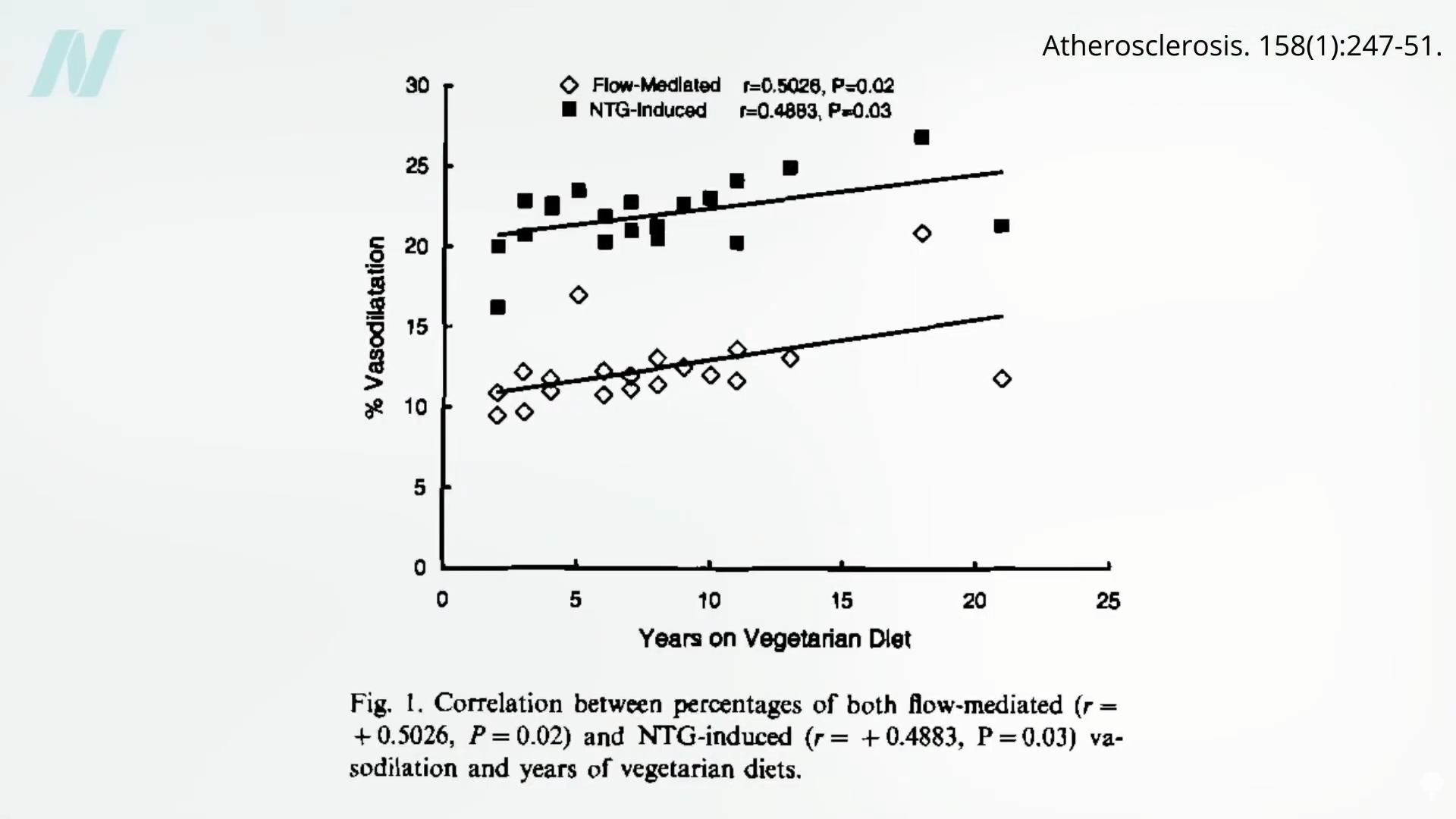
Further analysis of the data revealed a dose-response relationship between the duration of a meat-free diet and improved artery function. The longer an individual adhered to a vegetarian lifestyle, the more pronounced the positive impact on their arterial health became. This finding suggests that vegetarian diets, independent of other lifestyle factors, exert a direct and beneficial influence on artery function, potentially explaining the observed lower rates of atherosclerosis and cardiovascular mortality in these populations. The researchers posited that this benefit stems not only from the absence of meat’s potential negative effects but also from the increased consumption of nutrient-dense whole plant foods. For instance, vegetarians in these studies often consumed an extra serving of vegetables daily.
The Impact of Meal Composition: Fat vs. Sugar
Investigating the immediate effects of specific food types, researchers compared the impact of two distinct "junky" meals on artery function. One meal, consisting of an Egg McMuffin, Sausage McMuffin, and hash brown patties, a high-fat, animal-product-laden option, impaired artery function within hours. In contrast, a meal of Frosted Flakes, a high-sugar, processed cereal, did not elicit the same immediate negative response. This initial observation pointed towards the fat content as the culprit. However, subsequent research has refined this understanding, suggesting that it is particularly animal-derived fat that poses a risk.
Conversely, high-fat plant-based foods, such as nuts, do not appear to induce the same detrimental effects. In fact, a systematic review of randomized controlled trials on nut consumption demonstrated significant improvements in artery function over time. This finding is particularly noteworthy when considering the potential of nuts to mitigate the arterial damage caused by less healthy food choices.
Nuts: A Potential Antidote?
The question arises whether nuts can indeed counteract the artery-crippling effects of processed, high-fat meals. Studies have explored this, with mixed results depending on the specific nut. For example, research indicated that walnuts demonstrated a capacity to offset the negative arterial impact of a salami sandwich, while almonds did not show the same efficacy. This highlights that not all nuts are created equal in their cardiovascular benefits, with walnuts emerging as a particularly potent option, analogous to blueberries being a top-tier berry.
Berries: Powerhouses of Arterial Health
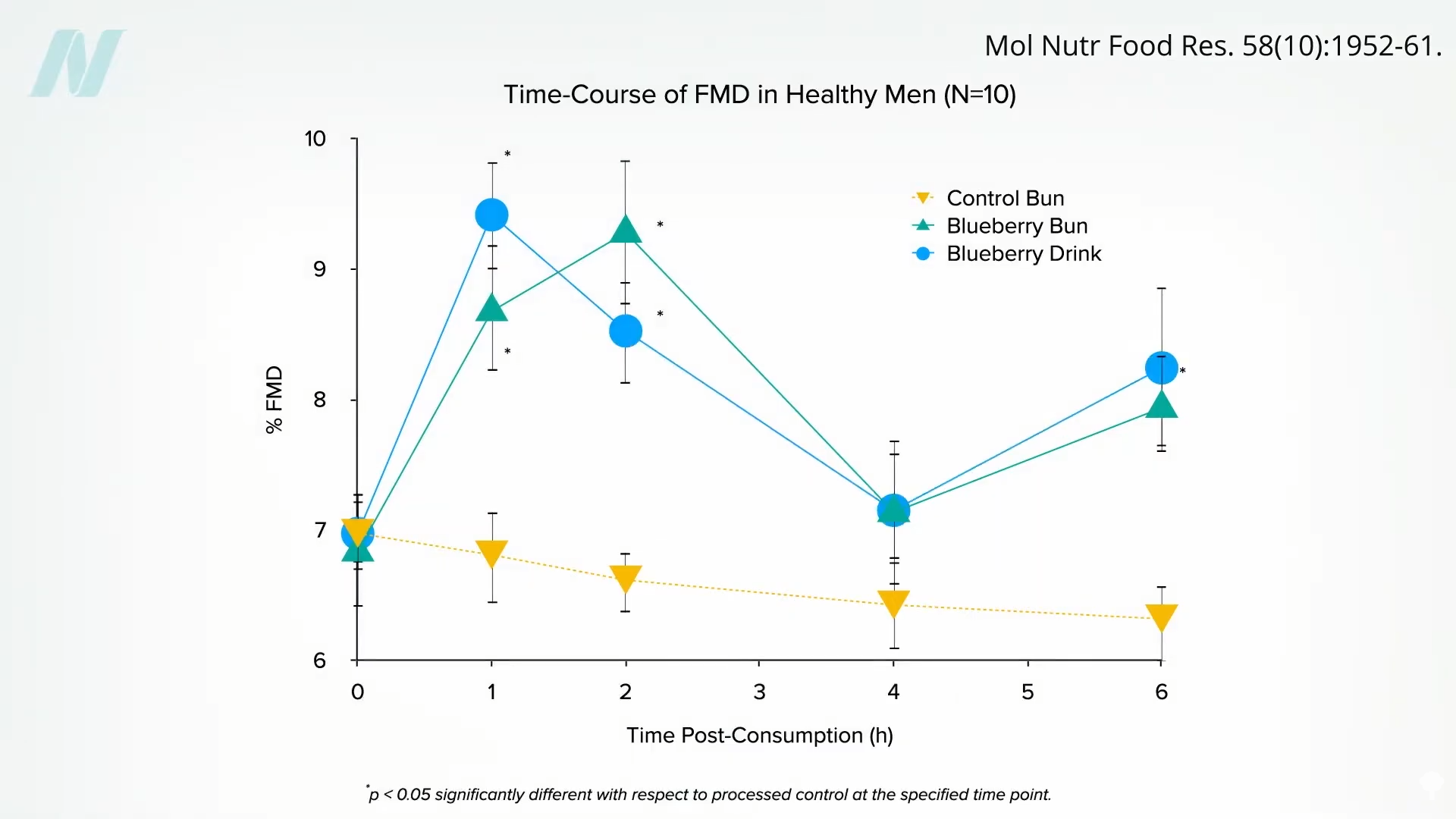
The beneficial effects of berries on cardiovascular health have been extensively studied, with blueberries often cited as a prime example. In one notable study, participants consumed buns made with white flour, eggs, butter, and sugar. This base meal led to a gradual decline in artery function over six hours. However, when a serving of wild blueberries was added to the same bun, a significant boost in artery function was observed, almost as if the blueberries had been consumed with plain water. This suggests a powerful protective effect, with benefits observed at roughly one cup of blueberries.
While strawberries are also lauded for their health benefits, their ability to counteract the effects of a particularly indulgent meal—comprising cheese blintzes, whipped cream, sugary syrup, eggs, and bacon—was not as pronounced. This underscores the importance of the overall composition of a meal and the potential for very high-fat, high-sugar combinations to overwhelm even the protective qualities of certain fruits.
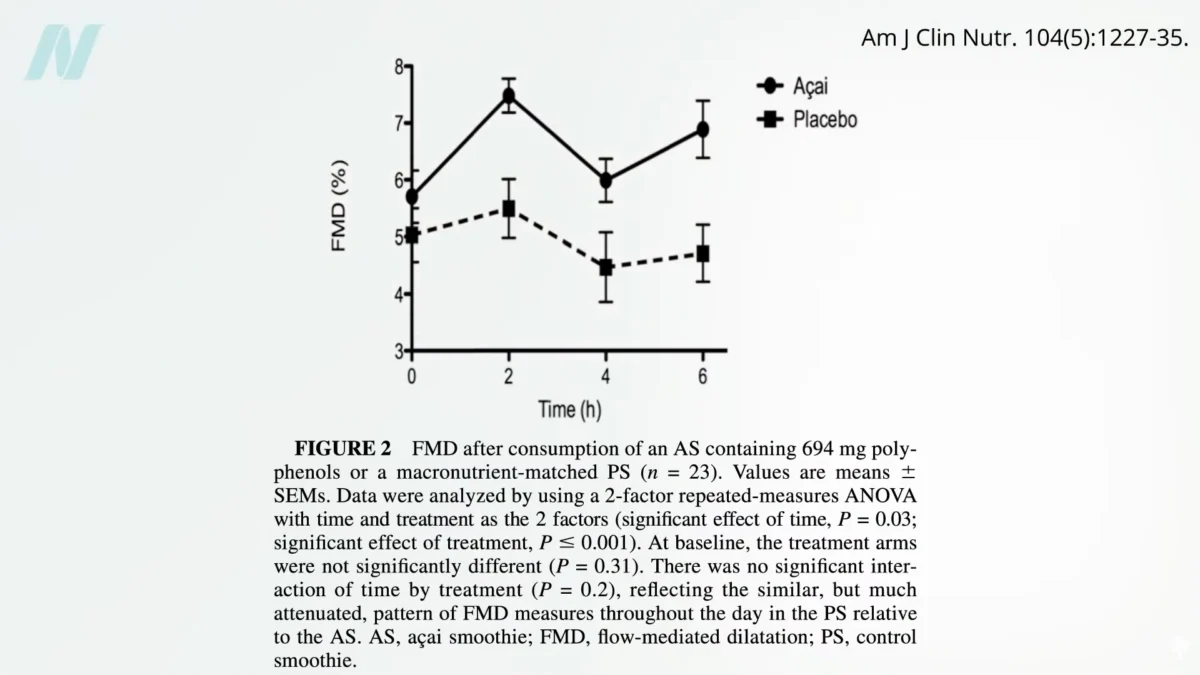
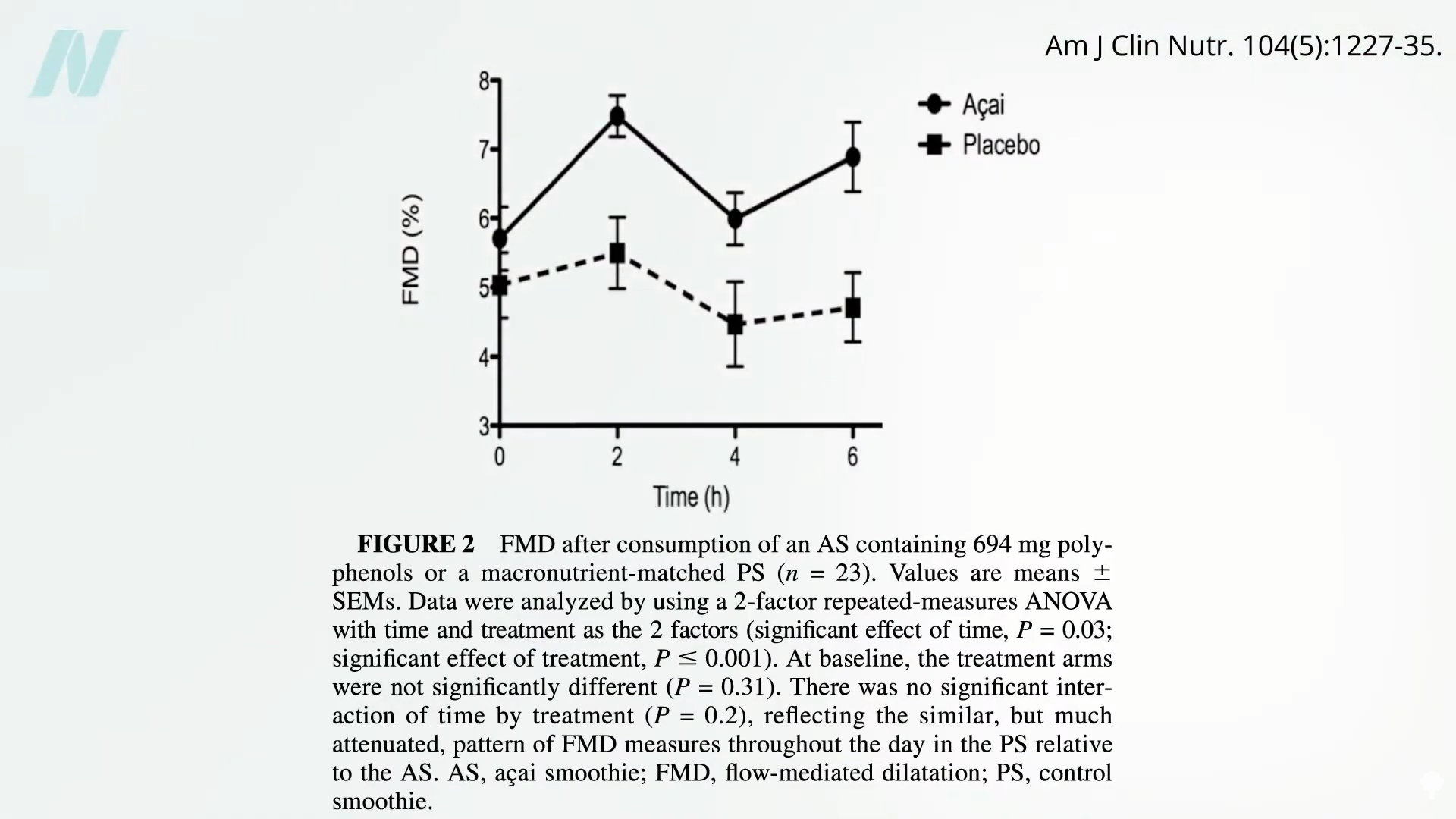
Further research has investigated the impact of acai berries. In a study comparing an acai smoothie (blended with banana and water) against a control smoothie mimicking its appearance, the acai berry blend significantly improved arterial function. This suggests that the unique phytonutrients within acai berries contribute to their vascular benefits.
Raspberries have also shown promise. A double-blind, randomized controlled trial involving raspberries demonstrated that consuming them, either as a smoothie or juice, improved artery function for up to 24 hours. Interestingly, a dose of approximately three-quarters of a cup of raspberries appeared to yield similar benefits to a larger 1.5-cup dose, indicating a potential plateau effect in benefits, much like that observed with blueberries. While the immediate improvement in artery function might be modest (around 1%), at a population level, even a 1% increase in arterial elasticity is associated with a substantial 12% reduction in the risk of cardiovascular events such as heart attacks and strokes.
Juices and Their Limitations
The potential benefits of berry juices have also been examined. Studies on cranberry juice at various concentrations showed that even a 25% concentration provided a modest improvement in artery function, with higher concentrations offering more sustained benefits. However, it is crucial to note that these studies often involved consuming the juices in isolation, without the context of a high-fat meal.
When tested against a high-fat meal, a mixed berry juice cocktail (including grapes, blueberries, strawberries, lingonberries, and black aronia berries) did not significantly mitigate the induced artery dysfunction. This suggests that while berry juices can be beneficial on their own, their capacity to counteract the acute effects of a very unhealthy meal might be limited, especially when compared to whole fruits.
Orange juice, another popular beverage, has shown less promising results in the context of mitigating the effects of unhealthy meals. When participants consumed ham and cheese croissants with either water, orange juice, green tea, or red wine, orange juice proved ineffective in protecting artery function. In fact, some research indicates that drinking orange juice with a fatty meal could exacerbate the situation. One study found that orange juice led to a prolonged period of elevated blood fat levels after consuming bacon and cheese muffins. This is hypothesized to occur because the body prioritizes the rapid absorption and metabolism of the free sugars in juice, which are not contained within cell walls as they are in whole fruits. This preference for burning readily available sugars might delay the processing of fats, leading to extended periods of elevated blood lipid levels.
Broader Implications for Public Health
The cumulative evidence from these studies points towards a compelling narrative: the food we consume has a direct and measurable impact on our cardiovascular health, particularly on the critical function of our arteries. While the ideal scenario remains a diet rich in whole, unprocessed plant foods, the research offers practical insights for individuals who occasionally consume less healthy options. Incorporating foods like walnuts and various berries, particularly blueberries and raspberries, appears to offer a protective buffer against the acute arterial damage that can result from high-fat meals.
This body of research, spanning several years and involving diverse methodologies, underscores the significance of dietary choices not just for long-term health but also for immediate physiological responses. The findings have profound implications for public health recommendations, emphasizing the potent role of plant-based foods in maintaining vascular health and reducing the burden of cardiovascular disease, a leading cause of mortality worldwide.
Doctor’s Note: This article is the third in a three-part series exploring the impact of fast food on health. Previous installments included "How a Single Meal Can Cripple Your Arteries and Lungs" and "Can Exercise Counteract a High-Fat Meal?" Further exploration of specific food effects can be found in related posts.

