

Benign prostatic hypertrophy (BPH), commonly known as an enlarged prostate, affects a significant portion of the male population, presenting a growing public health concern. Emerging research is exploring natural dietary interventions, with cranberries and pumpkin seeds showing particular promise in alleviating the burdensome lower urinary tract symptoms associated with this condition. This investigation delves into the scientific evidence, historical context, and potential implications of incorporating these foods into management strategies for BPH, a condition that impacts over 50% of men in their 50s and at least 70% of men over 60.
The Pervasive Challenge of Benign Prostatic Hypertrophy
The physiological changes associated with aging can lead to the enlargement of the prostate gland, a condition that, while benign, can significantly diminish quality of life. The resulting lower urinary tract symptoms (LUTS) can range from increased urinary frequency, particularly nocturia (frequent nighttime urination), to urgency, hesitancy, and a feeling of incomplete bladder emptying. These symptoms are not merely inconvenient; they can disrupt sleep, impact social engagement, and contribute to psychological distress, including depression.
Current medical treatments for BPH, while clinically effective, are not without their drawbacks. Pharmaceutical interventions can carry a range of side effects, some of which are particularly concerning. These can include sexual dysfunction, which significantly affects patient adherence and overall well-being. Furthermore, the complexity of BPH management means that when medication proves insufficient, invasive surgical procedures such as transurethral resection of the prostate (TURP) may be considered. The potential for complications and the recovery period associated with surgery further underscore the urgent need for safer, more accessible, and effective management options. The limitations of existing treatments highlight the imperative to explore alternative approaches, including dietary modifications.
Dietary Insights and the Quest for Natural Remedies
Population-based studies have long suggested a link between dietary patterns and prostate health. Research indicates that diets characterized by low animal protein intake and a high consumption of fruits and vegetables may offer a protective effect against prostate issues. However, the nuances of this association are critical. Not all animal proteins appear to be equally implicated. Some studies suggest that eggs and poultry might be more strongly linked to adverse outcomes compared to red meat or dairy. Refined grains have also been identified as potential contributors. This evolving understanding of dietary influences underscores the complexity of pinpointing specific food groups or nutrients that can positively impact prostate health.
Against this backdrop of dietary exploration, specific foods have been subjected to rigorous scientific testing. While some herbal remedies, such as saw palmetto, have been extensively studied – with over 30 randomized controlled trials investigating its efficacy – the results have often been inconclusive, with some studies deeming it “totally useless” for BPH symptom relief. This highlights the critical need for evidence-based validation of any proposed natural remedies.
Cranberries: A Traditional Remedy Under Modern Scrutiny
The use of cranberries for urinary ailments dates back centuries to Native American traditions. While anecdotal evidence and historical usage suggest potential benefits, modern scientific inquiry is essential to validate these claims. Recent research has begun to provide empirical support for the efficacy of cranberries in managing BPH symptoms.

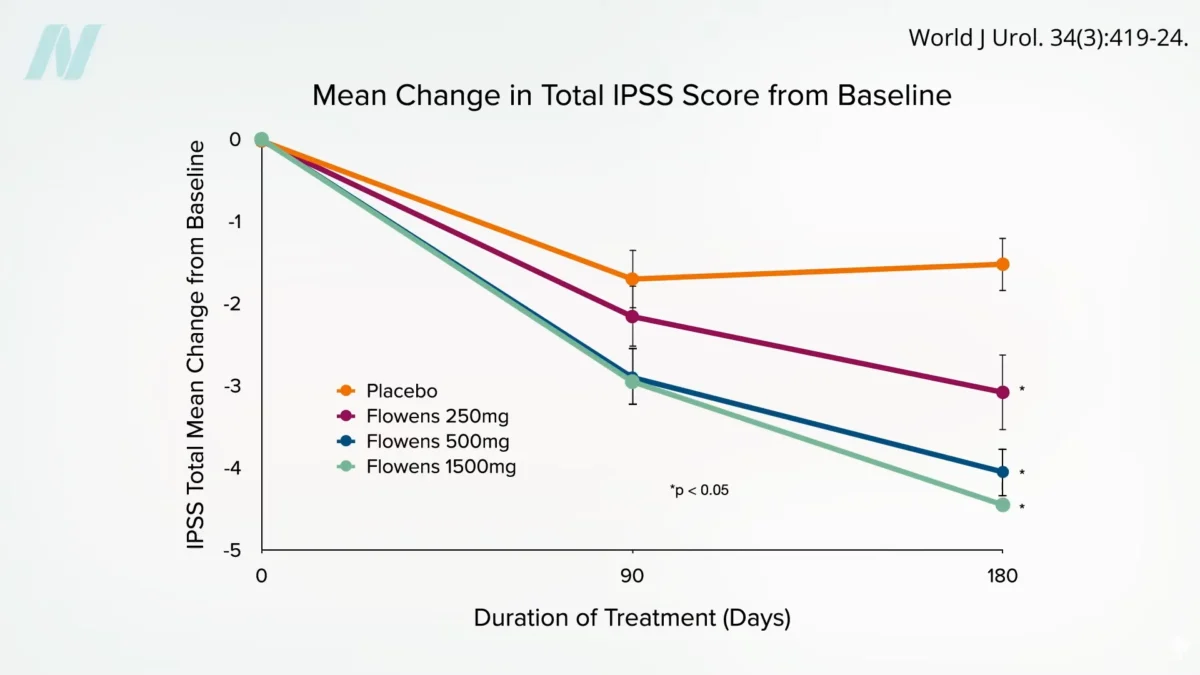
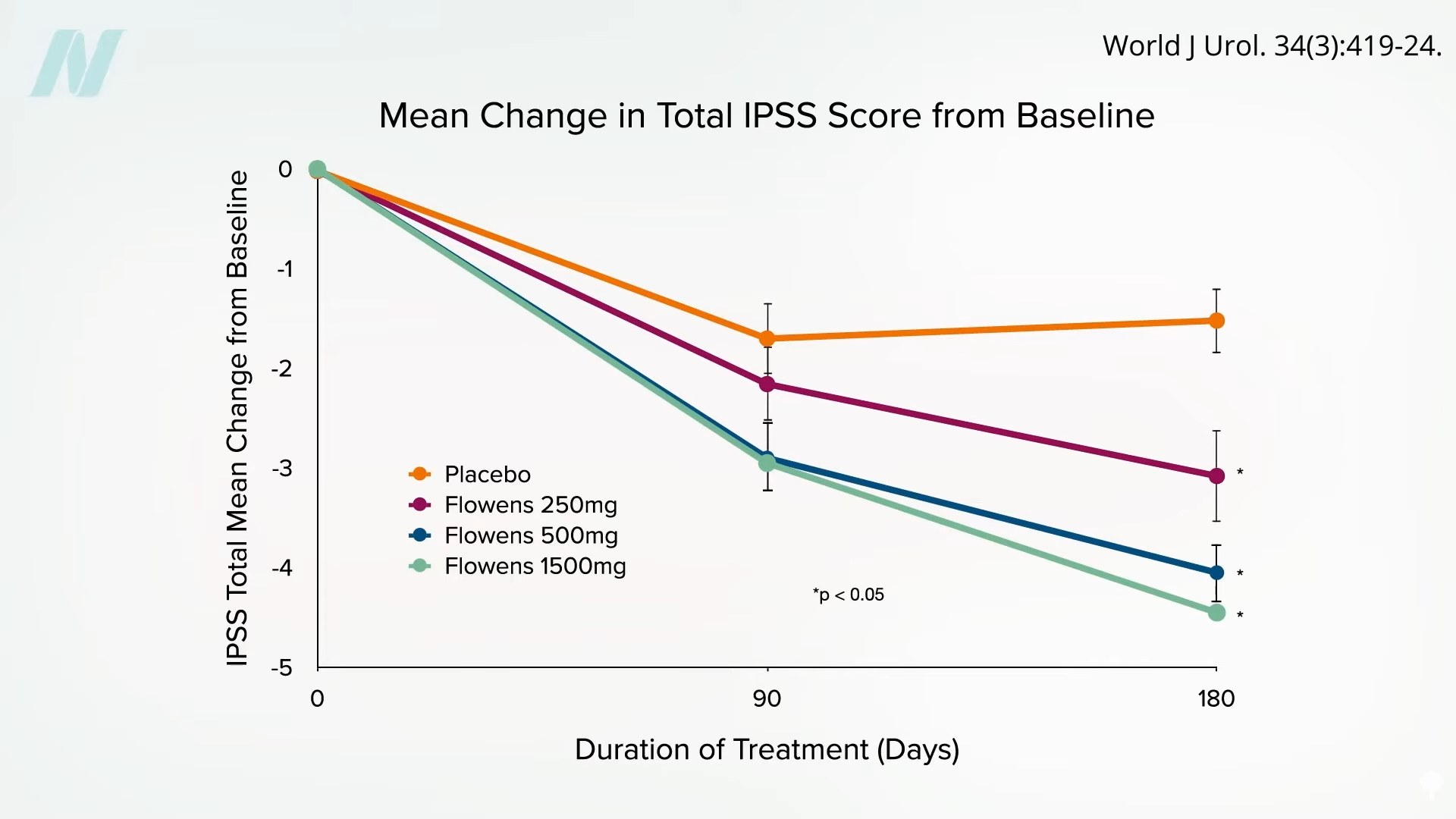
A significant randomized controlled trial demonstrated that men consuming approximately one teaspoon (around 3 grams) of powdered whole cranberries daily experienced notable improvements in their BPH symptoms. Crucially, this study focused on whole cranberries, not processed "craisins" which often contain added sugars and oils that could negate potential health benefits. The participants reported enhanced quality of life and significant improvements across various urination parameters. This research suggests that the active compounds within whole cranberries, likely polyphenols and proanthocyanidins, play a role in mitigating the inflammatory processes and urinary dysfunction associated with an enlarged prostate.
Further investigations have explored dose-response relationships, indicating that even smaller amounts of powdered cranberries, such as a third or a sixth of a teaspoon daily, also contributed to symptom improvement. This nuanced understanding of dosage suggests a potential for flexibility in dietary integration, allowing individuals to find a palatable and effective level of consumption. While one study was funded by a supplement company, the product used was pure cranberry powder, suggesting that purchasing bulk cranberry powder and incorporating it into smoothies or other dietary staples could be a more cost-effective approach for consumers. The absence of positive results from purple grape juice, which was also tested in a comparative study, further emphasizes the specific efficacy of cranberries, rather than general fruit consumption, in addressing BPH symptoms.
Pumpkin Seeds: From Folk Medicine to Clinical Trials
Pumpkin seeds, too, have a long history in folk medicine as a remedy for prostate disorders. Preliminary laboratory studies have shown promise, with extracts demonstrating the ability to inhibit the growth of BPH prostate cells in petri dish experiments. This in vitro evidence spurred further investigation into their effects in human subjects.
Early clinical studies explored the efficacy of pumpkin seed oil. When pitted against established pharmaceutical treatments like Prazosin and Terazosin, pumpkin seed oil appeared to offer comparable symptomatic relief. However, these initial studies lacked a placebo control group, a critical element for establishing true efficacy and differentiating the effects of the intervention from the placebo effect.
A more robust study addressed this gap by directly comparing pumpkin seed extract, a placebo, and whole pumpkin seeds. In this randomized trial involving over a thousand men, participants were assigned to one of three groups: receiving pumpkin seed extract, a placebo, or approximately one tablespoon (about 7.5 grams) of plain pumpkin seeds daily. The results were compelling. While the pumpkin seed extract did not demonstrate a statistically significant benefit over the placebo, the whole pumpkin seeds themselves showed a clear positive impact on BPH symptoms. This finding is particularly significant as it indicates that the benefits are not solely attributable to isolated compounds extracted into oil, but rather to the synergistic effects of the whole seed. Subsequent research has even shown that oil-free pumpkin seed extracts can also be effective, further solidifying the plant’s therapeutic potential.
The researchers in this pivotal study concluded that pumpkin seeds could be a recommended dietary option for individuals experiencing mild-to-moderate BPH symptoms. This conclusion has been echoed by regulatory bodies. The European Medicines Agency (EMA), the European equivalent of the U.S. Food and Drug Administration, has affirmed that pumpkin seeds can be used to alleviate lower urinary tract symptoms associated with an enlarged prostate, provided that more serious medical conditions have been ruled out by a healthcare professional. This endorsement from a major regulatory authority lends significant weight to the evidence supporting pumpkin seeds as a viable natural therapy.
Implications and Future Directions
The growing body of evidence supporting the role of cranberries and pumpkin seeds in managing BPH symptoms carries significant implications for public health and individual patient care. For men seeking alternatives or adjuncts to conventional medical treatments, these natural dietary options offer a potentially safer and more accessible pathway to symptom relief.
The implications extend beyond individual well-being. A greater emphasis on dietary interventions could lead to reduced reliance on pharmaceutical treatments, potentially lowering healthcare costs and mitigating the incidence of drug-related side effects. This shift aligns with a broader trend towards integrative and preventative healthcare, where lifestyle modifications play a central role in disease management.
However, it is crucial to maintain a balanced perspective. While promising, these natural remedies are not a panacea. The current research primarily focuses on mild-to-moderate BPH. For individuals with severe symptoms or underlying complications, medical consultation and conventional treatment remain paramount. The European Medicines Agency’s recommendation, for instance, explicitly states that their use is appropriate "after more serious conditions have been ruled out by a medical doctor."
Further research is warranted to elucidate the precise mechanisms of action of cranberries and pumpkin seeds, to refine optimal dosages and forms of consumption, and to conduct long-term studies assessing their sustained efficacy and safety in diverse populations. Understanding potential interactions with medications and specific contraindications will also be essential for comprehensive clinical guidance.
The journey from traditional knowledge to scientifically validated interventions is often long and complex. The emerging data on cranberries and pumpkin seeds represent a significant step forward in harnessing the power of nutrition for men’s health, offering hope for improved quality of life for millions affected by benign prostatic hypertrophy. As research continues to unfold, these humble yet potent foods may find a more prominent place in the armamentarium of BPH management strategies.
Related Research and Expert Notes
Further exploration into related areas of prostate health and nutrition is encouraged. The efficacy of flaxseeds in managing prostate cancer, for example, has been a subject of separate investigation, with some studies suggesting a therapeutic potential comparable to commonly used drugs, and notably, with favorable side effect profiles. Information on this can be found in resources discussing "Flaxseeds vs. Prostate Cancer."
Additionally, the role of cranberries in relation to cancer, particularly prostate cancer, has been examined in separate research. This area of investigation explores the potential anti-cancer properties of compounds found in cranberries.
For those interested in the impact of cranberry juice on urinary health more broadly, its effectiveness in treating bladder infections is another area that has undergone scientific scrutiny. Understanding the specific benefits and limitations of cranberry products for different urinary conditions is crucial for informed consumer choices.

