

The scientific understanding of protein quality, a cornerstone of nutritional science, is overdue for a significant update. For decades, the prevailing definition of protein quality has been rooted in biochemical composition rather than its direct impact on human health outcomes. This traditional approach, while scientifically valid in its assessment of amino acid profiles, has inadvertently contributed to a public perception that animal-derived proteins are inherently superior, potentially leading to dietary recommendations that are at odds with contemporary public health imperatives. The consequences of this outdated paradigm are far-reaching, influencing dietary guidelines, public health messaging, and ultimately, the health trajectories of populations worldwide, particularly in industrialized nations where chronic diseases, not acute malnutrition, represent the primary health challenges.
The current framework for evaluating protein quality often emphasizes the "completeness" of protein, typically measured by its amino acid score. This method primarily assesses the presence and proportion of essential amino acids, which are crucial for bodily functions. Animal proteins, such as those found in meat, eggs, and dairy, generally possess a complete amino acid profile, meaning they contain all nine essential amino acids in proportions that closely match human dietary needs. Plant-based proteins, conversely, are often characterized as "incomplete," with certain essential amino acids present in lower quantities. This distinction has historically led to the prioritization of animal proteins in dietary recommendations, fostering a belief that consuming more meat, eggs, and dairy is universally beneficial.
However, this biochemical perspective can obscure a more nuanced reality: the overall health implications of protein sources. In regions where protein malnutrition and conditions like kwashiorkor remain prevalent, the emphasis on complete proteins is undeniably important. Yet, in industrialized societies, the landscape of public health threats has dramatically shifted. Acute protein deficiencies are exceedingly rare. Instead, the most formidable public health challenges are overwhelmingly associated with chronic, non-communicable diseases, including cardiovascular disease, type 2 diabetes, certain cancers, and obesity. These conditions are often linked to dietary patterns that are increasingly recognized as detrimental.
Shifting Paradigms: New Evidence on Protein Sources and Mortality
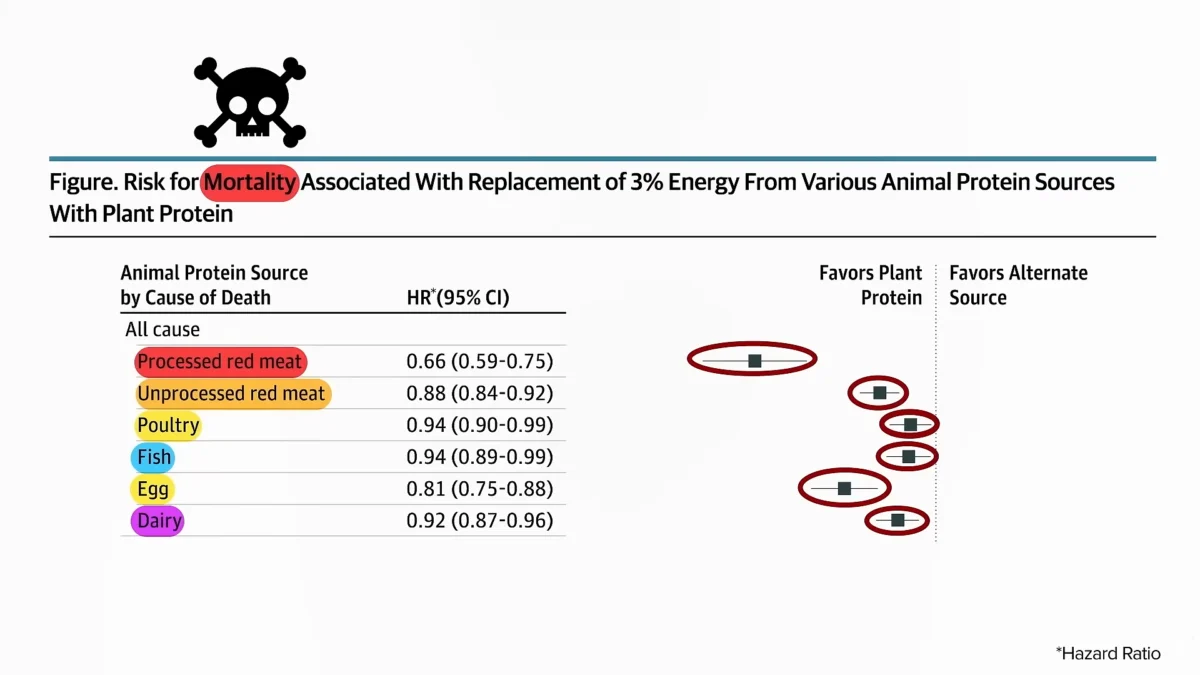
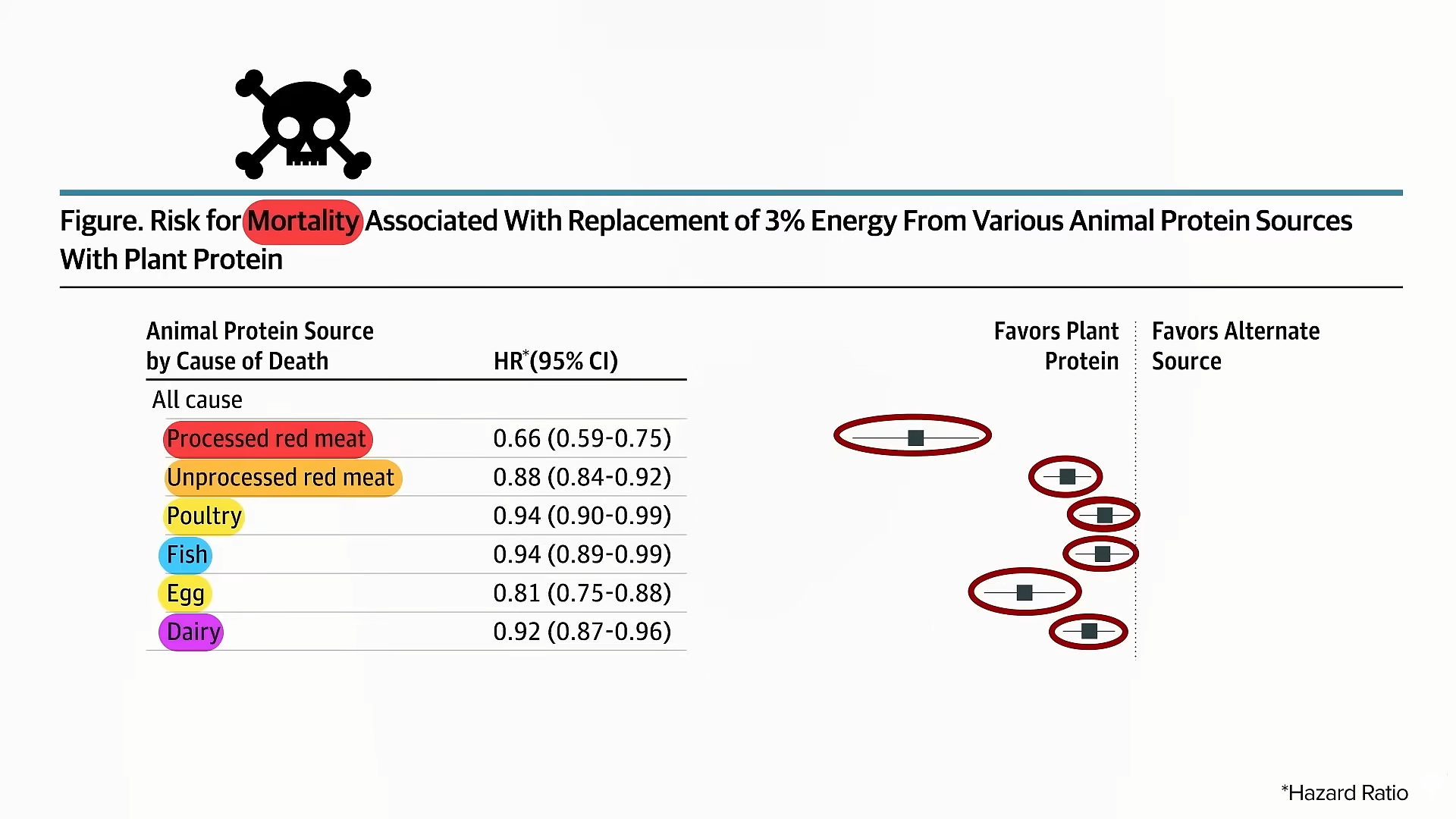
A pivotal study published in 2016 in the Journal of the American Medical Association Internal Medicine provided compelling evidence that challenged the long-held assumptions about protein sources. This landmark research, involving over 100,000 participants and spanning more than two decades, investigated the association between dietary protein intake and mortality. The findings were striking: replacing animal protein with plant protein was consistently linked to a significantly lower risk of premature death.
The study meticulously analyzed dietary data and mortality records, controlling for a multitude of confounding factors, including overall calorie intake, saturated fat consumption, and lifestyle variables. The results indicated that even a modest substitution – replacing just 3% of daily calories from animal protein with plant protein – was associated with a notable reduction in mortality risk. This benefit was observed across various animal protein sources, including processed meats (such as bacon), unprocessed red meat, poultry, fish, eggs, and dairy products.

The implications of this research are profound. It suggests that the source of protein, not merely its presence or quantity, plays a critical role in long-term health. The study specifically identified processed meats and egg protein (particularly egg whites) as particularly detrimental when substituted with plant-based alternatives. The reduction in all-cause mortality associated with swapping even a small percentage of animal protein for plant protein underscores the importance of dietary composition beyond the traditional protein quality metrics.
Unpacking the Mechanisms: Why Plant Protein May Offer Superior Health Benefits
The question naturally arises: if protein is protein, how can our bodies differentiate between protein derived from plants versus animals in a way that impacts mortality? Scientific inquiry has begun to elucidate several potential biological mechanisms that could explain these observed differences.
One significant area of investigation centers on the differing amino acid profiles. While animal proteins are typically rich in branched-chain amino acids (BCAAs) – leucine, isoleucine, and valine – plant proteins generally contain lower amounts. Research has indicated that reduced consumption of BCAAs can be associated with improved metabolic health. For instance, studies have shown a correlation between lower BCAA levels and enhanced insulin sensitivity, a key factor in preventing and managing type 2 diabetes. Conversely, elevated BCAA levels have been linked to insulin resistance and increased risk of metabolic syndrome.
Another critical factor implicated is Insulin-like Growth Factor 1 (IGF-1). This hormone, produced by the liver in response to growth hormone, plays a vital role in growth and development. However, elevated levels of IGF-1 in adulthood have been associated with an increased risk of various chronic diseases, including certain types of cancer and cardiovascular disease. Animal proteins, particularly those considered "high-quality" due to their complete amino acid profile, have been shown to stimulate IGF-1 production more significantly than plant proteins. Epidemiological studies further support this connection; individuals born with naturally higher IGF-1 levels, irrespective of their diet, tend to exhibit higher rates of conditions like type 2 diabetes and heart disease. This suggests a potential causal link between IGF-1, driven by dietary protein sources, and detrimental health outcomes.
Beyond inherent nutritional components, the potential presence of environmental contaminants in animal products also warrants consideration. Dioxins and polychlorinated biphenyls (PCBs) are persistent organic pollutants that can accumulate in the food chain. Because they are lipophilic (fat-soluble), these toxins tend to concentrate in the fatty tissues of animals. Consequently, animal products such as meat, poultry, and fish can serve as significant sources of dietary exposure to these harmful compounds. Plant-based diets, by their nature, bypass this bioaccumulation pathway, thus potentially lowering the body’s burden of these environmental toxins. The Harvard study authors acknowledged that while they adjusted for factors like saturated fat, other unmeasured dietary components could still play a role. The accumulation of pollutants represents a plausible, albeit not fully quantified, factor contributing to the observed mortality differences.
Large-Scale Studies Corroborate Findings
The robustness of the findings from the 2016 Harvard study has been further bolstered by subsequent large-scale research. The U.S. National Institutes of Health–AARP Diet and Health Study, one of the largest cohort studies on diet and health ever conducted, involving approximately 400,000 participants, has yielded similar conclusions. This extensive study also found that substituting a small percentage of calories from animal protein with plant protein was associated with a significantly lower risk of overall mortality. Notably, the study observed an even greater benefit when egg consumption was also reduced. This aligns with other research that has linked higher egg consumption to an increased risk of developing cardiovascular disease.
A Collective Picture: Protein Intake, Mortality, and Longevity
When synthesizing the findings from multiple large-scale epidemiological studies, a consistent pattern emerges. Individuals who consume higher amounts of protein tend to have shorter lifespans. However, this association is not uniform across all protein sources. The detrimental impact on longevity appears to be primarily driven by a harmful association with animal protein intake. Conversely, plant protein intake demonstrates an inverse association with mortality, meaning that higher consumption of plant protein correlates with increased longevity.
This nuanced understanding highlights a critical distinction: while excessive protein intake from any source might carry risks, the specific composition and biological effects of animal protein appear to be a more significant driver of negative health outcomes, particularly in the context of chronic diseases prevalent in developed nations. The data strongly suggests that prioritizing plant-based protein sources is a strategic approach to mitigating mortality risk and promoting longer, healthier lives.
Implications for Public Health and Dietary Guidance
The scientific evidence unequivocally calls for a modernization of how protein quality is defined and communicated to the public. The current emphasis on biochemical completeness, while historically relevant, needs to be rebalanced with a more comprehensive understanding of the health impacts of different protein sources.
Key Implications:
- Dietary Guidelines: Public health organizations and dietary guideline committees should re-evaluate recommendations to reflect the growing body of evidence supporting plant-based protein intake. Messaging should move beyond simply ensuring adequate protein intake to emphasizing the benefits of choosing plant-derived sources.
- Public Health Messaging: Campaigns aimed at improving population health should highlight the advantages of plant-based proteins in reducing the risk of chronic diseases. This includes educating consumers about the potential downsides of excessive animal protein consumption.
- Healthcare Professional Education: Medical practitioners, dietitians, and nutritionists require updated training and resources to provide evidence-based advice that incorporates the latest findings on protein sources and health outcomes.
- Food Industry Innovation: The food industry has a role to play in developing and promoting a wider variety of palatable and accessible plant-based protein options.
Addressing Common Questions and Misconceptions
The evolving understanding of protein quality also necessitates addressing persistent questions and common misconceptions:
- Protein Combining: The long-held myth that plant proteins must be meticulously combined within a single meal to achieve a complete amino acid profile has been debunked. The human body maintains a pool of amino acids, and consuming a varied diet of plant-based foods throughout the day ensures adequate intake of all essential amino acids.
- Protein Adequacy for Vegetarians and Vegans: Concerns about vegetarians and vegans obtaining sufficient protein are largely unfounded. A well-planned plant-based diet can easily meet protein requirements. Numerous studies have shown that individuals following vegetarian and vegan diets often have adequate or even higher protein intake than omnivores.
- The Healthfulness of Plant-Based Meat Alternatives: While plant-based meat alternatives offer a lower-impact option compared to conventional meat, their healthfulness can vary. Some products are highly processed and may contain high levels of sodium, saturated fat, and additives. Consumers are advised to examine ingredient lists and nutritional information, prioritizing minimally processed plant-based protein sources like legumes, tofu, tempeh, and whole grains.
In conclusion, the scientific consensus is increasingly pointing towards a paradigm shift in our understanding of protein. The focus must move beyond a narrow biochemical definition of "quality" to a broader, health-outcome-oriented perspective. By encouraging an increased intake of plant-based proteins and a judicious reduction in animal protein, particularly processed and red meats, individuals can significantly lower their risk of chronic diseases and contribute to a longer, healthier lifespan. This transition represents not just a dietary adjustment, but a vital public health strategy for the 21st century.

