

The specter of Alzheimer’s disease looms large, impacting millions worldwide. While genetic predispositions, such as carrying the APOE e4 allele, are recognized risk factors, they account for less than half of all cases. This statistical reality underscores the critical role of environmental and lifestyle factors in the development of this devastating neurodegenerative condition. Emerging scientific research is increasingly pointing to a concerning link between exposure to certain pesticide breakdown products, particularly DDE—a metabolite of the now-banned insecticide DDT—and an elevated risk of Alzheimer’s disease, potentially rivaling the genetic risk posed by APOE e4.
Understanding the Alzheimer’s Equation: Beyond Genetics
The complexity of Alzheimer’s disease is illuminated by observations in identical twins. When one twin develops the disease, the other often remains unaffected, despite sharing the exact same genetic makeup. This phenomenon strongly suggests that factors beyond genetics play a pivotal role in disease onset and progression. Scientists are actively investigating a myriad of environmental exposures, including pesticides, as significant contributors to this complex equation.
The Persistent Threat of DDT and DDE
DDT (dichlorodiphenyltrichloroethane) was a widely used insecticide, particularly in the United States from the 1940s through the early 1970s, with annual production reaching approximately 180 million pounds at its peak. Despite its ban in the U.S. in 1972 due to its environmental persistence and potential health risks, DDT and its primary breakdown product, DDE, remain prevalent in the environment and human bodies. The U.S. Environmental Protection Agency (EPA) has classified DDE as a probable human carcinogen, but its association with other serious health outcomes is also a growing concern.

Scientific Scrutiny: Pesticide Exposure and Neurological Health
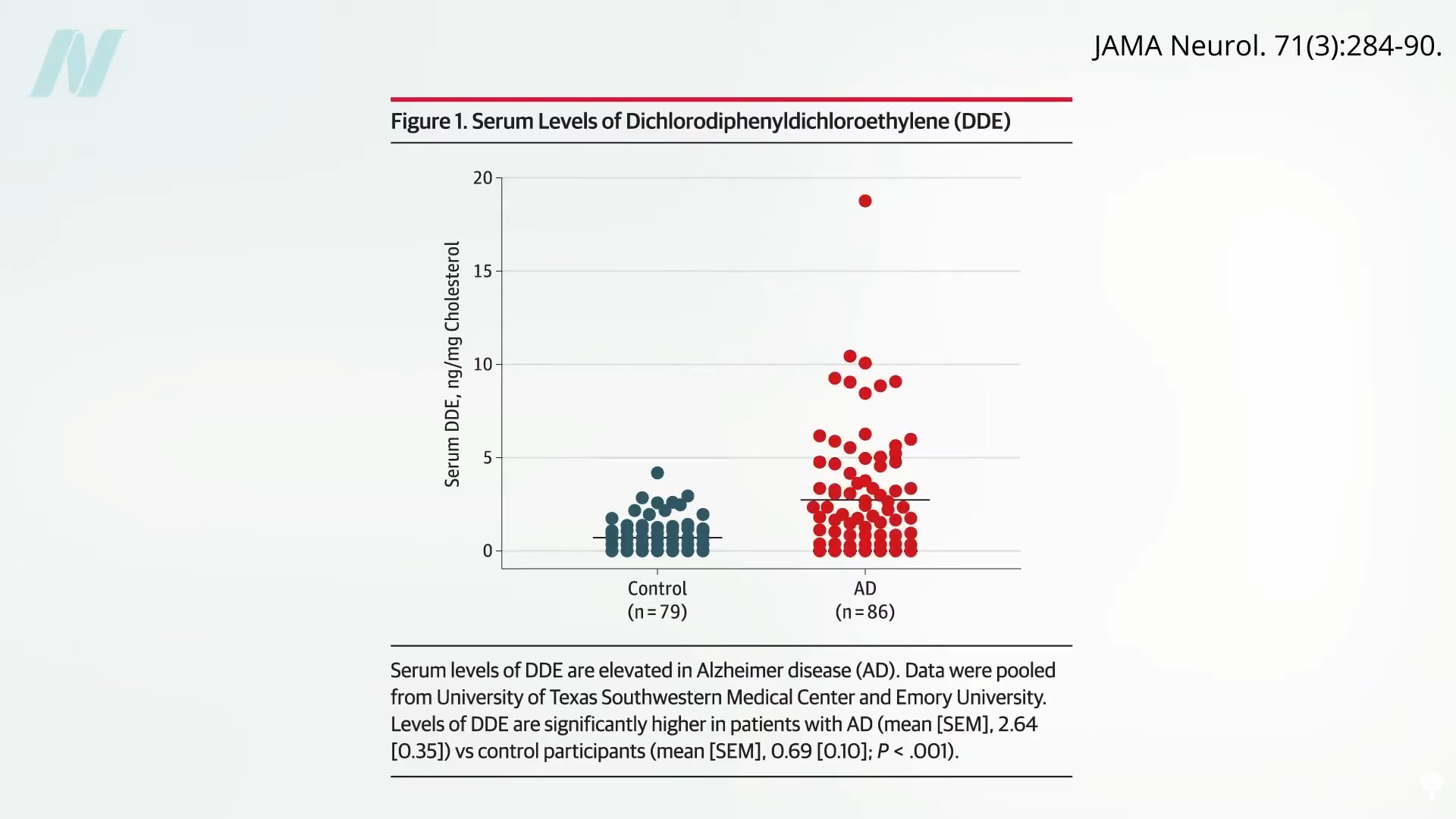
A pivotal study conducted by a research team at Rutgers University has provided compelling evidence linking DDE to an increased risk of Alzheimer’s disease. This research found significantly higher blood levels of DDE in individuals diagnosed with Alzheimer’s disease when compared to a control group. The implications of these findings are substantial, suggesting that exposure to this persistent pesticide metabolite may be a significant, modifiable risk factor for the disease.
Blood Levels as a Biomarker for Brain Exposure
Further analysis of autopsy studies has demonstrated a strong correlation between blood levels of DDE and its concentration in brain tissue. This critical finding validates the use of blood tests as a reliable proxy for assessing past exposure and potential accumulation of these chemicals in the brain, the primary site affected by Alzheimer’s. The Rutgers study revealed that individuals with the highest DDE blood levels had approximately four times the odds of developing dementia attributed to Alzheimer’s disease.
Unraveling the Mechanism: DDE’s Impact on Brain Cells
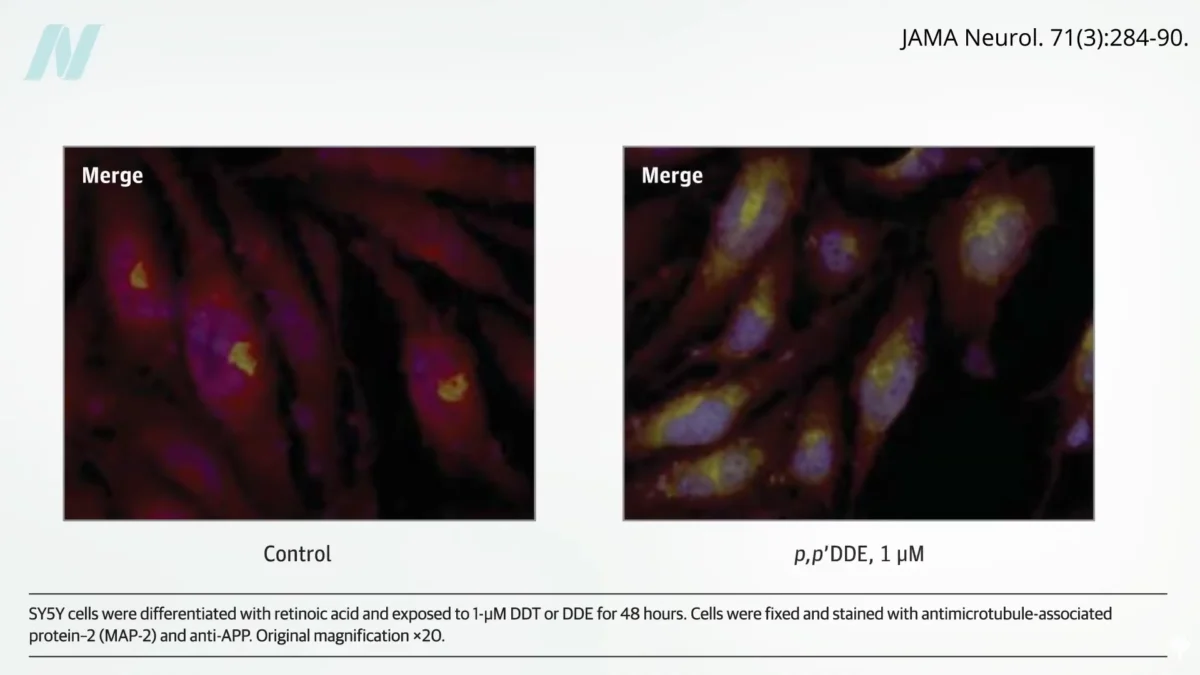
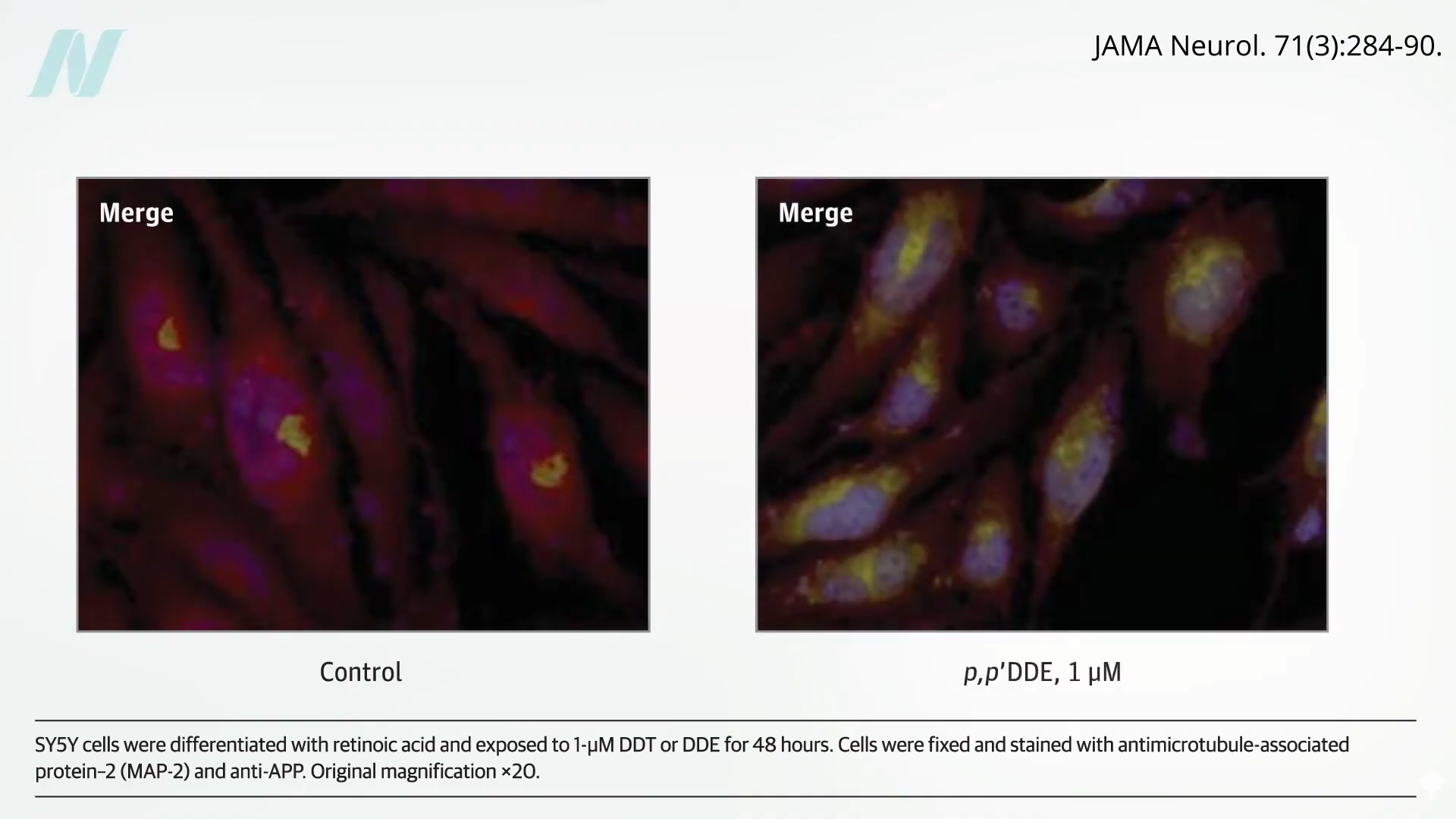
In vitro studies, conducted in laboratory settings using human brain cells, have shed light on a potential biological mechanism by which DDE might contribute to Alzheimer’s pathology. Research has shown that DDE can increase the levels of amyloid precursor protein (APP) in these brain cells. APP is a protein that, when processed abnormally, leads to the formation of amyloid-beta plaques, a hallmark pathological feature of Alzheimer’s disease. This direct effect on a key protein implicated in Alzheimer’s pathogenesis provides a plausible pathway through which pesticide exposure could trigger or exacerbate the disease process. Visual representations from these studies, showing elevated levels of the "sticky protein" implicated in Alzheimer’s development before and after DDE exposure at concentrations found in highly exposed individuals, underscore the direct impact of these compounds.
Broader Epidemiological Evidence: A Consistent Pattern
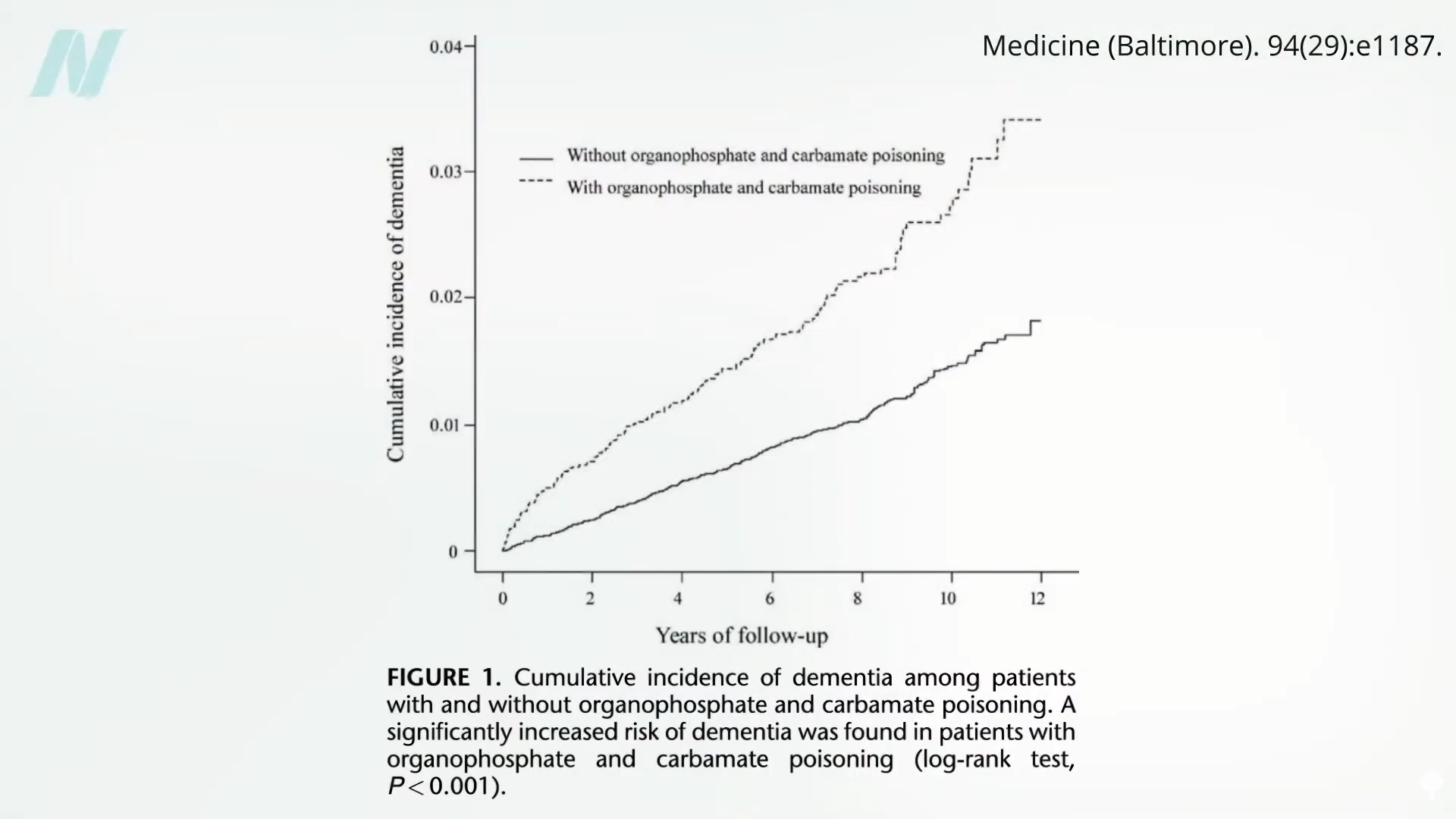
The findings from the Rutgers study are not isolated. A synthesis of multiple research efforts reveals a consistent pattern linking pesticide exposure to increased dementia risk. Data has shown that individuals who have experienced acute pesticide poisoning have approximately double the risk of developing dementia. This broader epidemiological evidence reinforces the hypothesis that environmental chemical exposures, including those from pesticides, contribute significantly to cognitive decline and neurodegenerative diseases.
Furthermore, studies examining U.S. elders have identified associations between DDT and DDE exposure and an increased risk of general cognitive decline. These findings, visualized in statistical analyses, suggest a pervasive impact of these legacy pesticides on the aging brain, extending beyond Alzheimer’s-specific pathology to encompass a broader spectrum of cognitive impairment.
The Lingering Presence of DDE in the Population
The widespread use of DDT in the mid-20th century has resulted in its enduring presence in the environment and in human bodies. Despite the ban decades ago, DDE continues to contaminate the bloodstreams of over 90% of Americans. DDE is found at the highest levels among these persistent pesticide residues, directly implicating it in the heightened risk of Alzheimer’s disease observed in some populations. This enduring contamination highlights the long-term consequences of widespread pesticide use and the challenges associated with eradicating these harmful chemicals from our environment and ourselves.
Dietary Pathways: How Pesticides Persist in the Food Chain
The continued presence of DDT and DDE in human bodies is largely attributed to their persistence in the food supply. Research has indicated that banned pesticides and pollutants, including DDE, are found in significantly lower concentrations in the breast milk of vegetarian mothers compared to their non-vegetarian counterparts. This difference was most pronounced for DDE, which was found to be four times lower in vegetarian mothers.
This observation aligns with broader trends seen for various pollutants. Studies analyzing food samples from U.S. supermarkets have revealed that toxins like dioxins and PCBs (polychlorinated biphenyls), which bioaccumulate in the food chain, are found at substantially higher levels in animal products such as beef, chicken, pork, processed meats, eggs, and fish, compared to plant-based foods. Specifically, toxin levels in meat, eggs, fish, and dairy products were found to be five to ten times higher than in plant foods.
The implications for cooking are also concerning. Pollutants like DDE are not easily destroyed by heat; in fact, cooking can sometimes lead to increased concentration of these toxins as water content is reduced. This means that even prepared meals derived from animal products may carry a higher burden of these harmful residues.
Implications for Public Health and Policy
The growing body of scientific evidence linking pesticide breakdown products like DDE to an increased risk of Alzheimer’s disease carries significant public health implications. It underscores the need for continued monitoring of pesticide residues in food and the environment, as well as stricter regulations on pesticide use.
H3: Policy Considerations and Future Research
The persistent presence of DDE in the population suggests that past pesticide use continues to pose a long-term health risk. This necessitates a deeper understanding of how these legacy pollutants interact with human physiology over time. Future research should focus on:
- Longitudinal Studies: Tracking individuals with varying levels of DDE exposure over extended periods to observe the development of cognitive decline and Alzheimer’s disease.
- Intervention Strategies: Investigating dietary and lifestyle interventions that may help reduce DDE body burden or mitigate its harmful effects.
- Policy Evaluation: Assessing the effectiveness of current pesticide regulations and exploring strategies for accelerating the removal of persistent organic pollutants from the environment and food supply.
H3: A Call for Informed Consumer Choices
For individuals concerned about their risk of Alzheimer’s disease, understanding the potential impact of dietary choices is paramount. Opting for a diet rich in plant-based foods, which generally contain lower levels of persistent organic pollutants, may be a prudent strategy. Furthermore, supporting sustainable agricultural practices that minimize pesticide use can contribute to a healthier food system for everyone.
The connection between pesticide breakdown products and Alzheimer’s disease is a complex and evolving area of scientific inquiry. However, the mounting evidence suggests that environmental exposures, particularly to chemicals like DDE, are significant contributors to the risk of this devastating disease. By continuing to support rigorous scientific research and making informed choices about our food and environment, we can work towards mitigating the risks associated with these pervasive pollutants and safeguarding cognitive health for future generations.
Doctor’s Note: The referenced video "Pesticides (DDT) and Alzheimer’s Disease" provides further visual and detailed information on this topic. For more on Alzheimer’s disease, consult the dedicated topic page on nutritionfacts.org. Another related video, "Pesticides and Cancer Risk," also offers valuable context on the broader health impacts of pesticide exposure.

