

The paradigm of postpartum recovery is undergoing a significant shift as sports medicine professionals and corrective exercise specialists move away from traditional, sedentary recovery models toward more integrated, strength-based approaches. For decades, the standard medical advice for postpartum women focused almost exclusively on pelvic floor isolation exercises, commonly known as Kegels. However, emerging clinical insights and specialized training protocols suggest that while Kegels remain a valuable tool, they are only one component of a much broader physiological recovery process that includes structural alignment, intra-abdominal pressure management, and progressive resistance training.
The Evolution of Postpartum Physical Therapy
Postpartum health has historically been an underserved area of sports science. Following childbirth, many women experience a range of physical challenges, including Diastasis Recti Abdominis (DRA), pelvic organ prolapse, and stress urinary incontinence (SUI). Statistics indicate that approximately one-third of women experience some form of pelvic floor dysfunction following vaginal delivery, yet the guidance provided during the six-week postpartum checkup is often limited to "returning to normal activity" without a structured roadmap for physical rehabilitation.
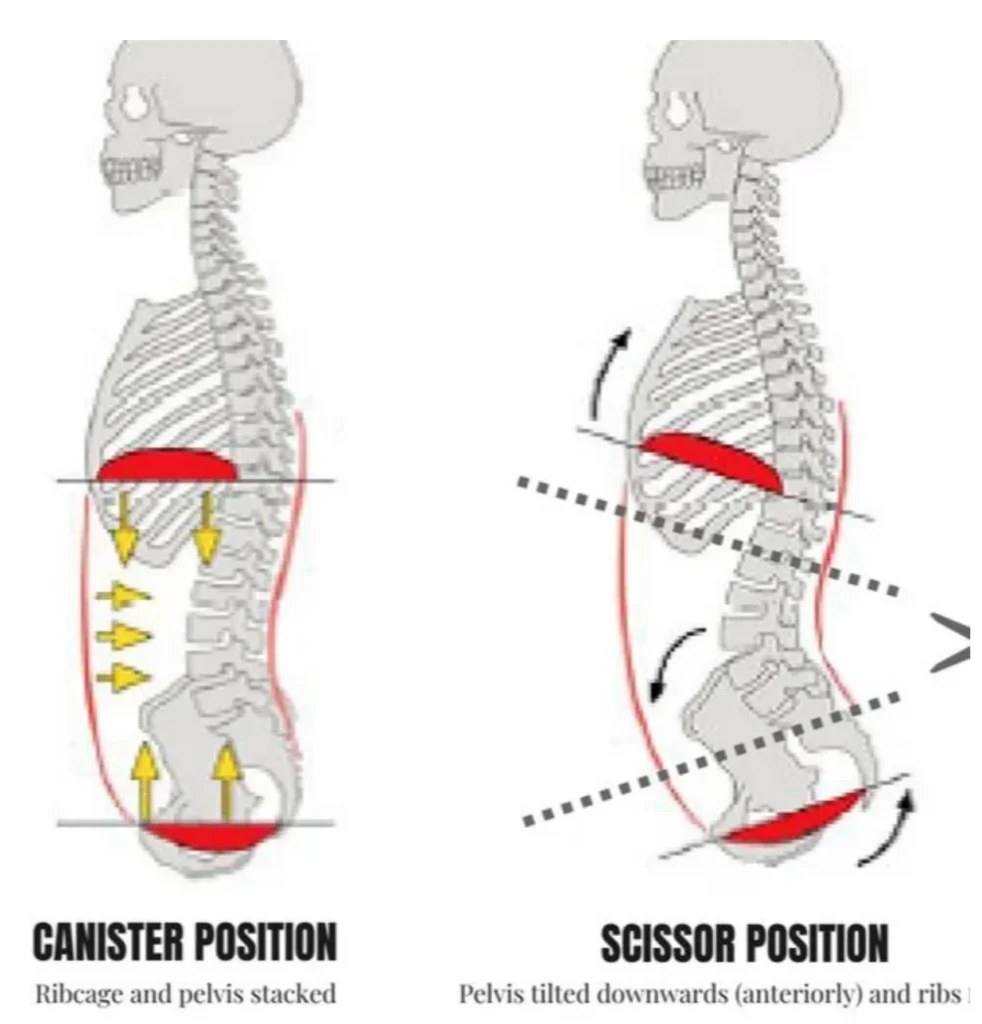
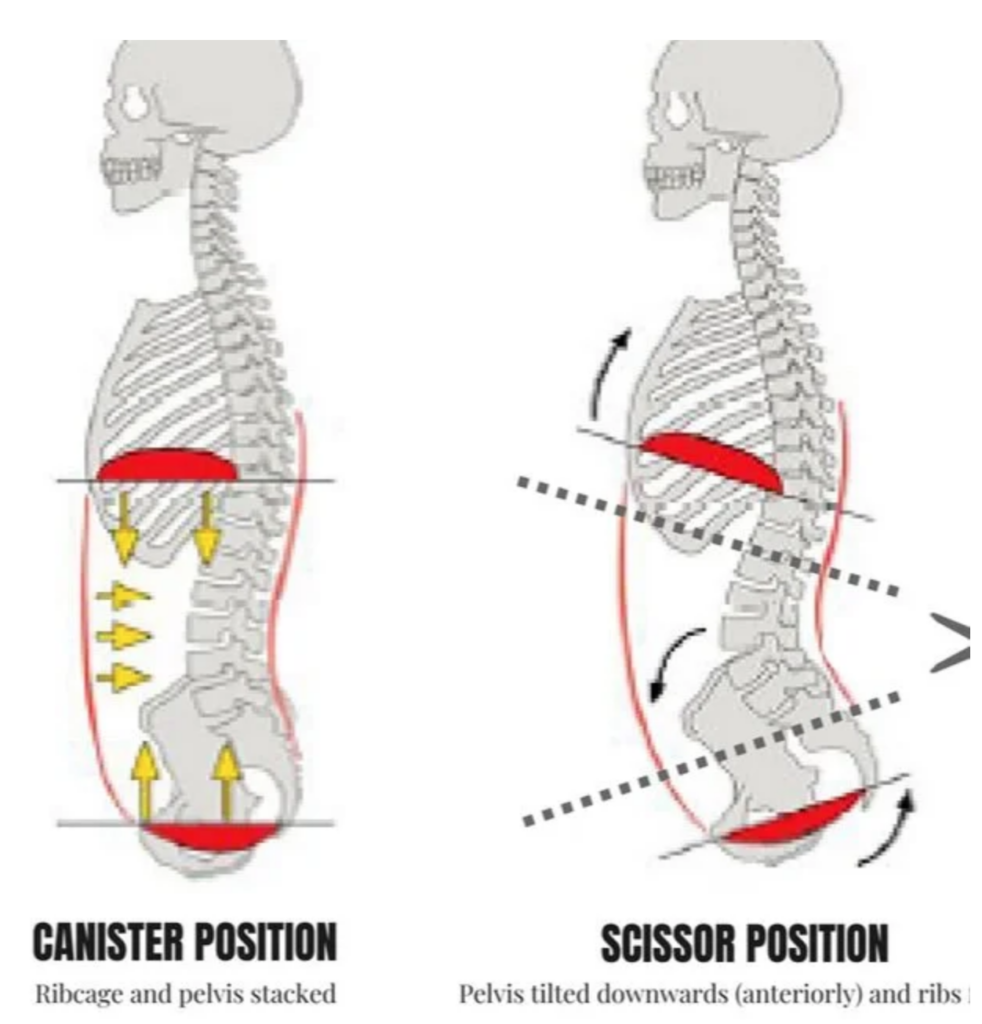
The transition from "rest-only" protocols to "active rehabilitation" is rooted in the understanding that the core is a functional unit, not a collection of isolated muscles. Clinical experts, including Dr. Sarah Duvall, founder of the Pregnancy & Postpartum Corrective Exercise Specialist program, emphasize that the postpartum body requires a systematic rebuilding of the "canister"—the anatomical relationship between the diaphragm at the top and the pelvic floor at the bottom, supported by the abdominal wall and spinal stabilizers.
The Mechanics of the Canister Position
The foundational element of modern postpartum recovery is the "canister position," which refers to the vertical alignment of the ribcage over the pelvis. During pregnancy, the growing fetus often necessitates a postural shift characterized by an anterior pelvic tilt and a flared ribcage. If these postural compensations persist postpartum, they can impede the functional efficiency of the diaphragm and the pelvic floor.

In a neutral canister position, the diaphragm and pelvic floor sit parallel to one another. During inhalation, the diaphragm moves downward, and the pelvic floor should respond by lengthening and expanding. During exhalation, the diaphragm moves upward, and the pelvic floor naturally lifts and contracts. This synchronized movement is essential for managing intra-abdominal pressure (IAP).
When a woman "bears down" or holds her breath during physical exertion without this synchronization, the resulting pressure can exacerbate pelvic floor issues or hinder the healing of Diastasis Recti. Consequently, the first phase of postpartum training is no longer viewed as a race to return to pre-pregnancy weights, but rather a dedicated period of "reconnecting" the core through positional breathing drills.
A Chronological Framework for Postpartum Strength Integration
The timeline for returning to strength training is highly individualized, but clinical consensus suggests a phased approach that prioritizes stability and mechanics over intensity.
Phase I: The Immediate Recovery (0–6 Weeks Postpartum)
This period focuses on healing and low-impact movement. The primary goal is the restoration of basic breathing patterns. Specialists recommend 360-degree breathing, where the inhale expands the ribs laterally and posteriorly, rather than solely into the belly. This ensures that the pelvic floor is not subjected to excessive downward pressure before the connective tissues have begun to heal.
Phase II: Functional Reconnection (6–12 Weeks Postpartum)
Once medical clearance is obtained, the focus shifts to "re-patterning" movements. This includes exercises like the "deadbug," which teaches the athlete to maintain a stable trunk while moving the extremities. The emphasis here is on the "exhale on exertion" principle, ensuring that the pelvic floor is supported during the most challenging portion of a movement.

Phase III: Progressive Loading (3–6 Months and Beyond)
This phase marks the return to resistance training. Contrary to older myths that suggested heavy lifting should be avoided indefinitely, modern protocols suggest that progressive overload is necessary to strengthen the pelvic floor. Like any other muscle group, the pelvic floor must be trained to handle load. Exercises such as the goblet squat and the deadlift are reintroduced, with a strict focus on maintaining the canister position to prevent "rib flare" or "butt winking," both of which disrupt the pressure-management system.
The Limitations of Isolated Kegel Exercises
While the original article highlights the frustration of the "Kegels-only" approach, clinical data supports the need for a more diverse movement profile. Research indicates that women who engage in dedicated pelvic floor muscle training (PFMT) are approximately 17% less likely to report urinary incontinence. However, when Kegels are performed in isolation without regard for the rest of the kinetic chain, they can lead to an "overactive" or "hypertonic" pelvic floor.
A hypertonic pelvic floor is one that is constantly contracted and unable to relax or lengthen. This lack of range of motion can cause pain and dysfunction just as easily as a "weak" pelvic floor. By integrating pelvic floor work into larger movements like squats and hinges, the muscles learn to contract and relax dynamically in response to varying levels of force.
Data-Driven Insights and Clinical Responses
The medical community has begun to respond to the demand for more rigorous postpartum standards. Organizations such as the American College of Obstetricians and Gynecologists (ACOG) have updated their guidelines to emphasize that physical activity in the postpartum period is not only safe but essential for mental health and cardiovascular recovery.
"Strength training is the cement that holds the rehabilitation together," states one perspective in the field. This sentiment reflects a growing consensus among physical therapists that "lifting things" is a functional necessity for mothers, who must frequently lift infants, car seats, and groceries. Training the body to handle these loads in a controlled environment (the gym) reduces the risk of injury during daily life.
Furthermore, a 2020 study published in the Journal of Women’s Health Physical Therapy found that resistance training did not worsen pelvic organ prolapse symptoms when performed with proper technique. In fact, many participants reported an improvement in their "functional confidence," suggesting that the psychological benefits of strength training are as significant as the physiological ones.
Broader Implications for Women’s Health
The shift toward strength-based postpartum recovery has broader implications for long-term women’s health. By addressing pelvic floor and core dysfunction early, women may reduce their risk of chronic back pain and severe pelvic floor disorders later in life, particularly during the transition to menopause when hormonal changes can further affect tissue elasticity.
The integration of professional coaching and specialized corrective exercise courses, such as those provided by Dr. Sarah Duvall, signals a professionalization of the postpartum fitness space. No longer is postpartum exercise viewed as a "light" version of real training; it is now recognized as a specialized field of sports medicine that requires an understanding of respiratory mechanics, pressure systems, and progressive overload.
Conclusion: The Necessity of Functional Loading
The modern approach to postpartum fitness can be summarized as a progression from "breathing to lifting." By establishing a solid foundation through positional breathing and the canister model, women can safely transition to resistance training that challenges the body and builds resilience.
The frustration expressed by many in the fitness industry regarding the "Kegels-only" narrative is rooted in a desire for better outcomes for postpartum athletes. As the industry continues to evolve, the goal remains clear: to move beyond the limitations of traditional recovery and empower women to regain their strength, function, and confidence through evidence-based, progressive movement. Strength training is not a "risk" to be avoided postpartum; when applied with precision and timing, it is the very tool that ensures long-term pelvic and structural health.

