

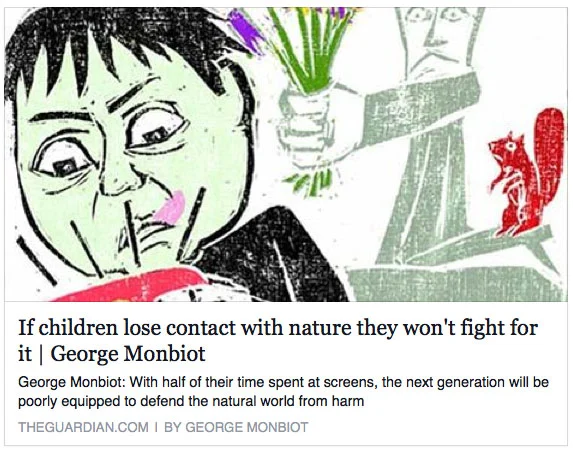
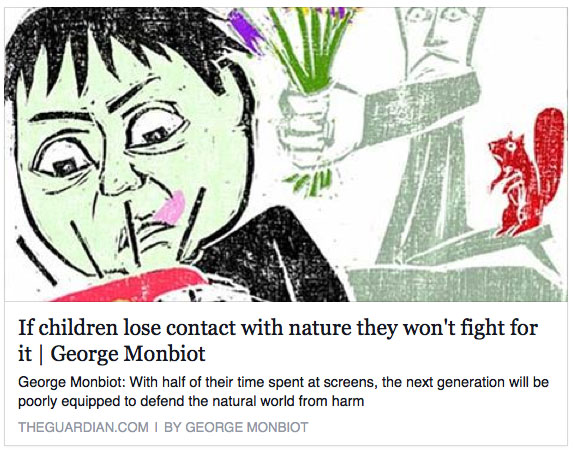
The assertion that a generation of children, increasingly immersed in digital realms, risks losing its connection to the natural world, thereby imperiling future environmental stewardship, has ignited a significant discourse. This sentiment, prominently articulated by George Monbiot in a 2012 Guardian article titled "If Children Lose Contact With Nature They Won’t Fight For It," posits a direct correlation between screen time and a diminished capacity for ecological advocacy. While the core premise—that a profound connection to nature is fundamental to its protection—resonates deeply, the attribution of this perceived disconnect solely to the proliferation of digital technology warrants a more nuanced examination. The societal shifts that have altered children’s engagement with the outdoors are multifaceted, and paradoxically, digital platforms may also hold keys to fostering renewed nature connection.
The Shifting Landscape of Childhood and Nature Engagement
The premise of Monbiot’s argument stems from an observable trend: children today spend demonstrably less time engaged in unstructured outdoor play than previous generations. This phenomenon is not an isolated incident but a symptom of broader societal transformations that have occurred over the past several decades.
Timeline of Declining Outdoor Play and Rise of Digital Media:
- Mid-20th Century: Outdoor play was a dominant form of childhood recreation. Concerns about child safety and supervision were less pronounced, and the prevalence of electronic media was minimal.
- Late 20th Century (1980s-1990s): The advent of personal computers and early video games began to introduce screen-based entertainment into households. Simultaneously, increasing parental concerns about child safety, coupled with stricter zoning laws and the decline of public spaces conducive to free play, began to limit children’s unsupervised outdoor excursions. Studies from this era began to note a gradual decrease in outdoor activity.
- Early 21st Century (2000s-Present): The explosion of the internet, smartphones, tablets, and sophisticated gaming consoles has dramatically altered the landscape of childhood leisure. The ubiquity of these devices, coupled with the continued influence of safety concerns and urban sprawl, has led to a significant reduction in time spent by children in natural environments. Data from organizations like the U.S. Centers for Disease Control and Prevention (CDC) and the UK’s National Trust have consistently highlighted this trend, with reports indicating a substantial decline in outdoor recreation hours per week for children over the past two to three decades. For instance, a 2015 report by the National Trust found that children in the UK spend, on average, half the time outdoors compared to their parents at the same age.
This shift is often characterized by what some researchers term "nature deficit disorder," a concept popularized by Richard Louv in his 2005 book of the same name. While not a formal medical diagnosis, the term encapsulates the observed negative consequences for children’s physical, mental, and spiritual well-being stemming from a lack of exposure to nature. These consequences can include higher rates of childhood obesity, attention deficit hyperactivity disorder (ADHD), depression, and anxiety, alongside a diminished sense of wonder and ecological literacy.
The Digital Dilemma: A Double-Edged Sword
Monbiot’s critique, while valid in its concern, places a significant emphasis on the role of "on-screen engagement" as the primary antagonist. This perspective, while understandable given the visual prominence of digital devices, risks oversimplifying a complex interplay of factors. It overlooks the potential of these very same digital tools to serve as conduits for nature connection.
Data and Trends in Digital Media Consumption by Children:
- Ubiquity of Devices: By the mid-2010s, a significant percentage of households in developed nations had multiple internet-connected devices. Children, even at young ages, have become adept users of smartphones, tablets, and computers. Pew Research Center data from the U.S. has consistently shown high rates of internet access and device ownership among children and teenagers.
- Nature-Related Digital Content: The digital sphere is not solely populated by passive entertainment. A vast ecosystem of nature-related content exists, including high-definition documentaries, interactive educational apps, virtual reality experiences of natural landscapes, citizen science platforms that allow users to contribute to environmental data collection, and social media groups dedicated to wildlife observation and ecological advocacy.
The argument that screens inherently disconnect children from nature fails to acknowledge the diverse nature of screen engagement. Just as books, in their analog form, served as gateways to natural exploration for previous generations, digital media can function similarly today. For individuals, like the author of the original opinion piece, who grew up in environments where direct interaction with nature was challenging (e.g., the "prickly" desert of Arizona), books were the initial spark for a lifelong passion. Today’s digital equivalents—richly illustrated e-books, interactive nature encyclopedias, or even virtual tours of remote ecosystems—can offer an equally potent, and perhaps even more accessible, entry point for curiosity.
Reimagining Connection: The Potential of Digital Nature Engagement
The core of Monbiot’s argument—that "If Children Lose Contact With Nature They Won’t Fight For It"—is undeniably true. A personal, felt connection with the natural world is a powerful catalyst for conservation efforts. We are, as the original author posits, "all of the land, and belong to it," whether consciously acknowledged or not. The challenge lies in how this message is conveyed in the contemporary context.
Instead of lamenting the rise of digital media, a more constructive approach involves integrating nature connection into our digital lives. This perspective suggests that the "little screens" can be part of the solution, not just the problem.
Strategies for Digital Nature Connection:
- Mindful Online Engagement: When engaging online, individuals can consciously maintain a connection to their physical selves and their immediate surroundings. This could involve using sensory language and imagery in digital communication, remembering that online interactions involve real human beings situated within specific environments, and actively seeking out content that grounds digital experiences in the natural world. For instance, a nature photographer sharing their work online is not disconnecting viewers from nature but potentially inspiring them through vivid depictions.
- Leveraging Technology for Education and Advocacy:
- Citizen Science Apps: Platforms like iNaturalist or eBird allow users to document and share observations of flora and fauna, contributing valuable data to scientific research and fostering a sense of participation in ecological monitoring.
- Virtual Expeditions: High-quality documentaries and virtual reality experiences can transport users to diverse ecosystems, offering immersive encounters with nature that might otherwise be inaccessible due to geographical or financial limitations.
- Online Communities: Social media groups and forums dedicated to environmental issues can facilitate dialogue, organize campaigns, and connect like-minded individuals, fostering a sense of collective agency for environmental action.
- Bridging the Digital and Physical Divide: Technology can be used to enhance real-world nature experiences. For example, augmented reality apps can overlay information about plants and animals onto a live view of the environment, enriching a hike or nature walk. Geocaching, a treasure hunt game using GPS coordinates, often leads participants to explore natural areas.
The Broader Implications for Environmental Stewardship
The debate over children’s connection to nature and the role of technology has significant implications for the future of environmentalism. If a generation fails to develop a deep appreciation for the natural world, the will to protect it will likely diminish.
Analysis of Implications:
- Conservation Funding and Policy: A populace disconnected from nature may be less inclined to support conservation initiatives, leading to reduced funding for environmental protection agencies and national parks. Public pressure for environmentally sound policies could wane.
- Environmental Literacy: A lack of direct experience with natural systems can lead to a deficit in understanding ecological principles, making it harder for individuals to grasp the complexities of environmental challenges like climate change and biodiversity loss.
- Personal Well-being: The benefits of nature exposure extend beyond environmental advocacy. Studies have consistently linked time in nature to improved mental health, reduced stress, enhanced cognitive function, and increased physical activity. A continued disconnection risks a broader societal decline in well-being.
Official Responses and Expert Perspectives
While Monbiot’s article sparked considerable debate, it is part of a larger body of work and discussion among educators, psychologists, and environmentalists. Many organizations and individuals are actively working to address the perceived nature deficit.
- Educational Initiatives: Schools and environmental organizations are increasingly developing programs that incorporate outdoor learning and nature-based education. Examples include forest schools, nature camps, and curricula that emphasize hands-on ecological exploration.
- Policy Recommendations: Advocacy groups are pushing for policies that prioritize access to green spaces in urban planning and encourage outdoor recreation for children.
- Research into Nature’s Benefits: Ongoing scientific research continues to validate the profound positive impacts of nature exposure on human health and development, providing a strong evidence base for the importance of fostering this connection.
Conclusion: A Call for Integrated Connection
The fundamental concern that children must connect with nature to become its future protectors is irrefutable. However, the pathway to that connection in the 21st century is not a simple rejection of digital technology. It requires a more sophisticated understanding of how technology can be harnessed as a tool for engagement, education, and inspiration.
The challenge is not to eliminate screens but to cultivate a balanced approach where digital experiences complement and, in some cases, even facilitate, a deeper appreciation for the tangible, sensory world. By embracing the potential of multimedia and online platforms to convey the mystery and magic of the natural world, and by consciously imbuing our own online interactions with a grounded connection to the earth, we can work towards ensuring that future generations not only understand but also deeply cherish and actively defend the planet they inhabit. The goal is not to choose between the digital and the natural, but to find ways to weave them together into a richer, more profound tapestry of human experience and ecological responsibility.

