

What happens within hours of eating a high-fat meal? Our arteries, often described as the conduits of life, are inextricably linked to our overall health and longevity. The aging process, while inevitable, can be significantly influenced by our lifestyle choices. A diet rich in unhealthy fats and a sedentary existence can accelerate adverse aging mechanisms within our cells. Specifically, these lifestyle factors can compromise the function of mitochondria, the cellular powerhouses responsible for energy production. This impairment can lead to an increase in free radical formation, oxidative stress, and chronic inflammation. These interconnected processes, in turn, can result in the dysfunction of our arterial walls, ultimately increasing the risk of cardiovascular disease, a leading cause of mortality worldwide.
Landmark research, first highlighted approximately a decade ago, has provided compelling evidence that a single high-fat meal can have a profound and immediate negative impact on arterial function. Studies have demonstrated that within hours of consumption, the ability of arteries to dilate and contract normally can be significantly impaired. In stark contrast, a low-fat meal, even one high in refined carbohydrates, does not appear to elicit the same detrimental effects. This crucial distinction underscores the specific role of dietary fat in triggering these acute vascular changes.

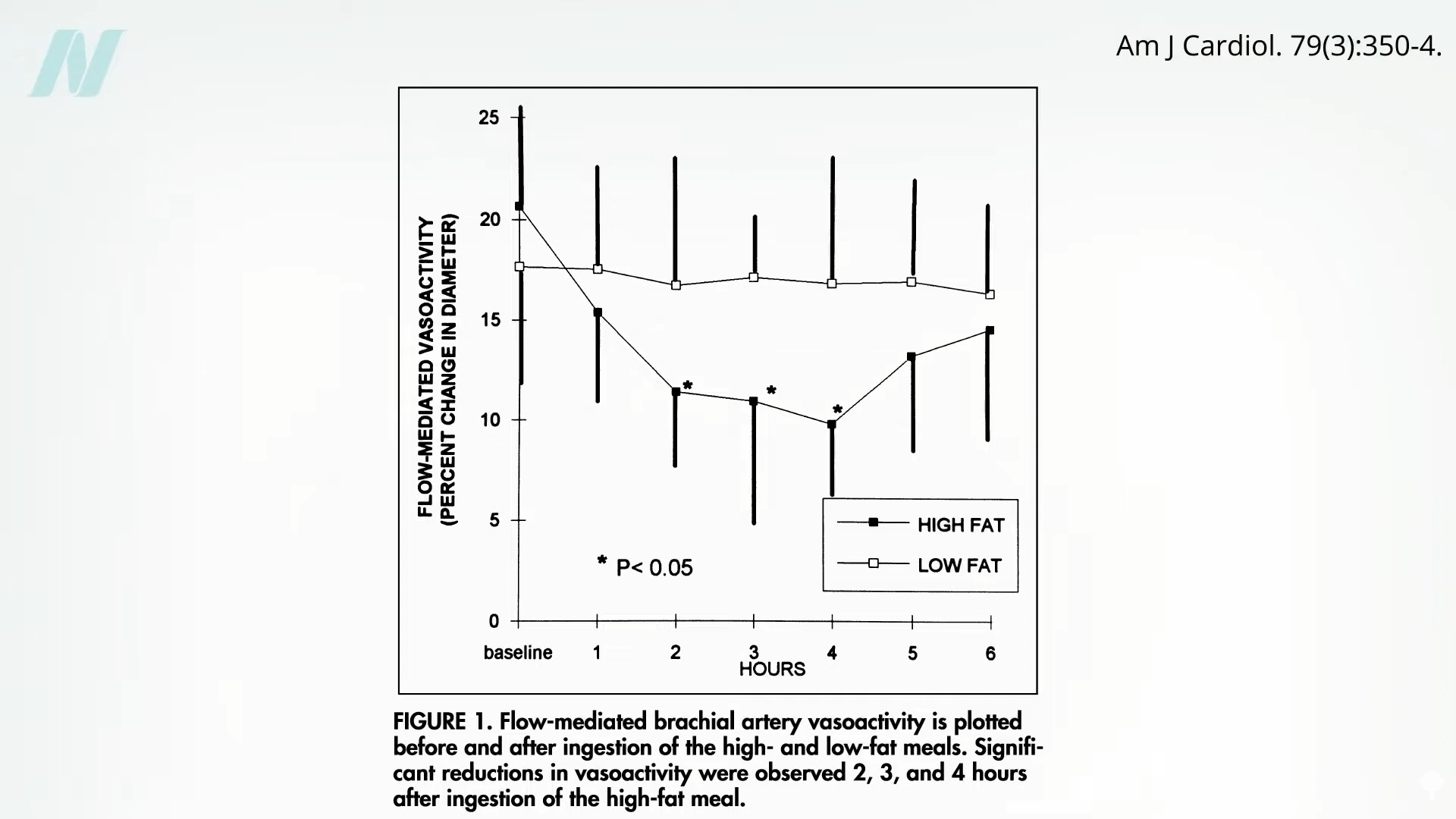
One seminal study, published in the esteemed journal Circulation, investigated the immediate postprandial effects of different meal compositions on endothelial function, a key indicator of arterial health. Participants in this study consumed either a high-fat breakfast or a low-fat breakfast. The high-fat meal, notably consisting of McDonald’s Sausage and Egg McMuffins, was found to significantly reduce flow-mediated dilation (FMD) of the brachial artery, a standard measure of endothelial function. FMD represents the artery’s ability to widen in response to increased blood flow, a crucial mechanism for maintaining healthy circulation. Within hours of consuming the high-fat meal, the participants exhibited a marked decrease in FMD, indicating compromised arterial responsiveness. The researchers observed that this impairment persisted for several hours, suggesting a sustained negative impact.
Intriguingly, the comparison meal, a high-carbohydrate, low-fat option comprising Frosted Flakes, did not produce the same adverse effects on arterial function. This finding suggests that the detrimental impact observed was not solely attributable to the presence of carbohydrates or the overall caloric content of the meal, but rather to the specific composition of fats. The study’s methodology allowed researchers to isolate the effects of fat, demonstrating its potent ability to disrupt normal vascular physiology shortly after ingestion. The precise components within the high-fat meal—whether the saturated fat in the sausage, the cholesterol from the eggs, or other lipid-rich ingredients—were not definitively pinpointed as the sole culprits, but the overall high-fat content was clearly implicated.
The implications of these findings are particularly concerning given typical modern dietary patterns. For many individuals, the period following a meal is not a time of recovery for the arteries, but rather a repeated assault. If a high-fat meal is consumed for breakfast, its negative effects can linger for several hours. Then, as lunchtime approaches, another meal, potentially also high in fat (comprising meat, eggs, dairy, or oils), is consumed. This cyclical pattern of high-fat intake means that the arterial system may be in a state of compromised function for a significant portion of the day. With individuals spending approximately 16 hours a day in a postprandial state, this constant "hammering" of the arteries can contribute significantly to the development of chronic cardiovascular conditions. This may explain, in part, why cardiovascular disease remains the leading cause of death globally, claiming an estimated 17.9 million lives annually, according to the World Health Organization.
Beyond the Heart: Impact on Respiratory Health
The adverse effects of high-fat meals extend beyond the arterial system of the heart and are also observed in the respiratory tract. Research indicates that acute dietary fat intake can trigger inflammation in the airways, potentially exacerbating pre-existing respiratory conditions and even impacting lung function in healthy individuals.
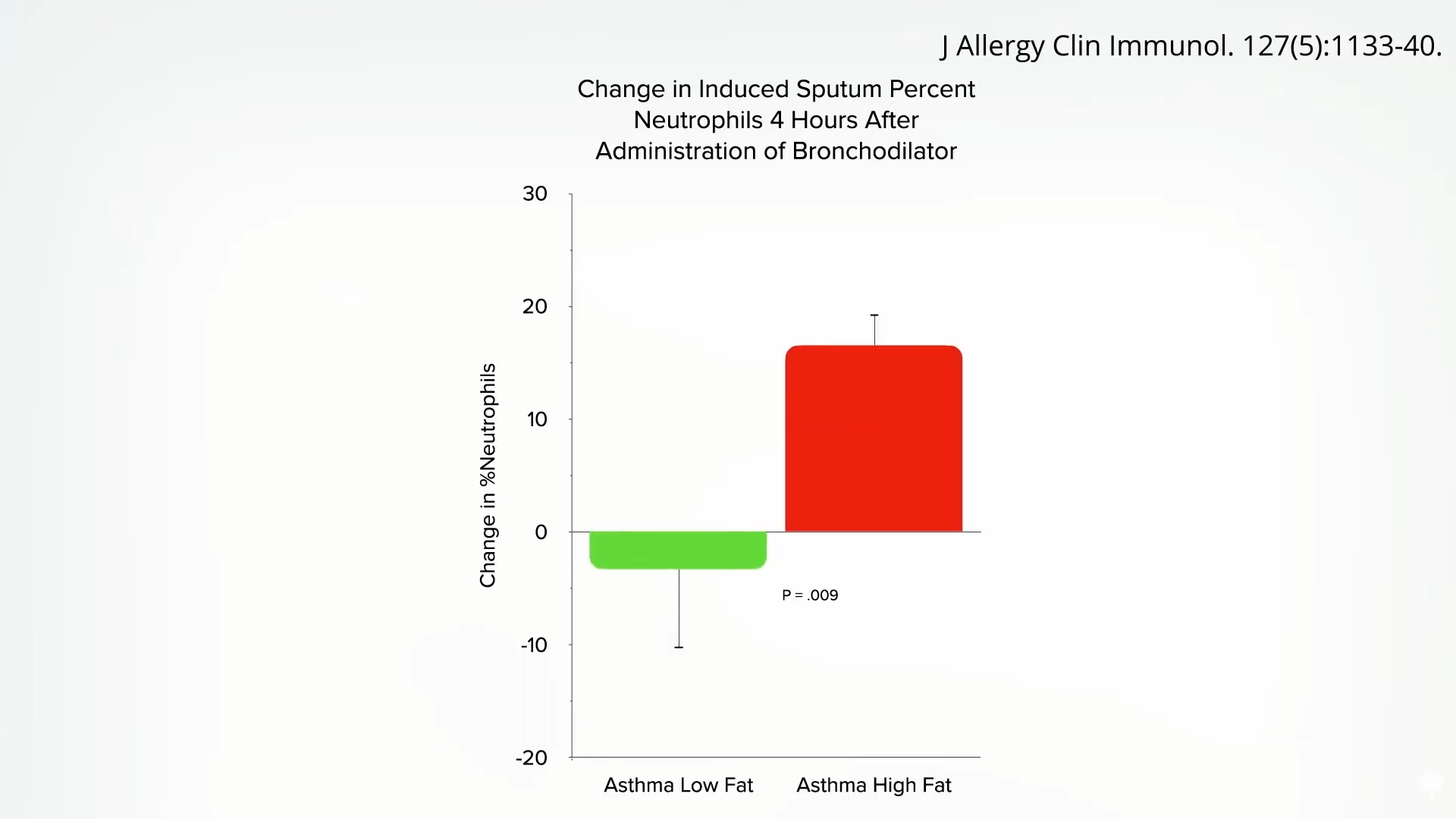
A study focusing on individuals with asthma revealed that a high-fat meal challenge led to increased airway inflammation and impaired bronchodilator recovery. Sputum analysis, collected from the lungs of participants four hours after consuming a high-fat meal, showed a significant increase in inflammatory cells compared to those who consumed a low-fat meal. This suggests that dietary fat can directly contribute to the inflammatory processes within the lungs, a critical factor in conditions like asthma, which affects an estimated 300 million people worldwide.
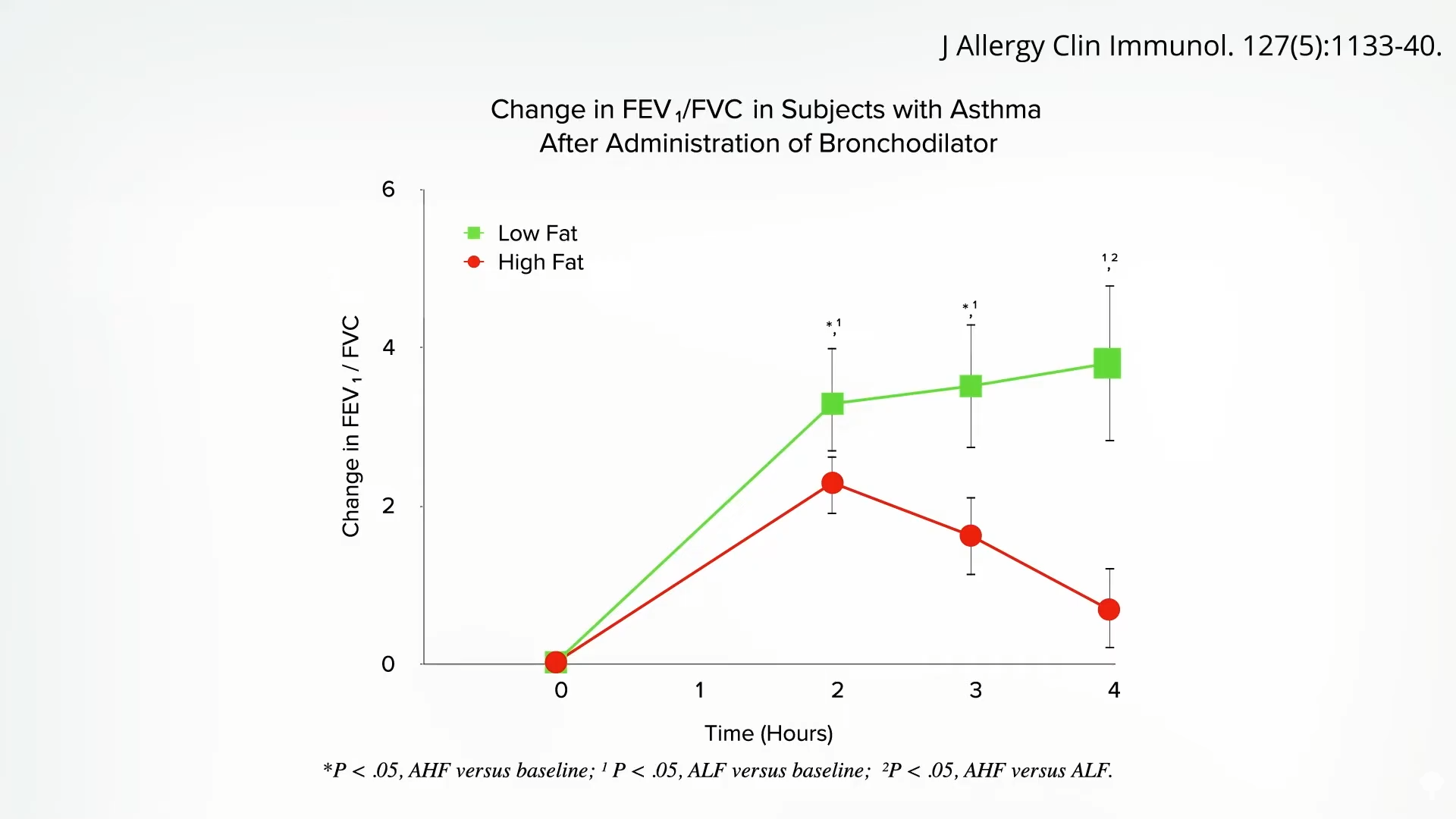
Furthermore, the study investigated the impact of this inflammation on lung function. When individuals with asthma were administered their usual doses of bronchodilator inhalers (containing medications like albuterol or Ventolin), their airways opened up effectively following a low-fat meal. However, after consuming a high-fat meal, the same inhaler doses proved less effective. The inflammatory environment in the lungs, exacerbated by the dietary fat, hindered the ability of the medication to relax the airway muscles, leading to a diminished bronchodilator response. This finding highlights a crucial, yet often overlooked, link between diet and respiratory health, demonstrating that what we eat can directly influence how well we breathe.
Endotoxins and Oxidized LDL: A Double Threat
The inflammatory response triggered by high-fat meals is not limited to individuals with respiratory conditions. Researchers have found that even individuals without asthma experience a spike in inflammatory cells in their sputum after consuming a high-fat meal. This was observed in a study where participants consumed a Jimmy Dean’s Meat Lover’s breakfast bowl, a meal known for its high saturated fat and processed meat content.
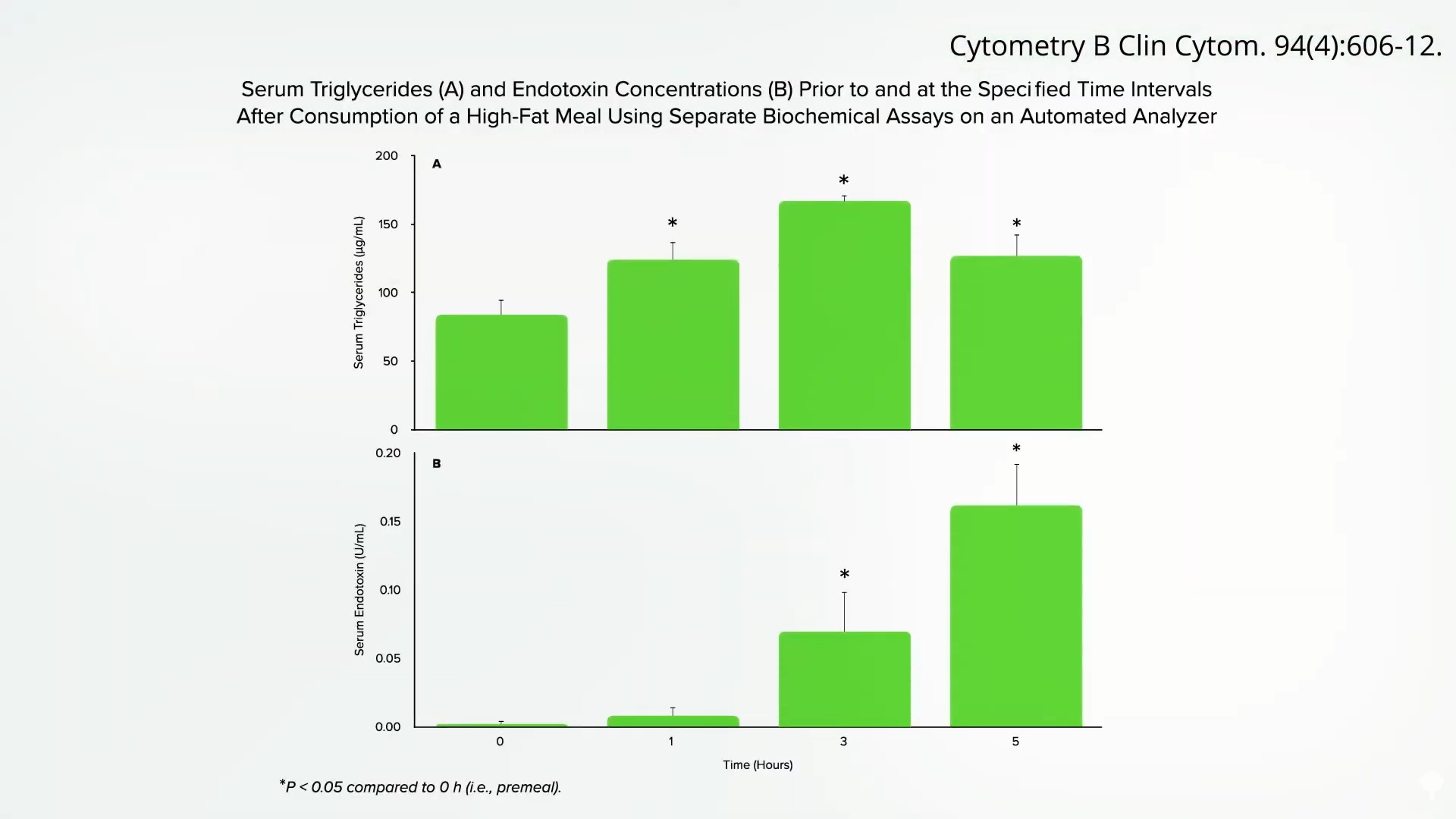
Beyond the increase in inflammatory cells, a significant finding was the doubling of pro-inflammatory oxidized low-density lipoprotein (LDL) cholesterol. This oxidized LDL is then readily absorbed by specific types of white blood cells, known as macrophages. These macrophages, engorged with oxidized LDL, transform into foam cells. Foam cells are a hallmark of atherosclerosis, the buildup of fatty plaques within artery walls, which can lead to inflammation, arterial narrowing, and ultimately, heart attacks. This entire cascade of events, from increased fat in the blood to elevated endotoxin levels and the formation of foam cells, can occur within hours of consuming a single high-fat meal, such as a slice of pizza.
The Role of Endotoxins and the Fat Itself
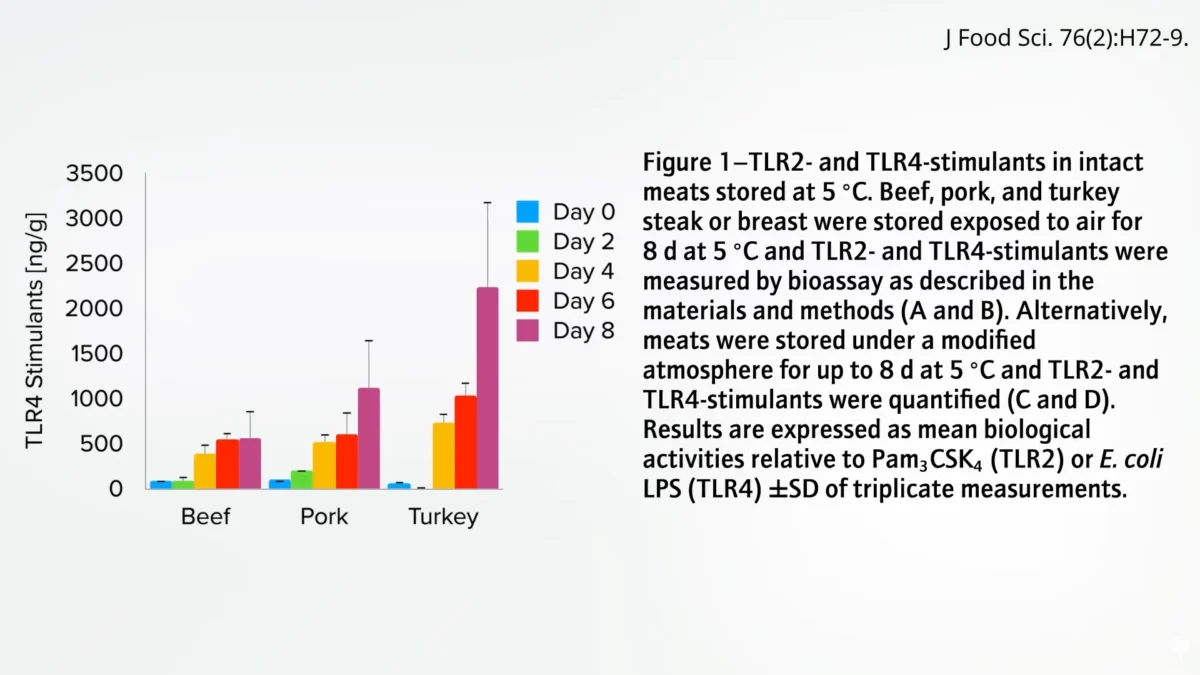
Endotoxins are components of bacterial cell walls that can trigger a potent inflammatory response in the body. Foods, particularly meats, can be contaminated with bacteria, both alive and dead, leading to the accumulation of endotoxins. Studies have indicated that both red and white meats can be significant sources of these inflammatory agents. This suggests that the presence of endotoxins in high-fat meals could be a primary driver of the observed inflammation and subsequent arterial damage.
However, more recent research, published in 2020, has begun to challenge the sole attribution of these effects to endotoxins. This emerging evidence suggests that the fat itself, particularly saturated fat circulating in the bloodstream after an unhealthy meal, may be directly inducing inflammation. The saturated fat molecules may interact with cellular pathways in a way that promotes an inflammatory response, independent of bacterial contamination. While the precise mechanisms are still under investigation, this shift in understanding suggests a more direct and potent role for dietary fat in initiating inflammatory processes.
Regardless of whether endotoxins or the fat itself are the primary culprits, the conclusion remains consistent: our dietary choices have a profound and immediate impact on our vascular health. Each meal we consume plays a role in shaping the risk factors for chronic metabolic diseases. This ongoing accumulation of risk, driven by frequent consumption of high-fat meals, contributes significantly to the global burden of diseases like heart disease, stroke, and type 2 diabetes.
Broader Implications and Future Directions
The implications of these findings are far-reaching. They underscore the critical importance of dietary education and public health initiatives aimed at promoting healthier eating habits. Understanding the acute effects of food on our bodies can empower individuals to make more informed choices.
This research forms the foundation for a three-part series exploring the impact of saturated fat and fast food. The subsequent parts delve into strategies for mitigating these risks: one focusing on the role of exercise in protecting arteries from the effects of fast food, and another examining specific foods that can help protect arteries from saturated fat. These complementary pieces aim to provide a comprehensive understanding of dietary impact and actionable advice for improving cardiovascular and respiratory health.
The discussion around dietary fat also intersects with ongoing debates regarding the health implications of various fat sources, such as butter. While some studies have suggested a more nuanced role for saturated fat than previously understood, the overwhelming evidence points to the detrimental acute and chronic effects of high-fat meals, particularly those found in processed and fast foods, on arterial function and overall health.
In conclusion, the science is increasingly clear: what we eat matters, and it matters quickly. The hours following a high-fat meal trigger a cascade of physiological events that can compromise our arterial health and respiratory function. By understanding these immediate impacts, we can move towards a future where dietary choices are recognized not just as a matter of personal preference, but as a critical determinant of long-term well-being and a powerful tool in the fight against chronic disease. The consistent message from research is that a diet rich in whole, unprocessed foods, with a mindful approach to fat intake, is paramount for maintaining a healthy body and a longer, more vibrant life.

