

Benign prostatic hypertrophy (BPH), commonly known as an enlarged prostate, affects a significant portion of the male population, leading to a range of bothersome lower urinary tract symptoms. While medical interventions exist, their effectiveness is often hampered by side effects and patient non-compliance, prompting a growing interest in natural dietary approaches. Emerging research highlights the potential of cranberries and pumpkin seeds as promising natural remedies for managing BPH, offering an alternative or complementary strategy to conventional treatments.
The Widespread Impact of Benign Prostatic Hypertrophy
BPH is a non-cancerous enlargement of the prostate gland that commonly occurs as men age. The condition is remarkably prevalent, with studies indicating that over half of men in their 50s and at least 70% of men over the age of 60 experience its effects. This glandular growth can compress the urethra, the tube that carries urine from the bladder out of the body, leading to a variety of uncomfortable and disruptive symptoms. These can include a frequent urge to urinate, especially at night (nocturia), a weak or interrupted urine stream, difficulty initiating urination, and a feeling of incomplete bladder emptying.
The burden of BPH extends beyond mere physical discomfort. The persistent need to urinate can significantly disrupt sleep patterns, leading to fatigue and reduced quality of life. Furthermore, the implications of BPH can be more severe. In some cases, untreated or poorly managed BPH can contribute to urinary tract infections, bladder stones, and acute urinary retention, a medical emergency requiring immediate intervention.
Limitations of Conventional BPH Treatments
Current medical management of BPH typically involves pharmacotherapy or surgical interventions. Medications, such as alpha-blockers and 5-alpha-reductase inhibitors, are designed to relax the bladder neck muscles or shrink the prostate gland, respectively. While these treatments can be clinically effective in alleviating symptoms, they are not without their drawbacks.
A significant concern associated with these medications is their potential for adverse side effects. These can include dizziness, fatigue, headache, and, notably, sexual dysfunction, such as decreased libido, erectile dysfunction, and ejaculatory problems. These side effects can be particularly distressing for men and often lead to poor patient adherence to treatment regimens. Indeed, studies have reported low compliance rates, with many patients discontinuing their medication due to these undesirable outcomes. The psychological impact of these side effects, which can include depression, further complicates the management of BPH and underscores the urgent need for alternative solutions.
When pharmaceutical treatments fail to provide adequate relief or when symptoms are severe, surgical options are often considered. The most common procedure is a transurethral resection of the prostate (TURP), where excess prostate tissue is removed through the urethra. While effective, TURP is an invasive surgery with its own set of risks, including bleeding, infection, and potential long-term urinary incontinence or erectile dysfunction. The existence of these significant side effects and compliance challenges associated with conventional treatments fuels the search for safer and more accessible management strategies.
Dietary Patterns and Prostate Health: A Historical Perspective
Observational studies have long hinted at a connection between diet and prostate health. Population-based research suggests that diets characterized by low animal protein intake and a high consumption of fruits and vegetables may be protective against certain prostate conditions. However, the specifics of this association are nuanced. It’s not simply a matter of reducing all animal protein. Research indicates that eggs and poultry might be more strongly associated with negative prostate health outcomes compared to red meat or dairy. Refined grains have also been implicated. This complex interplay of dietary factors highlights the need for targeted nutritional interventions rather than broad dietary restrictions.

Historically, many cultures have utilized natural remedies for various ailments, including urinary issues. The use of herbs and plant-based foods for medicinal purposes is a practice that predates modern medicine. For instance, the herb saw palmetto has been a subject of extensive research, with over 30 randomized controlled trials investigating its efficacy for BPH. Despite this considerable scientific scrutiny, saw palmetto has largely been found to be ineffective in providing significant relief for BPH symptoms. This finding underscores the importance of rigorous scientific testing for any purported natural remedy, moving beyond anecdotal evidence and traditional uses.
Cranberries: A Traditional Remedy Under Scientific Scrutiny
Cranberries have a long history of use among Native American populations for treating urinary ailments. This traditional knowledge has spurred scientific inquiry into their potential benefits for BPH. Recent research has provided compelling evidence for the efficacy of whole cranberries in alleviating the symptoms associated with an enlarged prostate.
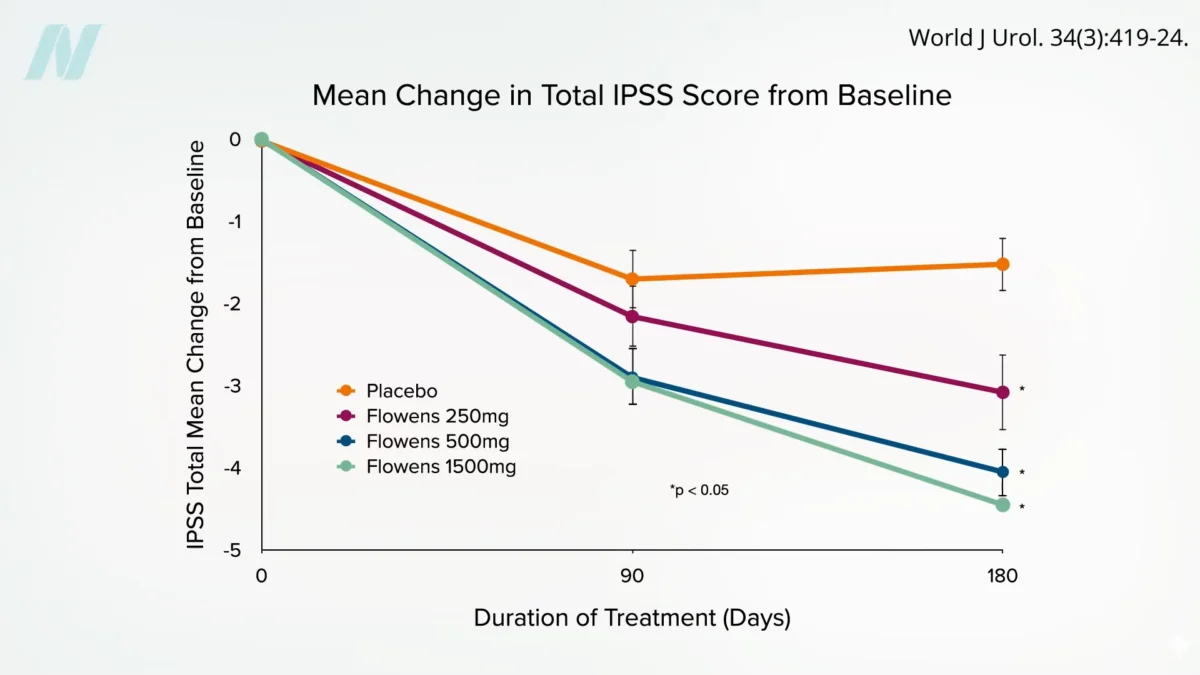
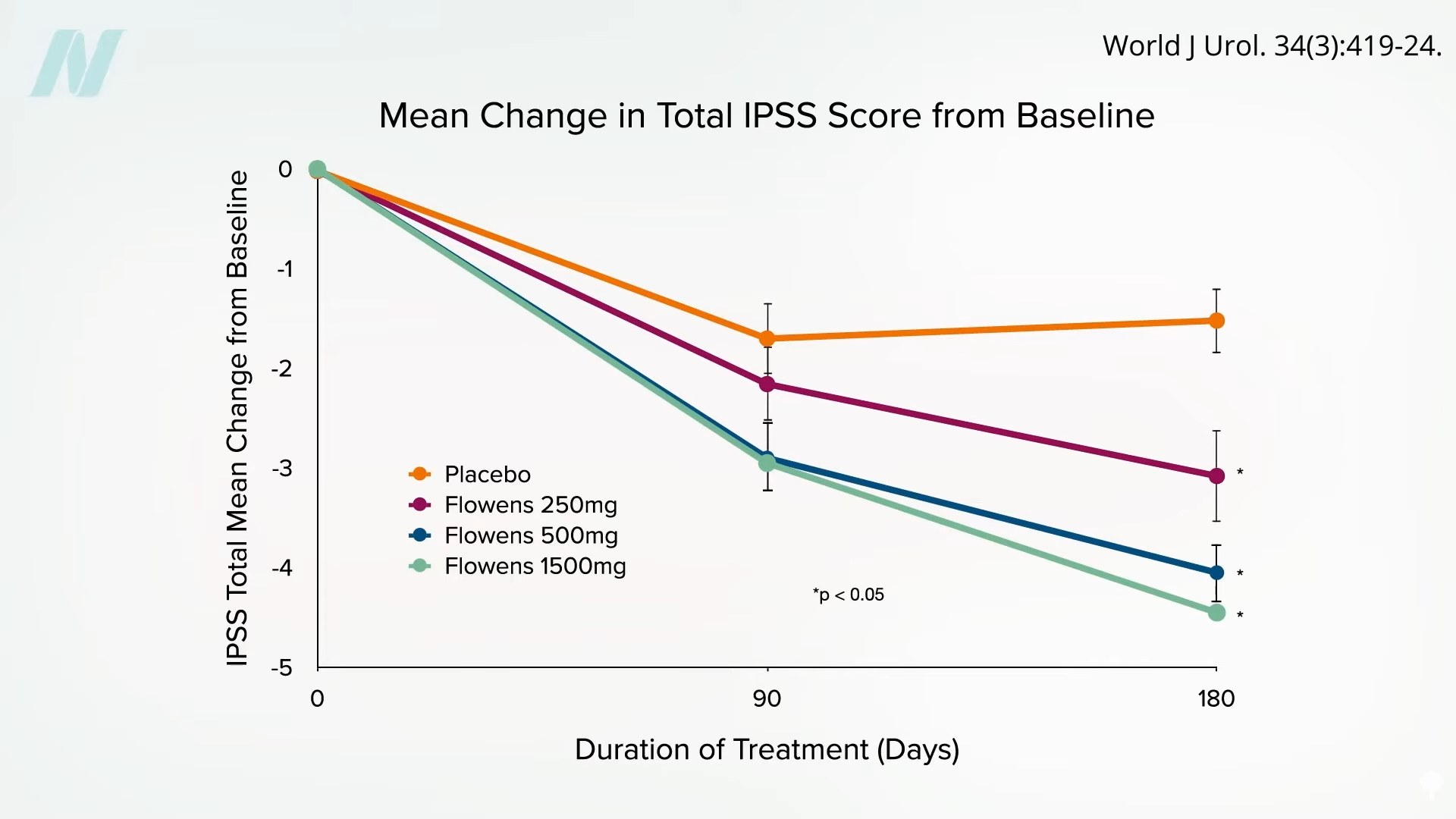
A notable study involving participants experiencing BPH symptoms explored the impact of powdered whole cranberries. Participants who consumed approximately one teaspoon (around 3 grams) of powdered whole cranberries daily reported significant improvements in their BPH symptoms. Crucially, this improvement extended to their quality of life and various urination parameters, suggesting a comprehensive positive effect. It is important to distinguish these whole cranberry powders from sweetened, processed dried cranberries, often referred to as "craisins," which are typically high in sugar and may not offer the same therapeutic benefits.
The study demonstrated a dose-dependent response, indicating that even smaller amounts of powdered cranberries provided some benefit. While a full teaspoon showed the most pronounced effects, a third of a teaspoon and even a sixth of a teaspoon also contributed to symptom improvement. This finding suggests that incorporating even modest amounts of whole cranberry powder into the diet could be a viable strategy for men seeking relief from BPH symptoms. The researchers noted that the study utilized a cranberry supplement, funded by a supplement company, but emphasized that the product was essentially pure cranberry powder. This implies that consumers could achieve similar benefits by purchasing bulk cranberry powder and adding it to beverages or smoothies, potentially at a lower cost.
Conversely, other cranberry-derived products have not shown similar promise. For example, drinking purple grape juice, while a palatable option, did not yield any significant benefits for BPH symptoms in research studies. This reinforces the idea that the specific form and composition of the cranberry product are critical for its therapeutic efficacy.
Pumpkin Seeds: A Seed of Hope for Prostate Health
In addition to cranberries, pumpkin seeds have emerged as another natural food with considerable potential for managing BPH. For centuries, pumpkin seeds have been a staple in folk medicine as a remedy for prostate disorders. In vitro studies, conducted in laboratory settings, have shown that pumpkin seeds can inhibit the growth of BPH prostate cells by as much as 50%. This laboratory finding provided a strong rationale for investigating their effects in human clinical trials.
While initial research involved injecting pumpkin seed extracts into animal models, such as rabbits, the critical question remained: do they work in humans? Emerging evidence suggests that pumpkin seed oil and, more importantly, whole pumpkin seeds, can indeed offer relief.
One study directly compared pumpkin seed oil to prazosin, a commonly prescribed alpha-blocker medication for BPH. The results indicated that pumpkin seed oil performed comparably to the drug in alleviating symptoms. Similar findings were observed when pumpkin seed oil was pitted against terazosin, another alpha-blocker. However, a limitation of these specific comparisons was the absence of a placebo group, making it difficult to definitively attribute the benefits solely to the pumpkin seed oil.
A more comprehensive study directly addressed this limitation by involving over a thousand men. Participants were randomized into three groups: one receiving pumpkin seed extract, another a placebo, and a third consuming approximately one tablespoon (about 7.5 grams) of plain pumpkin seeds daily. This study, though funded by a company producing a BPH supplement, yielded significant insights.
The results were illuminating: the pumpkin seed extract supplement performed no better than the placebo, suggesting that isolated compounds within the oil might not be the sole or primary active agents. However, the group consuming plain pumpkin seeds experienced a notable improvement in their BPH symptoms. This outcome was crucial, as it demonstrated that the whole food – the pumpkin seed itself – was responsible for the therapeutic effect, not just a specific extracted component.
Further research has since indicated that even oil-free pumpkin seed extracts can be effective, further supporting the notion that the whole seed offers a synergistic array of beneficial compounds. Based on these findings, researchers concluded that pumpkin seeds could be recommended for patients experiencing mild to moderate BPH symptoms. This conclusion has been supported by regulatory bodies. The European Medicines Agency, the European equivalent of the U.S. Food and Drug Administration, has acknowledged that pumpkin seeds can be used to relieve lower urinary tract symptoms associated with an enlarged prostate, provided that more serious medical conditions have been ruled out by a qualified healthcare professional.
Broader Implications and Future Directions
The growing body of evidence supporting the use of cranberries and pumpkin seeds for BPH management has significant implications for healthcare. It offers men a more natural and potentially side-effect-free approach to addressing a common and often distressing condition. This aligns with a broader trend towards personalized medicine and the integration of complementary and alternative therapies into mainstream healthcare.
The findings suggest that incorporating specific whole foods into the diet can play a proactive role in prostate health. This empowers individuals to take greater control over their well-being through dietary choices. The accessibility and affordability of these natural options make them particularly attractive, especially in regions where access to advanced medical treatments may be limited.
However, it is crucial to emphasize that these natural remedies should not be viewed as a substitute for professional medical advice. Men experiencing BPH symptoms should always consult with a healthcare provider to receive an accurate diagnosis and discuss the most appropriate treatment plan for their individual needs. While cranberries and pumpkin seeds show promise, their use should be considered within a comprehensive healthcare strategy, especially after ruling out more serious underlying conditions.
Future research could focus on further elucidating the specific bioactive compounds within cranberries and pumpkin seeds responsible for their beneficial effects. Investigating optimal dosages, preparation methods, and long-term efficacy would also be valuable. Furthermore, exploring the synergistic effects of combining these natural remedies with other evidence-based dietary interventions could lead to even more robust therapeutic strategies. The journey towards understanding and harnessing the power of natural foods for men’s health is ongoing, and the recent findings on cranberries and pumpkin seeds represent an encouraging step forward.
Doctor’s Notes: Further Reading and Related Topics
For those interested in exploring other natural approaches to prostate health, the following resources are recommended:
- Flaxseeds vs. Prostate Cancer: This resource delves into the potential of flaxseeds in managing prostate cancer, highlighting their positive side effects and comparable efficacy to certain medications.
- Cranberries vs. Cancer: This video examines the potential role of cranberries in cancer prevention and treatment, offering insights beyond their urinary health benefits.
- Can Cranberry Juice Treat Bladder Infections?: This resource addresses the common question of cranberry juice’s effectiveness in treating bladder infections, providing evidence-based information.

