

The public health community’s eventual success in regulating the food industry, particularly in the case of trans fats, was not a sudden victory but a hard-won battle built on a strategic evolution of public health intervention. While past attempts often faltered under industry opposition, the eventual triumph hinged on a nuanced understanding of consumer behavior, industry incentives, and the power of disclosure. This success, exemplified by the ban on artificial trans fats, offers a compelling case study in navigating the complex landscape of food policy and corporate influence.
The Evolving Landscape of Public Health Intervention
Public health efforts to mitigate the harm caused by risky dietary choices generally fall into three broad categories: informing individuals, nudging their behavior through incentives, or directly intervening to make the unhealthy choice less harmful. Analogy can be drawn to traffic safety: mandating driver education (information), offering insurance discounts for safe driving (nudging), or installing airbags (direct intervention).
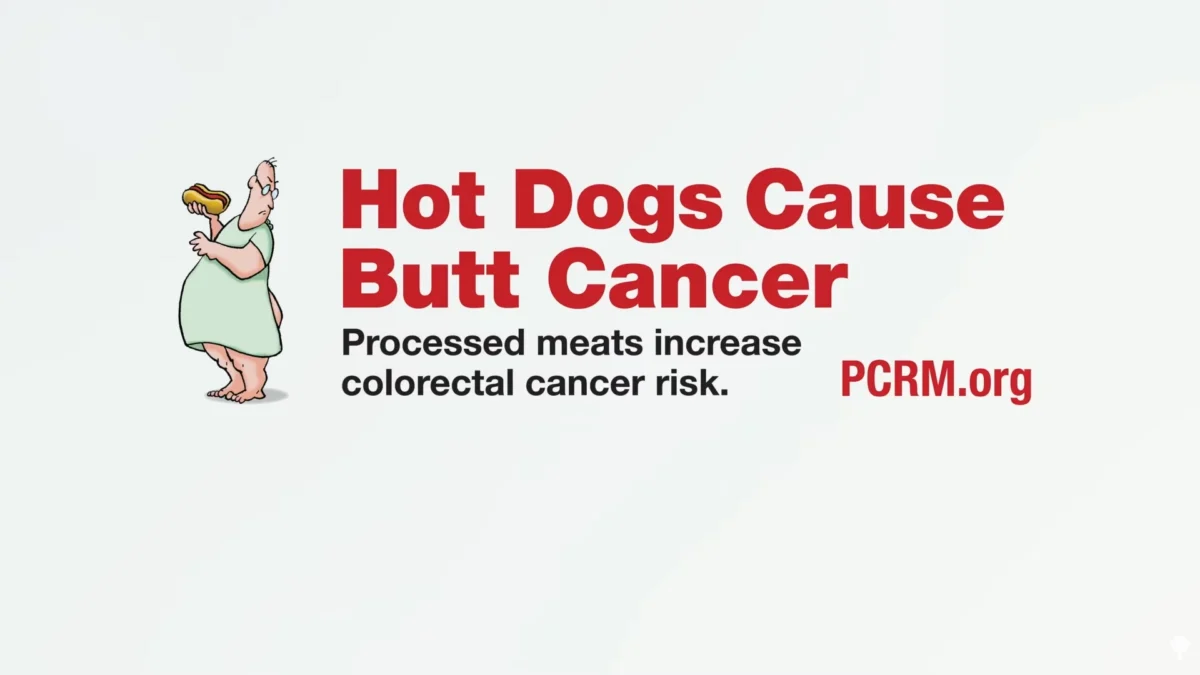
In the realm of nutrition, public education campaigns have been a cornerstone. Initiatives like the "sugar pack" advertisements on public transit aim to inform consumers about the hidden sugar content in beverages. Similarly, stark public service announcements, such as the "Hot Dogs Cause Butt Cancer" billboards, have sought to educate the public about the links between processed meats and serious health issues like colorectal cancer. These campaigns, while raising awareness, often face the challenge of changing deeply ingrained habits and overcoming powerful industry marketing.
The critical question then becomes: is there a more proactive way to ensure products are nutritionally safer from the outset, rather than relying solely on consumer awareness and behavioral modification? The trans fat saga provides a compelling answer.
The Trans Fat Crisis: A Decade of Delay and Devastation
The alarm bells regarding trans fats began ringing in earnest in 1993 with the publication of the Harvard Nurses’ Study. This landmark research revealed a stark correlation: a high intake of trans fat could elevate the risk of heart disease by a staggering 50%. This scientific revelation marked the genesis of the trans fat debate, a debate that would unfold over years, with vastly different timelines across nations.
Denmark, often at the forefront of public health initiatives, took decisive action. Just a decade after the Harvard study’s findings, Denmark implemented a ban on industrially produced trans fats in 2003. This swift regulatory move set a precedent for other nations. However, for the United States, the journey to similar legislation was significantly longer and more arduous. It would take another ten years before the U.S. even began to seriously consider a ban.
During this protracted period of deliberation and inaction, trans fats continued to be a pervasive ingredient in the American food supply, silently contributing to a significant public health crisis. Estimates suggest that tens of thousands of Americans died annually due to conditions linked to trans fat consumption. The human cost was immense, with the years of healthy life lost to diseases such as meningitis, cervical cancer, and multiple sclerosis exacerbated by the widespread presence of these harmful fats. The question lingered: if the evidence of harm was so substantial and the suffering so widespread, why the prolonged delay in even proposing regulatory action in the United States?
The New York City Trans Fat Ban: A Microcosm of National Resistance
The contentious fight over New York City’s pioneering trans fat ban in the mid-2000s served as a potent microcosm of the broader national debate and the formidable opposition the public health community faced. The food industry launched a vigorous defense, decrying the proposed regulations as "government intrusion" and characterizing the city’s efforts as the actions of a "nanny state."
This opposition was not monolithic. The livestock industry, for instance, pointed to the natural occurrence of trans fats in meat and dairy products, echoing arguments from groups like the Institute of Shortening and Edible Oils. Their stance advocated for the principle of moderation, suggesting that all foods, including those with naturally occurring trans fats, should be consumed in sensible quantities. Critics, in turn, disparaged these public health proposals with inflammatory rhetoric, likening them to the "rise of food fascism."
However, proponents of the ban argued that the restaurant and food manufacturing industries themselves were the primary culprits, actively limiting consumer choice by saturating the food supply with these dangerous fats. Their actions, it was argued, undermined the notion of informed consumer choice, as consumers were often unaware of the trans fat content in the products they consumed.
The "Slippery Slope" Argument and Industry Tactics
A common tactic employed by vested corporate interests during regulatory debates is the "slippery slope" argument. Proponents of this strategy suggest that any regulatory action, however well-intentioned, will inevitably lead to a cascade of increasingly restrictive and intrusive government mandates. In the context of the trans fat ban, opponents argued that if the government succeeded in banning added trans fats, what would be next? Would it lead to the government dictating other dietary choices, such as forcing people to eat broccoli?
This hypothetical scenario, dubbed "the broccoli horror" by Supreme Court Justice Ruth Bader Ginsburg, was even invoked in legal discussions, including during the Supreme Court case concerning the Affordable Care Act. While Justice Ginsburg acknowledged the theoretical possibility of Congress mandating increased consumption of plant-based foods, she firmly distinguished this from a credible and realistic threat. Legal scholars have similarly cautioned against allowing such hypothetical analogies to derail rational policy-making, noting that judges and lawyers should not be prone to "skiing to the bottom" of every potential "slippery slope."
The core of the industry’s resistance, as highlighted by public health advocates, was a deliberate strategy to distract from the very real and present danger posed by trans fats – the preventable deaths and illnesses they caused. By focusing on hypothetical future interventions, the industry sought to deflect attention from the immediate need for action to protect public health.

New York City’s Precedent and the Path to National Change
Despite the intense opposition, New York City ultimately prevailed in its trans fat ban, solidifying its reputation as a public health leader. This victory was not an isolated incident; it built upon a history of the city taking proactive measures in advance of federal action. For example, New York banned lead paint 18 years before a federal ban was implemented, demonstrating a willingness to act decisively in the face of clear health risks, even without national consensus.
The impact of New York City’s trans fat ban was quantifiable. Researchers analyzed stroke and heart attack rates before and after the ban’s implementation across different New York counties. Their findings indicated a significant reduction in cardiovascular death rates, estimated at approximately 5%. This success story provided a powerful model and paved the way for the eventual nationwide ban on artificial trans fats years later.
The question remains: how did the public health community manage to achieve this regulatory victory when previous attempts to regulate the food industry had often been stymied? The answer lies in a strategic shift, moving beyond mere consumer education and towards structural changes that altered industry incentives.
The Danish Model vs. the American Approach
In Denmark, the approach to trans fats was direct and unequivocal. As a leading Danish cardiologist aptly stated, "Instead of warning consumers about trans fats and telling them what they are, we’ve [the Danes] simply removed them." This interventionist strategy prioritized eliminating the harmful substance from the food supply.
The American response, however, often grappled with a different philosophy, encapsulated by the adage, "You can put poison in food if you label it properly." This perspective suggests that if consumers are adequately informed about the risks, they should retain the freedom to make their own choices, even if those choices are detrimental to their health. However, this argument hinges on the assumption that consumers are consistently provided with accurate and complete information, a premise frequently undermined by what one health ethics professor described as the food industry’s "model of systemic dishonesty."
Given the industry’s historical predilection for deceptive practices and manipulation, the necessity for government intervention became clear. The challenge, however, was to craft a regulatory approach that could overcome industry resistance and achieve meaningful change.
The Power of Disclosure: A Turning Point
The crucial turning point in the fight against trans fats in the United States came with a mandatory labeling requirement. Manufacturers were compelled to disclose the trans fat content on their products’ nutrition facts labels. While ostensibly designed to inform consumers, this requirement had a more profound and unexpected impact on the producers themselves.
The obligation to reveal the truth about trans fat content created a powerful incentive for companies to reformulate their products. Suddenly, companies were faced with the prospect of publicly advertising their use of a known harmful ingredient. This transparency spurred a scramble to find alternatives and gain a competitive edge by offering "no trans fat" options.
Industry Reformulation: The Unforeseen Catalyst
The impact of mandatory trans fat labeling was swift and dramatic. Within years of the disclosure requirement, over 5,000 products hit the market touting low or zero trans fat content on their labels. Major food corporations, once staunch opponents of regulation, began to adapt. Kentucky Fried Chicken, a company that had faced lawsuits for its high trans fat levels, shifted its marketing strategy. It launched campaigns featuring advertisements where parents informed their children that KFC now offered zero grams of trans fat, accompanied by expressions of enthusiastic approval.
This widespread industry reformulation proved to be the secret weapon in passing the trans fat ban. Once major food industry players had already invested in reformulating their products and had begun to market these changes, the economic stakes of a ban diminished significantly. When the direct financial threat to these companies was lessened, the political will to block the ban eroded. Consequently, added trans fats were effectively removed from the American food supply.
Broader Implications and Future Considerations
The trans fat ban stands as a testament to the power of a well-designed regulatory strategy that leverages industry self-interest. It demonstrated that rather than solely relying on public education or outright prohibition, a mandatory disclosure policy could effectively drive industry change from within. This approach, by altering the competitive landscape and shifting market incentives, ultimately led to a significant public health improvement.
However, it is crucial to acknowledge the limitations of this victory. The ban specifically targeted industrially produced trans fats, leaving untouched the naturally occurring trans fats found in meat and dairy products. The debate over these naturally occurring fats continues, with ongoing research exploring their health impacts and potential regulatory considerations.
Furthermore, the efficacy of other disclosure-based interventions, such as menu labeling of calorie counts, remains a subject of ongoing research and debate. As noted in a related discussion on healthy fast-food options, simply listing calories on menus has not consistently led to consumers making healthier choices. This highlights the complexity of consumer behavior and the need for multifaceted approaches to dietary improvement.
Looking ahead, the public health community continues to grapple with the challenges posed by ultra-processed foods. Rigorous scientific inquiry, as exemplified by upcoming research testing the effects of ultra-processed junk food, will be essential in informing future policy decisions and safeguarding public health in an evolving food environment. The lessons learned from the trans fat ban – the importance of strategic intervention, the power of disclosure, and the necessity of understanding industry dynamics – will undoubtedly continue to shape public health efforts in the years to come.

