

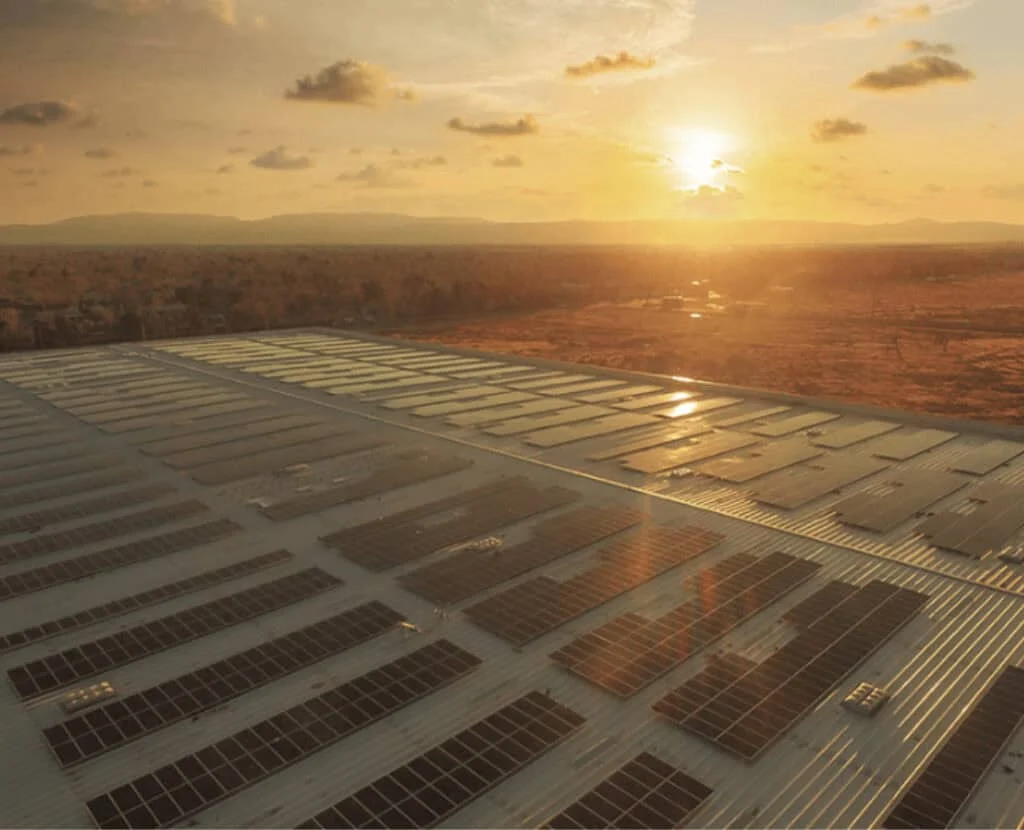
Australia’s energy landscape is undergoing a monumental shift as the nation transitions from a traditional fossil-fuel-dependent grid to a decentralized, renewable-heavy infrastructure. According to the latest data from the Department of Climate Change, Energy, the Environment and Water, renewable electricity generation across the continent has more than doubled over the past decade. This surge is reflected in the Clean Energy Council’s 2024-2025 reports, which indicate that over 40% of Australia’s total electricity is now derived from renewable sources, including solar, wind, hydro, and biomass. As the federal government pushes toward a target of 82% renewable energy by 2030, the role of private innovation in home energy storage and solar technology has become the primary driver of adoption for millions of households.
The Economic and Environmental Drivers of the Energy Transition
The rapid growth of the clean energy sector in Australia is no longer fueled solely by environmental altruism. For many Australian residents, the transition to solar and battery storage has evolved into a strategic financial decision. With retail electricity prices experiencing significant volatility and traditional coal-fired power stations reaching the end of their operational lifespans, energy independence has become a priority for the middle class.
The Australian Energy Market Operator (AEMO) has noted that rooftop solar alone contributes a massive portion of the grid’s capacity during daylight hours. However, the challenge remains in managing the "duck curve"—the imbalance between peak solar production at midday and peak demand in the evening. This has created a booming market for home battery storage systems, allowing homeowners to capture excess solar energy and deploy it when grid prices are at their highest.

A Chronology of Australia’s Renewable Surge
The path to Australia’s current status as a global leader in per-capita rooftop solar installation was paved over two decades of policy shifts and technological breakthroughs.
- 2001–2010: The introduction of the Mandatory Renewable Energy Target (MRET) and various state-based Feed-in Tariffs (FiTs) sparked the initial interest in residential solar. Early adopters benefited from high subsidies, though technology costs remained steep.
- 2011–2017: Solar panel efficiency improved as manufacturing costs in Asia plummeted. During this period, Australia saw a "solar gold rush," with over a million homes installing PV systems.
- 2018–2022: The focus shifted toward storage. High-profile projects, such as the Hornsdale Power Reserve (the original "Tesla Big Battery"), proved the viability of large-scale lithium-ion storage, prompting a surge in residential battery interest.
- 2023–Present: The "Battery Decade" begins in earnest. Government rebates for storage, such as those seen in New South Wales and Victoria, combined with the rise of Virtual Power Plants (VPPs), have made home batteries the new standard for energy-conscious builds.
Leading Clean Energy Brands Shaping the Australian Market
As the market matures, five specific brands have distinguished themselves through reliability, technological innovation, and localized support. These companies represent the spectrum of the industry, from high-end integrated ecosystems to modular, budget-friendly solutions.
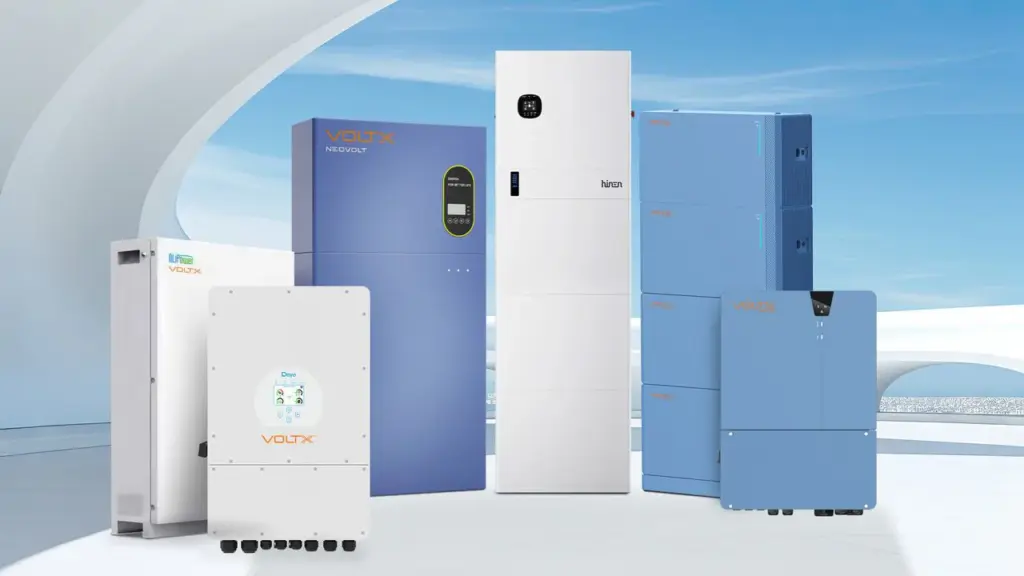
1. VoltX Energy: Local Focus and Integration
VoltX Energy has carved out a significant niche by focusing specifically on the unique demands of the Australian and New Zealand climates. Unlike global conglomerates that offer "one-size-fits-all" products, VoltX has tailored its high-performance home battery systems to handle the extreme temperature fluctuations common in the Australian Outback and coastal regions.
The brand’s reputation is built on making energy storage practical. Their systems are designed for high compatibility, allowing them to integrate with a wide variety of existing solar inverters. This "retrofit-friendly" approach is crucial for the millions of Australians who already have solar panels but lack storage. By offering locally backed technical support, VoltX addresses a major pain point for consumers: the need for reliable after-sales service in a market often flooded with short-lived imports.
2. Tesla Energy: The Ecosystem Benchmark
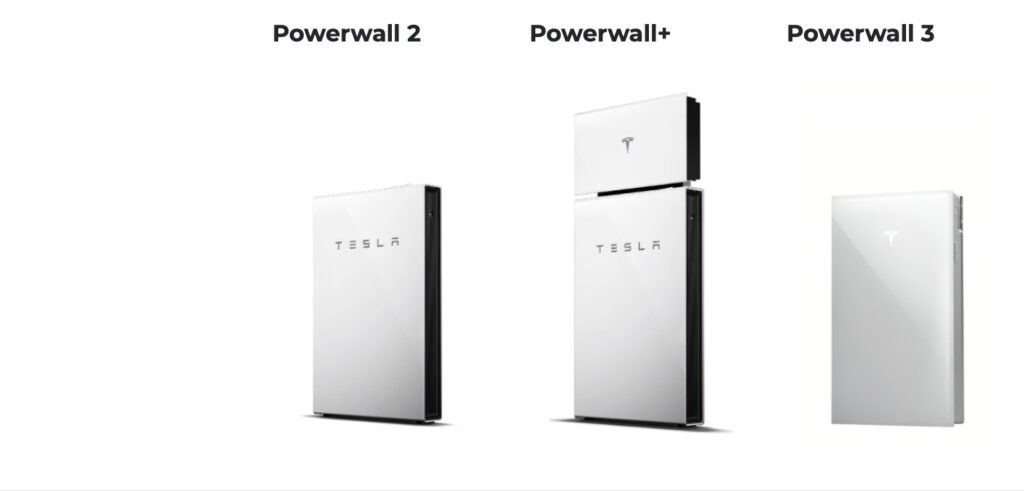
Tesla remains the most recognizable name in the sector, largely due to the Powerwall’s dominance in the lithium-ion battery space. The Powerwall 3, the latest iteration, represents a significant leap in integration by combining a solar inverter and a battery into a single, sleek unit. This reduces installation complexity and improves round-trip efficiency—the measure of energy lost during the charging and discharging process.
Tesla’s primary advantage lies in its software. The Tesla app provides real-time data on energy production and consumption, and its "Storm Watch" feature can automatically prioritize backup power if severe weather is detected. Furthermore, Tesla’s involvement in Virtual Power Plants (VPPs) allows Powerwall owners to sell their stored energy back to the grid during periods of peak demand, effectively turning a home appliance into a revenue-generating asset.
3. SunPower: Efficiency and Longevity
While batteries capture the headlines, the efficiency of the solar panels themselves remains the foundation of any clean energy system. SunPower, utilizing Maxeon cell technology, consistently leads the industry in conversion efficiency. Their panels generate more power per square meter than standard monocrystalline panels, making them the premier choice for urban Australian homes with limited roof space.
SunPower’s value proposition is centered on durability. Their panels are designed to resist the "Light-Induced Degradation" (LID) that plagues cheaper alternatives. Backed by 25-to-40-year warranties, SunPower targets the long-term investor. Industry analysts point out that while the upfront cost is higher, the levelized cost of energy (LCOE) over the system’s life is often lower due to the sustained high output.
4. Fronius: The Intelligence Behind the System
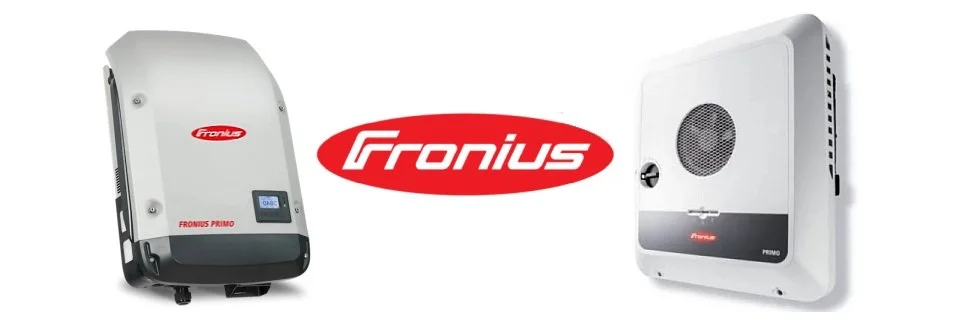
Often referred to as the "brains" of a solar setup, the inverter is responsible for converting DC electricity from panels into the AC electricity used by home appliances. Austrian manufacturer Fronius has become the preferred choice for Australian installers who prioritize technical excellence.
Fronius inverters, particularly the Primo and Symo series, are lauded for their "SnapInverter" design, which simplifies servicing. More importantly, their advanced communication interfaces allow for sophisticated energy management. In a market where the grid is becoming increasingly congested, Fronius’s ability to manage "zero-export" requirements and integrate with various battery brands makes it a versatile cornerstone for any high-end residential energy system.
5. BYD: Modular Scalability and Safety
BYD (Build Your Dreams) has leveraged its massive scale as a global electric vehicle manufacturer to become a leader in stationary energy storage. Their Battery-Box series is unique for its modularity; a household can start with a 5kWh unit and stack additional modules as their energy needs grow, such as when purchasing an electric vehicle.
Crucially, BYD utilizes Lithium Iron Phosphate (LFP) chemistry. Compared to the Nickel Manganese Cobalt (NMC) chemistry used in some other brands, LFP is widely considered safer due to its higher thermal stability and longer cycle life. This makes BYD an attractive option for budget-conscious families who do not want to compromise on safety or the lifespan of their investment.
Technical Analysis: The Shift to Virtual Power Plants
A significant trend identified by the International Energy Agency (IEA) is the transition from passive energy consumers to "prosumers"—individuals who both produce and consume energy. In Australia, this is manifesting through the rise of Virtual Power Plants (VPPs).
A VPP is a network of home batteries coordinated by a central operator to provide services to the grid. When the grid is under stress, the VPP can draw small amounts of power from thousands of individual batteries simultaneously. This reduces the need for "peaker" gas plants and provides homeowners with financial incentives, such as discounted hardware or ongoing credits on their power bills. Brands like Tesla and BYD are at the forefront of this movement, providing the hardware and software necessary to participate in these sophisticated energy markets.
Industry Reactions and Policy Implications
The Clean Energy Council has frequently emphasized that for Australia to meet its 2030 targets, the pace of battery installation must triple. Industry experts suggest that while the technology is ready, the primary barriers remain regulatory hurdles and the need for a more modernized grid.
"The shift we are seeing is unprecedented," says one industry analyst. "We are moving from a world where five or six giant power stations ran the whole country to a world where five or six million homes are running the country. The brands that will win are those that make that complexity invisible to the user."
Federal and state governments have responded with various programs, such as the Solar Homes Program in Victoria and the Battery Incentive in New South Wales. These policies are designed to lower the "payback period"—the time it takes for a system to pay for itself through bill savings—which currently sits between five and nine years for most Australian households.
Broader Impact and Future Outlook
The implications of Australia’s clean energy boom extend beyond lower power bills. The mass adoption of home storage is a critical component of national energy security. By decentralizing the power supply, the grid becomes more resilient to natural disasters and localized failures.
Looking forward, the integration of Vehicle-to-Home (V2H) and Vehicle-to-Grid (V2G) technology is expected to be the next frontier. As more Australians switch to electric vehicles, the "battery on wheels" in the garage will likely work in tandem with home storage systems from brands like VoltX and Tesla, further accelerating the nation’s journey toward a net-zero future.
For the Australian consumer, the message from the current market is clear: the technology is mature, the economic case is robust, and the selection of high-quality providers is more diverse than ever. Whether prioritizing local support, technical efficiency, or modular growth, the tools to achieve energy independence are now firmly within reach.

