


A growing body of research is exploring the potential impact of dietary interventions, specifically the consumption of nuts, on male reproductive health, including erectile function and semen quality. While early studies showed promising results with pistachios, more recent investigations into walnuts, almonds, and hazelnuts present a more nuanced picture, highlighting the complexities of scientific inquiry and the importance of study design.
Early Promise: Pistachios and Erectile Function
The narrative surrounding nuts and male sexual health gained significant traction following a 2013 study that investigated the effects of pistachios on men diagnosed with erectile dysfunction (ED). This research, published in a peer-reviewed journal, involved a cohort of men who consumed approximately 100 grams of pistachios daily for a period of three weeks. The findings indicated a notable improvement in erectile function among the participants who incorporated pistachios into their diet. This outcome was significant because it demonstrated the potential for a whole-food intervention to yield tangible clinical benefits for a common health concern. The observed improvements were attributed to the rich nutritional profile of pistachios, which include healthy fats, vitamins, and minerals, all of which can play a role in cardiovascular health, a critical factor in erectile function.
Expanding the Scope: Walnuts, Almonds, and Hazelnuts Under Scrutiny
Building on the initial findings, subsequent research has broadened to include other popular nuts such as walnuts, almonds, and hazelnuts, examining their effects not only on erectile function but also on sperm count and semen quality. While the scientific exploration of nuts and sexual health has yielded some intriguing results, it has also encountered peculiar detours and highlighted the importance of rigorous study design.
One area of investigation has involved the antioxidant properties of hazelnuts. Studies, including those conducted on laboratory rats, have explored the impact of hazelnut consumption on testicular antioxidant function and semen quality in both young and old male rats. These preclinical studies suggest that hazelnuts may contribute to improved testicular health and the production of higher-quality semen. However, the direct translation of these findings to human health requires further investigation.
Navigating the Medical Literature: Unconventional Findings
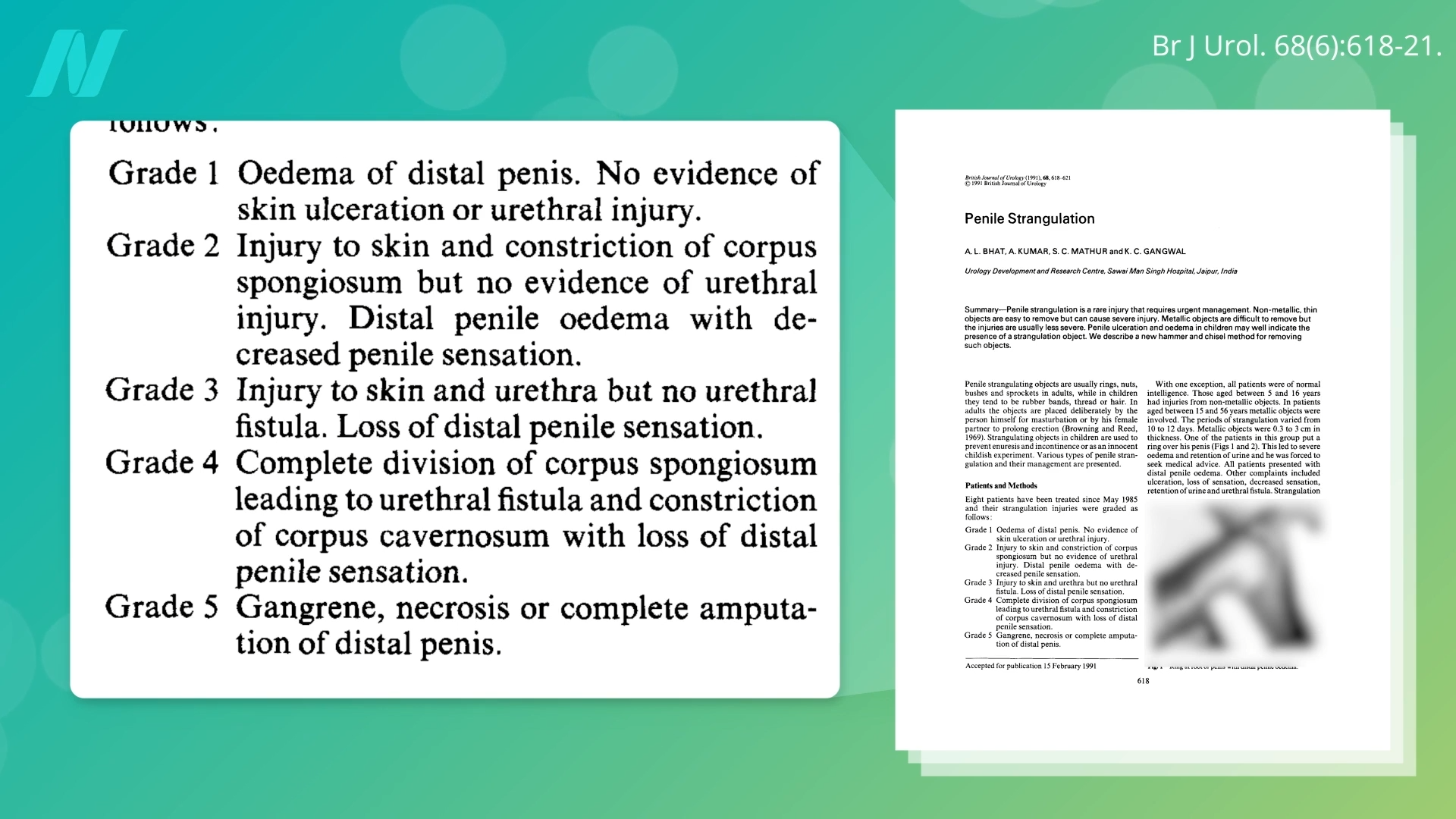
The exploration of nuts in relation to sexual function has, at times, led researchers down unexpected paths. Anecdotal reports and case studies, while not always directly indicative of dietary benefits, underscore the diverse and sometimes extreme ways individuals interact with the concept of "nuts" in relation to sexual health. One such case, documented in medical literature, described a man who experienced penile strangulation with a metal hex nut, which he had reportedly used for sexual pleasure but was unable to remove. This incident necessitated a complex surgical intervention involving a dental drill to safely remove the object. This extreme example, while not directly related to the consumption of edible nuts, serves as a stark reminder of the varied landscape of human sexual behavior and the potential for unintended consequences.
The medical community has developed specific protocols and grading systems for managing cases of penile entrapment, highlighting the recurring nature of such incidents. The need for specialized tools and techniques, ranging from dental drills to diamond disk cutters and even, in extreme scenarios, hammer and chisel, underscores the challenges faced by medical professionals in resolving these situations. These instances, though unusual, contribute to a broader understanding of the anatomical and functional considerations of the male reproductive system.

Observational Data vs. Interventional Trials
Early observational studies have suggested a correlation between nut consumption and a reduced likelihood of erectile dysfunction. One such study indicated that individuals consuming at least one serving of vegetables daily and more than two servings of nuts weekly experienced a more than 50% decrease in the probability of ED. However, it is crucial to distinguish between correlation and causation. Observational studies, by their nature, can identify associations but cannot definitively prove that nut consumption is the direct cause of the observed benefits. Alternative explanations, such as the possibility that individuals who eat nuts also engage in other healthy behaviors like regular exercise, could account for the observed improvements.
To establish a clear cause-and-effect relationship, interventional trials are essential. These studies involve actively manipulating a specific factor (in this case, nut consumption) and observing the effects on a defined outcome.
The Mixed Nut Intervention Trial: A Closer Look
A significant randomized controlled trial aimed to address the need for interventional data by examining the effect of mixed nut consumption on semen quality and functionality. In this study, healthy men were divided into two groups: one consuming a standard American diet, and the other consuming the same diet supplemented with a daily mixture of nuts. The nut supplement consisted of 30 grams of walnuts and 15 grams each of almonds and hazelnuts – a total of 60 grams per day.
The results of this trial revealed significant improvements in several key semen parameters among the men who consumed the nut mixture. These improvements included a higher total sperm count, enhanced sperm vitality, better motility, and a more favorable sperm shape. A particularly noteworthy finding was the observed reduction in sperm DNA fragmentation (SDF) in the nut-consuming group. Sperm DNA fragmentation refers to damage to the DNA within sperm cells, which can negatively impact fertility and increase the risk of miscarriage. The nuts appeared to offer a protective effect on sperm DNA, a benefit that could have substantial implications for male fertility.
Erectile Function and Sexual Desire: A More Complex Picture
While the study provided robust data on semen quality, researchers also investigated the impact of nut consumption on erectile and sexual function. The findings in this area were more complex and warrant careful interpretation. The study reported a significant increase in orgasmic function and sexual desire among the men in the nut group. However, when it came to erectile function, intercourse satisfaction, and overall sexual satisfaction, the results were less conclusive.
The reporting of "significant" increases in orgasmic function and sexual desire, while statistically notable, raised questions regarding their clinical significance, especially given the study’s partial funding by the International Nut and Dried Fruit Council. Critics and analysts often scrutinize studies with industry funding for potential biases. In this instance, the marginal nature of the reported improvements in desire and orgasm, coupled with the absence of significant improvements in erectile function, led to a more cautious interpretation of the overall impact on sexual health.
Reconciling Discrepancies: Age and Baseline Health
The difference in outcomes between the earlier pistachio study and the more recent mixed nut trial can be attributed to several factors, most notably the age and baseline health of the participants. The 2013 pistachio study focused on men aged primarily in their 40s and 50s who had experienced chronic erectile dysfunction for at least a year. In contrast, the participants in the mixed nut trial were significantly younger, with an average age of 24.
It is plausible that younger, healthier individuals with optimal circulation may have less room for improvement in erectile function. Their physiological systems may already be operating at or near their maximum capacity, limiting the potential for dietary interventions to induce further significant enhancements in erectile performance. Conversely, older men with pre-existing conditions affecting blood flow, such as those in the pistachio study, might be more responsive to dietary changes that can improve vascular health.
Implications for Public Health and Future Research
The ongoing research into the effects of nuts on male sexual health underscores the potential of dietary strategies to support reproductive well-being. While the evidence is still evolving, the findings suggest that a balanced diet rich in nuts, as part of an overall healthy lifestyle, may contribute positively to semen quality and, in certain populations, to erectile function.
The distinction between observational data and interventional trials is critical for understanding scientific evidence. While observational studies can highlight potential areas of interest, only well-designed interventional trials can establish causal relationships. The mixed nut trial, despite its nuanced findings on erectile function, provided valuable insights into the protective effects of nuts on sperm DNA.
Future research should aim to:
- Conduct larger, longer-term interventional trials: This would provide more robust data on the sustained effects of various nuts on both erectile function and semen quality across diverse age groups and health statuses.
- Investigate specific nut components: Understanding which specific nutrients or compounds within nuts are responsible for the observed benefits could lead to more targeted dietary recommendations or even therapeutic interventions.
- Explore synergistic effects: Examining how nut consumption interacts with other dietary components and lifestyle factors could offer a more holistic approach to improving male reproductive health.
- Address potential biases: Continued transparency in research funding and rigorous methodology are essential to ensure the objectivity and reliability of findings.
The journey of scientific discovery is often a winding one, characterized by initial promise, subsequent refinement, and evolving understanding. The research on nuts and male sexual health is a prime example of this process, moving from promising early observations to more complex, data-driven investigations that continue to shape our understanding of diet’s profound impact on human health. The takeaway for individuals interested in optimizing their reproductive health is to focus on a balanced, nutrient-dense diet that includes a variety of whole foods, such as nuts, as part of a comprehensive approach to well-being.

