

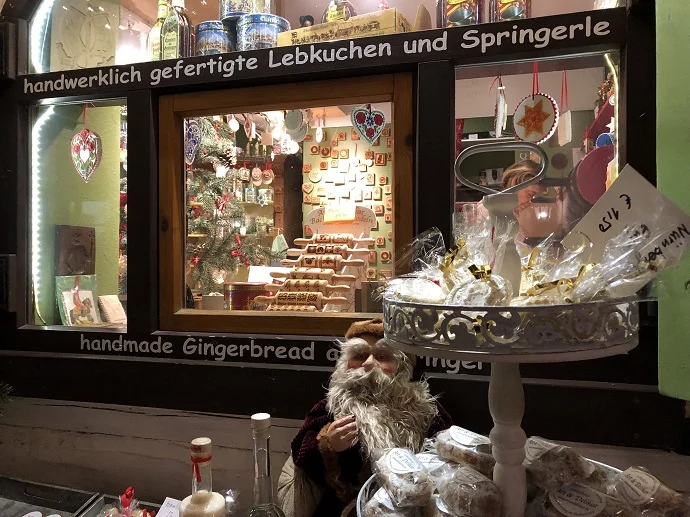
Germany has long been recognized as the epicentre of traditional Western Christmas celebrations, serving as the historical and cultural cradle for many of the customs now observed globally. From the origins of the Christmas tree to the meticulously crafted wooden ornaments of the Ore Mountains, the nation transforms during the four weeks of Advent into a cohesive display of heritage, commerce, and community. For international travelers, the German holiday season offers a unique convergence of sensory experiences, ranging from the olfactory appeal of roasted chestnuts and mulled wine to the visual splendor of medieval town squares illuminated by thousands of fairy lights.
The German National Tourist Board (GNTB) consistently identifies the winter season as a primary driver for inbound tourism. According to historical data, Germany’s Christmas markets alone attract approximately 160 million visitors annually, generating billions of Euros in revenue for local economies. This economic phenomenon is underpinned by seven core pillars that define the German Christmas experience, making it a perennial favorite for those seeking an authentic holiday atmosphere.
1. The Historical Legacy of the Weihnachtsmarkt
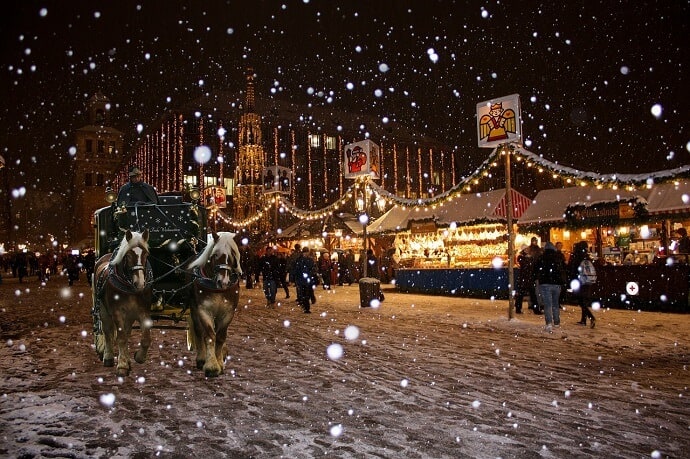
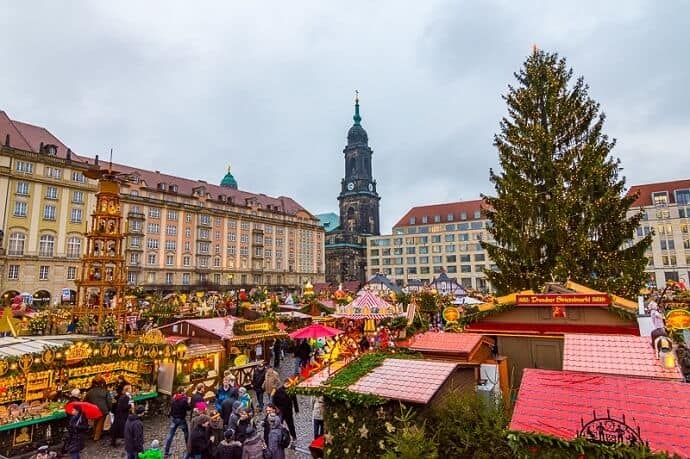
The German Christmas market, or Weihnachtsmarkt, is not merely a seasonal fair but a centuries-old institution. The tradition dates back to the Late Middle Ages in the German-speaking parts of Europe. The Bautzen Christmas Market, first mentioned in 1384, and the Dresden Striezelmarkt, established in 1434, are among the oldest in the world. Originally, these markets served as a vital winter resource where citizens could purchase meat and seasonal supplies to survive the colder months.
Today, major cities like Nuremberg, Munich, and Stuttgart transform their central plazas into sprawling festive villages. The Nuremberg Christkindlesmarkt is perhaps the most famous, governed by strict regulations to ensure that only traditional handmade goods are sold. The "Christkind," a fairy-like figure played by a local young woman, opens the market every year with a formal prologue, a ceremony that draws tens of thousands of spectators. This commitment to historical continuity ensures that visitors experience a sense of timelessness that modern, commercialized celebrations often lack.
2. Culinary Heritage and Regional Gastronomy
The German Christmas season is defined by a specific culinary vocabulary that varies by region but remains consistently high in quality. Beyond the ubiquitous bratwurst, the holiday season introduces specialized baked goods that are protected by geographical indications under European law.
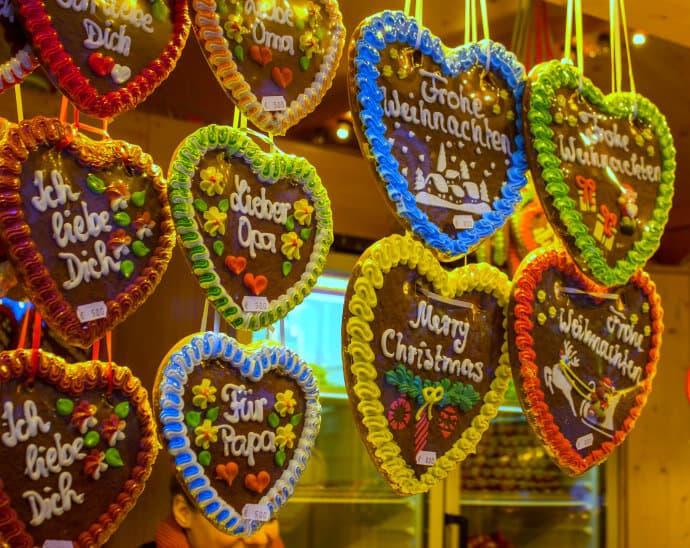
- Lebkuchen: Often compared to gingerbread, Nuremberg Lebkuchen is a spice-heavy treat that has been produced by local monks since the 14th century. Its high nut content and lack of flour in premium varieties (Elisenlebkuchen) make it a sought-after export.
- Stollen: Dresden is the home of Christstollen, a dense fruit bread coated in powdered sugar. The city hosts an annual Stollenfest, where a giant cake—often weighing several tons—is paraded through the streets before being sliced and sold for charity.
- Glühwein: This hot, spiced red wine is the social lubricant of the Christmas markets. It is traditionally served in ceramic mugs that visitors can keep by paying a small deposit (Pfand).
The culinary experience is a significant economic contributor; the German Hotel and Catering Association (DEHOGA) notes that the seasonal demand for traditional ingredients supports thousands of small-scale artisanal bakeries and local farmers across the country.
3. Deep-Rooted Folkloric Traditions
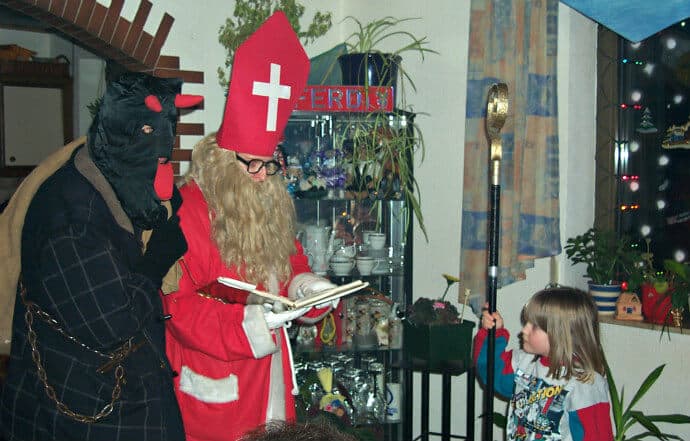
Germany’s Christmas is characterized by a dualistic folklore that balances the benevolent with the cautionary. The celebration of St. Nicholas Day on December 6th remains a cornerstone of the season for German families. Children place a boot (Nikolaus-Stiefel) outside their door on the evening of December 5th, hoping to find it filled with nuts, fruits, and chocolates the following morning.
In contrast to the gentle St. Nicholas, the Alpine regions of Southern Germany and neighboring Austria maintain the tradition of the Krampus. A horned, anthropomorphic figure, the Krampus is said to punish children who have misbehaved. During the Krampusnacht (Krampus Night), men in elaborate, frightening costumes parade through towns in a display of pre-Christian pagan influence that has merged with Christian hagiography. These traditions provide a cultural depth that goes beyond the superficial "Santa Claus" narrative found elsewhere.
4. The Aesthetic Transformation of Historic Urban Centers
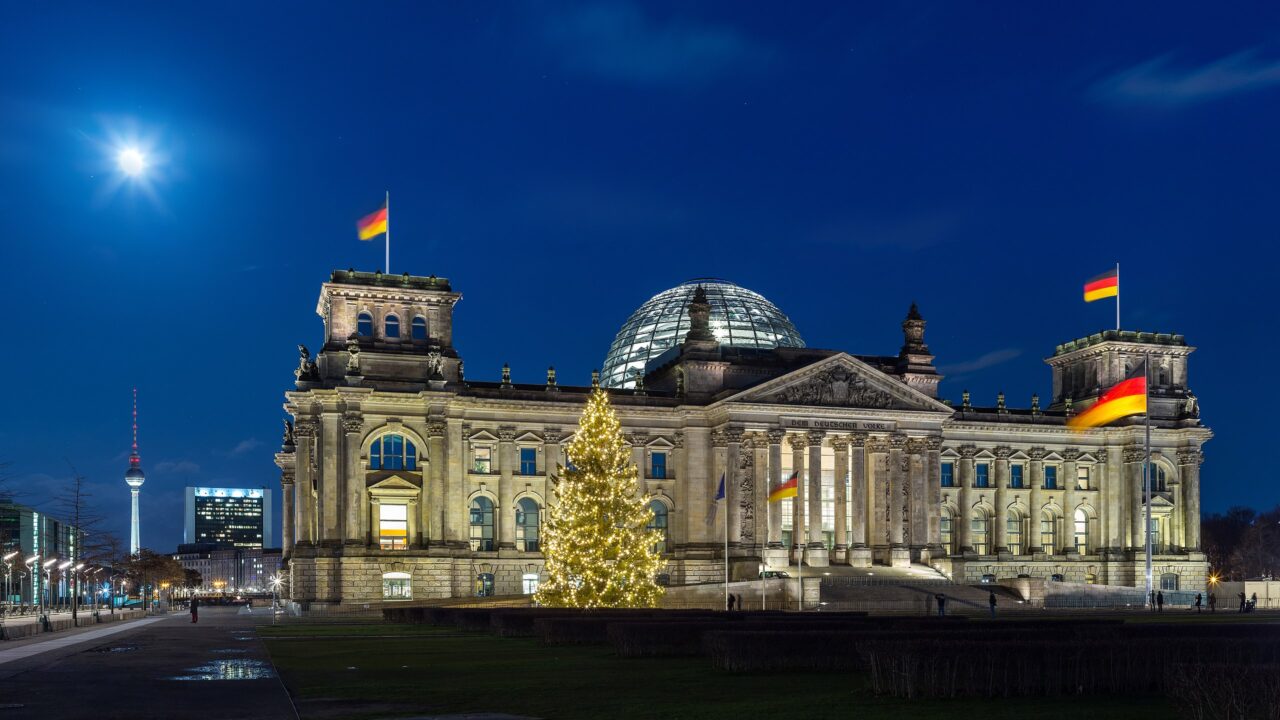
The architectural backdrop of Germany significantly enhances the holiday atmosphere. In cities like Rothenburg ob der Tauber, the medieval timber-framed houses provide a "storybook" setting that requires little additional decoration to feel festive. Berlin, by contrast, offers a more cosmopolitan approach, with over 80 different markets ranging from the traditional Gendarmenmarkt to Scandinavian-themed markets in the Kulturbrauerei.
The "Romantic Road," a scenic route through Bavaria and Baden-Württemberg, becomes a primary corridor for winter tourism. Towns like Goslar and Quedlinburg, both UNESCO World Heritage sites, utilize their narrow cobblestone streets and historic town halls to create intimate, glowing environments. This urban planning, which prioritizes pedestrian-friendly spaces, allows visitors to explore at a leisurely pace, contributing to a sense of psychological well-being and holiday "Gemütlichkeit" (coziness).
5. Technological Integration and Traveler Connectivity
While Germany is deeply protective of its traditions, it has integrated modern technology to facilitate the influx of millions of international tourists. One of the most significant shifts in recent years is the transition toward digital-first tourism infrastructure.
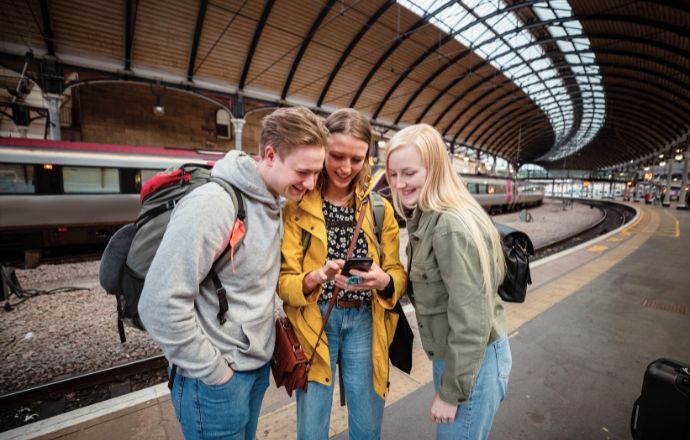
For modern travelers, staying connected while navigating between regional markets in Cologne, Dresden, and Hamburg is essential. The rise of the Germany eSIM has revolutionized the tourist experience, allowing visitors to bypass expensive roaming fees and maintain instant access to real-time train schedules via the Deutsche Bahn (DB) app, digital maps of complex market layouts, and translation tools. This connectivity ensures that even the most remote village markets are accessible to non-German speakers, fostering a more inclusive environment for global tourism.
6. The Synergy of Winter Landscapes and Nature
Germany’s geography provides a diverse range of winter landscapes that cater to both relaxation and adventure. In the south, the Bavarian Alps offer a quintessential "White Christmas" experience. Garmisch-Partenkirchen and the area surrounding Neuschwanstein Castle become hubs for winter sports and scenic hiking.
The Black Forest and the Harz Mountains provide a different aesthetic, characterized by dense evergreens and quiet, snow-dusted trails. These natural settings offer a reprieve from the bustling energy of the city markets. The German government’s commitment to forest conservation ensures that these landscapes remain pristine, providing a vital link between the nation’s cultural identity and its natural environment. For many, the quietude of a snowy German forest is as much a part of the Christmas experience as the lively town squares.
7. Economic Accessibility and Strategic Travel
Despite its reputation as a premier destination, Germany remains relatively accessible for budget-conscious travelers during the holiday season. Most Christmas markets have no entry fee, providing hours of free entertainment in the form of live music, choral performances, and nativity displays.
The German transport network is a key factor in this accessibility. Regional rail passes and the recently introduced "Deutschland-Ticket" (a monthly subscription for local and regional transport) allow visitors to stay in smaller, more affordable towns while commuting easily to major city centers. Furthermore, the cost of high-quality street food at the markets provides a nutritious and affordable alternative to formal restaurant dining, allowing travelers to allocate their budgets toward unique artisanal crafts and souvenirs.
Analysis of Broader Implications
The continued success of Germany’s Christmas season has broader implications for sustainable tourism and cultural preservation. In recent years, there has been a concerted effort to make Christmas markets more environmentally friendly. Many markets have banned single-use plastics, opting instead for the Pfand (deposit) system for mugs and plates. Additionally, there is an increasing focus on "Green Markets" that prioritize organic produce and locally sourced wood for stalls.
Official responses from tourism boards indicate a shift toward decentralization. To manage "over-tourism" in cities like Nuremberg, officials are encouraging visitors to explore "hidden gem" markets in smaller regions. This strategy not only preserves the authentic feel of the markets but also distributes economic benefits more equitably across the country.
As global travel continues to evolve, Germany’s ability to balance its medieval heritage with 21st-century infrastructure ensures its position as the definitive Christmas destination. The combination of historical authenticity, culinary excellence, and logistical ease creates a compelling case for travelers seeking a holiday that is both meaningful and memorable. For those planning a visit, the consensus among travel experts is to embrace a slower pace, utilizing digital tools to navigate the crowds while remaining open to the spontaneous magic of a German winter night.

