

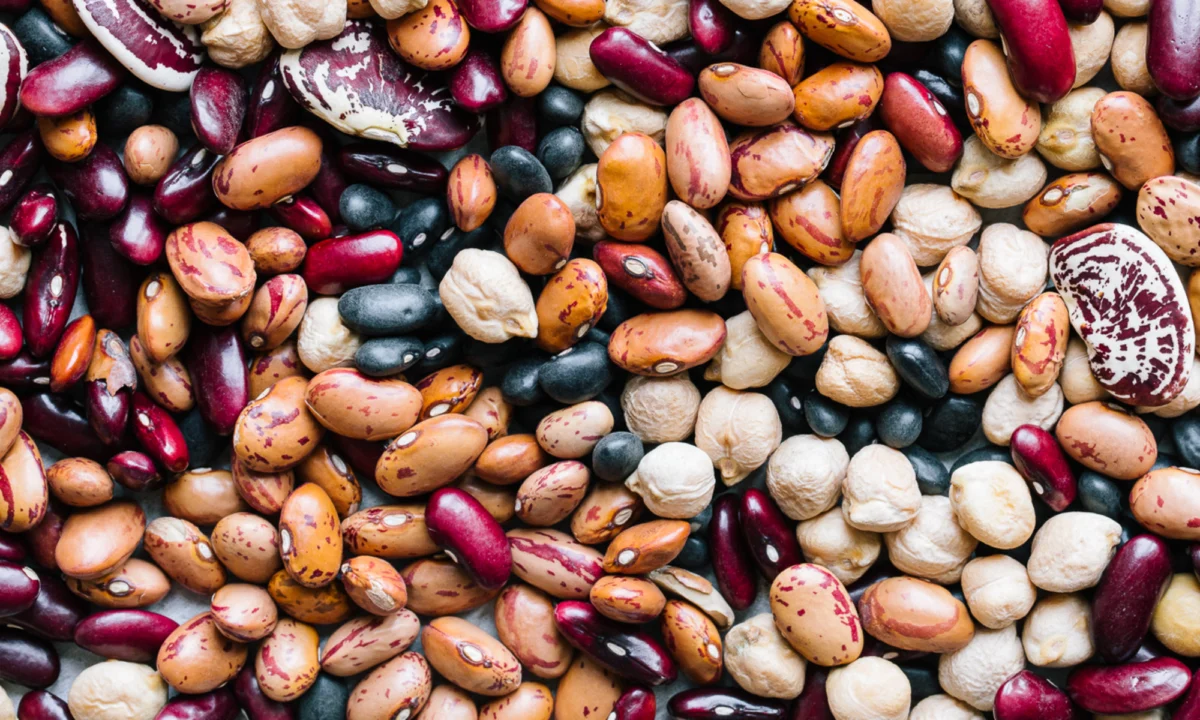
A groundbreaking randomized controlled trial has unveiled the remarkable impact of incorporating a daily serving of beans into the diet, revealing significant improvements in cholesterol levels and inflammation markers, key indicators of cardiometabolic health. Published in the esteemed nutrition journal, this research suggests that the simple act of consuming one cup of black beans or chickpeas daily for a period of 12 weeks can be a potent, accessible, and cost-effective strategy for reducing the risk of chronic conditions such as heart disease and type 2 diabetes. The study, which followed 72 adults diagnosed with prediabetes, provides compelling evidence that these legumes are not merely a dietary staple but a powerful ally in proactive health management.
The Genesis of the Study and its Design
The research initiative, conducted over a 12-week period, was meticulously designed to isolate and quantify the effects of bean consumption on critical health metrics. Participants, all of whom had been diagnosed with prediabetes, were randomly assigned to one of three dietary groups. One group was instructed to consume a daily cup of chickpeas, another a daily cup of black beans, and a control group a daily cup of white rice. This randomized controlled trial methodology is considered the gold standard in scientific research, minimizing bias and allowing for clearer attribution of observed outcomes to the dietary interventions. Researchers diligently monitored a comprehensive panel of biomarkers at three key junctures: at the commencement of the study, at the midpoint, and upon its conclusion. These biomarkers included fasting blood glucose levels, a spectrum of lipid profiles (such as total cholesterol, LDL cholesterol, HDL cholesterol, and triglycerides), and various markers of inflammation, including C-reactive protein (CRP) and interleukin-6 (IL-6). The selection of these specific markers was deliberate, as they are well-established predictors of cardiovascular risk and the development of metabolic syndrome.
Unveiling the Findings: Measurable Improvements
The results of the trial were unequivocally positive for the groups consuming beans. Participants who incorporated a daily cup of either black beans or chickpeas into their diet demonstrated statistically significant reductions in their LDL ("bad") cholesterol levels. This finding is particularly noteworthy, as elevated LDL cholesterol is a primary driver of atherosclerosis, the buildup of plaque in arteries that can lead to heart attacks and strokes. Beyond cholesterol, the study also reported a marked decrease in key inflammatory markers. Chronic inflammation is increasingly recognized as a silent contributor to a wide array of chronic diseases, including cardiovascular disease, type 2 diabetes, and certain cancers. The observed reduction in inflammation suggests that beans possess potent anti-inflammatory properties, further bolstering their role in preventative health.
In contrast, the control group, which consumed white rice daily, did not exhibit comparable improvements in their cholesterol profiles or inflammatory markers. This stark difference underscores the unique benefits conferred by the nutrient composition of beans, distinguishing them from refined carbohydrate sources. The study’s findings are particularly significant given the prevalence of prediabetes globally. Prediabetes is a condition where blood sugar levels are higher than normal but not yet high enough to be diagnosed as type 2 diabetes. It is a critical window for intervention, as lifestyle modifications can often reverse the progression to full-blown diabetes.
The Nutritional Powerhouse: Why Beans Excel
The remarkable health benefits attributed to beans are deeply rooted in their exceptional nutritional profile. They are a rich source of dietary fiber, a component often lacking in modern diets. Specifically, beans are abundant in both soluble and insoluble fiber. Soluble fiber plays a crucial role in cholesterol management by binding to bile acids in the digestive tract, which are then excreted from the body. This process prompts the liver to draw more cholesterol from the bloodstream to produce new bile acids, thereby lowering overall cholesterol levels. Insoluble fiber, on the other hand, aids in digestive regularity and contributes to a feeling of fullness, which can be beneficial for weight management – another crucial factor in metabolic health.
Furthermore, beans are an excellent source of plant-based protein. Protein is essential for numerous bodily functions, including tissue repair, hormone production, and immune function. For individuals seeking to reduce their intake of animal protein, or for vegetarians and vegans, beans offer a complete and sustainable protein source. The combination of fiber and protein in beans also contributes to their low glycemic index (GI). Foods with a low GI are digested and absorbed more slowly, leading to a gradual rise in blood sugar levels rather than sharp spikes. This is particularly advantageous for individuals with prediabetes or diabetes, as it helps to maintain stable blood glucose levels and improve insulin sensitivity.
Beans also provide a significant amount of resistant starch. This type of carbohydrate is not digested in the small intestine and ferments in the large intestine, acting as a prebiotic. Prebiotics nourish beneficial gut bacteria, which are increasingly linked to overall health, including immune function, nutrient absorption, and even mood regulation. The fermentation of resistant starch also produces short-chain fatty acids (SCFAs), such as butyrate, which have been shown to have anti-inflammatory properties and may play a role in gut health and metabolic regulation.
Beyond fiber, protein, and resistant starch, beans are packed with essential vitamins and minerals, including folate, potassium, magnesium, iron, and zinc. Folate is vital for cell growth and DNA formation, while potassium helps regulate blood pressure. Magnesium is involved in hundreds of biochemical reactions in the body, and iron is crucial for oxygen transport. These micronutrients collectively contribute to the overall health and resilience of the body, supporting everything from cardiovascular function to energy production.
Historical Context and Global Significance
The use of beans as a food source dates back thousands of years, with archaeological evidence pointing to their cultivation and consumption in various ancient civilizations, including those in the Americas, the Mediterranean, and Asia. For millennia, legumes have formed the cornerstone of many traditional diets, particularly in regions known for longevity and low rates of chronic disease, such as the Blue Zones. This long history of dietary integration, coupled with their nutritional density, suggests that humans have evolved to thrive on diets rich in legumes.

The current study, therefore, serves to scientifically validate what traditional wisdom and historical dietary patterns have long suggested. In a contemporary global context, where the rising tide of non-communicable diseases, including heart disease and type 2 diabetes, poses a significant public health challenge, the affordability and accessibility of beans make them an exceptionally valuable dietary intervention. Unlike many other health-promoting foods that can be prohibitively expensive, beans are available worldwide in dried, canned, and frozen forms, making them a practical choice for individuals across diverse socioeconomic backgrounds.
Expert Reactions and Implications
Nutritionists and public health advocates have widely welcomed the findings of this study, emphasizing its practical implications for dietary guidelines and public health initiatives. Dr. Anya Sharma, a registered dietitian specializing in cardiometabolic health, commented, "This research provides robust evidence for what we’ve long suspected: beans are nutritional powerhouses that can significantly impact long-term health. The beauty of this finding lies in its simplicity. Encouraging individuals to add just one cup of beans to their daily diet is an achievable goal with potentially profound benefits for preventing chronic diseases."
The implications for healthcare systems are also substantial. By promoting the consumption of beans, healthcare providers and policymakers could potentially reduce the burden of chronic diseases, leading to lower healthcare costs and improved quality of life for the population. The findings offer a clear, evidence-based strategy that can be easily integrated into public health campaigns, dietary recommendations for healthcare professionals, and educational programs aimed at promoting healthy eating habits.
Broader Impact and Future Directions
The findings of this study extend beyond mere cholesterol and inflammation reduction. The improved cardiometabolic health observed in participants can contribute to a reduced risk of developing type 2 diabetes, a condition characterized by insulin resistance and impaired glucose regulation. By helping to stabilize blood sugar levels and improve insulin sensitivity, beans can play a pivotal role in preventing or managing this widespread metabolic disorder.
Furthermore, the study’s focus on prediabetes highlights the potential of beans as a primary prevention tool. Intervening early in the continuum of metabolic dysfunction can prevent the onset of more severe complications and improve overall long-term health outcomes. The economic aspect of bean consumption cannot be overstated. Their low cost per serving makes them an ideal food for promoting health equity, ensuring that individuals from all walks of life can access nutrient-dense foods that support well-being.
Future research could explore the differential effects of various types of beans, investigate the optimal preparation methods for maximizing health benefits, and examine the long-term sustainability of these dietary changes. Additionally, studies could delve deeper into the specific mechanisms by which beans exert their anti-inflammatory and metabolic-regulating effects, potentially identifying novel therapeutic targets.
Making Beans a Daily Habit: Practical Integration
The versatility of beans in the kitchen makes integrating them into daily meals a straightforward endeavor. They can be added to soups, stews, chilis, salads, and grain bowls. Mashed beans can serve as a base for dips and spreads, or they can be incorporated into vegetarian burgers and other plant-based protein dishes. Canned beans are a convenient option, requiring only rinsing and draining. Dried beans offer a more economical choice and can be cooked in batches for easy use throughout the week.
Simple Recipe Ideas to Boost Bean Intake:
- Breakfast: Add a small portion of black beans to your scrambled eggs or breakfast burrito.
- Lunch: Toss chickpeas into your favorite salad or create a hearty lentil soup.
- Dinner: Make a classic chili with a variety of beans, or prepare a flavorful bean and vegetable stir-fry.
- Snacks: Hummus (made from chickpeas) with vegetable sticks is a healthy and satisfying snack.
The Takeaway: A Simple Step for Profound Health
In conclusion, this recent randomized controlled trial has provided compelling, evidence-based support for the significant cardiometabolic benefits of daily bean consumption. The study reinforces the long-standing understanding of beans as a nutritional powerhouse, offering a simple, affordable, and delicious way to improve cholesterol levels, reduce inflammation, and support overall metabolic health. As the world grapples with the rising burden of chronic diseases, the humble bean emerges as a vital ally, empowering individuals to take proactive steps towards a healthier future, one cup at a time.

