

The persistent public fascination with "toxic mold syndrome" is largely a misdirection, fueled by unsubstantiated claims and predatory practices, according to recent scientific consensus. While the concept has permeated public consciousness, there is a significant lack of robust scientific evidence to support the notion that airborne mold spores in residential environments are responsible for a wide array of vague and subjective symptoms. Conversely, the insidious threat of mycotoxin contamination in the global food supply represents a tangible and scientifically validated public health concern, demanding immediate and sustained attention.
The Elusive "Toxic Mold Syndrome"
In recent years, mold has been increasingly implicated as the culprit behind a multitude of unexplained health issues. However, medical and scientific bodies have struggled to find concrete evidence linking common indoor mold exposure to such widespread ailments. The term "toxic mold syndrome" has become a catch-all phrase, often exploited by individuals and companies offering expensive, unproven diagnostic tests. These tests, which may include home air quality assessments or biological samples like urine and blood, are frequently criticized for propagating misinformation and imposing significant financial burdens on individuals already distressed by their health conditions.
Experts warn that the persistent belief in "toxic mold syndrome" is often perpetuated by a similar mindset that embraces other debunked health theories, such as the discredited link between measles vaccines and autism, the efficacy of homeopathy, or the call for the removal of fluoride from public water supplies. These unsubstantiated claims, while popular in certain circles, lack scientific rigor and can detract from addressing genuine health challenges. The scientific community emphasizes that while certain molds can produce toxins, the pervasive narrative of a distinct "toxic mold syndrome" stemming from typical indoor environments lacks empirical support.
Mycotoxins: A Tangible Threat in the Food Supply
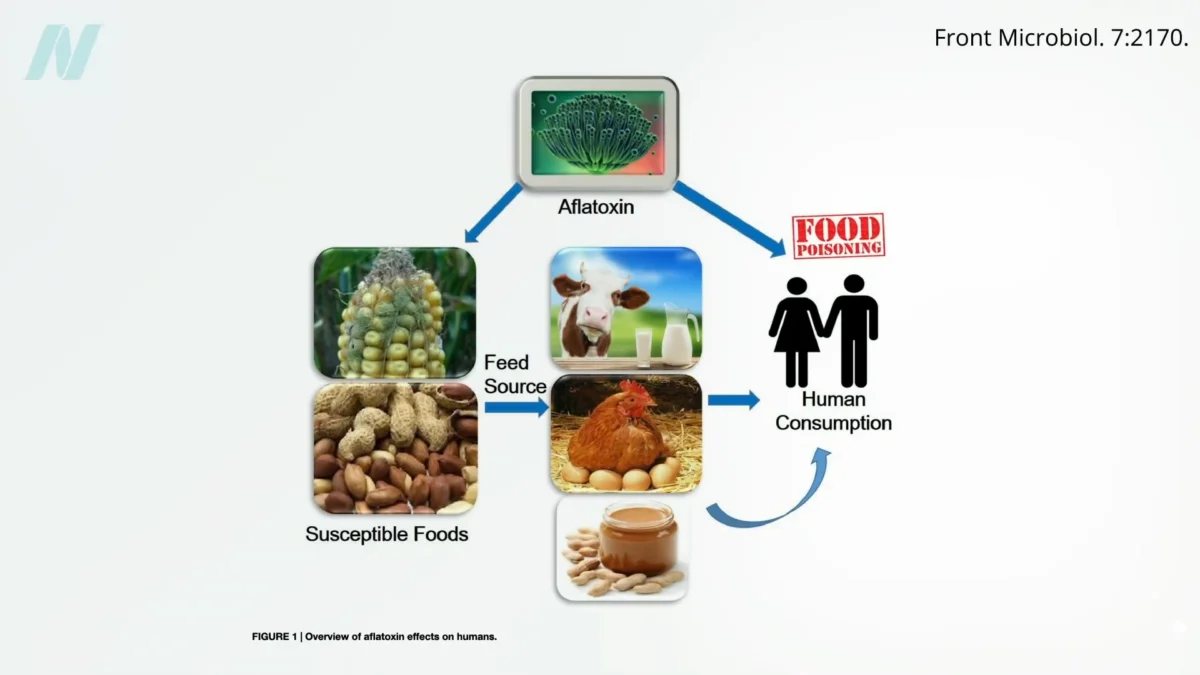
In stark contrast to the speculative nature of "toxic mold syndrome," the contamination of food by mycotoxins, toxic chemical compounds produced by certain molds, has emerged as a legitimate and serious global health issue. Mycotoxins represent a more significant threat to food safety than many other contaminants, with hundreds of different types identified. Among these, aflatoxins stand out due to their potent carcinogenic properties.
Aflatoxin B1, in particular, has been classified as a known human carcinogen by the International Agency for Research on Cancer (IARC). Other mycotoxins, such as ochratoxin A, are considered possible human carcinogens, but the evidence for aflatoxin’s direct link to cancer in humans is undeniable. The potency of aflatoxins as carcinogens is significant, and their presence in the food chain poses a substantial risk to human health worldwide.
The Devastating Impact of Aflatoxins
The burden of aflatoxin exposure is substantial, with estimates suggesting that approximately one-fifth of all liver cancer cases globally may be attributable to these toxins. Liver cancer ranks as the third-leading cause of cancer deaths worldwide, and its rapid progression often leads to mortality shortly after diagnosis. This underscores the critical contribution of aflatoxins to a deadly disease.
A significant challenge with aflatoxin contamination is its persistence. Once these toxins enter the food supply, they are remarkably difficult to remove. Conventional cooking methods, such as heating, do not effectively neutralize aflatoxins. This means that if aflatoxins are present in crops, or in animal products derived from animals that have consumed contaminated feed, the toxins remain. The primary strategy for managing this threat, therefore, lies in preventing contamination at the source.

Prevention Strategies and Global Disparities
In developed nations, including the United States, decades of regulatory oversight and industry practices have been dedicated to preventing aflatoxin contamination. Companies in these regions routinely sample their products for aflatoxins, a practice that, while costly – resulting in annual losses estimated at nearly $1 billion – is crucial for public health. This proactive approach has significantly reduced the incidence of aflatoxin-related health issues in these countries.
However, the problem of aflatoxin contamination remains acute in less industrialized regions, particularly in parts of Africa, Southeast Asia, and rural China. In these areas, where economic constraints often prevent the disposal of contaminated crops, conditions are ripe for widespread exposure. It is estimated that more than half of the global population is affected by aflatoxins in these regions, contributing to liver cancer rates that can be as much as 30 times higher than in the United States or Europe.
The stark disparity in aflatoxin prevalence highlights the effectiveness of robust regulatory frameworks and food safety protocols. While developed countries invest heavily in monitoring and prevention, billions of people in developing nations continue to face daily exposure. The attention that has been paid to mycotoxin contamination globally has often been driven by the need for richer nations to meet stringent import regulations, rather than by a primary concern for the health of the populations most directly exposed.
Regulatory Frameworks and Consumer Exposure
In the United States, the Food and Drug Administration (FDA) works to keep aflatoxin exposure levels "as low as practical," rather than "as low as possible." This pragmatic approach acknowledges the challenges of complete eradication while striving to minimize risk. Despite these efforts, instances of elevated aflatoxin levels do occur. For example, California has seen an increase in "unacceptable aflatoxin levels" in commodities like pistachios, almonds, and figs. While these levels might be deemed unacceptable by European standards, potentially impacting export capabilities, they may not necessarily pose an immediate, unacceptable risk to U.S. consumers, given the difference in regulatory thresholds.
The Unique Case of Figs and the Balancing Act of Nut Consumption
Figs, particularly dried figs, present a unique challenge due to their ripening and drying process on the tree, which makes them particularly susceptible to aflatoxin production. Studies have indicated that figs can be a significant source of aflatoxin exposure. While identifying specific food items contributing to detectable levels of aflatoxins in individuals is complex, the consumption habits of those with positive blood levels are of interest.
However, the discussion of aflatoxin risk must be balanced with the well-established health benefits of other commonly contaminated foods, such as nuts. Nuts are renowned for their cardiovascular health advantages, and their consumption is linked to a significant reduction in strokes and heart attacks. While nuts can contain aflatoxins, the population health benefits derived from increased nut consumption demonstrably outweigh the associated carcinogenic risks. For every case of liver cancer potentially linked to aflatoxin exposure from nuts, thousands of strokes and heart attacks are prevented. This highlights the importance of a nuanced approach to food safety, considering the broader health implications of dietary choices.
A Neglected Global Health Crisis
Aflatoxin remains a significant, and often shamefully ignored, global health issue, primarily impacting the developing world. The resources and attention dedicated to mitigating its effects are disproportionately low compared to the widespread exposure and dire health consequences. Addressing this challenge requires a concerted international effort, focusing on agricultural practices, storage, and distribution to prevent contamination at its source.
Doctor’s Note: A Look Back at Mold Toxins
This discussion on aflatoxins concludes a four-part series exploring the complex world of mold toxins. The series aimed to differentiate between unsubstantiated health claims and scientifically validated threats, providing a clearer understanding of the risks associated with mold and its byproducts. For those who missed the previous installments, resources are available to delve deeper into related topics concerning mold toxins and their impact on health and the food supply. The scientific community continues to research and monitor mycotoxin contamination, striving to protect global populations from these pervasive and dangerous contaminants.

