


While Australia is globally recognized for the urban sprawl of Sydney and the cultural density of Melbourne, a significant shift in tourism data suggests that the nation’s rural "hinterlands" are becoming primary drivers for both domestic and international travel. Beyond the glass-and-steel skylines lies a network of small towns defined by deep colonial histories, ancient Indigenous heritage, and a pace of life that stands in stark contrast to the modern metropolis. Recent industry reports from Tourism Research Australia indicate a growing preference for "slow travel," with regional overnight trips seeing a marked increase as visitors seek authenticity and tranquility over traditional sightseeing.
The Socio-Economic Pivot to Regional Tourism
For decades, the Australian tourism narrative was dominated by the "Golden Triangle" of Sydney, the Great Barrier Reef, and Uluru. However, a combination of infrastructure improvements and a post-pandemic desire for secluded environments has thrust regional towns into the spotlight. These municipalities, often boasting populations of fewer than 5,000 residents, provide a critical economic buffer for the states of Victoria, New South Wales, South Australia, and Western Australia. The enrichment of these areas through sustainable tourism not only preserves historical architecture but also provides the capital necessary for the conservation of surrounding national parks and heritage sites.
Victoria’s Historical Corridors: Beechworth and Daylesford
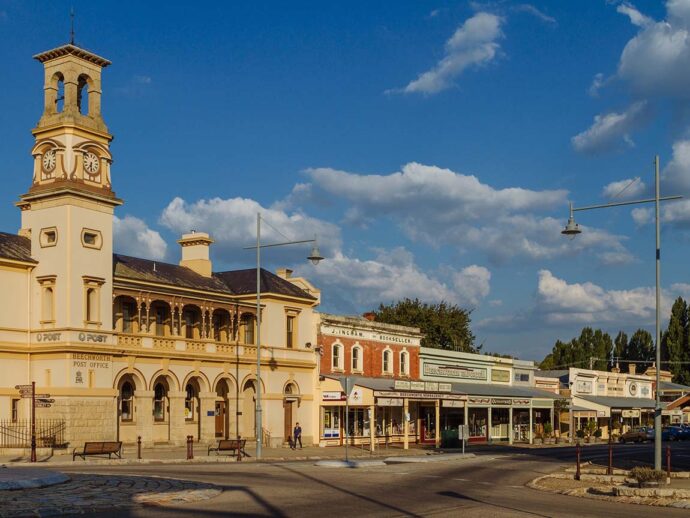
The state of Victoria offers a chronological map of Australia’s mid-19th-century economic boom, primarily driven by the discovery of gold. Beechworth, located approximately 285 kilometers northeast of Melbourne, serves as a preserved specimen of the 1850s. At the height of the Victorian gold rush, Beechworth was a bustling hub of commerce; today, it is home to roughly 3,000 residents. The town’s architecture remains largely unchanged, with granite buildings lining the streets, housing artisanal bakeries and local breweries.
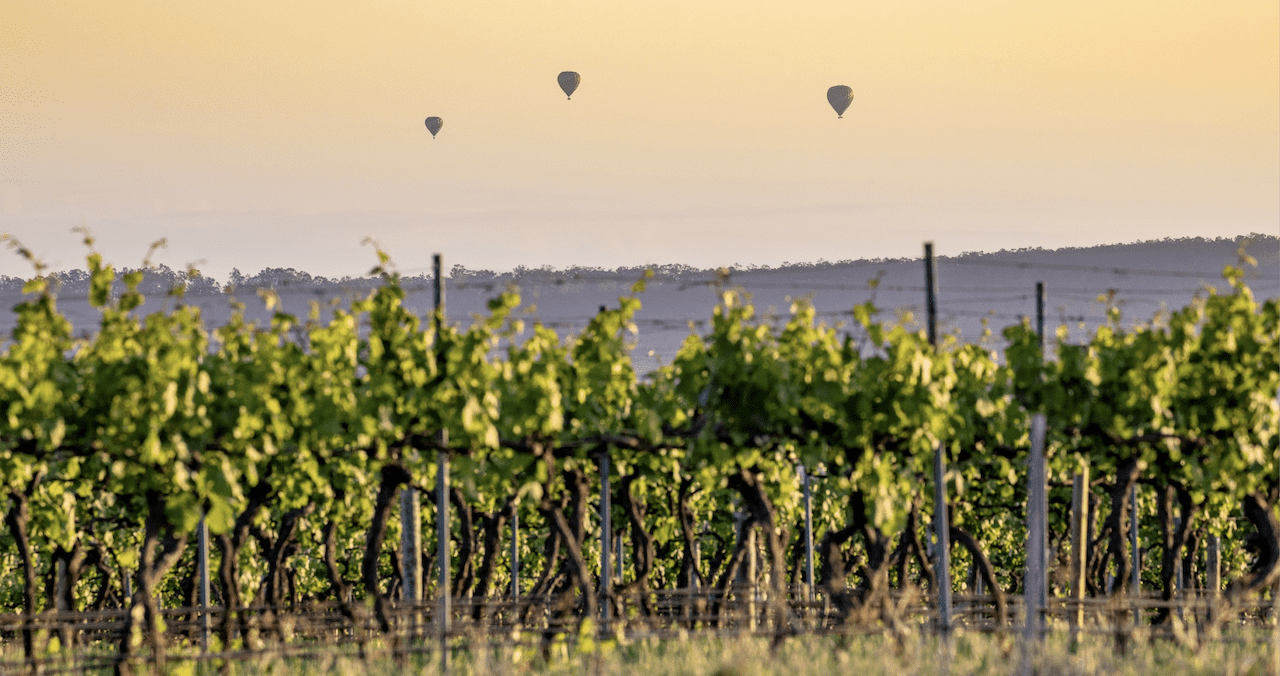
Statistically, the region is also a viticultural powerhouse. The nearby King Valley is renowned for its Prosecco Road, a nod to the Italian migrants who settled the area post-World War II. Visitors often utilize Beechworth as a base to explore the Ovens Valley, balancing historical tours of the old gaol—famous for housing the outlaw Ned Kelly—with the contemporary luxury of northeast Victoria’s wine industry.
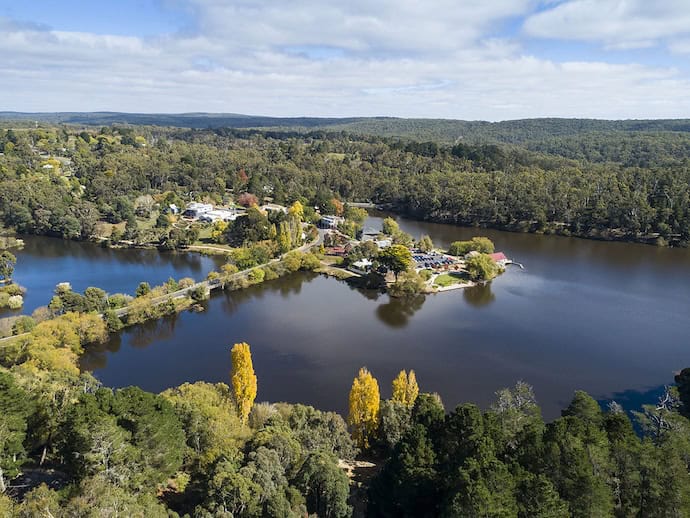
Further south, nestled in the foothills of the Great Dividing Range, lies Daylesford. Established in 1852, Daylesford transitioned from a mining camp to Australia’s premier "spa town." The area contains over 80% of Australia’s known effervescent mineral spring reserves. This geological anomaly has fostered a billion-dollar wellness industry. Tourism Victoria data suggests that Daylesford and the neighboring Hepburn Springs attract over a million visitors annually, specifically targeting the "wellness retreat" demographic. The town offers a sophisticated blend of Swiss-Italian heritage, high-end gastronomy, and holistic therapy, making it a cornerstone of the state’s regional economy.

South Australia’s Cultural Enclaves: Hahndorf and Coober Pedy
South Australia presents two of the most distinct cultural experiences in the country, separated by nearly 850 kilometers of desert and pastoral land. Hahndorf, located just 28 kilometers from Adelaide in the Adelaide Hills, holds the distinction of being Australia’s oldest surviving German settlement. Founded in 1839 by Lutheran migrants fleeing religious persecution in Prussia, the town maintains an aesthetic that is uniquely European. The architecture features traditional "fachwerk" (timber-framed) buildings and centuries-old elm trees.
Hahndorf’s climate is a statistical outlier for the region; while much of South Australia experiences Mediterranean heat, Hahndorf’s elevation ensures maximum temperatures rarely exceed 20 degrees Celsius during the shoulder seasons. This cool-climate environment has allowed the town to become a center for artisanal jam production and cool-climate winemaking, attracting a steady stream of "day-trippers" from the capital.
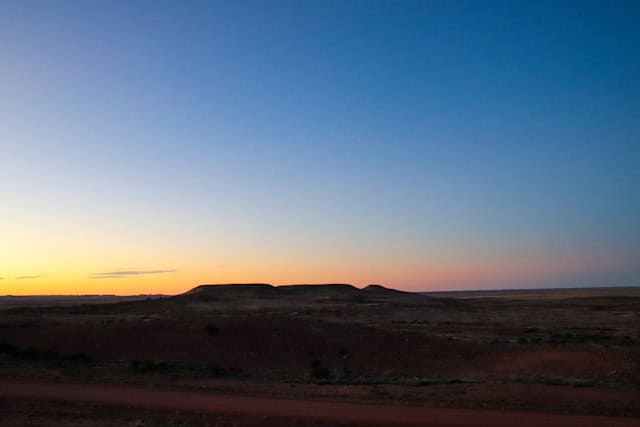
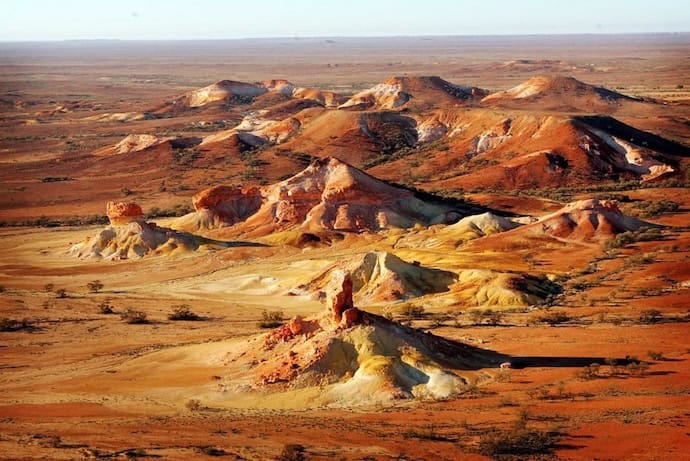
In stark contrast is Coober Pedy, situated in the harsh northern Outback. Established in 1915 following the discovery of opal, the town’s name is derived from the Aboriginal term "kupa-piti," meaning "white man’s hole." Due to extreme surface temperatures that can exceed 45 degrees Celsius, approximately half of the 1,500 residents live in "dugouts"—residences carved directly into the hillside sandstone.
Coober Pedy is responsible for approximately 70% of the world’s opal production. The town’s economy is almost entirely reliant on the gemstone trade and "frontier tourism." Analysts note that the town’s appeal lies in its isolation and its "extraterrestrial" landscape, which has served as a filming location for numerous Hollywood productions. The underground lifestyle offers a profound level of silence and thermal stability, providing a radical interpretation of a "peaceful" countryside retreat.
New South Wales and the Great Dividing Range: Leura, Dorrigo, and Tenterfield
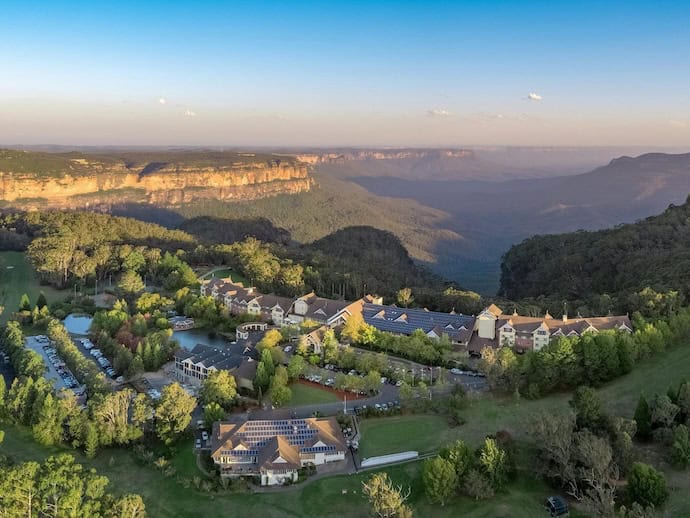
The Blue Mountains of New South Wales are a UNESCO World Heritage site, and the town of Leura is often cited as its "jewel." Located 100 kilometers west of Sydney, Leura sits on land that has been inhabited by the Darug and Gundungurra peoples for over 12,000 years. The town was developed in the late 19th century as a mountain sanatorium for Sydney’s elite.
Leura is characterized by its Edwardian gardens and proximity to the Jamison Valley. While the "Three Sisters" rock formation in nearby Katoomba draws the largest crowds, Leura provides a quieter alternative, focusing on birdwatching and "bushwalking." Environmental data highlights the region’s biodiversity, with the surrounding forests providing habitat for rare species such as the lyrebird and the glossy black cockatoo.
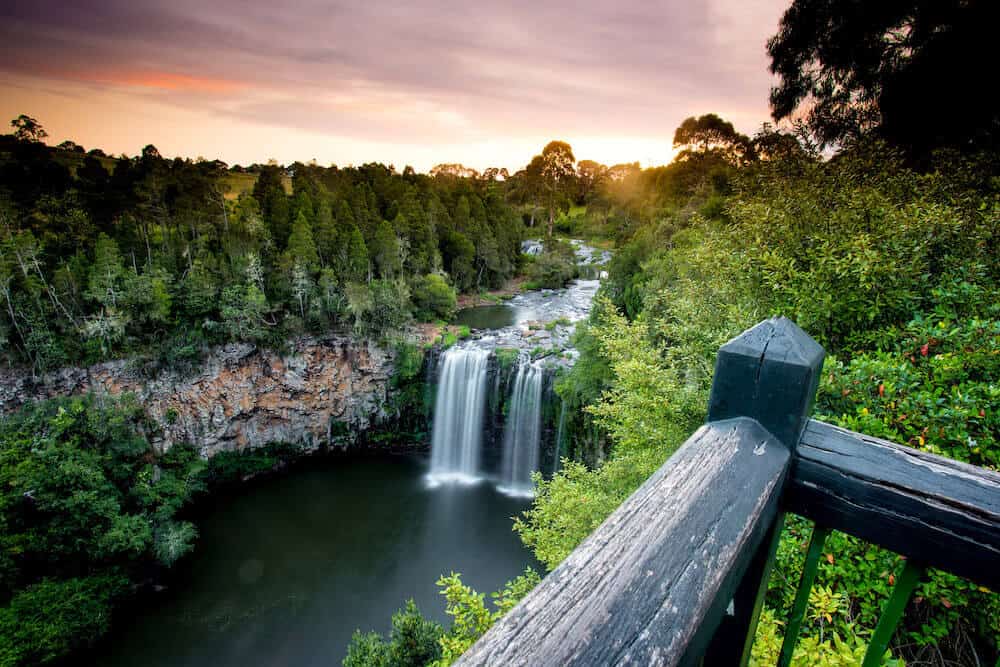
Moving further north, Dorrigo and Tenterfield represent the agricultural and ecological heart of the state. Dorrigo, with a population of just over 1,000, is the gateway to the Dorrigo National Park. This park is part of the Gondwana Rainforests of Australia, a World Heritage Area containing remnants of the ancient rainforests that covered the supercontinent millions of years ago. Dangar Falls, a 30-meter drop located just outside the town center, serves as a major focal point for nature photography and eco-tourism.
Tenterfield, positioned near the Queensland border, is often referred to as the "Birthplace of Our Nation." It was here in 1889 that Sir Henry Parkes delivered the "Tenterfield Oration," a pivotal speech that led to the Federation of Australia in 1901. Beyond its political significance, Tenterfield is surrounded by five national parks, including Bald Rock, which features the largest granite monolith in the Southern Hemisphere. The town’s museum circuit, including the Tenterfield Saddler—immortalized in song by Peter Allen—provides a dense historical context that appeals to heritage-focused travelers.
Western Australia and Tasmania: Margaret River and Scamander
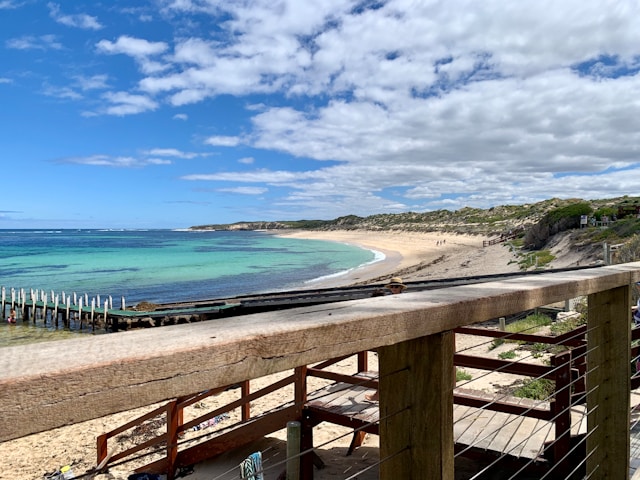
On the western coast, Margaret River has evolved from a sleepy dairy town into an international brand. Located 270 kilometers south of Perth, the region accounts for only 3% of Australia’s total wine production but commands over 20% of the premium wine market. The convergence of the Indian and Southern Oceans creates a unique microclimate suitable for Cabernet Sauvignon and Chardonnay.
Margaret River’s peacefulness is derived from its "surf and turf" geography. Visitors can spend mornings on world-class surf breaks and afternoons in ancient karri forests. Local authorities have recently implemented stringent environmental protections to manage the influx of tourists, ensuring that the development of luxury lodges does not infringe upon the region’s natural aesthetic or water quality.
Finally, the island state of Tasmania offers Scamander, a coastal town with fewer than 900 residents. Tasmania has seen a surge in tourism—growing at a rate faster than the national average—yet Scamander remains largely untouched by mass commercialization. Located on the state’s northeast coast, it is defined by wide, sandy beaches and the Scamander River. It serves as a strategic point for those exploring the Bay of Fires or the Douglas-Apsley National Park. The town’s simplicity is its primary commodity, offering a level of seclusion that is increasingly difficult to find on the mainland.
Broader Impact and Future Implications
The continued interest in Australia’s small towns has significant implications for national policy. The Australian Government’s "Reimagining the Visitor Economy" strategy emphasizes regional dispersal as a method to mitigate "over-tourism" in major cities. By encouraging travelers to visit places like Beechworth or Coober Pedy, the government aims to spread economic benefits to rural communities that may have traditionally struggled with the decline of manufacturing or agriculture.
From an environmental perspective, the "peaceful" nature of these towns is tied to the health of the surrounding ecosystems. Many of these towns are located within or adjacent to World Heritage sites, making them frontline participants in the fight against climate change and habitat loss. For the modern traveler, these towns offer more than just a vacation; they provide a historical and ecological education.
In conclusion, Australia’s countryside towns are not merely stopovers on the way to a larger destination. They are repositories of the nation’s complex identity—from the opal mines of the desert to the rainforests of the coast. As global travel trends continue to favor sustainability and depth over speed and volume, these small communities are poised to become the new face of Australian tourism, welcoming the world with a combination of historical gravitas and natural serenity.

