

The burgeoning market for healthy snacks and nutrient-dense foods has introduced a new contender: the baru nut, also marketed as "barukas" or baru almonds. While technically a seed, this native of the Brazilian Savannah, known as the Cerrado, is garnering attention for its nutritional profile and potential health benefits. However, a deeper examination of the available research, alongside contextual understanding of its origins and production, reveals a more nuanced picture when compared to established nuts and seeds.
The Baru Nut: Origin and Ecological Significance
The baru nut (Dipteryx alata Vog.) originates from the Cerrado, a vast and biodiverse tropical savanna in Brazil. This ecosystem, renowned for its rich biodiversity, is unfortunately also recognized as one of the planet’s most threatened biomes. Over the past three decades, the Cerrado has experienced significant ecological degradation, largely driven by the expansion of cattle ranching and the cultivation of feed crops essential for livestock. This environmental pressure raises a critical question: could the commercialization of baru nuts offer a sustainable economic alternative that incentivizes the preservation of this vital ecosystem?
The potential for baru nut harvesting to provide an income stream for local communities, while simultaneously discouraging land clearing for agriculture and cattle, presents a compelling argument for its promotion. If cultivating and harvesting baru nuts becomes more profitable than clearing native vegetation, it could offer a powerful economic incentive for conservation. This ecological dimension adds a significant layer of importance to understanding the baru nut’s role beyond mere dietary consumption.
Nutritional Profile and Antioxidant Potential
Baru nuts are recognized for their rich polyphenol content, a class of phytonutrients widely associated with potent antioxidant activity. It is believed that these compounds are primarily responsible for the baru nut’s antioxidant capabilities, with approximately 90% of these beneficial phytonutrients concentrated in the nut’s peel. While the presence of these compounds suggests a positive contribution to health, the extent of their unique benefits compared to other nuts and seeds requires careful consideration.

Initial research has explored the biological properties of baru nuts, with some studies highlighting their popularity and widespread consumption in certain regions. However, the scientific literature on their specific biological effects has been comparatively limited until recent years. Early investigations, including those involving animal models, have suggested promising health impacts. For instance, one study indicated that rats fed baru nuts exhibited lower cholesterol levels, leading researchers to suggest their "great potential for dietary use" in managing cholesterol. It is important to note, however, that these early findings were based on comparisons with lard, a highly saturated fat source, which might skew the perceived benefits.
Cholesterol Management: Human Trials and Comparative Analysis
A pivotal development in understanding the health benefits of baru nuts came with the first randomized, controlled study involving human participants. This research indicated that consuming less than an ounce (approximately 20 grams or about 15 nuts) of baru nuts daily for six weeks resulted in a significant 9% reduction in LDL cholesterol levels. This finding provided the first direct evidence of baru nuts’ positive impact on human cardiovascular health markers.
The study also observed that, similar to findings in many other nut consumption studies, participants did not experience weight gain. This phenomenon is often attributed to the satiating effect of nuts, which can lead to an inadvertent reduction in the intake of other foods throughout the day.
However, when comparing the efficacy of baru nuts to other established nuts, a more nuanced perspective emerges. The 9.4% drop in LDL cholesterol observed with baru nuts is comparable to the benefits seen with regular almonds. While macadamia nuts and pistachios have shown even greater efficacy, these results were typically achieved at much higher doses. Intriguingly, the study suggested that 20 grams of baru nuts might be as effective as 73 grams of almonds in terms of cholesterol reduction. This implies a potentially greater potency on a per-serving or per-calorie basis for baru nuts, positioning them as a noteworthy option.
Despite this promising result, further research has yielded mixed findings. Another cholesterol trial involving baru nuts, using the same 20-gram dose for an extended period of eight weeks, found no significant benefit for LDL cholesterol. This discrepancy highlights the need for more extensive and robust human studies to confirm the consistency and magnitude of baru nuts’ cholesterol-lowering effects.
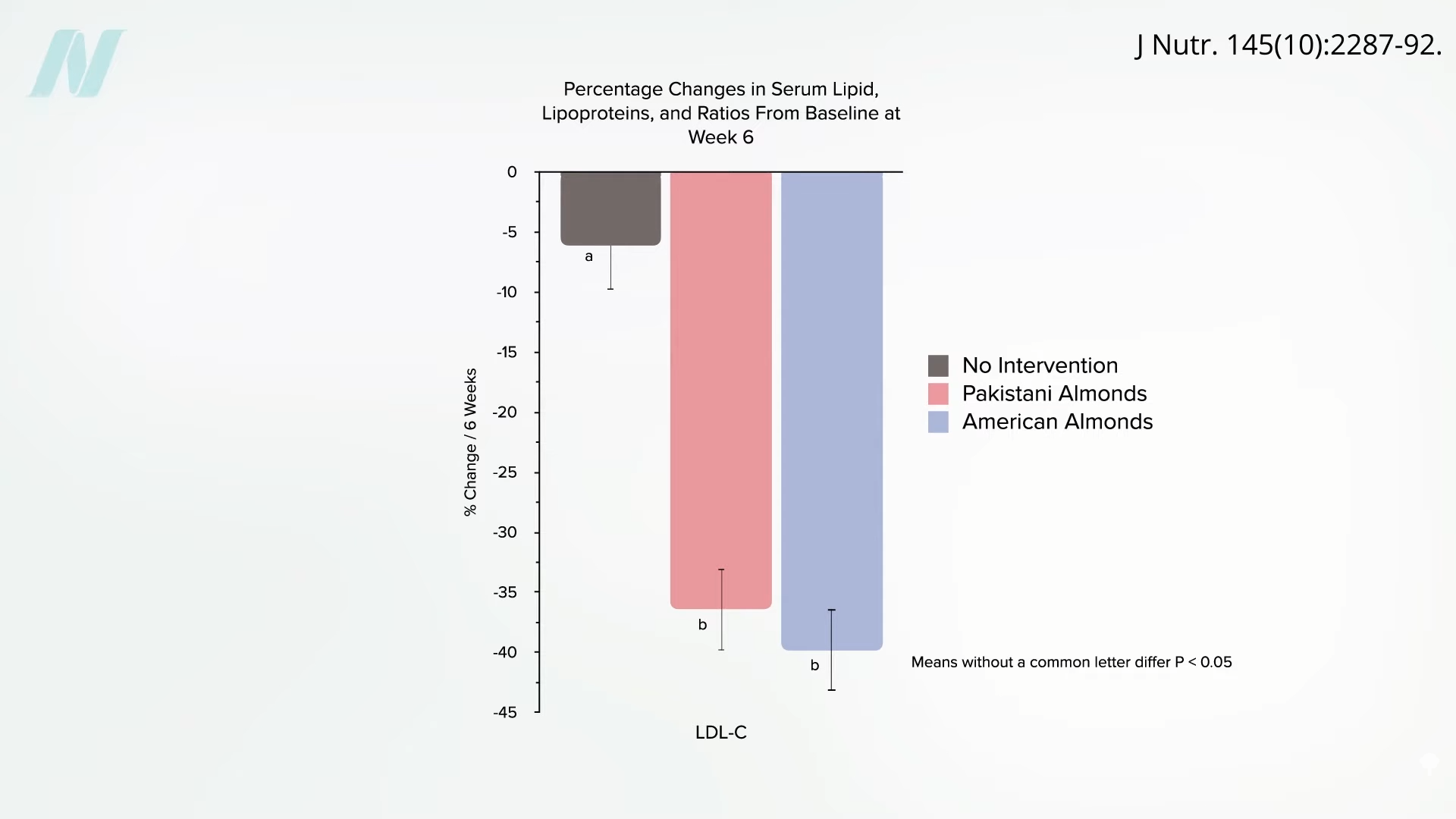
In contrast, the scientific community has a more extensive body of evidence supporting the benefits of regular almonds. Numerous randomized controlled trials, exceeding a dozen in number, have consistently demonstrated the positive impact of almond consumption on cholesterol levels. This well-established research base provides a higher degree of confidence in the benefits of almonds compared to baru nuts, for which the human trial data is still nascent.
Advanced Glycation End-products (AGEs) and Preparation
A significant consideration when evaluating baru nuts, and indeed many plant-based foods, relates to the presence of Advanced Glycation End-products (AGEs), often referred to as "glycotoxins." These compounds are formed when sugars react with proteins or fats, and they are known contributors to oxidative stress and inflammation within the body.
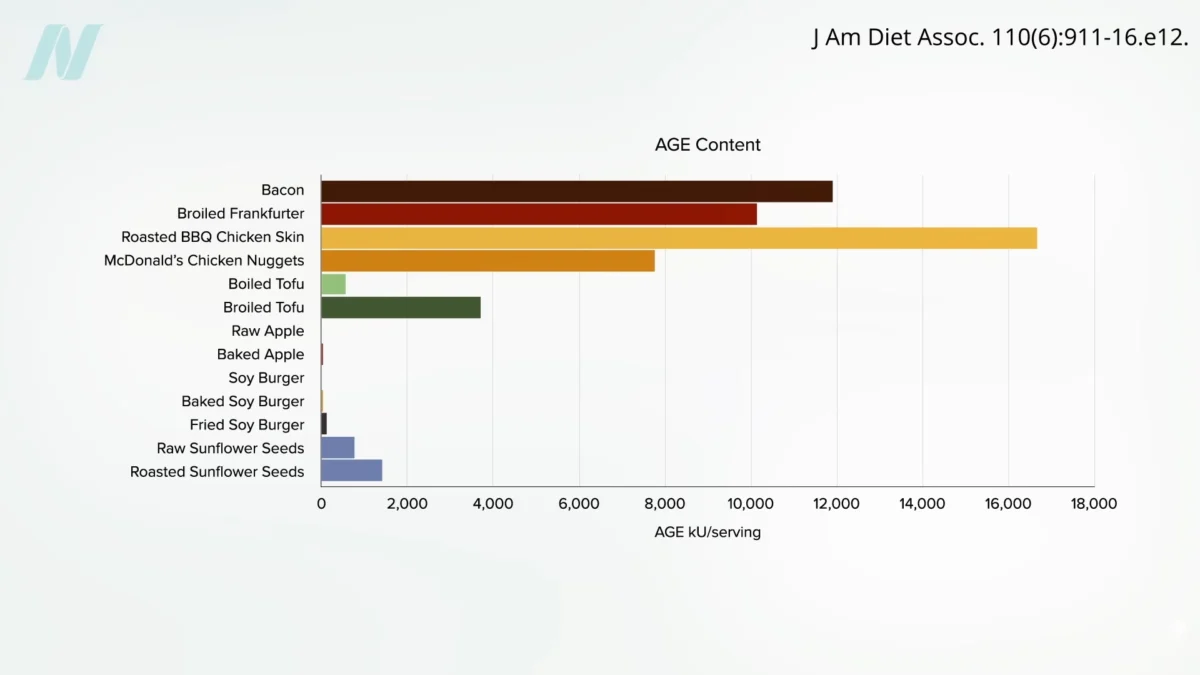
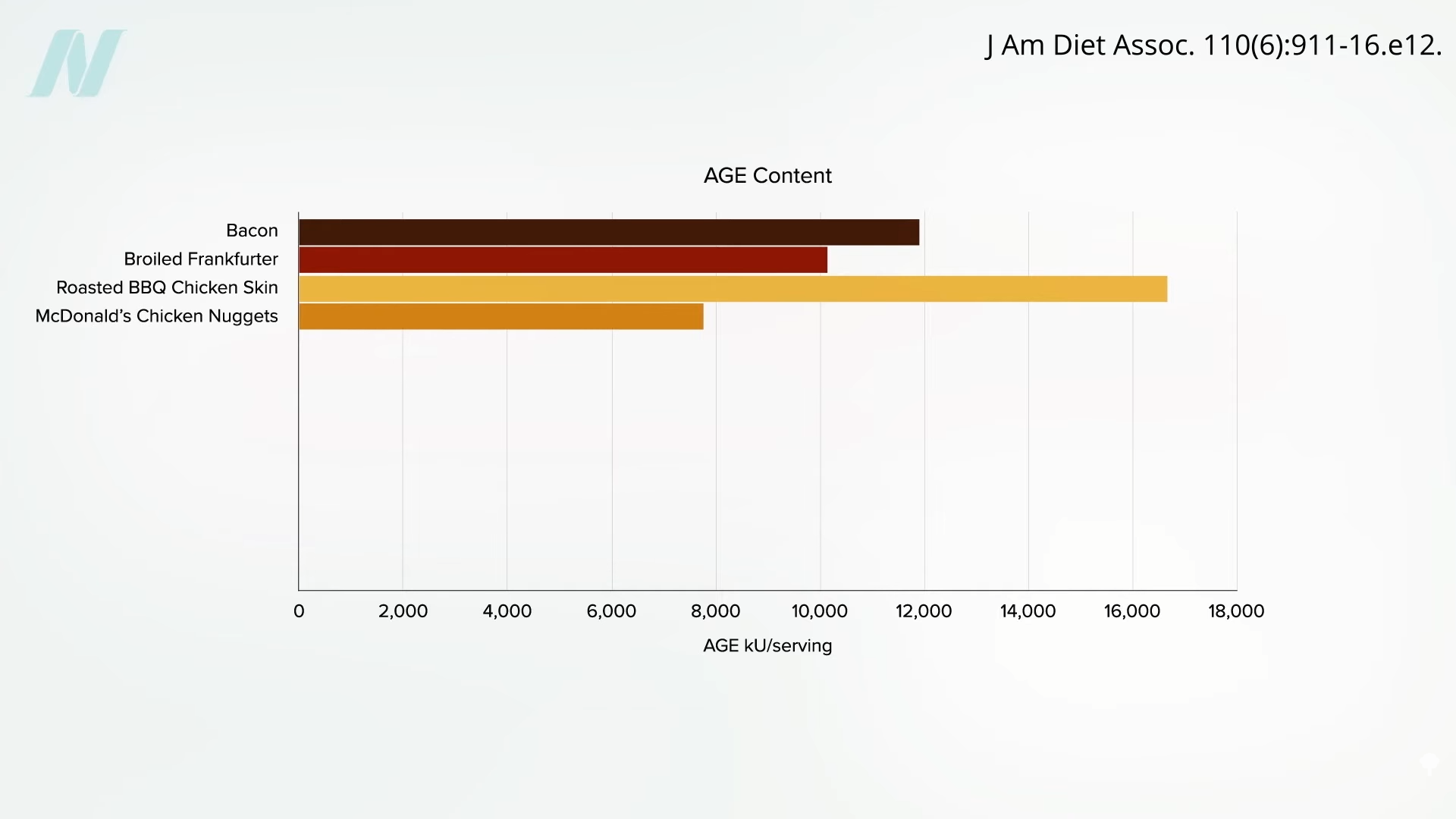
A critical factor is that raw baru nuts cannot be consumed directly. They contain certain compounds that must be inactivated by heat before they are safe for ingestion. This necessity for processing by heat raises concerns regarding AGE formation. While AGEs are naturally present in uncooked animal-derived foods, dry-heat cooking methods like grilling can exacerbate their levels. Foods such as bacon, broiled hot dogs, and roasted barbecued chicken skin have been found to contain the highest recorded levels of AGEs.
While plant foods generally contain relatively fewer AGEs, even after cooking, high-fat, high-protein plant-based foods can contribute to their formation at sufficiently high temperatures. Roasted nuts and seeds, including baru nuts that require roasting, tend to exhibit higher AGE levels compared to their raw counterparts or other cooked plant foods like boiled tofu or baked apples. This underscores the general recommendation to opt for raw nuts and seeds, or nut and seed butters, whenever possible, to minimize AGE intake. The requirement for heat inactivation for baru nuts places them in a category where preparation methods become a crucial determinant of their overall health impact.
Broader Implications and Future Directions
The emergence of baru nuts onto the global market presents a multifaceted opportunity. From an ecological perspective, their cultivation offers a potential pathway towards preserving the threatened Cerrado ecosystem. By providing a sustainable economic incentive for local communities, baru nut harvesting could contribute to biodiversity conservation and combat deforestation. This aligns with growing global demand for ethically sourced and environmentally conscious food products.
From a health standpoint, the preliminary research on baru nuts is encouraging, particularly regarding their potential role in cholesterol management. The initial human trial demonstrating a significant reduction in LDL cholesterol is a promising development. However, the inconsistency observed in subsequent studies, coupled with the limited overall volume of human research, necessitates further investigation. A comprehensive understanding of their long-term effects on cardiovascular health, as well as their comparative benefits against other established nuts, will require larger, more diverse, and longer-duration clinical trials.
The issue of AGEs also warrants attention. While the need for heat inactivation of raw baru nuts is a practical consideration, it highlights the importance of consumer education regarding preparation methods and their impact on health. Understanding how different cooking techniques influence AGE levels in various foods, including nuts, empowers consumers to make more informed dietary choices.
The ongoing "Doctor’s Note" by Dr. Greger, which recommends a daily intake of nuts or seeds, underscores the general health benefits of these food groups. His Daily Dozen checklist, for instance, suggests consuming a quarter cup of nuts or seeds or two tablespoons of nut or seed butter daily. This broad recommendation is based on a wealth of evidence supporting the positive impact of nuts and seeds on overall health, including their contribution to heart health, satiety, and nutrient intake.
The comparison between baru nuts and other established nuts like almonds, macadamias, and pistachios reveals that while baru nuts may offer competitive benefits on a per-serving basis, the established evidence base for regular almonds is significantly more robust. The availability of raw almonds, which bypasses the AGE concern associated with heat-treated baru nuts, further strengthens their position in the market for health-conscious consumers.
In conclusion, the baru nut is an intriguing addition to the global food landscape, offering potential ecological benefits and early indications of positive health impacts. However, a comprehensive assessment of its place in a healthy diet requires continued scientific inquiry, particularly in the realm of human clinical trials. As research progresses, consumers and health professionals will be better equipped to determine the optimal role of baru nuts alongside other nutrient-dense options. The story of the baru nut is still unfolding, a narrative intertwined with ecological preservation, nutritional science, and the ever-evolving understanding of healthy eating.

