


A recent examination of scientific literature has revealed a complex and at times, surprisingly graphic, relationship between nut consumption and male sexual and reproductive health. While some studies suggest a positive correlation between specific nuts and improved erectile function and semen quality, others present a more nuanced picture, highlighting the importance of study design, participant demographics, and even potential funding biases. The exploration into this dietary factor has also unearthed peculiar medical case studies, underscoring the unexpected ways in which "nuts" can impact men’s health.
Early Promise: Pistachios and Erectile Function
The initial foray into the impact of nuts on male sexual health gained traction in 2013 with a study that demonstrated a significant improvement in erectile function among men with erectile dysfunction (ED) who consumed a daily regimen of 100 grams of pistachios for three weeks. This dietary intervention, involving a whole-food approach, offered a promising avenue for addressing a common health concern. The study, published in the journal Andrologia, involved 60 men aged 30-60 with ED, who were randomly assigned to receive either a pistachio-rich diet or a placebo. The findings indicated a notable increase in the International Index of Erectile Function (IIEF) scores for the group consuming pistachios, suggesting a tangible clinical effect.
Expanding the Nut Portfolio: Walnuts, Almonds, and Hazelnuts Under Scrutiny
Building on this early success, researchers have continued to investigate the effects of other common nuts, including walnuts, almonds, and hazelnuts, on various aspects of male reproductive health. These investigations have extended beyond erectile function to encompass sperm count, semen quality, and overall fertility.
Early laboratory studies, particularly those involving animal models, have hinted at the potential benefits of hazelnuts. A study published in Andrology in 2019 explored the impact of hazelnut consumption on the testicular function and semen quality of young and old male rats. The research indicated that hazelnuts could improve testicular antioxidant function and enhance semen parameters in these animal subjects, providing a preclinical rationale for further human studies.
The Unexpected: Penile Entrapment and the "Nut" Problem
However, the exploration of nuts in relation to male anatomy has not been without its more unusual and concerning findings. A particularly striking case reported in the International Journal of Surgery Case Reports in 2019 detailed a "case of penile strangulation with a metal hex nut." In this instance, an individual reportedly used a metal hex nut on his penis for sexual pleasure, only to find himself unable to remove it. The situation necessitated an emergency medical intervention, involving the use of a dental drill to carefully cut through the metal nut. This incident, while extreme, highlights the broader spectrum of "nut" related issues that can arise.

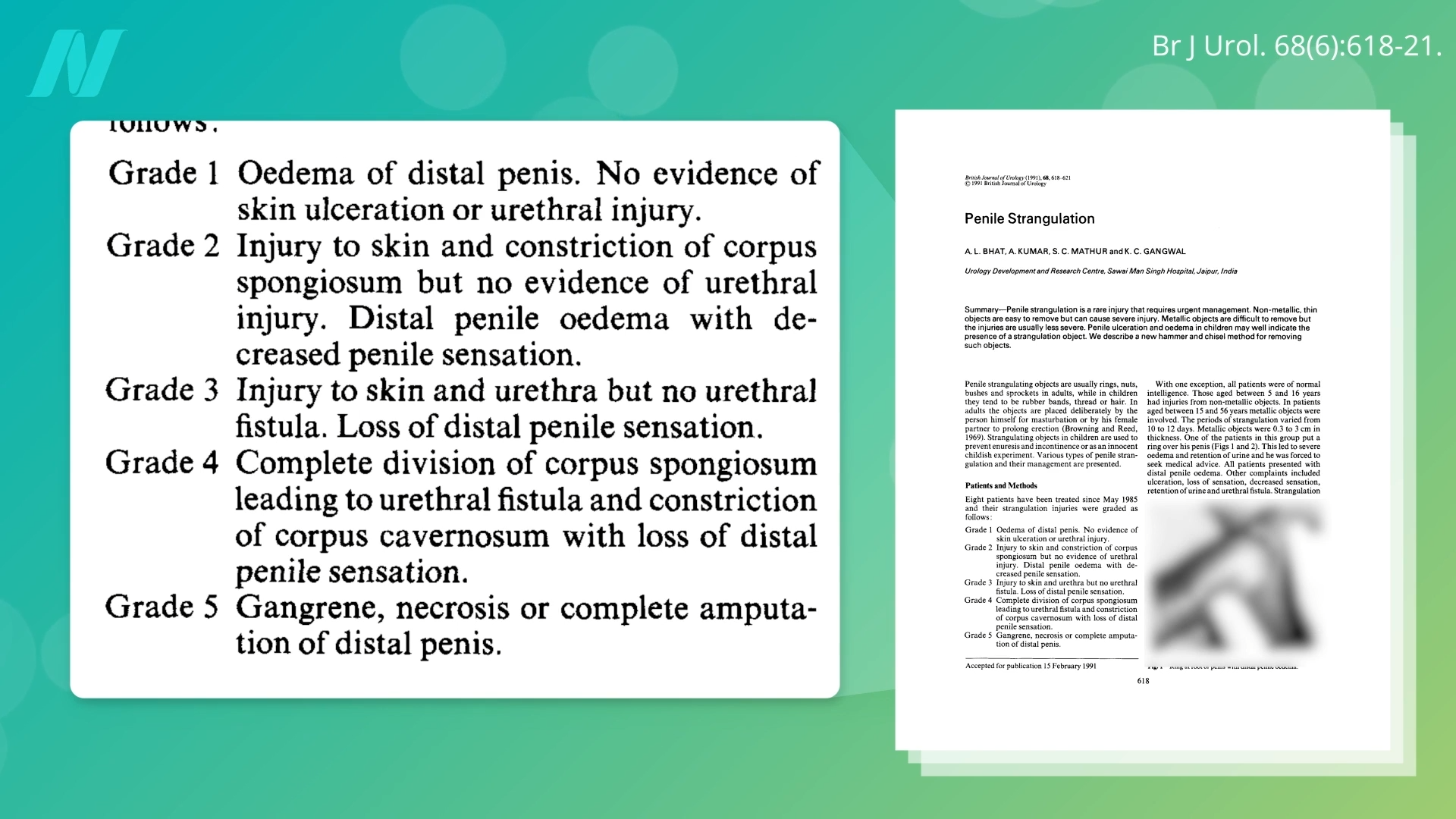
The medical literature reveals that penile entrapment, often involving foreign objects, is a recognized, albeit rare, medical emergency. An article in the Journal of Emergency Medicine from 2007 discussed a grading system for penile entrapment, emphasizing the need for prompt and appropriate management by emergency room physicians. The article noted that in situations where specialized tools are unavailable, more rudimentary methods, such as a hammer and chisel, have been employed, albeit with significant risk. The case involving the hex nut underscored the challenges faced by medical professionals in such scenarios, requiring specialized equipment and techniques to safely resolve the situation and preserve penile health.
Observational Data and the Challenge of Causation
Beyond these extreme cases, broader observational studies have also explored the link between nut consumption and ED. A study published in the Journal of Nutrition in 2015 suggested that consuming at least one serving of vegetables daily and more than two servings of nuts weekly was associated with a more than 50% reduction in the probability of developing ED. While these findings are encouraging, it is crucial to acknowledge the limitations of observational studies. They can identify correlations but cannot definitively establish cause and effect.
Researchers caution that men who adhere to healthier dietary patterns, including regular nut consumption, may also engage in other health-promoting behaviors, such as regular exercise, which could independently contribute to improved sexual function. This "healthy user bias" means that the observed benefits might not be solely attributable to the nuts themselves, but rather to a confluence of lifestyle factors.
The Randomized Controlled Trial: A Deeper Dive into Semen Quality
To address the limitations of observational data, randomized controlled trials (RCTs) offer a more robust approach to establishing causality. One such RCT, published in the American Journal of Clinical Nutrition in 2018, specifically investigated the "effect of nut consumption on semen quality and functionality." In this study, healthy young men were divided into two groups: one consuming a standard Western diet and another consuming the same diet supplemented with a daily mixture of nuts – 30 grams of walnuts and 15 grams each of almonds and hazelnuts.
The results of this trial indicated significant improvements in the nut-consuming group concerning total sperm count, sperm vitality, motility, and morphology. A particularly noteworthy finding was the reduction in sperm DNA fragmentation (SDF) in the group that incorporated nuts into their diet. This suggests that the nuts may offer a protective effect on sperm DNA, a crucial factor for male fertility.
Examining Erectile and Sexual Function in the RCT
While the 2018 RCT provided valuable insights into semen quality, the researchers also collected data on erectile and sexual function. The findings in this area, however, presented a more mixed outcome. The study reported a "significant increase in orgasmic function and sexual desire" among men who consumed the nut mixture. However, the reported improvements in erectile function, intercourse satisfaction, and overall sexual satisfaction were either marginal or statistically insignificant.
The researchers noted that the study was partially funded by the International Nut and Dried Fruit Council, a fact that warrants careful consideration when interpreting the results. While not invalidating the findings, industry funding can sometimes influence the emphasis placed on certain outcomes or the interpretation of marginal statistical significance. The selective reporting of positive findings, while downplaying areas with no significant improvement, can lead to a skewed perception of the overall impact.
The Age Factor: Why Pistachios May Have Outperformed Other Nuts
The apparent discrepancy between the positive results observed with pistachios in the 2013 study and the more limited impact on erectile function in the 2018 mixed-nut RCT has led to further analysis. A key differentiating factor is the age and baseline health of the participants. The 2013 study focused on men in their 40s and 50s who had been experiencing chronic ED for at least a year. This demographic may have had underlying vascular issues that were more amenable to the targeted nutritional intervention.
In contrast, the participants in the 2018 RCT were, on average, 24 years old and generally healthy. This younger cohort likely had optimal circulation and vascular health to begin with, leaving less room for significant improvement from dietary changes alone. Essentially, when circulation is already functioning at its peak, the additional benefits from a nut-rich diet might be less pronounced compared to individuals with pre-existing ED.
Broader Implications for Male Health and Nutrition
The scientific exploration into nuts and male sexual health underscores several important implications:
- Holistic Approach to Sexual Health: The findings suggest that dietary interventions, particularly those rich in whole foods like nuts, can play a role in supporting male reproductive health. However, they are not a panacea and should be considered as part of a broader approach that may include lifestyle modifications, stress management, and medical interventions when necessary.
- Importance of Study Design: The contrast between observational studies and RCTs highlights the critical need for well-designed research to establish definitive cause-and-effect relationships. Understanding the methodologies, participant demographics, and potential biases in studies is crucial for accurate interpretation of findings.
- Nutritional Nuances: Different types of nuts may have varying effects due to their unique nutritional profiles. Further research is needed to pinpoint the specific compounds within nuts that contribute to these observed benefits and to determine optimal dosages and combinations.
- Public Health Messaging: Clear and accurate communication of scientific findings is essential. While the potential benefits of nuts are promising, it is important to avoid overstating their efficacy, particularly in the context of complex health conditions like ED.
Conclusion: A Promising, Yet Evolving, Field of Research
The journey from early observations of pistachio benefits to comprehensive mixed-nut trials reveals a dynamic and evolving field of nutritional science. While the prospect of improving male sexual and reproductive health through dietary means is encouraging, ongoing research is vital to refine our understanding. The peculiar medical cases serve as a stark reminder of the diverse challenges men can face, but the scientific pursuit of dietary interventions offers a positive and proactive path toward enhancing men’s well-being. As research progresses, a clearer picture will emerge regarding the precise role of various nuts in supporting male fertility and sexual function, empowering individuals to make informed dietary choices for their health.

