


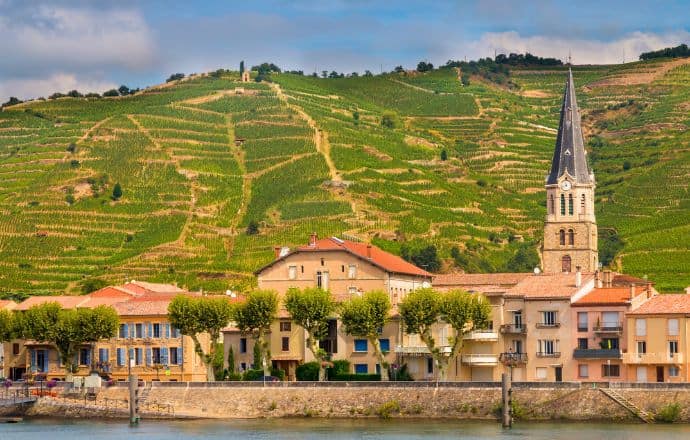
The global culinary tourism market, valued at approximately $439 billion in 2023, is experiencing a significant pivot toward high-end, experiential travel, with Europe remaining the primary beneficiary of this trend. According to recent industry analyses, the European continent continues to set the global standard for gastronomic excellence, blending centuries-old traditions with modern innovation. A market analysis report by Grand View Research highlights that European wine tourism alone dominates the global scene, generating more than 50% of all wine-related tourism revenue worldwide. This dominance is driven by a sophisticated infrastructure of transport, a dense concentration of Michelin-starred establishments, and a deeply rooted cultural emphasis on regional authenticity. As travelers increasingly prioritize "food-first" itineraries, destinations such as France, Italy, Spain, Portugal, and Greece have refined their offerings to cater to a demographic that views dining not merely as a necessity, but as a primary cultural engagement.
The Economic and Cultural Significance of European Gastronomy
The shift in traveler behavior toward "gastronomic pilgrimages" has significant economic implications. The World Food Travel Association indicates that nearly 80% of travelers research food and drink options before choosing a destination, and culinary tourists typically spend 20% more than the average leisure traveler. In Europe, this has led to the preservation of rural traditions and the revitalization of secondary cities. The integration of high-speed rail networks, such as the TGV in France and the AVE in Spain, has facilitated "tasting flight" itineraries, allowing travelers to move between distinct culinary ecosystems within hours. Furthermore, the accessibility of premium travel options, including a competitive market for business class flights, has enabled a segment of travelers to arrive at these destinations refreshed and ready to engage with complex tasting menus and intensive vineyard tours.
France: The Global Standard for Viticulture and Culinary Art
France remains the foundational destination for culinary tourism, largely due to its rigorous protected designation of origin (AOC) systems and the 2010 UNESCO recognition of the "gastronomic meal of the French" as an intangible cultural heritage. The region of Burgundy serves as a focal point for viticulture, where the unique limestone-rich terroir produces world-renowned Pinot Noir and Chardonnay. The city of Beaune acts as the logistical hub for these explorations, offering a concentration of historic cellars and professional tasting rooms.
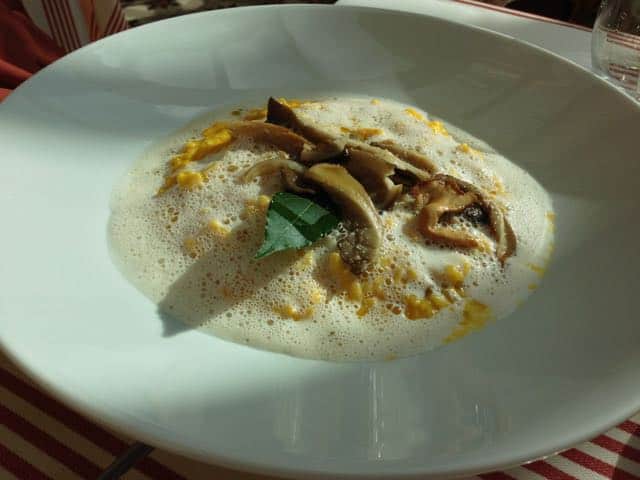
Further south, Lyon maintains its reputation as the "gastronomic capital of the world." The city is famous for its bouchons—traditional bistros that originated from the silk workers’ kitchens of the 17th and 18th centuries. These establishments focus on hearty, meat-centric dishes such as quenelles de brochet and andouillette, emphasizing the French philosophy of utilizing every part of the animal. Meanwhile, the northern region of Normandy provides a different profile, centered on dairy and pomology, specifically Camembert cheese and high-quality apple ciders. In the southwest, Bordeaux has modernized its appeal by supplementing its legendary grand châteaux with contemporary urban wine bars along the Garonne River, reflecting a broader trend of making elite viticulture more accessible to younger, diverse audiences.
Italy: Regional Biodiversity and the Slow Food Movement
Italy’s culinary appeal is rooted in its extreme regionalism and the "Slow Food" movement, which originated in the Piedmont region in the 1980s as a protest against fast food. Today, Piedmont remains a critical destination for gourmands, particularly during the autumn truffle season. The synergy between the region’s hazelnuts, white truffles, and Nebbiolo-based wines like Barolo and Barbaresco creates a seasonal economic surge that supports local foragers and winemakers alike.

In Emilia-Romagna, the focus shifts to artisanal production standards. The region is the birthplace of Parmigiano-Reggiano, Prosciutto di Parma, and traditional balsamic vinegar of Modena. This "Food Valley" represents a significant portion of Italy’s agricultural export value. Conversely, Southern Italy offers a more populist but equally revered culinary landscape. Naples continues to guard the traditions of Neapolitan pizza under strict regulations, while Sicily utilizes its volcanic soil and Mediterranean climate to produce distinctive wines such as Etna Rosso and Nero d’Avola, paired with a cuisine influenced by Greek, Arab, and Spanish histories.
Spain: The Evolution of Modern Gastronomy
Spain has transitioned from a traditional Mediterranean producer to a global leader in culinary innovation. San Sebastián, in the Basque Country, boasts one of the highest concentrations of Michelin stars per square meter in the world. The city’s pintxos culture represents a unique social and economic model where high-quality gastronomy is decentralized across hundreds of small bars, encouraging a "grazing" style of tourism that benefits a wide array of small businesses.
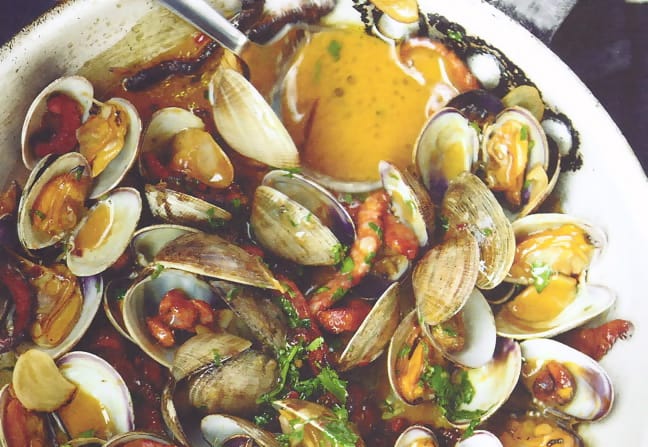
In the south, the "Sherry Triangle" in Jerez is undergoing a modern resurgence. Once viewed as a dated fortified wine, Sherry is being rediscovered by international sommeliers for its versatility in food pairing. Central Spain, particularly Madrid, serves as a clearinghouse for the nation’s best produce. Markets such as San Miguel and Antón Martín have evolved from local grocery hubs into sophisticated gastronomic centers where tourists can sample regional specialties from across the Iberian Peninsula in a single location. The Rioja region remains the backbone of the Spanish wine industry, where historical estates are increasingly investing in "starchitecture" and luxury hospitality to attract high-net-worth travelers.
Portugal and Greece: The Rising Frontiers of Authenticity
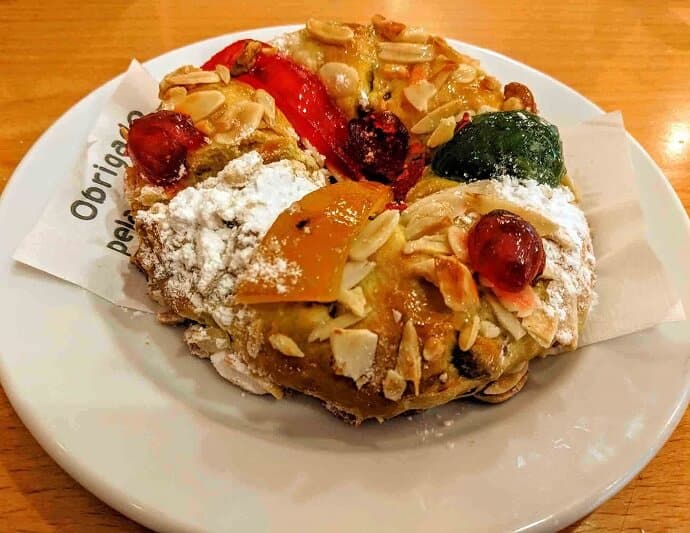
Portugal has seen a dramatic increase in tourism revenue over the last decade, with its food and wine sectors serving as major catalysts. The Douro Valley, a UNESCO World Heritage site, is the oldest demarcated wine region in the world. While historically known for Port wine, the region has successfully pivoted to high-quality dry red and white wines, utilizing indigenous grape varieties that offer a unique alternative to international styles. In Lisbon and Porto, the "petiscos" (Portuguese tapas) culture and the ubiquitous pastéis de nata have become iconic symbols of the country’s accessible luxury.
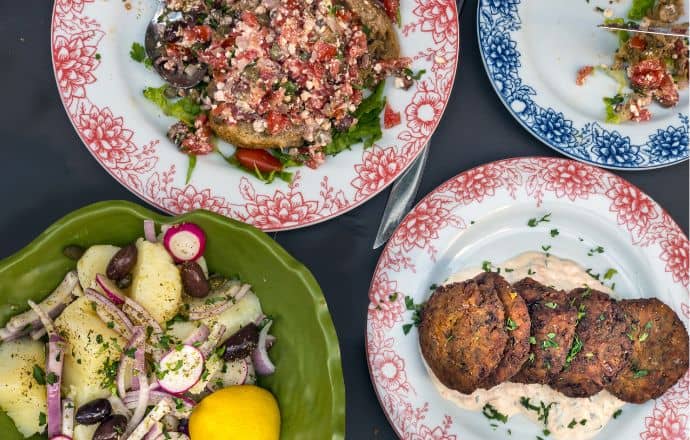
Greece, similarly, is leveraging its ancient viticultural history to capture market share. On the island of Santorini, the Assyrtiko grape is grown in unique, basket-shaped vines called kouloura to protect them from harsh Aegean winds. This produces a high-acid, mineral-driven white wine that has become a staple in international fine dining. Greek cuisine’s emphasis on "clarity of flavor"—the use of high-quality olive oil, fresh feta, and seasonal vegetables—aligns with global health trends, making it an increasingly popular destination for wellness-focused culinary travelers.
Analytical Overview: Infrastructure and the Logistics of Taste
The success of these destinations is not accidental; it is the result of deliberate policy and infrastructure development. The European Union’s Geographical Indication (GI) labels protect more than 3,500 products, ensuring that "Champagne" or "Prosciutto di Parma" cannot be replicated elsewhere. This legal framework provides a "moat" around European culinary tourism, ensuring that the "authentic" experience can only be had at the source.
Furthermore, the transport sector has adapted to the needs of the culinary traveler. European rail providers have integrated gourmet dining options into their premium services, and many regional airports have expanded to provide direct access to wine regions. The growth of the "business class" travel segment has also played a role. Industry data suggests that travelers who invest in premium airfare are more likely to book multi-day wine tours and private culinary classes, creating a high-value ecosystem for local providers.
Strategic Planning for the Modern Gourmand
Industry experts suggest that the most successful culinary trips are those that balance structured bookings with spontaneous discovery. A recommended strategic approach for travelers includes:
- Regional Anchoring: Focusing on two distinct wine regions and one major urban culinary hub to minimize travel fatigue and maximize depth of experience.
- Shoulder Season Travel: Visiting in late spring or early autumn to avoid the peak summer crowds, ensuring better access to winemakers and restaurateurs.
- Direct Engagement: Booking visits directly with small-scale producers, who often provide more intimate and educational experiences than large commercial estates.
- Intermodal Connectivity: Utilizing Europe’s extensive train network to travel between regions, which allows for safe transit after tastings and provides scenic views of the agricultural landscapes.
The Future of European Food and Wine Tourism
As climate change shifts viticultural boundaries northward and consumer preferences evolve toward sustainability and organic production, the European landscape is expected to continue its adaptation. There is a growing movement toward "agritourism," where travelers stay on working farms and vineyards, participating in the harvest and production processes. This shift toward "educational tourism" suggests that the future of the industry lies in transparency and hands-on engagement.
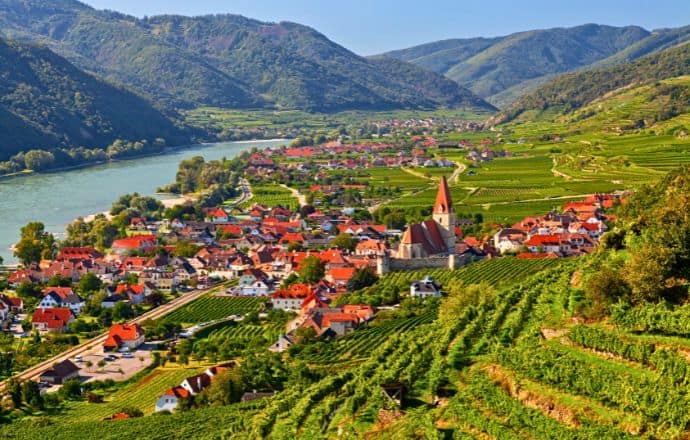
Ultimately, the dominance of Europe in the food and wine sector is sustained by its ability to tell a story through its flavors. Whether it is a glass of Riesling in the Wachau Valley or a plate of saffron risotto in Milan, these experiences represent a convergence of history, geography, and craft. For the global traveler, Europe offers not just a meal, but a comprehensive syllabus in the art of living, supported by a robust economic framework and a timeless commitment to quality.

