

The scientific community’s increasing focus on healthy aging and the prevention of chronic diseases has brought the concept of an anti-inflammatory diet to the forefront of nutritional research. This dietary approach aims to mitigate chronic inflammation, a process linked to a wide range of health issues, including cardiovascular disease, cancer, neurodegenerative disorders, and autoimmune conditions. At its core, an anti-inflammatory diet emphasizes whole, unprocessed foods rich in antioxidants and other beneficial compounds, while minimizing or eliminating pro-inflammatory foods.
The Link Between Inflammation and Mortality Risk
The urgency behind exploring anti-inflammatory diets is underscored by research linking elevated inflammatory markers in the blood to increased mortality risk. Studies have identified specific biomarkers that serve as crucial indicators of systemic inflammation. For instance, elevated levels of C-reactive protein (CRP), a widely recognized marker of inflammation, have been associated with a significant increase in the risk of premature death. One study suggests that individuals with higher CRP levels may face a 42% greater risk of dying prematurely.
Another critical inflammatory biomarker is interleukin-6 (IL-6). Research indicates that higher concentrations of IL-6 in the bloodstream can elevate the risk of premature death by as much as 49%. These findings highlight the profound impact of chronic inflammation on overall longevity and the importance of identifying dietary strategies that can effectively reduce these inflammatory markers.

Identifying Pro-Inflammatory and Anti-Inflammatory Foods
For years, nutritional science has identified certain food categories that tend to promote inflammation within the body. These often include processed meats, refined sugars, and foods high in saturated and trans fats. Conversely, other foods have demonstrated the capacity to counteract this inflammatory response. Understanding this dichotomy is the first step in constructing an anti-inflammatory dietary pattern.
The Power of Berries: Blueberries and Raspberries in Action
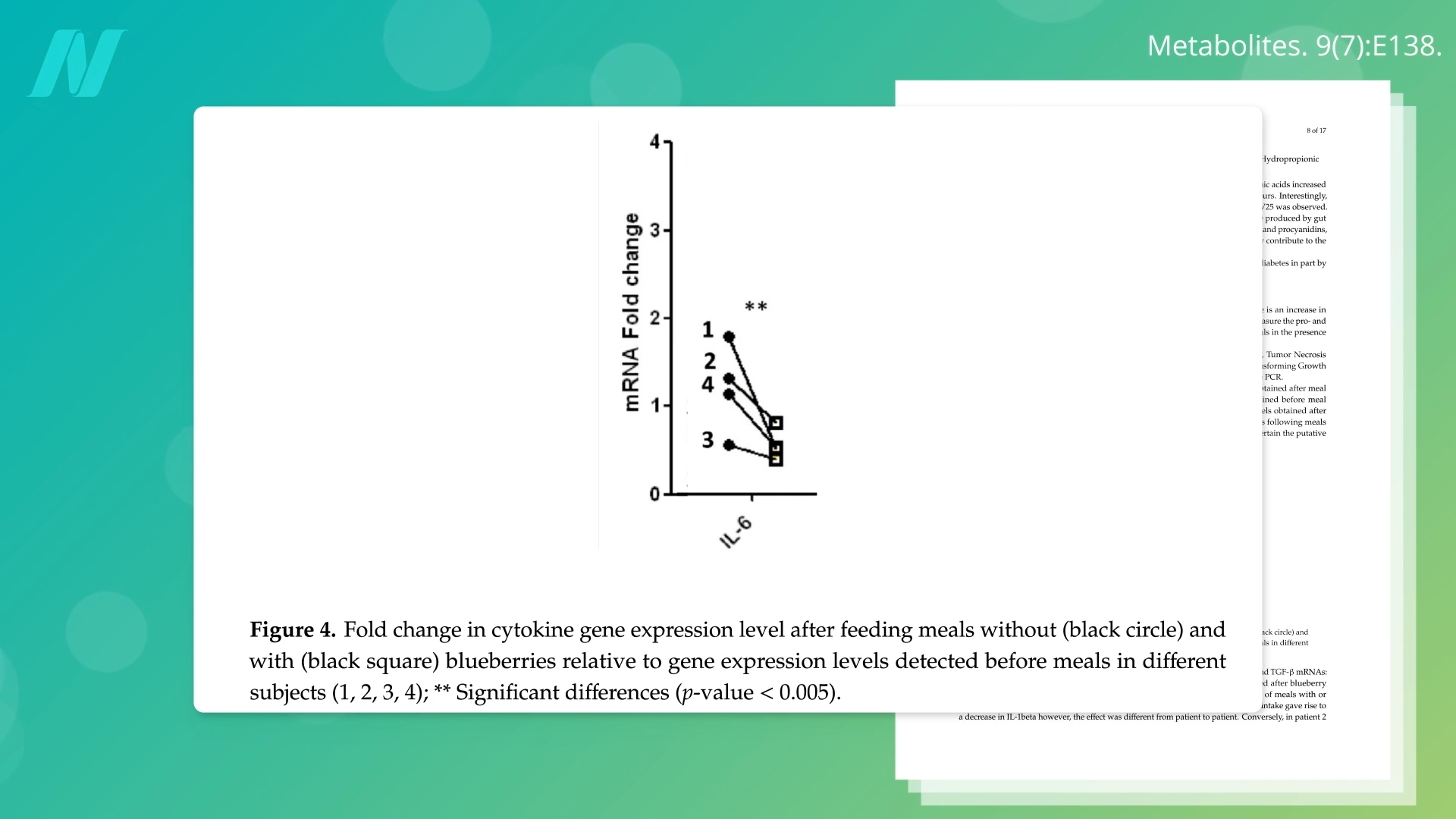
Recent research has provided compelling evidence for the anti-inflammatory effects of specific foods, particularly berries. A notable study investigated the impact of adding blueberries to a meal high in fat and glycemic load, which included white potatoes, white bread, ham, cheese, and butter. The results were significant: the inclusion of just one cup of blueberries led to a substantial reduction in IL-6 levels post-meal. This suggests that the inherent properties of blueberries can effectively buffer the inflammatory cascade triggered by an otherwise pro-inflammatory meal.
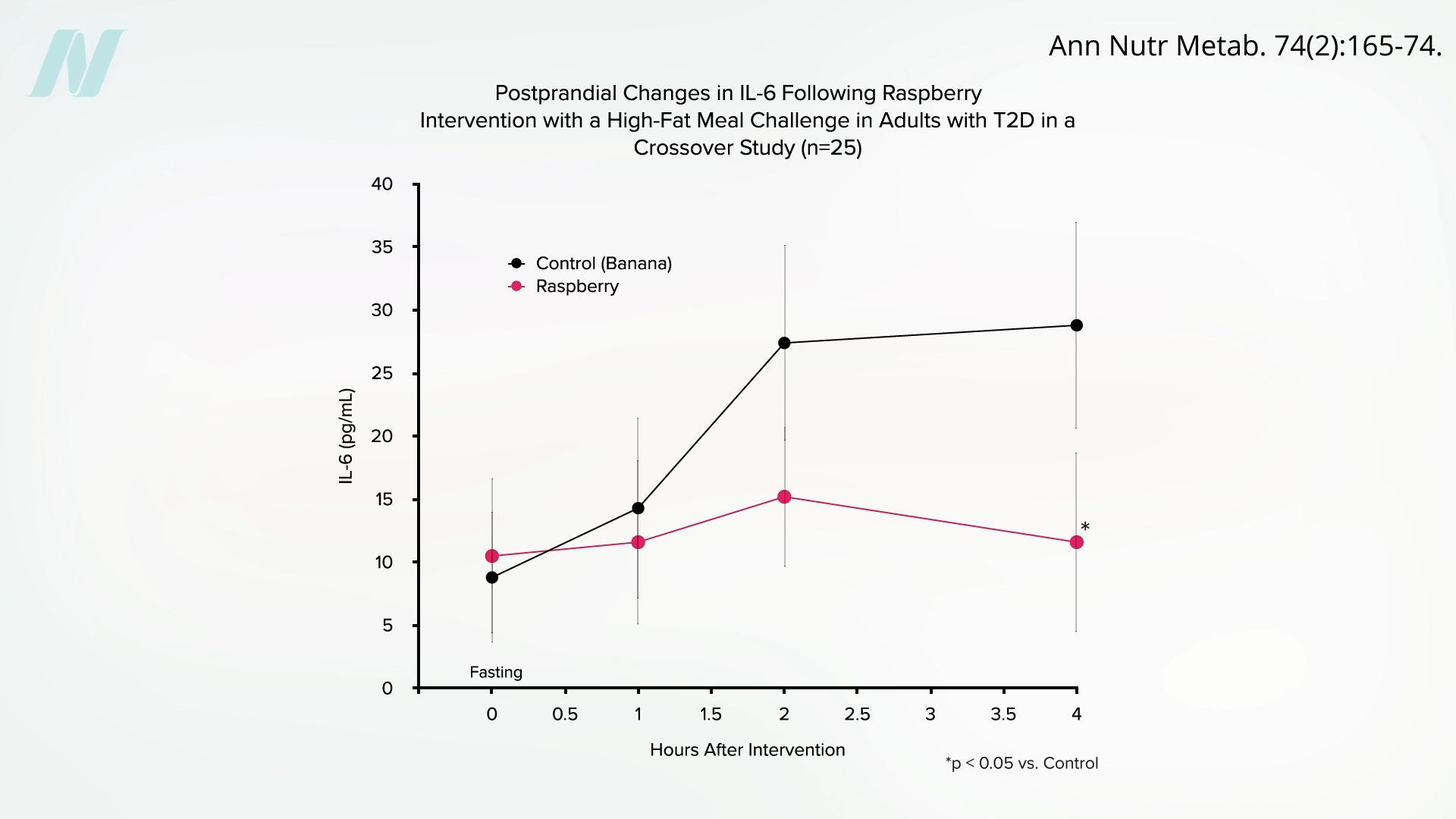
Further demonstrating the potent anti-inflammatory capacity of berries, another study examined the effects of raspberries. Participants consumed a meal comprising eggs, butter, white potatoes, white flour biscuits, and sausage, either with or without two cups of frozen raspberries blended into a smoothie. A control group received the same caloric and carbohydrate load in the form of a banana smoothie. The findings revealed a dramatic tripling of IL-6 levels within four hours following the pro-inflammatory meal without raspberries. However, when participants consumed the raspberry smoothie, their bodies were able to maintain stable IL-6 levels, effectively neutralizing the inflammatory impact of the meal. This research, visualized in accompanying charts and video presentations, underscores the distinct anti-inflammatory capabilities of raspberries compared to other fruits like bananas.
The Role of Antioxidants and Anthocyanins
The efficacy of berries in combating inflammation is often attributed to their rich antioxidant content, particularly a class of compounds known as anthocyanins. These pigments, responsible for the vibrant red, blue, and purple hues of berries, have been the subject of extensive scientific inquiry. While antioxidant supplements, such as vitamins C and E, beta-carotene, and selenium, have largely failed to demonstrate significant anti-inflammatory benefits in clinical trials, whole foods like berries, packed with anthocyanins, have shown consistent positive effects.
Dozens of randomized controlled trials have demonstrated the ability of anthocyanin-rich foods to reduce inflammation over time. Furthermore, studies focusing on pomegranates, another fruit abundant in anthocyanin pigments, have also shown their capacity to lower inflammation. This distinction between the benefits of whole foods rich in specific phytonutrients and isolated nutrient supplements is a critical insight in understanding effective dietary strategies.
Spices: Nature’s Anti-Inflammatory Arsenal
Beyond fruits, certain spices have also emerged as potent allies in the fight against inflammation. While extracts from grapes and turmeric, when administered as supplements, did not significantly alter the inflammatory response to a milkshake, the use of whole spices yielded different results. A study involving the daily consumption of one teaspoon of actual turmeric powder, as opposed to purified curcumin supplements, resulted in a significant decrease in IL-6 levels.
Similarly, garlic powder has been shown to reduce IL-6 levels, with beneficial effects observed at doses as low as half a teaspoon per day. Ginger powder has demonstrated comparable results, with effective doses ranging from half a teaspoon to one and a half teaspoons daily. These findings suggest that the synergistic compounds present in whole spices, rather than isolated active ingredients, may be responsible for their anti-inflammatory properties.
The Impact of Plant-Based Diets on Inflammation
Perhaps one of the most significant dietary shifts for combating inflammation is the adoption of a plant-based diet. While simply reducing the consumption of inflammatory foods like those found in a "Sausage and Egg McMuffin" is a crucial first step, a comprehensive shift towards plant-centric eating offers more profound benefits.
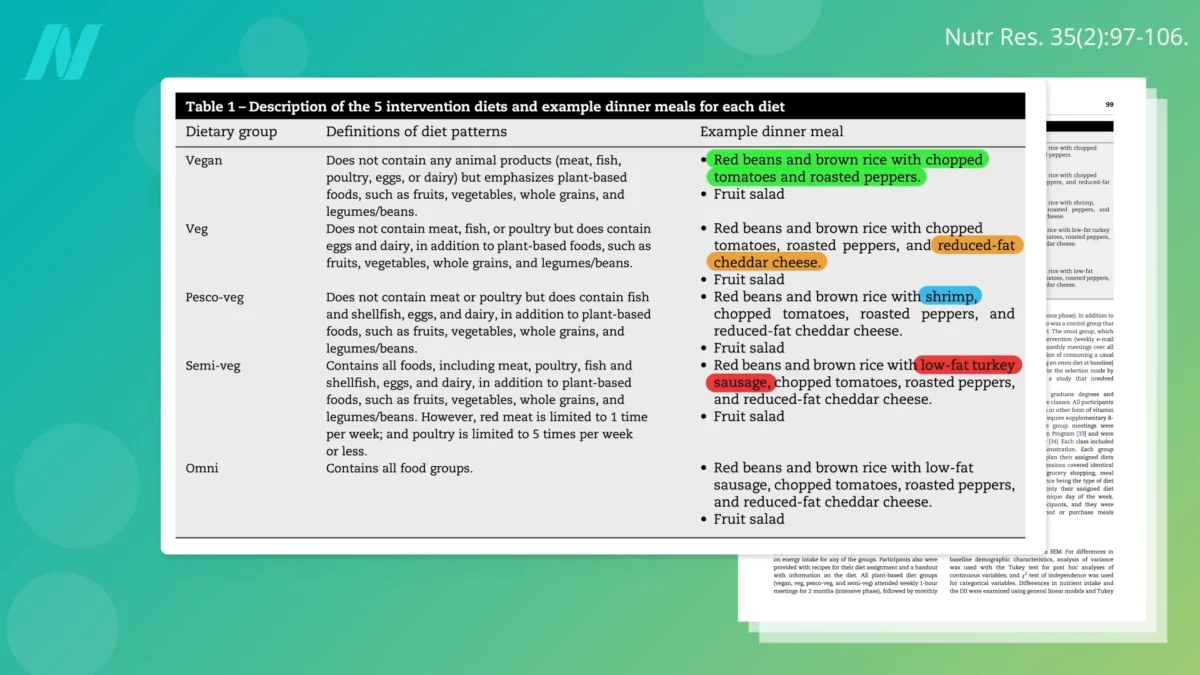
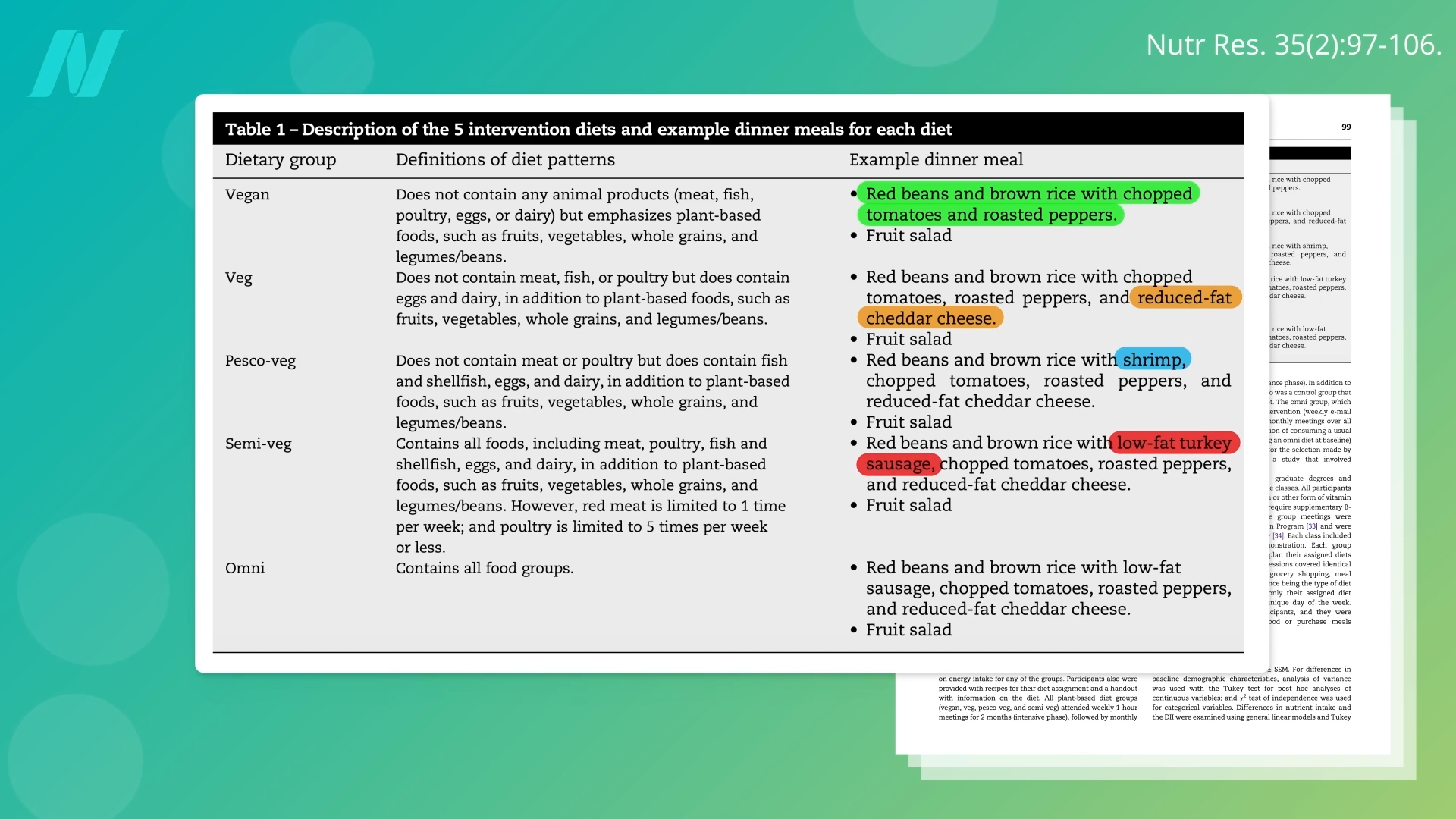
Early studies exploring plant-centered diets, such as the Mediterranean diet, showed some positive effects, but the precise impact on inflammation was not always statistically significant. This ambiguity led researchers to question the exact composition of the diets consumed. A landmark study, the New DIETs study, provided clearer insights by comparing the effects of various dietary patterns on inflammation. Participants were assigned to either continue their omnivorous diets or adopt vegan, vegetarian, pesco-vegetarian, or semi-vegetarian diets.
Dietary Inflammatory Index and the Power of Whole Foods
The New DIETs study meticulously tracked changes in participants’ Dietary Inflammatory Index (DII) scores, a validated measure of the inflammatory potential of an individual’s diet. Negative DII scores indicate an anti-inflammatory diet, with lower scores signifying greater anti-inflammatory impact. Conversely, positive scores denote a pro-inflammatory diet.
Within two months, participants who transitioned to strictly plant-based nutrition—including vegan and vegetarian diets—experienced a dramatic shift in their DII scores, moving from a pro-inflammatory to an anti-inflammatory profile. This positive transformation was also observed in groups that significantly reduced or eliminated meat consumption, even if fish was still included (pesco-vegetarian). However, diets that primarily focused on poultry or only limited meat intake did not achieve the same level of anti-inflammatory effect, suggesting that a more comprehensive reduction in animal products is key.
The study further elucidated the importance of the quality of plant foods consumed. While boosting the intake of less healthy plant-based options like juices, white bread, and sugary treats can paradoxically increase inflammation, a diet centered on whole, unprocessed plant foods yields substantial health benefits. These diets have been shown to significantly reduce levels of lipoprotein(a) (Lp(a)), a marker previously thought to be unresponsive to dietary interventions, as well as lowering LDL cholesterol and its most dangerous forms. Crucially, these whole-food plant-based diets consistently lead to significant reductions in inflammatory markers, with C-reactive protein dropping by approximately 30% and IL-6 by around 20%.
Implications for Public Health and Future Research
The consistent findings from these studies carry significant implications for public health initiatives and individual dietary choices. The evidence strongly suggests that a whole-food, plant-based dietary pattern, characterized by the elimination of animal products and processed foods, represents a more prudent and effective strategy for combating chronic inflammation. Previous studies that did not achieve significant anti-inflammatory outcomes may have fallen short due to insufficient adherence to truly plant-based principles, with animal products still being substantially consumed.
The research not only provides a clear roadmap for individuals seeking to improve their health through diet but also highlights areas for future scientific investigation. Further studies could focus on optimizing the implementation of plant-based diets in diverse populations and exploring the synergistic effects of combining various anti-inflammatory foods and spices.
Conclusion: A Call to Embrace an Anti-Inflammatory Lifestyle
In summary, the journey to understanding the anti-inflammatory diet reveals a powerful synergy between our food choices and our body’s inflammatory response. By prioritizing nutrient-dense, whole foods such as berries, a variety of spices, and a predominantly plant-based eating pattern, individuals can actively work to reduce chronic inflammation, mitigate mortality risk, and promote long-term health and well-being. The scientific consensus is increasingly pointing towards a dietary paradigm shift that embraces the natural anti-inflammatory power of plant-based nutrition.

