


While Australia’s global reputation is frequently anchored by the architectural marvels of Sydney and the cultural density of Melbourne, a significant shift in domestic and international travel patterns has brought the nation’s regional towns into sharper focus. Beyond the metropolitan sprawl, Australia’s countryside is home to a network of small communities that serve as custodians of the continent’s colonial history, Indigenous heritage, and ecological diversity. These towns, often characterized by populations under 5,000, are increasingly recognized not merely as stopovers but as primary destinations for heritage tourism and "slow travel."
The Victorian Gold Rush Legacy: Beechworth and Daylesford
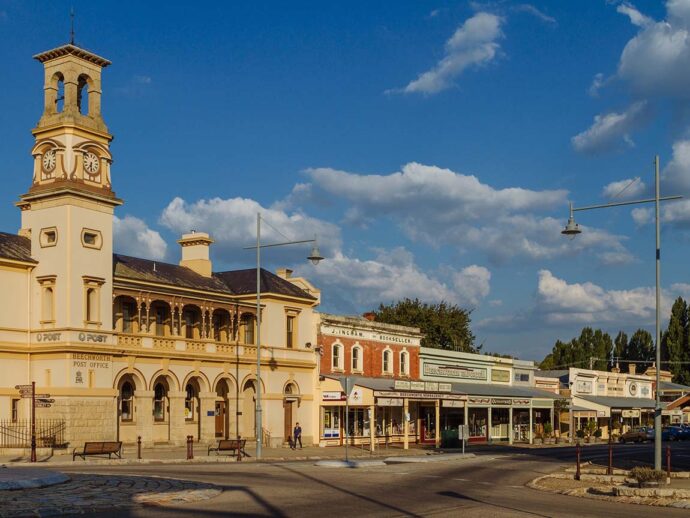
The mid-19th century represented a transformative era for the colony of Victoria, driven almost entirely by the discovery of gold. This period of rapid economic expansion left an indelible mark on towns like Beechworth. Located approximately 285 kilometers northeast of Melbourne, Beechworth remains one of Australia’s best-preserved 19th-century gold-mining towns.
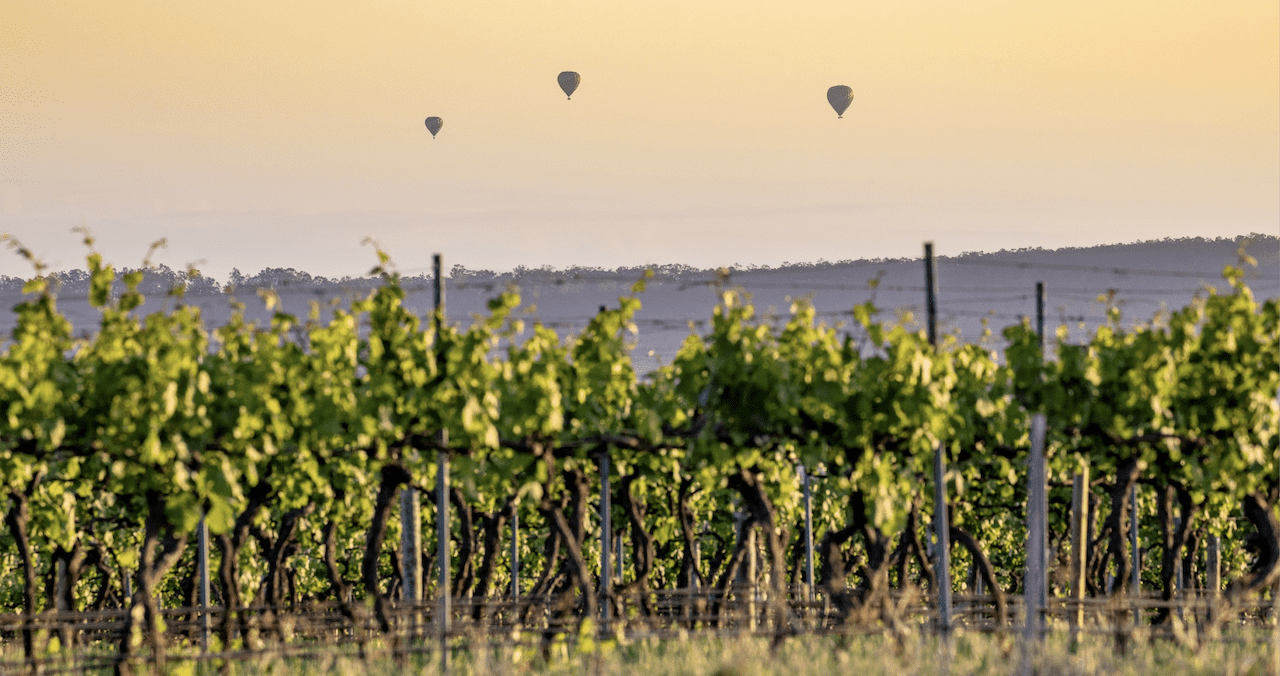
In the 1850s, the Ovens goldfields attracted thousands of prospectors, leading to the construction of substantial granite buildings, many of which still stand today. The town’s historical narrative is further enriched by its association with the bushranger Ned Kelly, who was held in the local gaol. Today, with a population of roughly 3,000, Beechworth has transitioned from an extraction-based economy to one centered on tourism and viticulture. The proximity to the King Valley allows the town to serve as a hub for the regional prosecco industry, a sector that has seen significant growth as Australian palates shift toward lighter, sparkling wines.
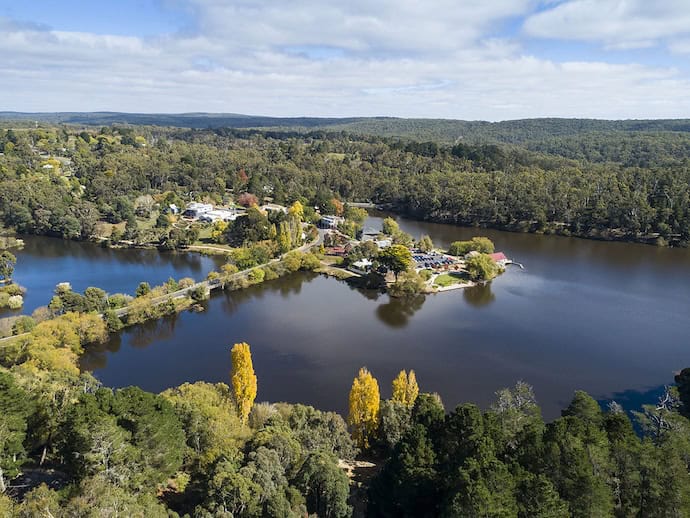
Similarly, Daylesford, situated in the foothills of the Great Dividing Range, owes its 1852 founding to the gold rush. however, its long-term viability was secured by its unique geology. The area contains the highest concentration of naturally occurring mineral springs in Australia. By the late 1800s, Daylesford had evolved into a premier "spa town," a reputation it maintains in the 21st century. The town’s economic model is now heavily reliant on wellness tourism, with a high density of luxury retreats and holistic health centers. Data from regional tourism boards suggest that Daylesford’s ability to offer "quietude" is its primary market differentiator, attracting a demographic of high-income earners from Melbourne seeking respite from urban density.
Cultural Preservation and Immigrant History: Hahndorf
In South Australia, the town of Hahndorf provides a distinct case study in cultural preservation. Established in 1839 by Lutheran settlers fleeing religious persecution in Prussia, it is recognized as the oldest surviving German settlement in Australia. The town’s layout and architecture—notably the "Fachwerk" (timber-framed) buildings—reflect a deliberate effort by the early community to maintain their cultural identity within the British colonial framework.

Located just 28 kilometers from Adelaide, Hahndorf serves as a significant cultural asset for the state. Unlike much of the Australian interior, the town experiences a temperate climate where maximum temperatures rarely exceed 20 degrees Celsius for a significant portion of the year. This climatic anomaly has influenced local agriculture and the types of flora that thrive in the region, further distinguishing it from the typical Australian rural aesthetic. Analysts note that Hahndorf’s success as a tourist destination is rooted in its "authentic" European atmosphere, which provides a unique historical contrast to the surrounding South Australian landscape.
Indigenous Heritage and Natural Conservation: Leura and Dorrigo
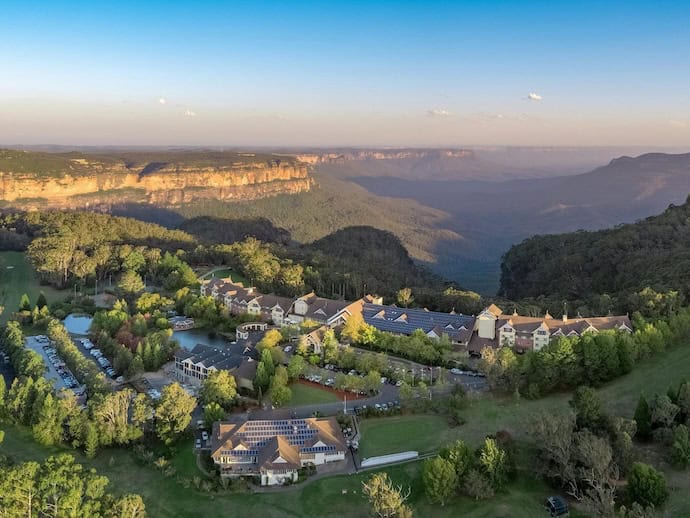
The Blue Mountains of New South Wales offer a different historical trajectory, one that predates European arrival by millennia. Leura, located 100 kilometers west of Sydney, sits on land that has been inhabited by the Darug and Gundungurra peoples for over 12,000 years. The town’s modern development was spurred by the expansion of the Main Western Railway Line in the late 19th century, which opened the region to Sydney’s elite as a summer retreat.
Leura’s contemporary appeal is intrinsically linked to its environmental surroundings. The town serves as a gateway to the Blue Mountains National Park, a region defined by its biodiversity and dramatic sandstone escarpments. The local economy is bolstered by nature-based tourism, with visitors contributing significantly to the preservation of local wildlife habitats.
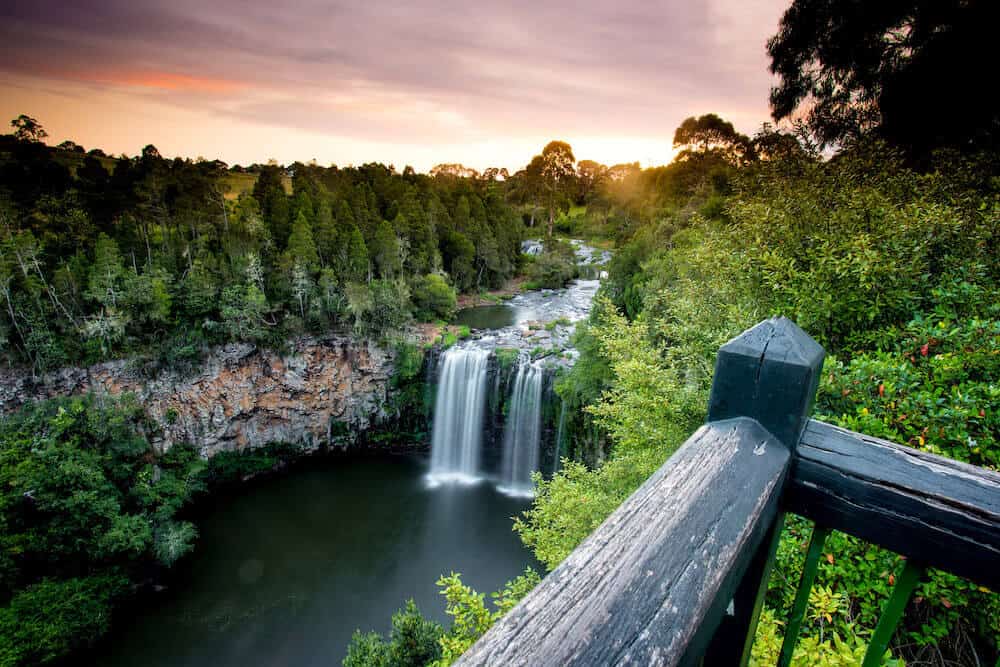
Further north, the town of Dorrigo represents a critical intersection of history and environmental science. With a population of just over 1,000, Dorrigo is the gateway to the Dorrigo National Park, a component of the Gondwana Rainforests of Australia. This area is protected under the UNESCO World Heritage list because it contains a remarkably high concentration of ancient plant and animal species that provide a living record of the Earth’s evolutionary history. The Dangar Falls, located near the town center, serves as a focal point for geological education and ecological tourism. UNESCO’s designation of the surrounding rainforest highlights the global significance of these regional Australian pockets, which provide essential data for climate researchers and biologists.
Economic Diversification in the West: Margaret River
In Western Australia, Margaret River has become a global benchmark for successful regional branding. Originally a timber and dairy region, the town underwent a radical transformation following the "Group Settlement Scheme" post-World War I and the subsequent discovery of its viticultural potential in the late 1960s.
Today, Margaret River is synonymous with high-quality Cabernet Sauvignon and Chardonnay. The town’s economy is a sophisticated blend of agriculture, tourism, and professional services. The geographical isolation of the region—roughly 270 kilometers south of Perth—has encouraged the development of a self-sustaining local culture that prioritizes environmental sustainability and artisanal production. The coastline, famous for its big-wave surfing, adds a layer of recreational tourism that complements the more refined wine-and-dine sector. Statistics from Tourism Western Australia indicate that the Margaret River region consistently outperforms other regional areas in terms of visitor spend-per-head, largely due to its luxury branding.
The Hinterlands and Extreme Environments: Tenterfield and Coober Pedy
Tenterfield, located in the New England region of New South Wales, is often referred to as the "Birthplace of Our Nation." It was here in 1889 that Sir Henry Parkes delivered his famous oration calling for the federation of the Australian colonies. This historical weight is preserved in the town’s numerous museums and heritage-listed buildings. Beyond its political history, Tenterfield is surrounded by five national parks, including Bald Rock National Park, which features the largest exposed granite monolith in Australia. This combination of political heritage and geological wonder creates a multifaceted tourism draw.
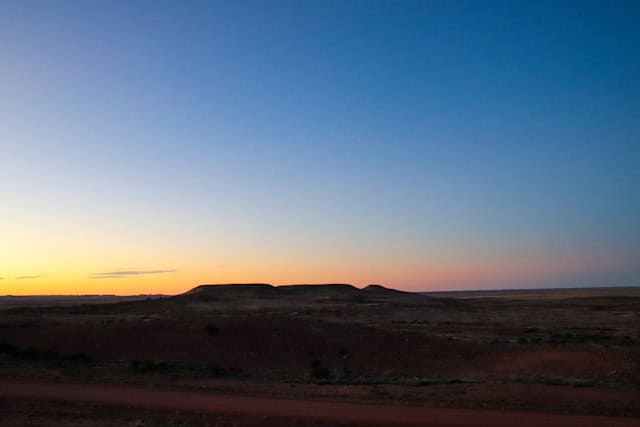
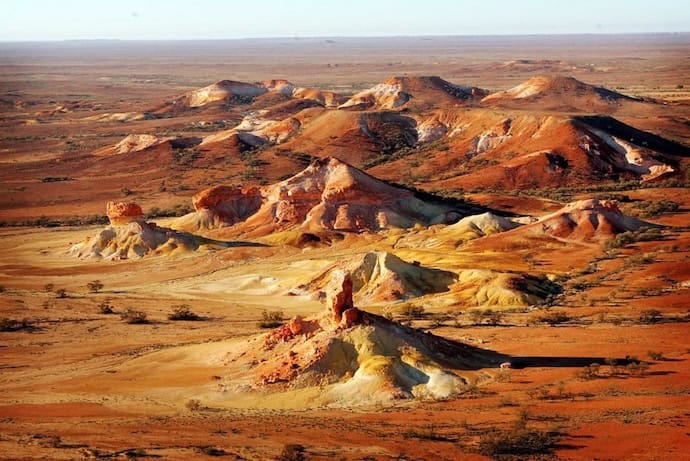
In stark contrast to the lush hinterlands of New South Wales is the town of Coober Pedy in the South Australian outback. Established in 1915 following the discovery of opal, Coober Pedy produces approximately 70% of the world’s precious opal. The town’s most striking feature is its subterranean architecture. Due to the extreme desert heat, where summer temperatures regularly exceed 40 degrees Celsius, a majority of the 1,500 residents live in "dugouts"—residences carved into the hillsides.
Coober Pedy’s underground living is not merely a tourist novelty but a masterclass in passive geothermal cooling. The thermal mass of the earth maintains a constant, comfortable temperature year-round, significantly reducing the town’s energy consumption. This unique adaptation to an inhospitable environment has made the town a subject of study for architects and urban planners interested in sustainable desert living.
The Tasmanian Frontier: Scamander
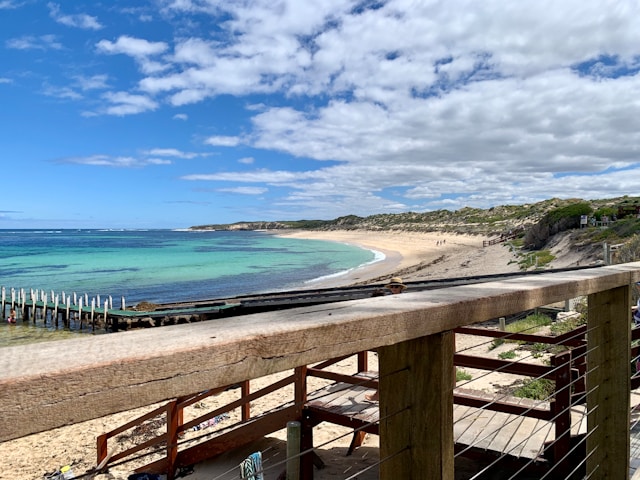
On the northeast coast of Tasmania, the town of Scamander provides a glimpse into the island state’s quieter, coastal life. With a population of fewer than 900 people, Scamander represents the "frontier" of Australian regional tourism. While the town lacks the grand colonial architecture of Beechworth or the political history of Tenterfield, its value lies in its pristine natural state and its role in Tasmania’s growing reputation as a sanctuary for endangered species, such as the Tasmanian Devil. The local economy is largely seasonal, driven by domestic travelers seeking the isolation and rugged beauty of the Tasmanian coastline.
Analysis of Regional Implications and Broader Impact
The sustained interest in these small towns reflects a broader trend in the Australian economy: the decentralization of tourism. As the "Big Two" cities (Sydney and Melbourne) face increasing pressure from over-tourism and rising costs, regional councils have seized the opportunity to market their unique historical and natural assets.
State governments have responded with significant infrastructure investments. The New South Wales and Victorian governments, for instance, have funneled millions into regional rail and high-speed internet (NBN) connectivity, enabling a "tree change" phenomenon where professionals relocate to these small towns while maintaining remote employment. This influx of new residents provides a much-needed demographic boost to towns that were once facing decline due to the mechanization of agriculture.
Furthermore, the preservation of these towns is essential for Australia’s national identity. By maintaining the integrity of gold-rush sites, Indigenous landmarks, and immigrant settlements, these communities act as living museums. They offer a more nuanced understanding of the Australian story—one that includes the complexities of colonial expansion, the resilience of ancient cultures, and the ingenuity required to survive in the world’s driest inhabited continent.
In conclusion, the peaceful countryside towns of Australia are far more than relics of the past. They are active, evolving hubs that contribute significantly to the nation’s GDP, environmental research, and cultural heritage. As global travel trends continue to favor authenticity and sustainability, these small towns are positioned to remain at the forefront of the Australian tourism industry, welcoming visitors with a blend of historical depth and natural tranquility.

