

The global food supply faces a pervasive challenge: contamination by fungal mycotoxins. While most agricultural products carry some level of these toxic compounds, certain foods, particularly those derived from grains and processed products, present a greater concern for public health. Emerging research and updated analyses reveal that the prevalence of mycotoxin contamination may be significantly higher than previously estimated, prompting a closer examination of dietary sources and potential mitigation strategies.
The Ubiquity of Mycotoxins in Global Crops
Mycotoxins are toxic secondary metabolites produced by molds that can grow on a wide variety of crops, both before harvest and during storage. These contaminants pose significant health risks, including liver and kidney damage, immune suppression, and cancer. For decades, estimates suggested that around 25% of the world’s food crops were affected by mycotoxins. However, more recent assessments, drawing on enhanced analytical testing methods and considering the impact of climate change, indicate that this figure could be as high as 60% to 80%. This alarming increase in prevalence underscores the urgent need for greater awareness and robust regulatory oversight.
The Food and Agriculture Organization of the United Nations (FAO) has been instrumental in tracking and addressing mycotoxin contamination. While the exact methodology behind the widely cited 25% figure is subject to ongoing review, the more recent higher estimates reflect a growing scientific consensus driven by advancements in detection technology. Climate change, with its associated increases in temperature and humidity in many agricultural regions, creates a more favorable environment for fungal growth, thus exacerbating the mycotoxin problem. This dynamic interplay between environmental factors and agricultural practices necessitates a multi-faceted approach to food safety.
Oats: A Nutritional Powerhouse with a Mycotoxin Caveat
Oats are often lauded for their nutritional profile, particularly their capacity to act as prebiotics that promote the growth of beneficial gut bacteria. However, the form in which oats are consumed can significantly influence both their health benefits and their mycotoxin exposure. Intact oat groats, the whole grain before any processing, represent the least altered form. Steel-cut oats, which are groats cut into smaller pieces, offer a slightly more processed option. At the other end of the spectrum are highly processed oat-based cereals, such as those found in many breakfast aisles.
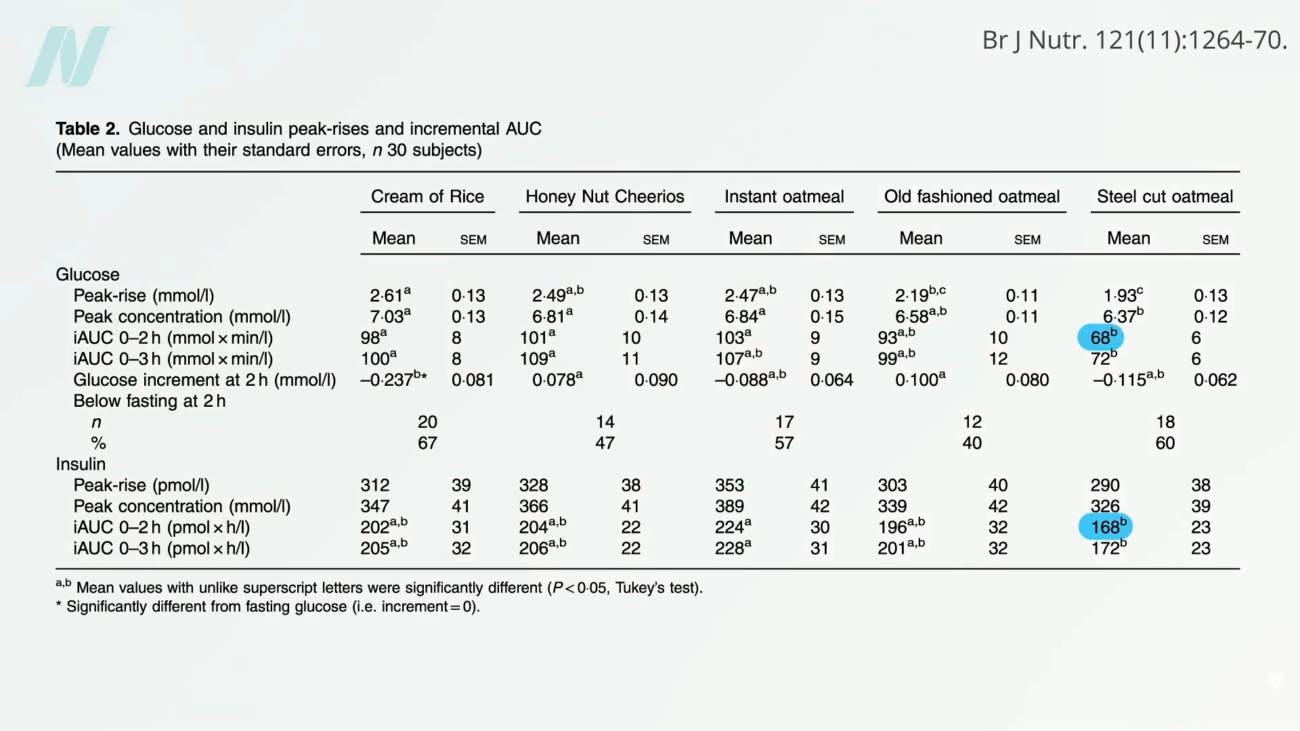
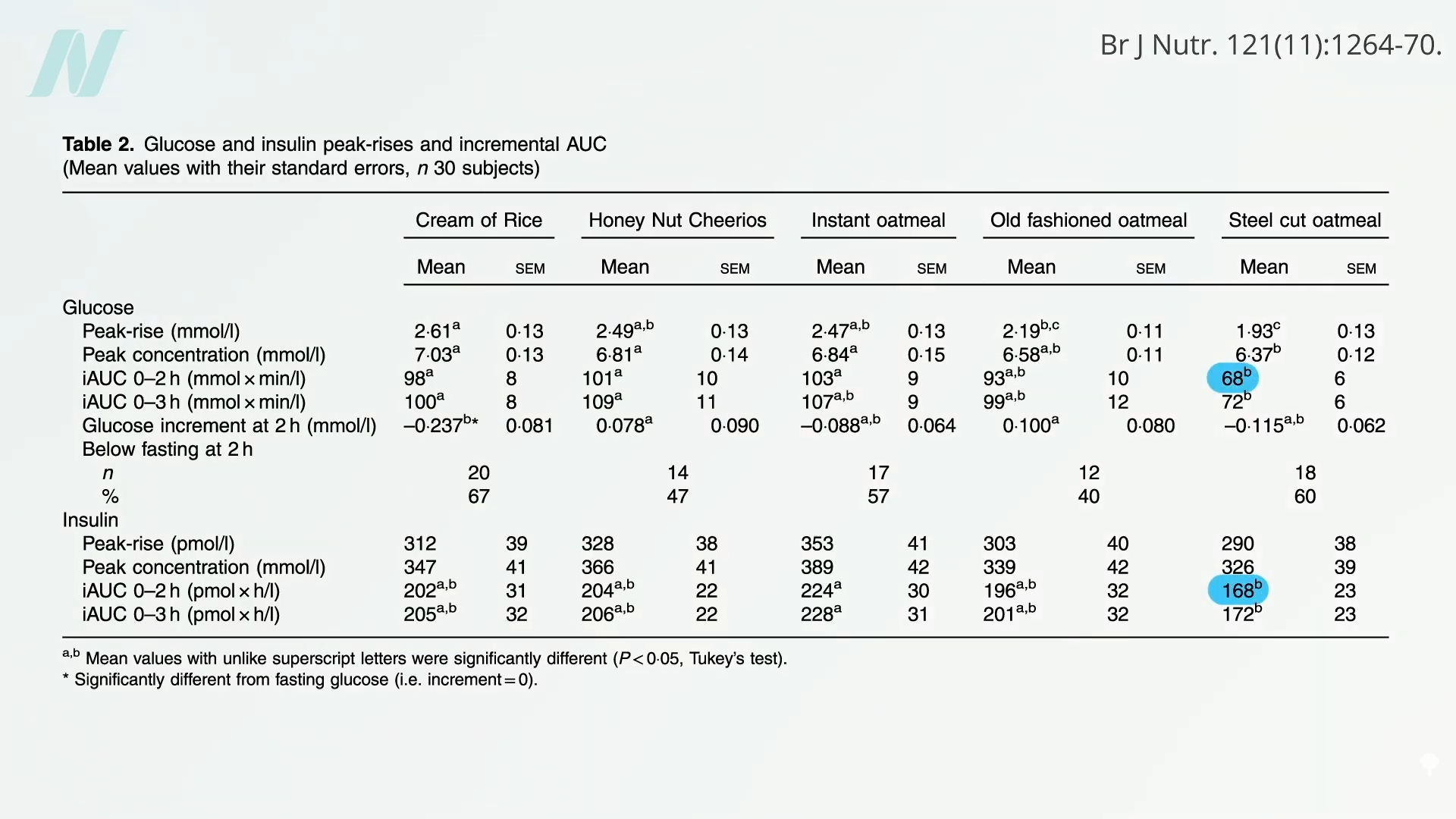
The processing of oats, particularly rolling and grinding, can alter the structure of the grain. Rolling crushes the oat kernel, potentially disrupting cell walls and damaging starch granules. This damage can make starches more readily digestible by enzymes in the upper digestive tract, leading to faster glucose absorption and higher blood sugar and insulin spikes. From a prebiotic perspective, this is less advantageous because the goal is for undigested starches to reach the colon, where they can ferment and feed beneficial gut microbes. Grinding oats into flour for breakfast cereals further increases starch accessibility, exacerbating these effects. Studies comparing blood sugar and insulin responses have demonstrated significantly lower glycemic responses with less processed forms like steel-cut oats compared to highly refined oat products.
Beyond glycemic response, oats are also a notable source of ochratoxin A (OA), a potent mycotoxin produced by Aspergillus and Penicillium fungi. Research indicates that oats are a leading dietary source of ochratoxin exposure for consumers. While the exact figures for ochratoxin contamination in oats can vary by region and harvest year, numerous studies have identified significant levels. This means that while oats offer valuable prebiotics, the potential for ochratoxin contamination necessitates careful consideration of consumption patterns and sourcing.

Ochratoxin A: A Significant Health Threat
Ochratoxin A is a mycotoxin of considerable concern due to its diverse toxicological effects. It is recognized as a nephrotoxin, meaning it can damage the kidneys. Furthermore, studies have linked ochratoxin A to immunosuppression, potentially weakening the body’s defense mechanisms against infections. Developmental toxicity, including the potential to cause birth defects, has also been a focus of research, as has its classification as a possible human carcinogen.
The widespread presence of ochratoxin A in various food commodities means that understanding its routes of exposure is critical. While oats are identified as a primary dietary source in many populations, other foods also contribute to overall exposure.
Other Significant Sources of Mycotoxin Contamination
Spices: Spices, while consumed in small quantities, have been found to exhibit some of the highest concentrations of mycotoxins. This is often due to their storage conditions and the potential for mold growth. However, due to the typically small serving sizes, their overall contribution to daily mycotoxin intake is generally considered less significant than that of staple crops. Nevertheless, best practices for storing spices, such as keeping them dry after opening sealed containers, can help minimize further mold development and mycotoxin production.
Dried Herbs and Supplements: Dried herbs, particularly those used in herbal supplements, can also be a source of mycotoxin contamination. Research has identified milk thistle-based supplements as having particularly high concentrations of mycotoxins. The agricultural conditions required for milk thistle harvest, often involving humid and wet weather, create an environment conducive to mold growth. Given that milk thistle preparations are frequently used by individuals with liver conditions, the potential for ingesting liver-toxic compounds like mycotoxins raises significant concerns for this vulnerable population.
Wine: Wine, especially that sourced from certain regions like the United States, has also been implicated in higher levels of mycotoxin contamination, including ochratoxin A. In some instances, the single highest level of ochratoxin A detected globally has been found in a U.S. wine. The consistent presence of mycotoxins in wine has led some researchers to suggest it as a potential contributor to the baseline levels observed in individuals’ blood, particularly among regular wine drinkers.
The Challenge of Mitigation and Detoxification
Addressing the pervasive issue of mycotoxin contamination requires a multi-pronged strategy that includes prevention, detection, and detoxification.
Preventative Measures: On the agricultural front, strategies aimed at reducing fungal growth during crop production and storage are paramount. This includes optimizing harvesting times, ensuring proper drying and storage conditions, and exploring the use of mold-resistant crop varieties. Climate change adaptation strategies are also becoming increasingly crucial.
Analytical Advancements: The development of more sensitive and rapid analytical methods for detecting mycotoxins in food products is essential for effective monitoring and regulatory enforcement. This allows for quicker identification of contaminated batches and helps prevent their entry into the food supply.
Detoxification Strategies: While preventing contamination is ideal, it is not always practical. Therefore, research into methods for detoxifying mycotoxins already present in food is gaining traction. One promising approach involves the use of yeast. Certain types of yeast can bind to mycotoxins, including ochratoxin A, effectively sequestering them. The idea is that these mycotoxin-yeast complexes could then be strained out of the food or beverage.
Studies have shown that yeast can bind a significant percentage of ochratoxin A in food matrices. For instance, research has demonstrated that yeast can remove up to 44% of ochratoxin A, though the stability of these complexes within the gastrointestinal tract remains a key area of investigation. The potential for using yeast as a binder to prevent mycotoxin absorption in the gut is being explored.
Nutritional Yeast as a Potential Adjuvant: Nutritional yeast, a deactivated yeast strain, has been investigated for its potential role in binding mycotoxins. Experiments in poultry have shown that yeast supplementation can reduce the severity of diseases caused by aflatoxin, another common mycotoxin. However, the efficacy of nutritional yeast as a binding agent in humans depends on the stability of the yeast-mycotoxin complex as it passes through the digestive system. While research indicates that yeast can bind ochratoxin, the actual reduction in absorption in the human gut is estimated to be around one-third, suggesting that even with bar snacks seasoned with nutritional yeast, exceeding tolerable intake levels after consuming a single glass of wine remains a possibility. Further research is needed to fully elucidate the effectiveness and safety of such interventions in humans.
Broader Impact and Future Directions
The pervasive nature of mycotoxin contamination poses a significant public health challenge with far-reaching implications. For consumers, it highlights the importance of making informed food choices, opting for less processed foods where possible, and being aware of potential risks associated with certain commodities. For regulatory bodies, it underscores the need for continuous monitoring, updating of safety standards, and international collaboration to address a problem that transcends borders.
The ongoing research into mycotoxin toxicology and mitigation strategies is crucial. Understanding the long-term health effects of chronic low-level exposure to mycotoxins is an active area of scientific inquiry. Furthermore, developing innovative and cost-effective detoxification methods that can be implemented at various stages of the food chain, from farm to fork, will be critical in safeguarding global food security and public health.
The series of videos from NutritionFacts.org, including those on ochratoxin in breakfast cereals, herbs, spices, and wine, as well as broader discussions on the concerns surrounding ochratoxin and aflatoxin, provide valuable insights for the public. These resources aim to demystify complex scientific findings and empower individuals to make healthier dietary decisions in the face of widespread mycotoxin contamination. The next steps in this research will likely focus on refining detoxification techniques, enhancing preventative measures in agriculture, and better understanding the cumulative health impacts of mycotoxin exposure from diverse dietary sources.

