

In an increasingly demanding world where time is a precious commodity, the pursuit of optimal fitness often collides with the constraints of a busy schedule. Scientific consensus, however, points to a highly efficient solution: compound exercises. These multi-joint movements are emerging as a cornerstone of effective fitness regimens, offering a streamlined path to enhanced strength, improved functional capacity, and accelerated metabolic benefits. This approach fundamentally reshifts the paradigm from isolated muscle training to a holistic, integrated body workout, proving to be a potent strategy for individuals aiming to elevate their physical well-being without committing extensive hours to the gym.
Understanding the Mechanics: Compound vs. Isolation
At the heart of exercise science lie two primary classifications: compound and isolation movements. Isolation exercises, as their name suggests, target a single muscle group across a single joint. Examples include bicep curls, tricep extensions, or leg extensions. For decades, particularly within bodybuilding circles, isolation exercises were lauded for their ability to meticulously sculpt individual muscles, promoting hypertrophy in specific areas.
In contrast, compound exercises engage multiple muscle groups simultaneously across several joints. Think of a squat, which involves the hips, knees, and ankles, activating the quadriceps, hamstrings, glutes, and core all at once. This fundamental distinction is critical to understanding their superior efficiency. While isolation movements have their place in rehabilitation or specific aesthetic shaping, the broader benefits of compound movements are gaining increasing recognition among sports scientists, physical therapists, and fitness professionals. The human body is designed to move as an integrated unit, and compound exercises mirror these natural, functional movements more closely than their isolated counterparts.
The Scientific Edge: Unpacking the Efficiency Claims
The assertion that compound exercises can be significantly more efficient than traditional workouts is not mere anecdotal evidence; it is rooted in physiological principles and backed by research. When multiple large muscle groups are activated concurrently, the body’s metabolic demand skyrockets. This leads to a higher caloric expenditure during the workout itself, but crucially, it also triggers a more pronounced post-exercise oxygen consumption (EPOC), often referred to as the "afterburn effect." Studies indicate that EPOC can keep the metabolism elevated for hours after a strenuous compound workout, contributing to greater overall calorie burn.
Furthermore, compound movements elicit a more robust hormonal response. The activation of larger muscle masses stimulates a greater release of anabolic hormones such as growth hormone and testosterone. These hormones are vital for muscle protein synthesis, aiding in muscle repair and growth, and consequently, contributing to an increased resting metabolic rate. A higher muscle mass means the body burns more calories even at rest, making compound exercises a powerful tool for long-term weight management and body composition improvement.
The "3.5x more efficient" claim, while requiring specific study context, broadly refers to the cumulative benefits across various physiological markers—from calorie burn and hormonal response to neuromuscular adaptation and functional strength gains—when compared to a similar duration spent on predominantly isolation-based training. This efficiency translates into tangible results in less time, making it an ideal approach for those with limited availability.
Beyond Efficiency: A Comprehensive Spectrum of Benefits
The advantages of integrating compound exercises into a fitness regimen extend far beyond mere time-saving and calorie burning:
-
Enhanced Functional Strength and Injury Prevention: Compound movements mimic the actions of daily life—lifting, pushing, pulling, squatting. By training muscles to work synergistically, these exercises improve overall functional strength, making everyday tasks easier and safer. They also enhance joint stability and proprioception (the body’s awareness of its position in space), which are critical factors in reducing the risk of injuries, both in athletic pursuits and general activities.
-
Improved Neuromuscular Coordination and Balance: The complex nature of compound exercises requires significant coordination between different muscle groups and the nervous system. This continuous challenge refines neuromuscular pathways, leading to improved balance, agility, and overall athletic performance.
-
Superior Cardiovascular Conditioning: While often categorized as strength training, the high metabolic demand and continuous movement in compound exercises, especially when performed in circuits or with minimal rest, elevate the heart rate significantly. This provides a substantial cardiovascular workout, improving endurance and heart health, often eliminating the need for separate, prolonged cardio sessions.
-
Increased Bone Density: Many compound exercises, particularly those involving weight-bearing movements like squats and lunges, place beneficial stress on bones. This stress signals the body to deposit more minerals into the bone matrix, leading to increased bone density and a reduced risk of osteoporosis, a crucial benefit as individuals age.
-
Time Optimization: For individuals with demanding schedules, the ability to achieve a comprehensive full-body workout in a shorter duration is invaluable. A well-structured compound exercise routine can deliver results comparable to longer, more fragmented workouts that rely heavily on isolation movements.
-
Mental Resilience and Focus: The challenging nature of compound exercises often requires greater mental focus and discipline. Successfully executing these movements, especially under fatigue, can build mental fortitude and a sense of accomplishment, contributing to overall well-being.
Key Compound Movements: Building a Foundation
A robust compound exercise routine can be developed with minimal or no equipment, making it accessible to nearly everyone. The following movements form a solid foundation:
-
Squats (Air Squat): Often called the "king of exercises," the squat is a fundamental human movement. It primarily targets the quadriceps, hamstrings, and glutes, while also engaging the core for stability.
- Execution: Stand with feet shoulder-width apart. Lower your hips as if sitting in a chair, keeping your chest up and back straight. Descend until your thighs are parallel to the ground (or as deep as comfortable with good form), then push through your heels to return to the starting position.
- Pro Tip: For added challenge, consider goblet squats (holding a weight at your chest) or jumping squats.
-
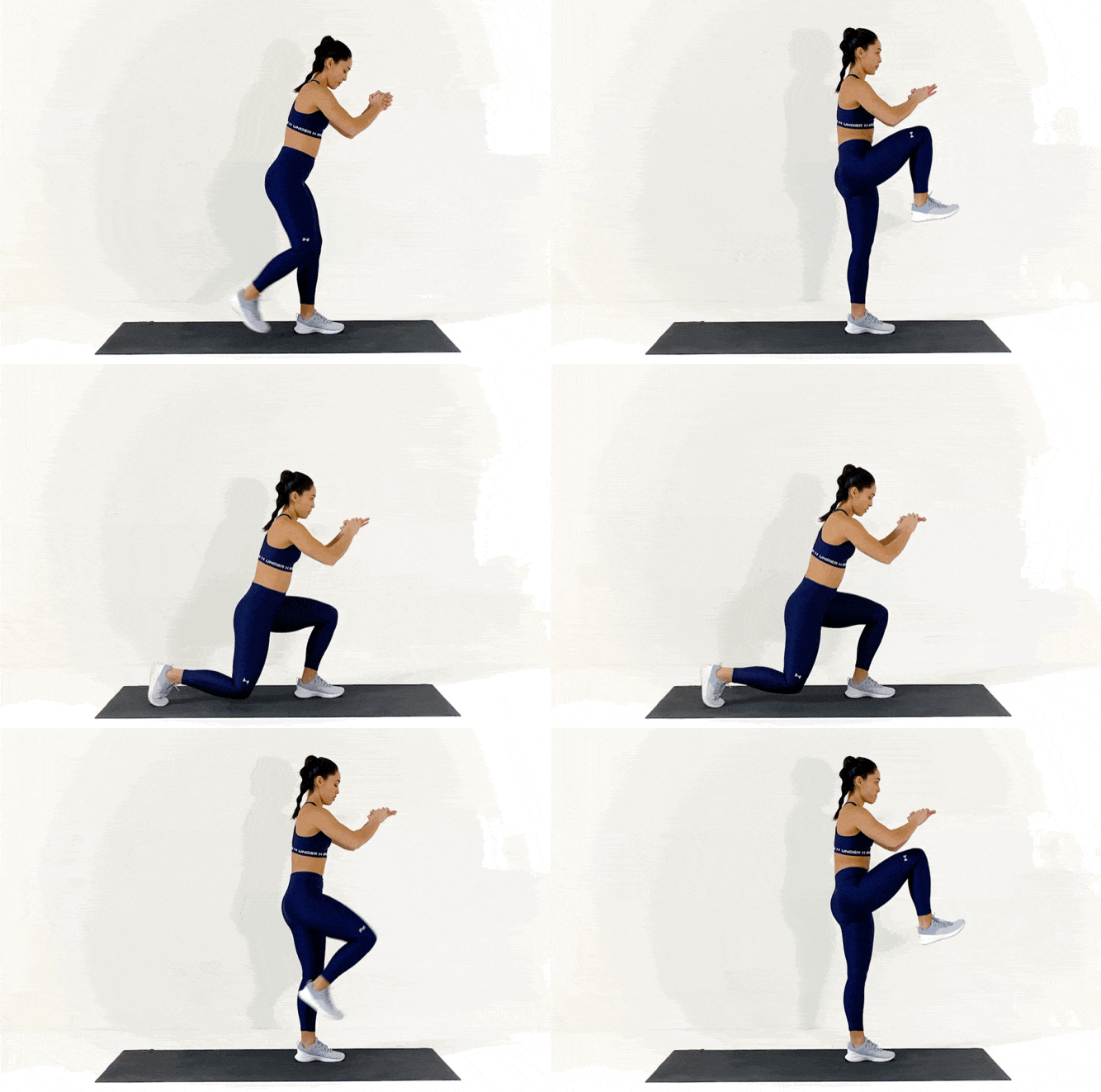
Lunges (Reverse Lunge with Knee Drive): Lunges are excellent for unilateral leg strength, addressing muscular imbalances, and improving balance. The knee drive adds a dynamic, cardio element.
- Execution: Step back with one foot into a lunge position, lowering your hips until both knees are bent at approximately 90 degrees. Ensure your front knee is directly above your ankle. Push off your back foot to drive your back knee forward and up towards your chest, then return to the starting lunge position or step back again.
- Pro Tip: Holding dumbbells can increase the intensity and muscle engagement.
-
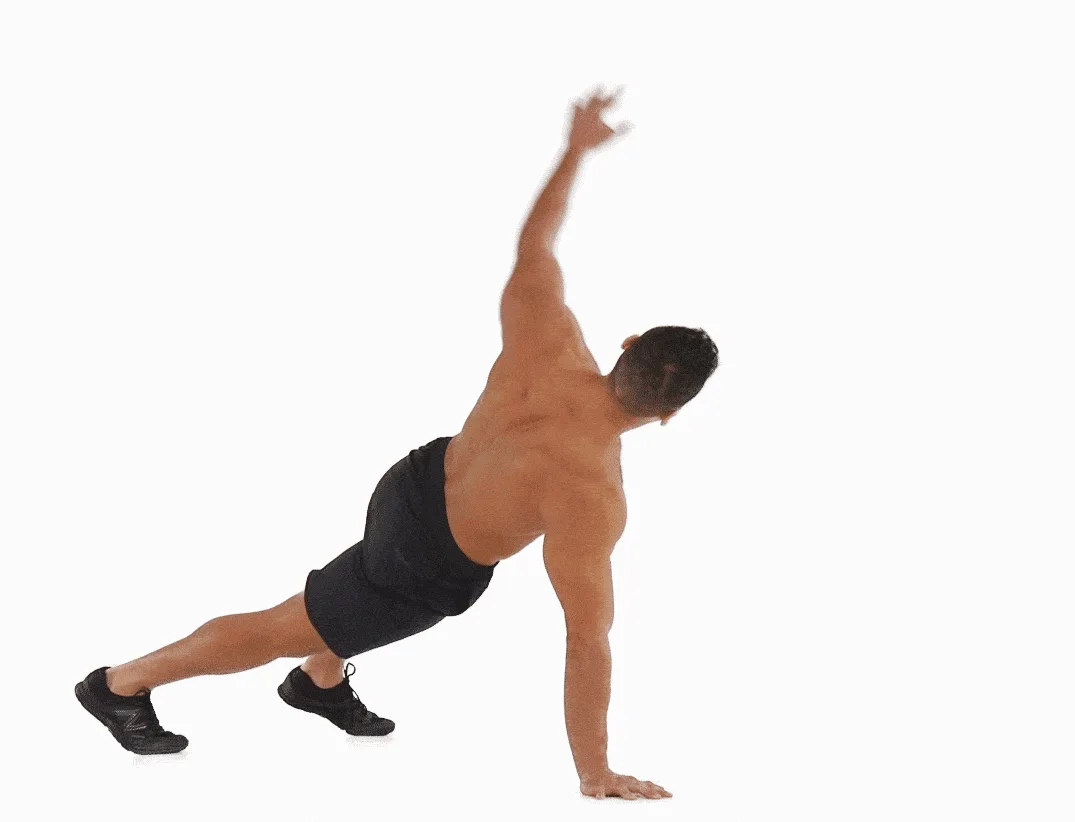
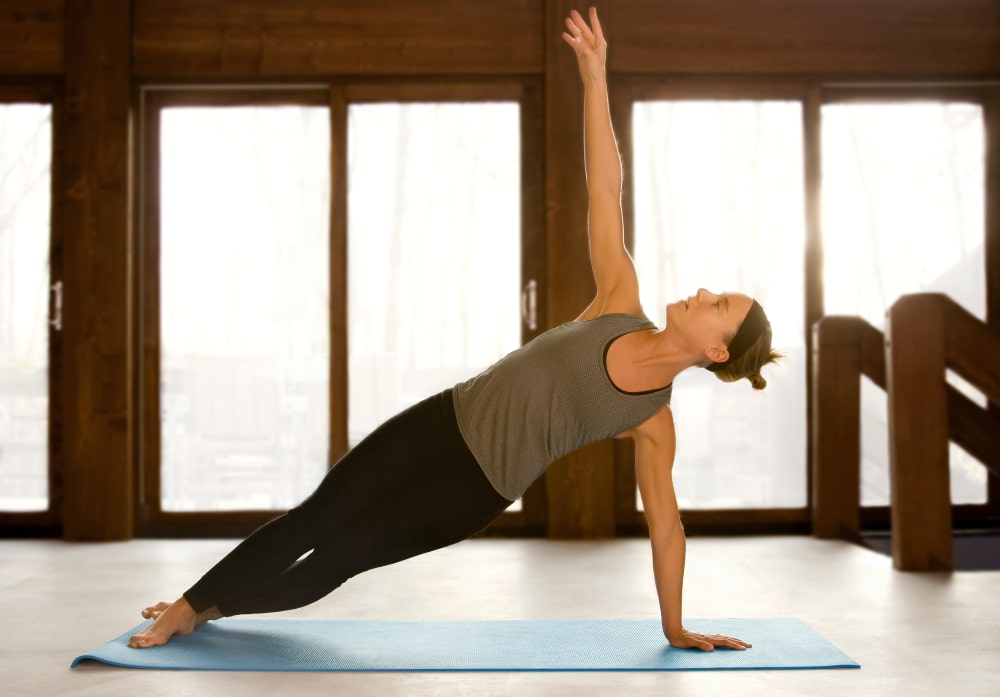
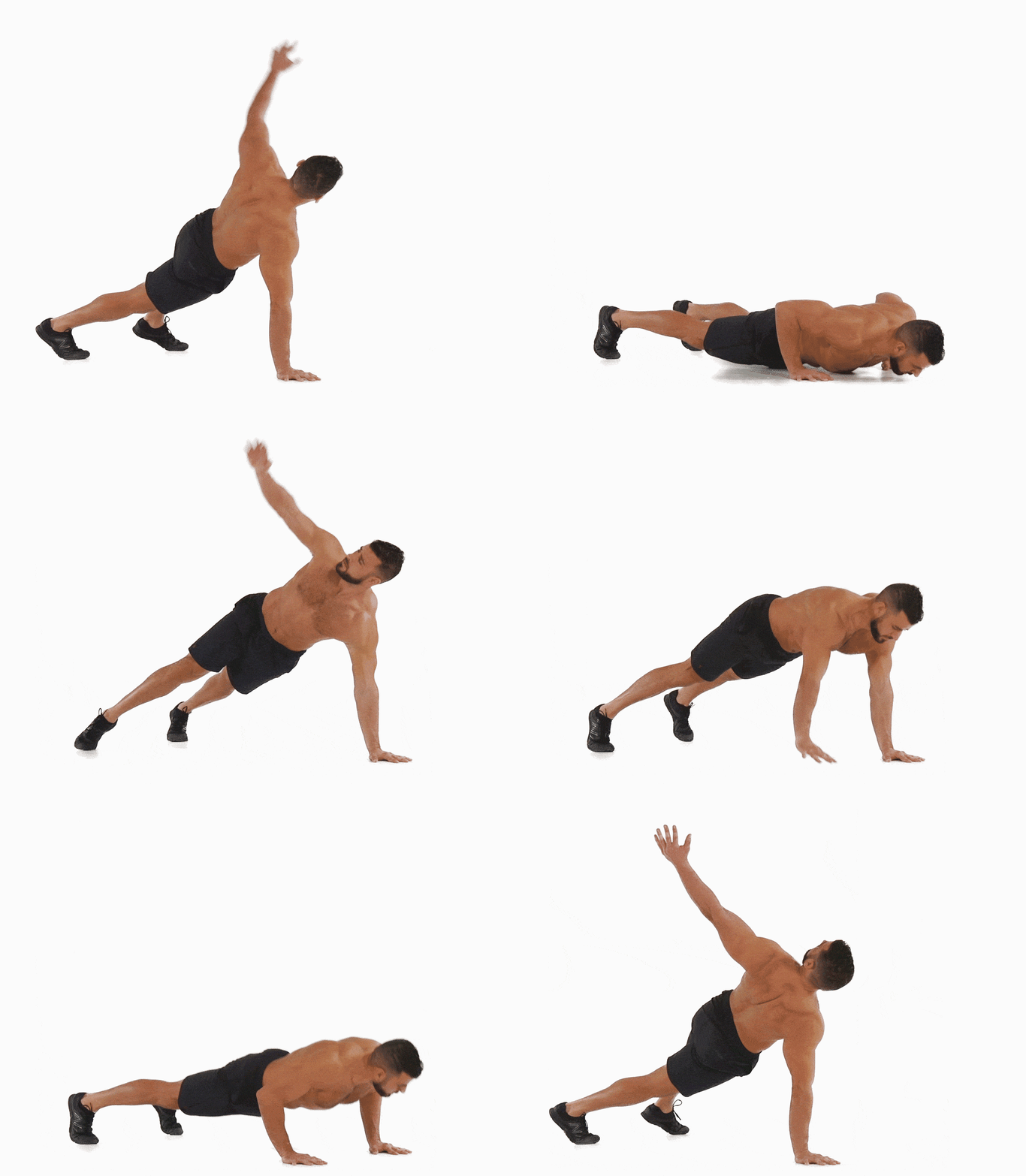
Push-Ups (Push-Up and Rotate): A foundational upper-body compound exercise, the push-up works the chest, shoulders, and triceps, with significant core engagement. Adding a rotation enhances core stability and engages the obliques.
- Execution: Start in a plank position, hands slightly wider than shoulder-width. Lower your chest towards the floor, keeping your body in a straight line. Push back up, then rotate your body to one side, extending one arm towards the ceiling in a side plank position. Return to the plank, perform another push-up, and rotate to the other side.
- Pro Tip: Beginners can modify by performing push-ups on their knees; advanced individuals can elevate their feet.
-
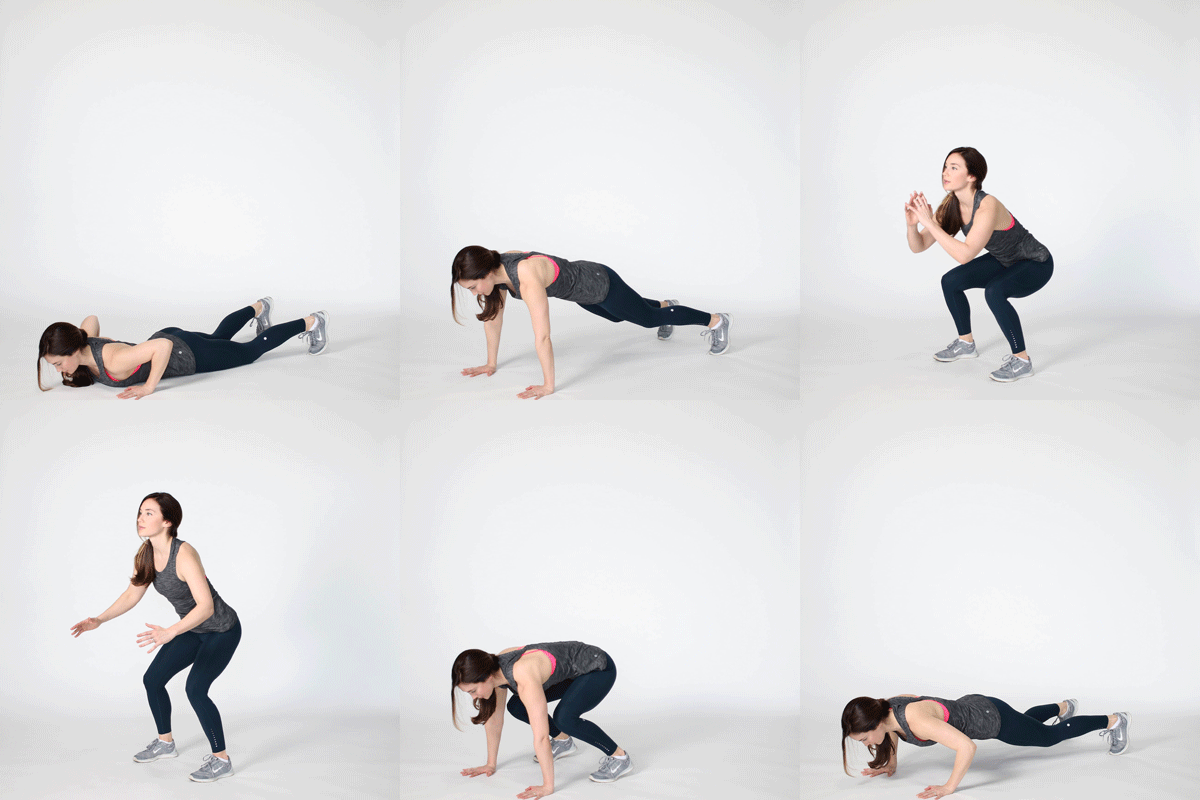
Burpees: The burpee is a full-body powerhouse, combining a squat, plank, push-up, and jump into one fluid movement, delivering significant cardiovascular and strength benefits.
- Execution: Start standing. Drop into a squat, placing hands on the floor. Kick feet back into a plank position, perform a push-up (optional), then jump feet back to hands. Explode upwards into a jump, raising arms overhead.
- Pro Tip: Maintain a strong core throughout the movement to protect the lower back.
-
Single-Leg Bridge: This exercise effectively targets the glutes, hamstrings, and core, focusing on hip extension and stability, crucial for athletic performance and posture.
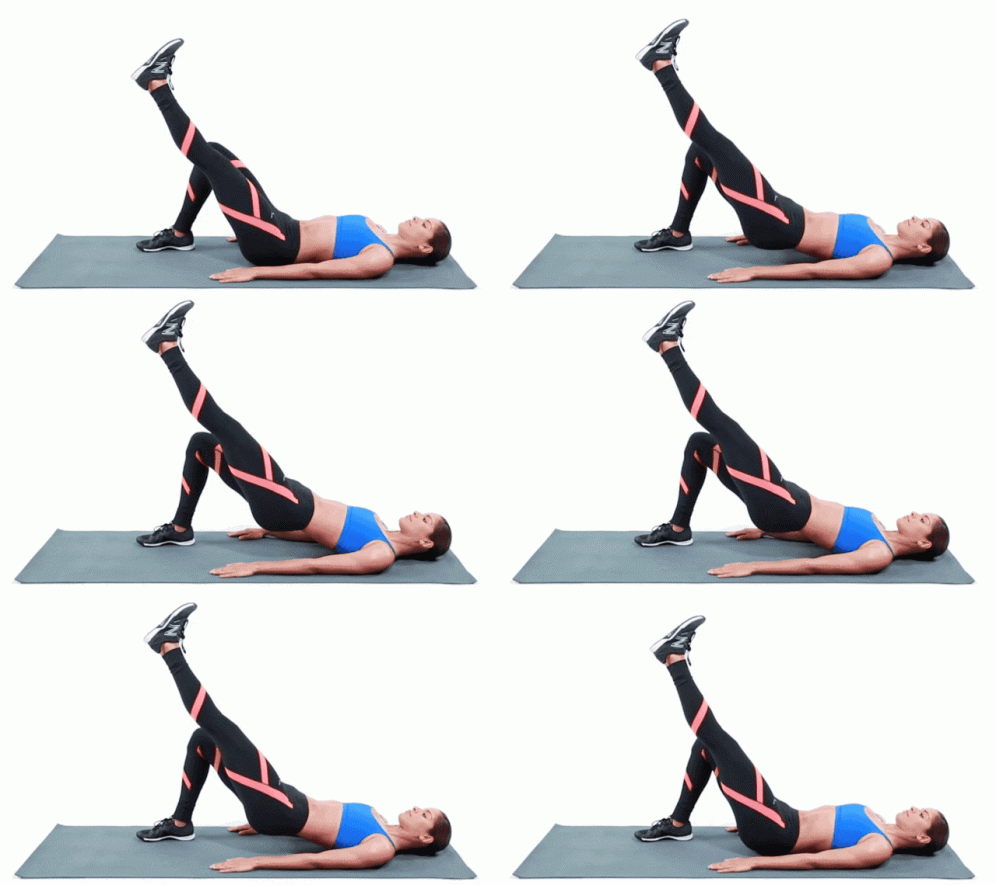
- Execution: Lie on your back with knees bent, feet flat on the floor, and arms by your sides. Extend one leg straight up towards the ceiling. Engaging your glutes, lift your hips off the floor until your body forms a straight line from shoulders to the knee of your bent leg. Hold briefly, then slowly lower.
- Pro Tip: Aim for 10-12 repetitions on each side, focusing on controlled movement rather than speed.
Safety and Expert Guidance: Prioritizing Form
While the benefits of compound exercises are undeniable, their multi-joint nature often means they are more technically demanding than isolation movements. Improper form can not only diminish effectiveness but also increase the risk of injury. Therefore, prioritizing correct technique is paramount.
For individuals new to strength training or those unsure about their form, consulting a certified personal trainer (CPT) is highly recommended. A CPT can provide personalized instruction, correct form deficiencies, and design a progressive program tailored to individual fitness levels and goals. Organizations such as the American Council on Exercise (ACE), the National Academy of Sports Medicine (NASM), and the American College of Sports Medicine (ACSM) set rigorous standards for personal trainer certification, ensuring a high level of expertise.
General safety guidelines for compound exercises include:
- Start Light: Begin with bodyweight or very light resistance to master the movement pattern before adding significant load.
- Focus on Form Over Weight: Always prioritize correct execution over lifting heavy weights or performing many repetitions with poor form.
- Listen to Your Body: Pay attention to pain signals. Sharp pain is a warning to stop; muscle soreness is a normal part of the process.
- Warm-Up and Cool-Down: Incorporate dynamic stretches before and static stretches after your workout to prepare muscles and aid recovery.
- Progressive Overload: Once a movement is mastered, gradually increase the challenge by adding repetitions, sets, resistance, or decreasing rest time.
Broader Implications: The Future of Fitness and Public Health
The growing emphasis on compound exercises carries significant implications for the fitness industry and public health.
- Gym Evolution: Modern fitness centers are increasingly designed with functional training zones, open spaces, and fewer isolation machines, reflecting the shift towards more dynamic, multi-joint movements.
- Rise of Functional Fitness and HIIT: The popularity of functional fitness programs (like CrossFit) and High-Intensity Interval Training (HIIT) methodologies is largely built upon the foundation of compound exercises, maximizing results in minimal time.
- Accessibility: Bodyweight compound exercises democratize fitness, enabling effective workouts at home, outdoors, or while traveling, requiring no specialized equipment. This accessibility can be crucial for addressing sedentary lifestyles across broader populations.
- Public Health Benefits: By promoting efficient and effective exercise, compound movements offer a viable strategy to combat rising rates of obesity, metabolic diseases, and musculoskeletal issues. Encouraging people to engage in functional strength training can lead to improved quality of life and reduced healthcare burdens.
In conclusion, compound exercises represent a powerful, scientifically validated approach to fitness. By engaging multiple muscle groups and joints simultaneously, they offer unparalleled efficiency, delivering superior results in strength, metabolism, functional capacity, and overall health. For anyone seeking to optimize their fitness journey, especially those navigating the demands of a busy life, embracing compound movements is not just a choice, but a strategic imperative. Prioritizing correct form and seeking expert guidance when needed will ensure a safe and highly rewarding path to achieving and surpassing fitness goals.
Sources: Andrews E. (2015), Garber CE, et al. (2011), Hwang-Bo Kak, et al. (2013)

