

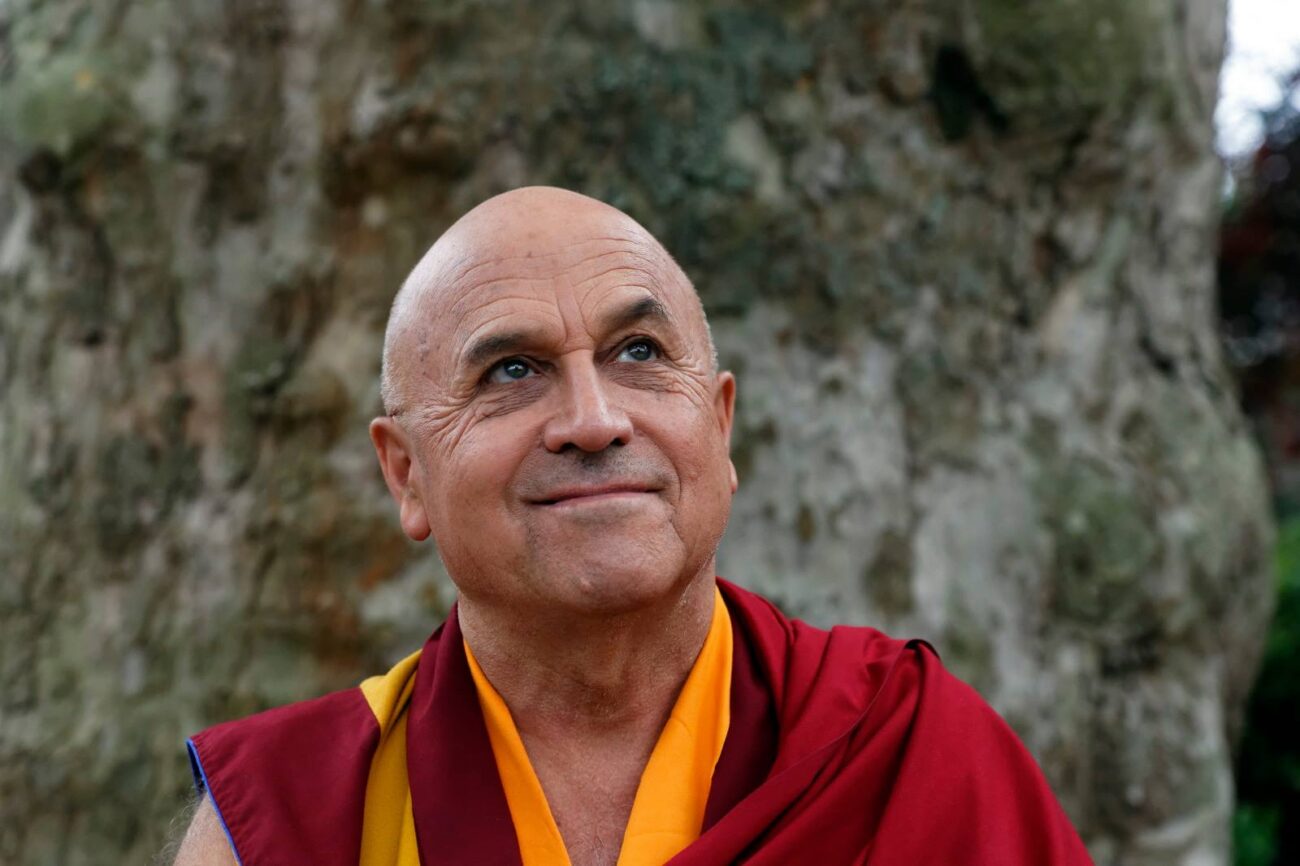
Matthieu Ricard, renowned Buddhist monk, author, and photographer, has shared a deeply personal reflection on his time with his spiritual teacher, the late Khyentse Rinpoche, offering a vivid portrait of a master’s profound wisdom, unwavering compassion, and unique pedagogical approach. Ricard’s account, originally published in Tricycle, delves into the daily rituals, spiritual teachings, and personal interactions that shaped his spiritual journey under Rinpoche’s tutelage. The narrative provides a rare glimpse into the life of a revered lama and the dedicated practice of his devoted student, shedding light on the transmission of Buddhist teachings and the transformative power of a guru-disciple relationship.
A Day in the Life of a Master
Ricard meticulously details the dawn-to-dusk rhythm of life with Khyentse Rinpoche, painting a picture of profound dedication and meticulous care. The day began before sunrise, between four and five in the morning, with Rinpoche’s gentle awakening. Ricard, then a young student, would rise, prepare Rinpoche’s space, and offer prostrations and blessings. This early morning ritual involved preparing Rinpoche’s prayer book, carefully serving him a delicate jade cup of hot water, and administering blessed medicinal pills. These pills, made from medicinal plants and imbued with the blessings of past masters and elaborate ceremonies like the drupchen (a multi-day ritual dedicated to spiritual progress, longevity, and other beneficial qualities), were considered potent conduits of spiritual merit. Ricard notes that Rinpoche ensured everyone present, including his wife, Rabjam Rinpoche, and other attending lamas, received these blessed substances, even including a dose for himself.
Following these preparations, Rinpoche would engage in several hours of silent meditation. Ricard would sit opposite him, also engaged in his own practices and prayers, ensuring Rinpoche’s teacup remained full. Breakfast, typically a bowl of tsampa (roasted barley flour) mixed with salted butter tea, was served around 7:30 AM. A significant part of the morning routine involved Tsewang Lhundrup, who managed Rinpoche’s grooming, carefully arranging his long gray hair into a small chignon. Ricard humorously recounts his own initial, unsuccessful attempts at this task during a previous retreat, highlighting the dexterity of the Bhutanese in such matters. Importantly, any long strands of hair collected during grooming were preserved as relics for followers, a practice underscoring the profound reverence for the master’s physical presence.
The Power of Relics and Tangible Connections
The significance of these preserved relics is explored by Ricard, drawing a parallel to treasured artifacts of historical figures like Socrates or Jesus Christ. He explains that such objects evoke the presence of these remarkable beings with great force, tangibly reviving their memory. For Buddhists, the relics of great sages are not merely mementos; they serve to reanimate the wisdom and boundless compassion of an enlightened being in the minds of practitioners. Citing the Dalai Lama, Ricard emphasizes that these blessings arise from an "inner opening" to a guru’s qualities, facilitated by objects that create a direct connection. This perspective highlights a core aspect of Tibetan Buddhist practice: the veneration of physical objects as conduits for spiritual connection and inspiration.
A Public Face of Wisdom and Compassion
By 8:30 AM, Rinpoche would break his silence and emerge to receive visitors who had gathered at his door. His interactions were characterized by profound wisdom and practical guidance. He offered spiritual instruction, answered questions, provided teachings, and bestowed blessings. He also consecrated sacred statues and paintings and met with pilgrims and messengers from other lamas, exchanging news and engaging in dialogue. This public engagement underscored his commitment to serving the spiritual needs of a wide array of individuals, from devoted practitioners to those seeking guidance on worldly matters.
The Depth of Spiritual Realization
Ricard attests to Rinpoche’s unparalleled grasp of Buddhist teachings and contemplative practices, stating it was "impossible to imagine him being stuck for an enlightening answer to any question I might ask him." This profound understanding was evident during ceremonies and teachings. When a student requested a teaching, Rinpoche would often invite them to return at lunchtime, sharing his meal while discussing the requested text. He consistently offered food to visitors, urging them to "eat, eat!" His ability to seamlessly integrate spiritual instruction with everyday acts of kindness exemplified his holistic approach to guiding his students.
Despite his immense knowledge and spiritual realization, Khyentse Rinpoche consistently displayed humility. He would preface explanations of spiritual progress by stating, "I have never accomplished any realization myself, but this is how my spiritual teachers spoke of these signs." Similarly, during empowerments, he would often remark, "Right up to my own teacher, these teachings have been transmitted by a succession of fully accomplished masters, like the links in a gold chain." This self-effacing demeanor served to redirect focus from himself to the lineage of teachings, reinforcing the importance of the unbroken transmission of wisdom.
The Balance of Gentleness and Rigor
Khyentse Rinpoche is described as deeply gentle and patient, yet his presence commanded profound respect. Khenpo Pema Wangyal, a student of Rinpoche, observed that individuals are naturally drawn to those whose hearts overflow with compassion, even while experiencing reverential awe at their realization of the emptiness of phenomena. This duality is illustrated through an anecdote about the hermit Patrul Rinpoche, who explained that some loved him for his practice of compassion and goodness, while others feared him due to his understanding of ego and phenomena as empty of inherent existence. This highlights the nuanced nature of spiritual mastery, which can inspire both deep affection and a healthy sense of awe.
Ricard recounts his own direct experience of Rinpoche’s rigorous approach to discipleship. Upon joining Rinpoche’s care in 1980, he was subjected to "uncompromising severity" for an extended period. Nothing he did seemed to please his teacher, leading to constant correction. His wife, Khandro Lhamo, eventually questioned Rinpoche’s strictness with the young student. Dabzang Rinpoche, a lama familiar with Rinpoche, explained that such stringent treatment was reserved for students believed to have the potential for significant progress, stating, "He never reprimands the others." While Ricard didn’t fully grasp the rationale at the time, he sensed a profound lesson beyond his immediate comprehension. This approach, while seemingly harsh, was a deliberate strategy to break down ego and cultivate the necessary discipline for spiritual advancement.
Guidance That Pierces to the Heart
The advice offered by Khyentse Rinpoche was consistently direct and profoundly effective. It addressed the core of any issue, dispelled doubt, and opened new perspectives. His counsel, often delivered with blunt honesty, provided precisely what was needed at critical junctures, preventing students from straying into unproductive paths.
This guidance extended to significant life choices, such as Rinpoche’s advice to Ricard to take monastic vows and remain with him rather than undertake the first three-year retreat in Dordogne. More frequently, his counsel was spiritual in nature, directing Ricard towards specific practices suited to his evolving path. He also offered guidance on everyday matters, as exemplified by a memorable incident involving a solitary worm in Ricard’s intestines. Ricard had chosen not to take antiparasitic medication to avoid harming the creature. When Ani Jinpa, a Dutch nun and close student of Rinpoche, reported this to the master, Rinpoche procured the necessary medicine. The following dawn, he summoned Ricard, presented him with the glass of whitish liquid, and commanded, "Drink!" Upon Ricard’s compliance, Rinpoche added, "Your human life is more precious than that of a worm." The next day, Rinpoche playfully inquired if a monk should be summoned to sound the conch—a ritual for women in difficult childbirth—to ascertain if the worm had departed. This lighthearted yet pointed interaction underscores Rinpoche’s ability to convey vital lessons with a blend of humor and unwavering conviction.
The Legacy of a Guiding Light
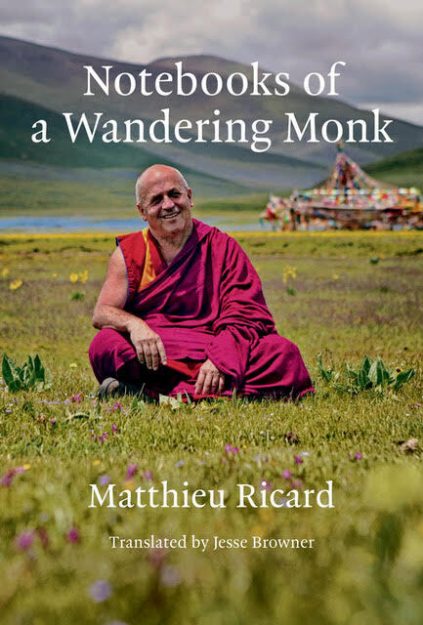
Khyentse Rinpoche’s teachings and his exemplary life continue to influence countless individuals. Matthieu Ricard’s reflections serve as a testament to the enduring power of a true spiritual master and the profound impact of a dedicated student-teacher relationship. The narrative offers a valuable insight into the transmission of wisdom within the Tibetan Buddhist tradition, emphasizing that true guidance involves not only profound knowledge but also unwavering compassion, keen discernment, and the courage to impart difficult truths for the ultimate benefit of the student. The excerpt is drawn from Ricard’s book, "Notebooks of a Wandering Monk," published by The MIT Press, further solidifying his role as a bridge between ancient wisdom and the contemporary world. The book, originally published in French, offers a collection of Ricard’s observations and reflections on his life as a monk, artist, and scholar, providing a broader context for his profound insights into Buddhist practice and philosophy. The ongoing availability of such works through publications like Tricycle underscores the vital role of these platforms in disseminating these teachings to a global audience.

