

Recent scientific inquiries are probing the multifaceted health implications of dietary onions, particularly their potential to influence body fat reduction, cholesterol levels, and the management of Polycystic Ovary Syndrome (PCOS). While preliminary research suggests intriguing possibilities, a closer examination of the available data reveals a complex picture, highlighting the necessity for robust, statistically significant evidence before definitive conclusions can be drawn regarding the widespread efficacy of onions in these health domains.
The Elusive Promise of Onion Powder for Weight Loss
The prospect of achieving significant weight loss through the consumption of a mere eighth of a teaspoon of onion powder daily, as suggested by some research abstracts, has generated considerable interest. A study titled "Effect of Steamed Onion (ONIRO) Consumption on Body Fat and Metabolic Profiles in Overweight Subjects" investigated this very notion. Researchers employed steamed onions, chosen for their reduced pungency and odor, allowing for more effective masking in placebo-controlled trials. These steamed onions were then dried into a powder and administered in minuscule daily doses of approximately 300 mg, equivalent to an eighth of a teaspoon.
Initial findings, as reported in the abstract, indicated promising results. Advanced imaging techniques, including DEXA scans and CT scans, appeared to demonstrate significant reductions in overall body fat mass, as well as decreases in visceral and subcutaneous fat areas among participants who consumed the onion powder. The implication was that even this minimal daily intake could yield measurable benefits in body composition.
However, a deeper dive into the study’s methodology and statistical analysis reveals a more nuanced reality. The original author notes that the abstract’s optimistic portrayal did not fully align with the statistical significance of the findings when compared to a placebo group. Specifically, while the group receiving onion powder showed a greater loss of body fat (approximately 0.64 kg or one and a half pounds) compared to baseline, this difference was not statistically significant when directly contrasted with the placebo group. The loss observed in the placebo group, though smaller (around 7 grams), suggested that the observed changes might be attributable to chance rather than a direct effect of the onion powder. Similar statistical caveats were noted for the CT scan results, which indicated a larger reduction in fat for the onion powder group, but again, without reaching the threshold for statistical significance compared to the placebo.
A subsequent study, investigating a higher dosage of four teaspoons (9 grams) of onion powder daily, also failed to demonstrate a statistically significant acceleration in the loss of visceral, total, or subcutaneous fat when compared to a placebo group that also received four teaspoons of onion powder. This particular study, which compared yellow and white onions, found that both types of onions might contribute to abdominal fat loss, but the difference between them was not statistically significant. The authors of this research concluded that while these dosages did not yield statistically significant results compared to placebo, the absence of adverse effects suggests that consuming onions might be a safe dietary addition, though conclusive evidence of its efficacy for weight loss remains elusive. The implication is that while onions may offer some benefits, the current scientific evidence is insufficient to recommend them as a primary intervention for significant weight loss.

Unpacking the Potential of Onions for Polycystic Ovary Syndrome (PCOS)
Beyond weight management, the role of onions in addressing the complex health challenges associated with Polycystic Ovary Syndrome (PCOS) is also under scrutiny. PCOS, a prevalent endocrine disorder affecting approximately 5% to 10% of women of reproductive age, is characterized by a spectrum of symptoms including irregular menstrual cycles and, crucially, a pre-diabetic state marked by decreased insulin sensitivity. The challenging nature of PCOS treatment, often complicated by medication side effects, has spurred interest in dietary interventions.
The rationale for exploring onions in this context stems from research demonstrating their potential to positively influence blood sugar and insulin sensitivity. Studies in animal models have shown that onion extracts can improve these metabolic markers in diabetic rats. More directly relevant to human health, some studies have indicated that onion consumption can lower blood sugar levels in individuals with diabetes, although this effect has not consistently been observed in non-diabetic individuals. Given that women with PCOS are often in a pre-diabetic state, understanding the impact of onions on their metabolic health is of significant interest.
One study, "Metabolic Effects of Onion and Green Beans," explored the impact of daily onion consumption (60 grams) on individuals with diabetes. The results indicated that this dietary intervention led to an approximate 10% reduction in blood sugar levels compared to a control diet. While green beans also showed a reduction, the onion intervention demonstrated a measurable impact on blood glucose control in this population.
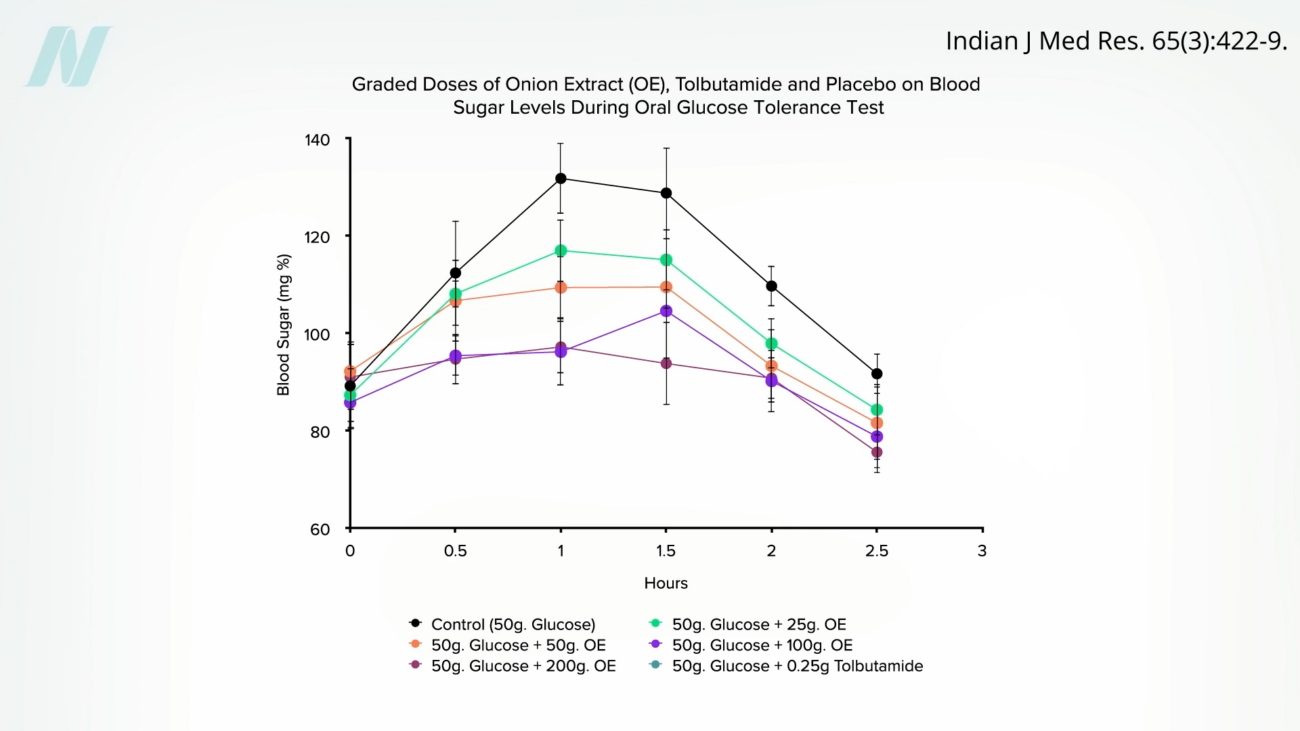
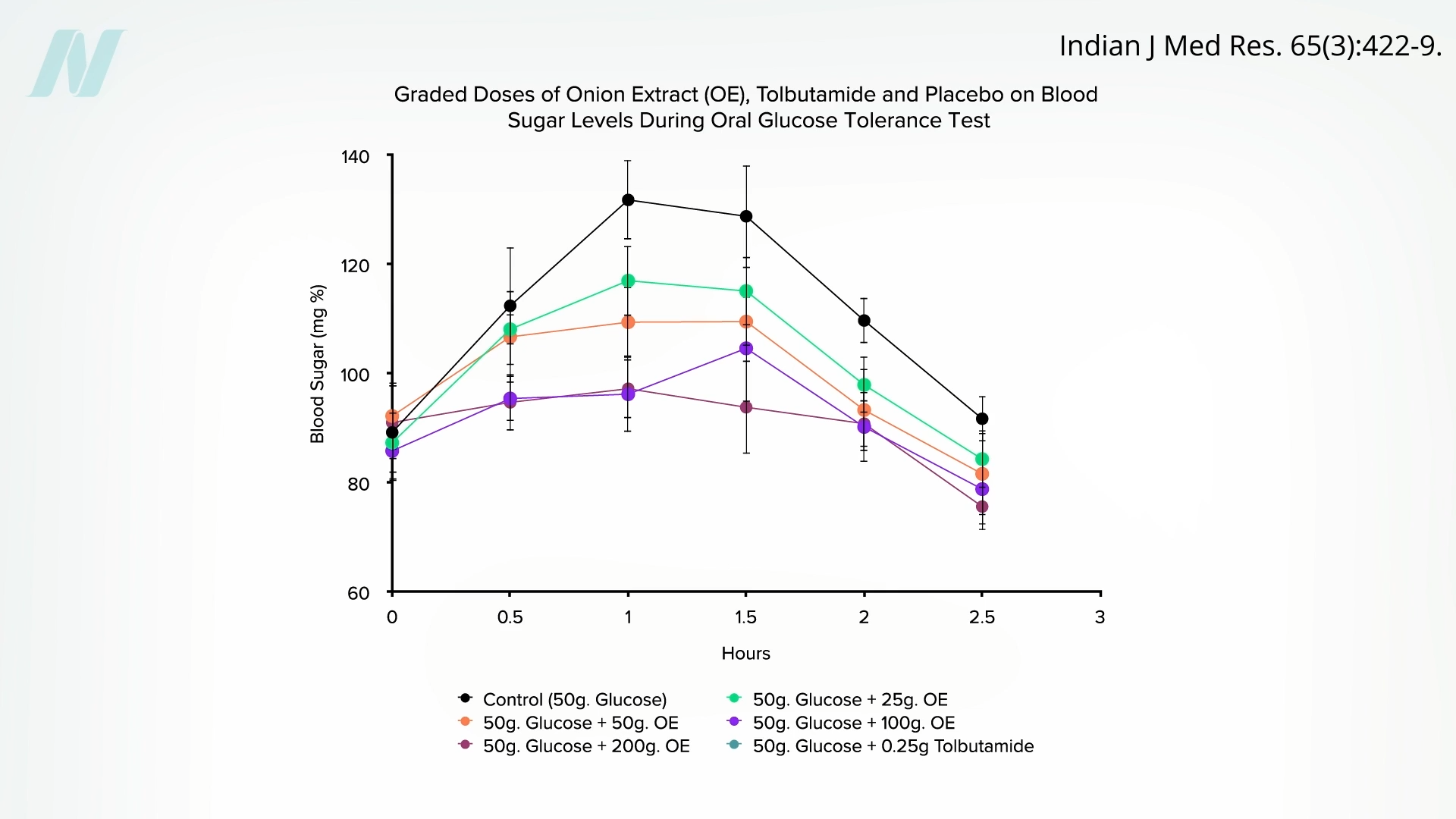
Further research has investigated the effect of onion extract on blood sugar spikes. In experiments where participants consumed a significant amount of sugar (50 grams of corn syrup), a pronounced rise in blood sugar levels was observed. However, when the same amount of sugar was administered alongside increasing doses of onion extract, the resulting blood sugar spike was significantly blunted. This effect was comparable to that observed when an antidiabetic drug was administered. Similar findings were reported when participants received an adrenaline injection, which typically elevates blood sugar; the co-administration of onion extract mitigated this rise. These findings suggest that certain compounds within onions may play a role in moderating the body’s glycemic response, particularly in situations of acute sugar or adrenaline challenge.
However, when these insights are applied to women with PCOS, the evidence becomes less clear-cut. A systematic review of available research, including data from the Cochrane Library, found no significant differences in blood sugar levels or other markers of insulin resistance between PCOS patients who consumed high-onion diets and those who consumed low-onion diets. Furthermore, no differences in inflammation markers were observed between these groups. This suggests that while onions may possess properties that influence glucose metabolism, their direct impact on improving insulin sensitivity or reducing inflammation in women with PCOS, based on current evidence, is not definitively established.
Cholesterol Management and the Red Onion Hypothesis
Beyond diabetes and insulin resistance, women with PCOS face a significantly elevated risk of cardiovascular disease, including heart attacks and heart disease, which is the leading cause of mortality among women. A substantial contributing factor to this heightened risk is the increased likelihood of developing high cholesterol.
In this regard, some research points towards the potential benefits of consuming raw red onions in managing cholesterol levels. While studies have shown a tendency for raw red onion consumption to lower cholesterol, the magnitude of this effect appears modest. In one investigation, the group that consumed more onions only experienced a reduction of approximately 5 mg/dL in LDL cholesterol. Critically, this reduction was not statistically significant when compared to the control group that consumed fewer onions, suggesting that the observed drop might be within the range of natural variation.
Historical research, dating back half a century, has also explored the interplay between onions and dietary fat intake on cholesterol. A study from that era involved feeding participants a substantial amount of butter (100 grams), which led to a rapid increase in cholesterol levels by approximately 30 points within hours. However, when this same amount of butter was consumed alongside either raw or boiled onions (50 grams), the cholesterol increase was significantly attenuated, rising by only 9 points or 3 points, respectively. While this finding is intriguing, the authors of the original article emphasize the primary takeaway: avoiding excessive consumption of high-fat foods like butter is paramount for cholesterol health. The role of onions in this context appears to be more of a moderating factor against the adverse effects of unhealthy dietary choices, rather than a standalone solution for cholesterol reduction.
Future Directions and Concluding Remarks
The ongoing scientific investigation into the health benefits of onions highlights their potential in various physiological pathways. However, it is crucial to differentiate between preliminary findings and robust, statistically validated outcomes. While studies on onion powder for weight loss and raw red onions for cholesterol management have yielded some interesting observations, the lack of statistical significance when compared to placebo groups in several instances warrants caution. Similarly, the impact of onions on PCOS, particularly regarding insulin sensitivity and inflammation, requires further rigorous research to establish a clear connection.
The scientific community continues to explore the complex phytonutrients within onions, such as flavonoids and organosulfur compounds, which are believed to be responsible for their potential health-promoting properties. Future research will likely focus on identifying specific compounds, optimal dosages, and the most effective forms of consumption (raw, cooked, powdered) for different health conditions. Until such definitive evidence emerges, dietary recommendations should be based on a balanced approach that prioritizes whole foods, a healthy lifestyle, and scientifically validated interventions. The current body of evidence suggests that while onions can be a nutritious and flavorful addition to a healthy diet, they are unlikely to serve as a singular solution for significant weight loss, the comprehensive management of PCOS, or substantial cholesterol reduction without further substantiation.
The preceding analysis draws upon research previously discussed in related scientific contexts, including explorations into onions’ potential benefits for testosterone, bone health, allergies, and cancer, further underscoring the broad interest in the plant’s medicinal properties. The findings underscore the critical importance of interpreting scientific abstracts with a thorough understanding of the underlying statistical rigor and comparative analyses.

