

The debate surrounding the safety of ochratoxin, a mycotoxin commonly found in various foodstuffs, has intensified as regulatory bodies and scientific researchers grapple with interpreting the available data. While industry assurances suggest current levels are safe, concerns persist regarding potential long-term health impacts, particularly for vulnerable populations. This article delves into the scientific evidence, regulatory approaches, and broader implications of ochratoxin contamination in the food supply.
Understanding Ochratoxin: A Mycotoxin of Concern
Ochratoxin is a group of toxic compounds produced by certain species of Aspergillus and Penicillium fungi. These fungi can contaminate crops in the field or during storage, leading to ochratoxin production in a wide array of food products. Globally, ochratoxin A is the most prevalent and studied form. Its presence has been detected in a diverse range of foods, including cereals, dried fruits, coffee, wine, beer, and pork products.
Historically, research into ochratoxins has primarily relied on animal studies. These investigations have indicated a range of potential toxic effects, including nephrotoxicity (kidney damage), immunotoxicity (harm to the immune system), teratogenicity (adverse effects on fetal development), and carcinogenicity (cancer-causing potential). Specifically, animal models have demonstrated that ochratoxin can induce kidney lesions and has been linked to an increased incidence of tumors in certain species. Based on this animal data, ochratoxin A has been classified as a "possible human carcinogen" by international health organizations.

However, a significant challenge in assessing the risk to human health lies in the extrapolation of these animal study findings to human populations. Direct evidence of adverse health effects in humans from dietary ochratoxin exposure at typical consumption levels remains limited. This discrepancy forms the crux of the ongoing discussion about acceptable exposure limits.
Regulatory Landscape and Industry Assurances
The food industry, particularly sectors dealing with grains and animal agriculture, often emphasizes that current regulatory standards for ochratoxin are sufficiently protective. These standards are typically established by national and international food safety agencies, such as the European Food Safety Authority (EFSA) and the U.S. Food and Drug Administration (FDA). These agencies set Maximum Residue Limits (MRLs) or Tolerable Daily Intakes (TDIs) for ochratoxin in various food categories.
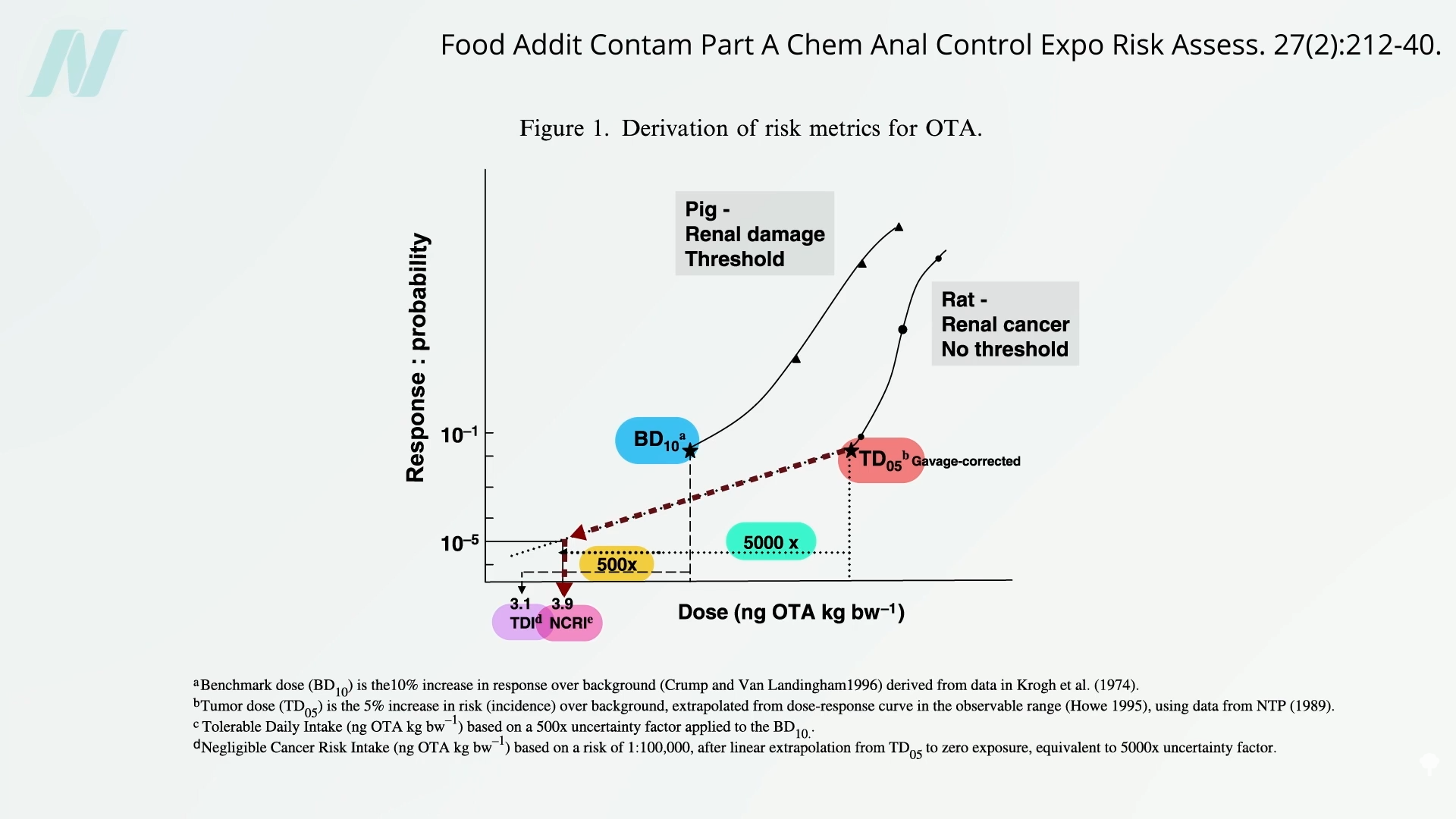
The scientific basis for these limits often involves a tiered approach to risk assessment. For toxic endpoints other than cancer, regulatory bodies typically identify a "benchmark dose" from animal studies – the dose that causes a 10% increase in a specific adverse effect. This dose is then divided by a safety factor, often 100 or more, to derive a TDI that accounts for interspecies differences and variability within the human population.
For carcinogenic effects, the process involves identifying a "tumorigenic dose" in animal studies – the dose that increases tumor incidence by 5%. This dose is then extrapolated downwards to estimate a dose associated with a "negligible cancer risk," often incorporating a safety factor of 5,000 or more. This "negligible cancer risk intake" is then used to inform regulatory limits.
Proponents of current regulatory frameworks argue that even for individuals with high dietary intakes of contaminated foods, such as children consuming large amounts of oat-based cereals, the associated lifetime cancer risk is considered "negligible" when these safety factors are applied. They posit that the calculated margins of exposure are substantial, providing a wide buffer against potential harm.
The Challenge of Extrapolation and Public Perception
Critics, however, question the robustness of these extrapolated risk assessments. They argue that the methodologies used to determine "negligible risk" can appear arbitrary and may not fully capture the nuances of human susceptibility. The significant safety factors, while intended to ensure protection, can also lead to a disconnect between the scientific estimations and public concern.
The lack of direct epidemiological evidence linking ochratoxin exposure to specific human diseases at commonly encountered levels complicates the issue. While animal studies provide valuable insights into potential mechanisms of toxicity, their direct applicability to humans can be influenced by differences in metabolism, absorption, and excretion pathways.
Population Studies: Whole Grains and Mortality
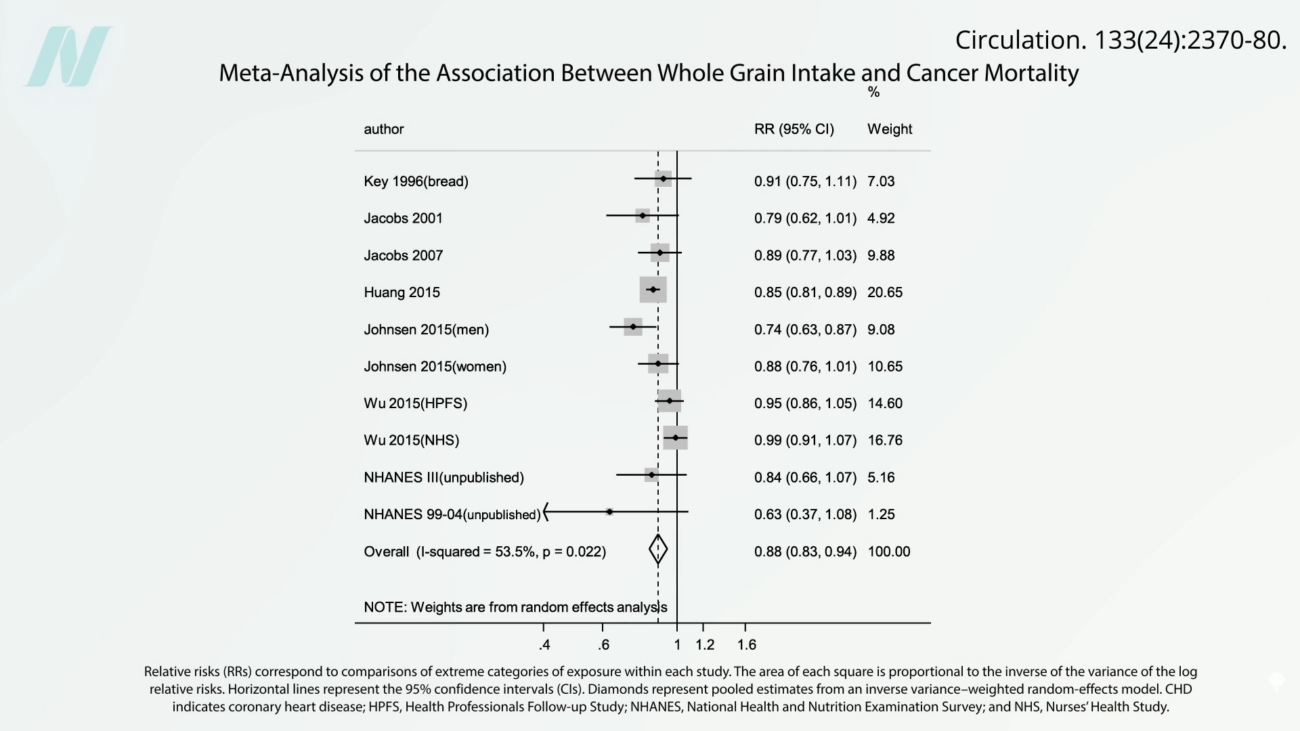
Recent population-based studies offer a different perspective by examining the correlation between dietary habits and long-term health outcomes. Research focusing on whole grain consumption, for instance, has consistently demonstrated significant health benefits. A comprehensive analysis of major cancer studies revealed that increased daily intake of whole grains is associated with a reduced risk of cancer mortality. Furthermore, every additional ounce of whole grains consumed daily has been linked to a lower risk of all-cause mortality, suggesting a protective effect against a range of chronic diseases.
These findings are particularly relevant when considering the presence of ochratoxin in grains. While ochratoxin contamination might theoretically diminish the overall healthfulness of whole grains, the intrinsic beneficial components of these foods appear to exert a powerful countervailing influence. Whole grains are rich in fiber, vitamins, minerals, and antioxidants, which are known to combat oxidative stress and inflammation, potentially mitigating the adverse effects of mycotoxins.
Broader Implications: Diet as a Protective Factor
The scientific consensus is leaning towards the conclusion that while ochratoxin is a contaminant of concern, its potential risks may be outweighed by the well-established benefits of consuming whole grains and a generally healthy diet. The antioxidants present in fruits, vegetables, and whole grains can play a crucial role in protecting cells from damage, thereby reducing the impact of mycotoxins and other environmental toxins.
This perspective suggests that a robust dietary pattern, rich in nutrient-dense foods, can act as a significant buffer against the risks associated with food contaminants. Instead of solely focusing on the absence of adverse effects in population studies, the emphasis shifts to the presence of protective factors within a healthy diet.
Ochratoxin in Other Food Categories: A Varied Risk Profile
The concern regarding ochratoxin extends beyond grains. Its presence in other food products presents a more complex risk profile. For instance, ochratoxin has been detected in pork products, with some studies reporting its presence in a significant percentage of tested samples. In these instances, the overall healthfulness of the food matrix plays a critical role.
While whole grains offer intrinsic protective compounds, less healthful foods like wine and pork, which may also be contaminated with ochratoxin, present a different scenario. In these cases, the mycotoxin contamination exacerbates existing health concerns associated with the consumption of these products. For example, the combination of ochratoxin and the less salutary aspects of a diet high in processed meats or excessive alcohol can lead to a compounded negative impact on health.
Future Directions and Public Health Strategies
The ongoing scientific inquiry into ochratoxin underscores the need for continued monitoring of food supplies and research into its long-term effects on human health. While regulatory agencies work to establish and enforce safe limits, the public health message remains consistent: a diet rich in whole foods, fruits, and vegetables is paramount for overall well-being and resilience against environmental toxins.
The research presented by Dr. Michael Greger and others highlights the importance of integrating knowledge about food contaminants with an understanding of the protective power of a whole-foods, plant-based diet. As scientific understanding evolves, so too will the strategies for ensuring food safety and promoting public health, emphasizing a holistic approach that considers both potential risks and the inherent benefits of nutritious food choices. The series of videos and articles by Dr. Greger aims to demystify complex scientific findings and empower individuals to make informed dietary decisions, recognizing that a healthy diet is a potent tool for mitigating a wide range of health challenges, including those posed by mycotoxins.
The journey to fully understand the intricate relationship between dietary contaminants and human health is ongoing. However, the available evidence strongly suggests that a proactive approach, prioritizing nutrient-dense foods and minimizing exposure to processed and less healthful options, remains the most effective strategy for safeguarding public health.

