

The concept of "toxic mold syndrome," often cited as the cause of a wide array of ill-defined and subjective health complaints, has gained traction in public discourse. However, scientific evidence to support a direct causal link between mold exposure in indoor environments and these vague symptoms remains limited. This pervasive belief, sometimes referred to as "toxic mold syndrome," has been fueled by what critics describe as predatory practices. Businesses offering home mold testing or invasive biological testing of individuals, such as urine or blood analysis, are accused of exploiting public concern. These tests, according to some health professionals, often perpetuate misinformation and impose significant financial burdens on individuals desperately seeking a diagnosis for their health issues, regardless of its scientific validity. This enduring belief in unproven syndromes is often found alongside other scientifically unsubstantiated claims, such as the discredited link between measles vaccines and autism, the efficacy of homeopathy, or the unfounded concerns about fluoride in public water supplies.
Conversely, the issue of toxic mold contamination in food presents a tangible and scientifically validated public health concern. Mycotoxins, the toxic compounds produced by molds, are considered a significant threat to food safety, potentially posing a greater risk than many other contaminants that may enter the food supply. Hundreds of distinct mycotoxins have been identified, but among them, aflatoxin stands out. It is the only mycotoxin classified as a known human carcinogen by the International Agency for Research on Cancer (IARC). Another mycotoxin, ochratoxin A, is classified as a possible human carcinogen, but the carcinogenic effect of aflatoxin on human beings is unequivocally established. Aflatoxins are recognized as among the most potent carcinogens known.
The Pervasive Threat of Aflatoxins in the Global Food Supply
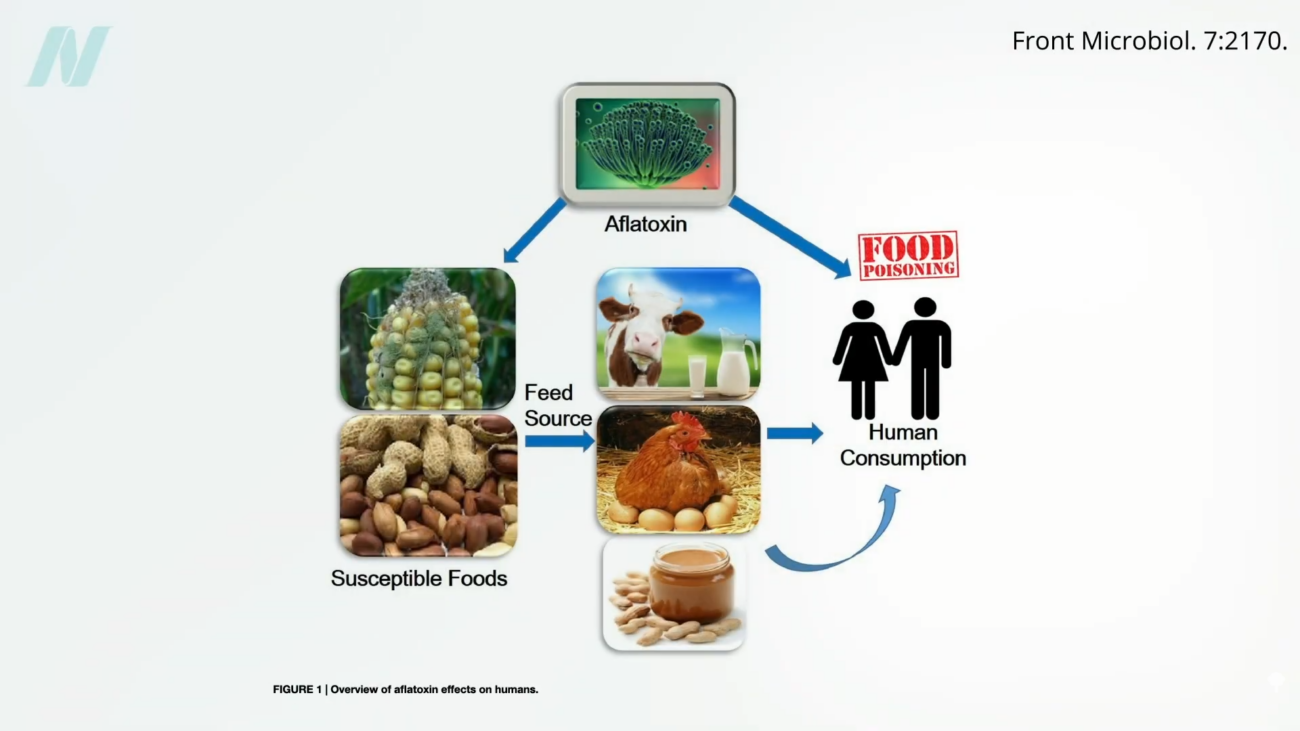
Scientific estimates suggest that a substantial proportion of liver cancer cases worldwide may be attributable to aflatoxin exposure. Given that liver cancer ranks as the third leading cause of cancer-related deaths globally, and its progression is often rapid following diagnosis, the impact of aflatoxins on this deadly disease is profound. A significant challenge with aflatoxin contamination is its persistence in food products. Once aflatoxins are present, they are extremely difficult, if not impossible, to remove through conventional food processing methods. For instance, cooking does not effectively eliminate aflatoxins. Research indicates that once aflatoxins contaminate crops, or subsequently enter the food chain through animal products like meat, dairy, and eggs from animals consuming contaminated feed, they become virtually irremovable. This underscores the critical importance of preventing contamination at the source.
In the United States, for decades, stringent government regulations and industry practices have been in place to mitigate aflatoxin contamination. Companies operating in developed nations, including the U.S., routinely sample their products for aflatoxin levels. This proactive monitoring, while resulting in significant financial losses for the industry – estimated at nearly $1 billion annually due to rejected batches – plays a crucial role in safeguarding public health. However, the potential impact of climate change on agricultural practices, particularly in regions like the Midwest Corn Belt, raises concerns about future increases in aflatoxin contamination. Warmer temperatures and altered rainfall patterns can create more favorable conditions for the molds that produce aflatoxins, potentially exacerbating the problem.
A Global Health Crisis: Aflatoxin in Developing Nations
On a consumer level, aflatoxin contamination represents a more pronounced public health crisis in less industrialized regions of the world, particularly in African countries. In these areas, environmental conditions can be highly conducive to mold growth, and farmers may lack the financial resources to discard entire harvests of contaminated crops, leading to widespread exposure. Aflatoxin remains a significant public health threat across Africa, Southeast Asia, and rural China, impacting the diets and health of over half the global population. This widespread exposure is believed to contribute to significantly higher rates of liver cancer in these regions, with prevalence potentially being up to 30 times greater than in developed nations.

In contrast, the United States and Europe have largely managed to control aflatoxin contamination to levels that do not constitute a major public health problem for their domestic populations. The U.S. Food and Drug Administration (FDA) actively works to keep aflatoxin exposure levels as low as practically achievable, though not necessarily as low as technically possible. While regulatory bodies strive to minimize exposure, there are instances where "unacceptable aflatoxin levels" have been detected in certain food products. For example, in California, an increase in unacceptable aflatoxin levels has been observed in pistachios, almonds, and figs. While these levels might be deemed unacceptable by European standards, potentially affecting export capabilities, they may still be within the permissible limits for U.S. domestic consumption. The U.S. generally permits twice the level of aflatoxin contamination compared to European Union regulations.
Examining Specific Food Contaminants and Risk Assessment
Figs are particularly noteworthy due to their unique post-harvest handling. They are often allowed to fully ripen and partially dry on the tree, a process that renders them particularly susceptible to aflatoxin production. Understanding the dietary habits of individuals with detectable levels of aflatoxins in their bloodstream can provide insights into potential sources of exposure. For those concerned about aflatoxin intake from dried fruits, diversifying consumption patterns is advisable. However, nuts, despite their potential for aflatoxin contamination, remain a vital component of a healthy diet. The significant cardiovascular health benefits derived from regular nut consumption, including the prevention of thousands of strokes and heart attacks annually, are widely recognized by health authorities. This robust evidence suggests that the population-level health benefits conferred by increased nut consumption substantially outweigh the potential risks associated with increased aflatoxin B1 exposure.
Consequently, aflatoxin contamination remains predominantly a public health challenge in the developing world. This situation has led to it being described as a "largely and rather shamefully ignored global health issue." The limited attention paid to this issue has often been driven by the economic imperative of developed nations to enforce stringent import regulations on mycotoxin-contaminated products, rather than a primary focus on protecting the billions of people who are exposed to these toxins on a daily basis in their own countries.
A Multi-faceted Approach to Mold Toxin Awareness
This examination of aflatoxins is part of a broader, four-part series dedicated to understanding the complexities of mold toxins and their impact on human health. Previous installments have explored related topics, offering a comprehensive overview of the scientific literature and public health implications. The ongoing research and regulatory efforts surrounding mycotoxins highlight the dynamic nature of food safety and the continuous need for vigilance and adaptation in response to evolving scientific understanding and environmental factors.
Doctor’s Note:
This concludes the four-part series on mold toxins. Readers seeking further information are encouraged to review the previous articles in this series, which are available in the related posts section of this publication. The series has aimed to provide a scientifically grounded perspective on the diverse risks associated with mold exposure, distinguishing between scientifically unsupported claims and genuine public health concerns. The information presented is intended to empower individuals with accurate knowledge to make informed decisions about their health and dietary choices.

