

The emergence of baru nuts, also marketed as "barukas" or baru almonds, onto the global food market presents a compelling case study in the intersection of nutrition, environmental sustainability, and consumer choice. While technically a seed native to the Brazilian Savannah, known as the Cerrado, baru nuts are gaining traction for their purported health benefits. However, a closer examination of existing research reveals a complex picture, suggesting that while promising, they may not yet surpass more established nuts in terms of proven efficacy and availability. This analysis delves into the nutritional profile, comparative health impacts, and ecological implications of baru nuts, drawing on scientific studies and industry trends to provide a comprehensive overview for consumers and stakeholders.
The Origin and Ecological Context of Baru Nuts
Baru nuts originate from the Dipteryx alata tree, a species indigenous to the Cerrado biome of Brazil. This vast tropical savanna, known for its incredible biodiversity, is currently facing significant threats. Over the past three decades, extensive cattle ranching and the cultivation of feed crops for livestock have led to widespread deforestation and habitat loss. The destruction of the Cerrado ecosystem is a critical environmental concern, impacting not only its unique flora and fauna but also its role in regional climate regulation and water cycles.
The economic viability of harvesting and marketing baru nuts offers a potential pathway for conservation. If sustainable harvesting of baru nuts becomes a more profitable alternative to clearing native land for agriculture or ranching, it could incentivize the preservation of the Cerrado. This ecological benefit, however, must be weighed against the direct health advantages for consumers.
Nutritional Profile and Antioxidant Properties
Baru nuts are recognized for their rich polyphenol content, phytonutrients that are largely responsible for their significant antioxidant activity. Research indicates that approximately 90% of these beneficial compounds are concentrated within the nut’s peel. Antioxidants play a crucial role in combating oxidative stress within the body, a process linked to chronic diseases such as heart disease, cancer, and neurodegenerative disorders.
While the antioxidant capacity of baru nuts is a notable feature, the scientific literature regarding their specific biological properties has been relatively limited until recently. Early studies, though preliminary, suggested a positive impact on health markers, prompting further investigation.

Cholesterol Management: Early Findings and Human Trials
Initial research into the cholesterol-lowering effects of baru nuts involved animal studies. One study, for instance, found that rats fed baru nuts exhibited lower cholesterol levels. However, the comparison group in this study was fed lard, a saturated fat known to elevate cholesterol. Consequently, many substances can demonstrate a cholesterol-lowering effect when compared to lard, making these findings less conclusive for human health.
A significant development in the scientific understanding of baru nuts’ impact on human health emerged with a randomized, controlled human trial. This study, published in the Journal of the American College of Nutrition, investigated the effects of consuming less than an ounce (approximately 20 grams) of baru nuts daily for six weeks. The results indicated a notable 9% reduction in LDL (low-density lipoprotein) cholesterol, often referred to as "bad" cholesterol. This finding suggests a promising role for baru nuts in dietary strategies aimed at managing cholesterol levels.
The study also observed a phenomenon common in nut consumption research: no significant weight gain among participants, despite adding nuts to their regular diets. This is often attributed to the satiating effect of nuts, which can lead individuals to inadvertently reduce their intake of other calorie-dense foods throughout the day.
Comparative Analysis with Other Nuts
The reported 9% drop in LDL cholesterol from consuming 20 grams of baru nuts per day warrants a comparative analysis with the effects of other commonly consumed nuts. While this is a positive outcome, it is essential to contextualize it within the broader landscape of nut research.
-
Almonds: Studies on almonds have demonstrated comparable, and in some cases, superior results. One study found that a low-dose almond-based diet (25 grams daily for four weeks) resulted in a 6% decrease in LDL cholesterol. Another research project involving just 10 grams of almonds per day (equivalent to about seven almonds) for the same duration as the baru nut study achieved a more substantial 30% reduction in LDL cholesterol. This suggests that on a per-serving or per-calorie basis, regular almonds might offer more significant LDL cholesterol reduction. The comparison indicates that 20 grams of baru nuts might be as effective as 73 grams of almonds, positioning baru nuts as potentially more potent on a weight-for-weight basis in this specific trial.
-
Macadamias and Pistachios: Research also suggests that macadamia nuts and pistachios can be highly effective in lowering LDL cholesterol, although these studies often involved higher doses than those tested for baru nuts.
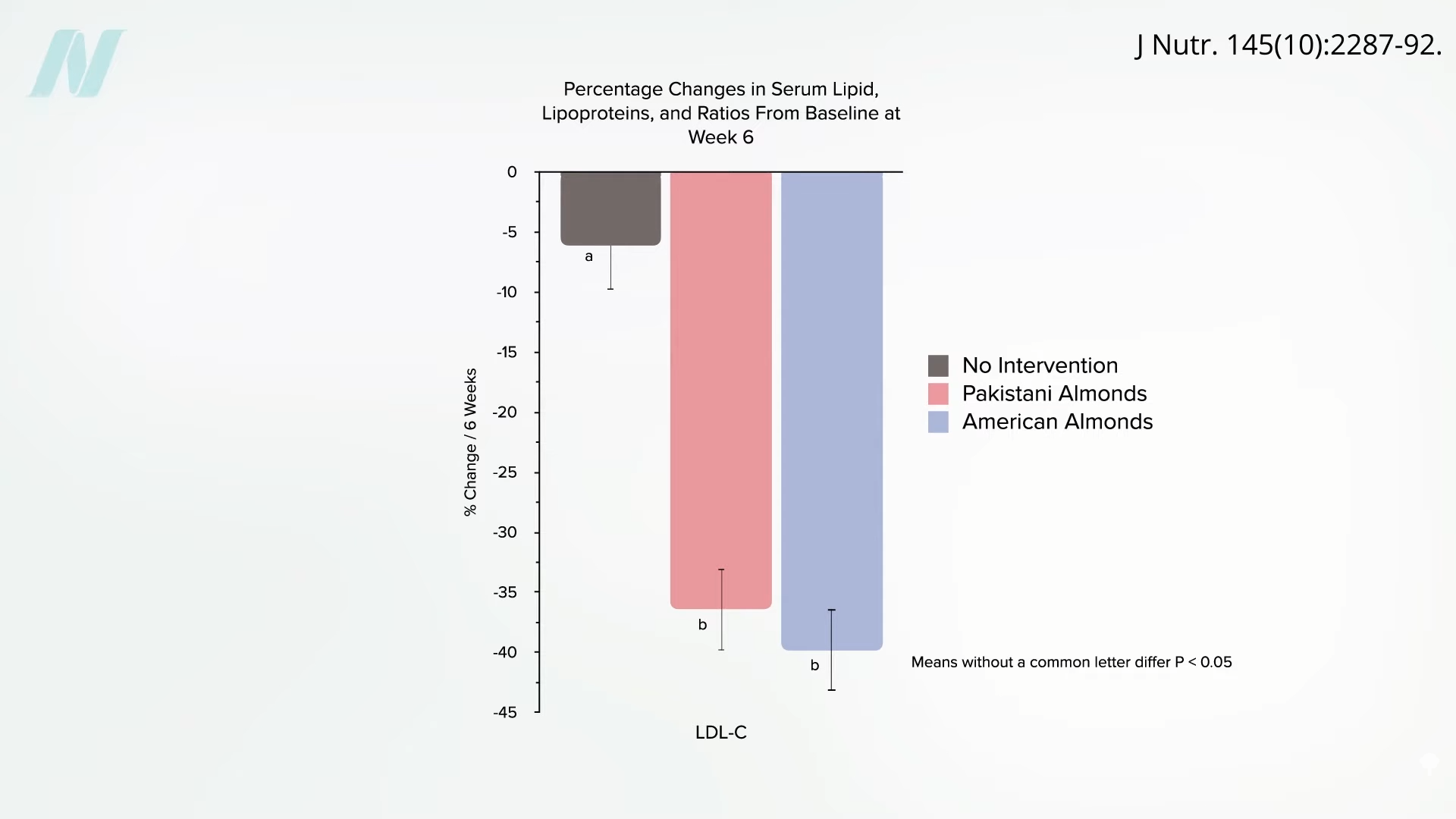
The consistent and extensive research base for almonds, with over a dozen randomized controlled trials, provides a higher level of confidence in their cardiovascular benefits compared to baru nuts, for which human studies are still emerging. Furthermore, a separate cholesterol trial involving baru nuts found no significant benefit for LDL cholesterol, even at the same 20-gram dose and over an extended period of eight weeks. This conflicting evidence underscores the need for more robust and replicated human trials for baru nuts.
The Issue of Raw Baru Nuts and Advanced Glycation End-products (AGEs)
A significant factor influencing the recommendation of baru nuts over other options relates to their preparation. Unlike many other nuts, raw baru nuts cannot be safely consumed. They contain certain compounds that must be inactivated by heat treatment before they become edible.
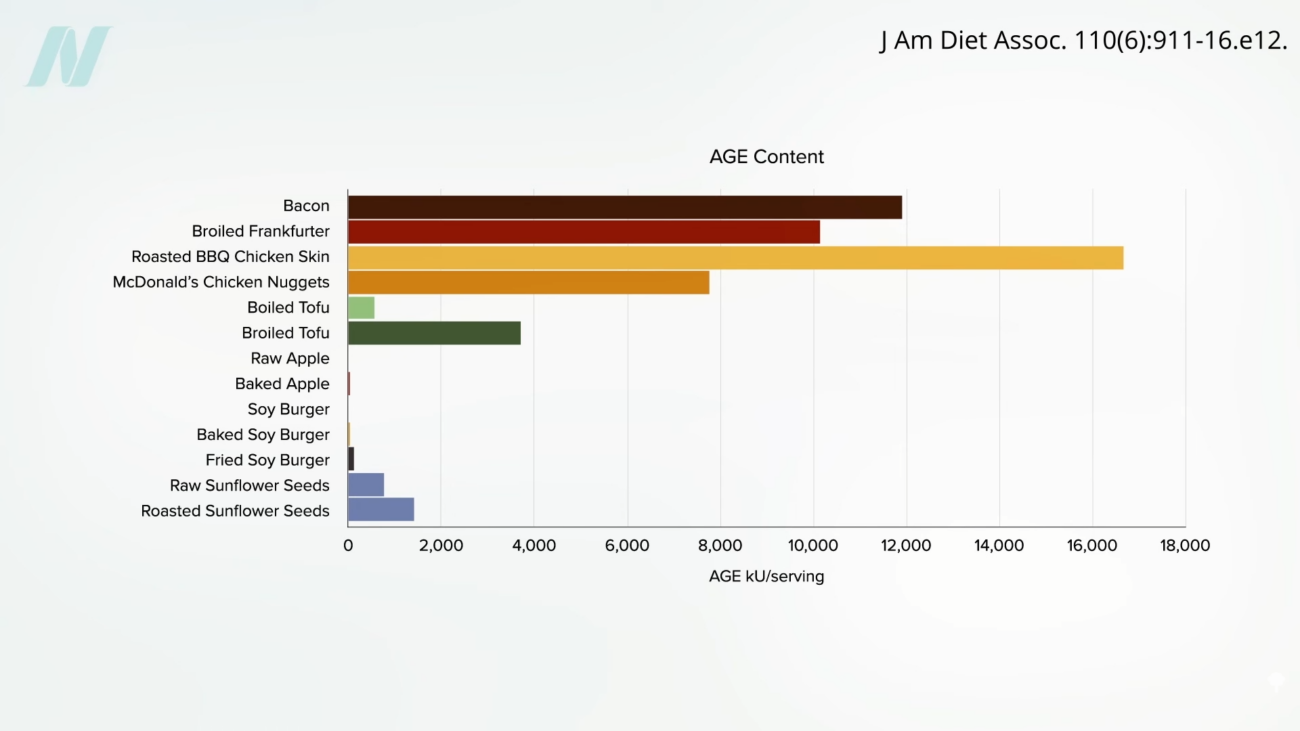
This necessity for processing raises concerns about the formation of Advanced Glycation End-products (AGEs), often referred to as glycotoxins. AGEs are compounds formed when sugars react with proteins or fats. They are naturally present in uncooked animal-derived foods and can be significantly increased through high-temperature cooking methods, particularly dry-heat processes like grilling and roasting. AGEs are linked to increased oxidative stress and inflammation within the body, contributing to the development and progression of various chronic diseases.
While AGEs are a concern for many processed foods, particularly those high in fat and protein that undergo dry-heat cooking, plant-based foods generally contain fewer AGEs. However, even plant foods can generate AGEs at high temperatures. Studies have shown that roasting nuts and seeds can significantly increase their AGE content, bringing them closer to the levels found in some cooked plant-based foods. This is why, from an AGEs perspective, consuming raw nuts and seeds, along with their butters, is generally recommended whenever possible.
Given that baru nuts require heat treatment to be safe for consumption, their AGE content, especially after roasting, might be a disadvantage compared to raw alternatives. This contrasts with many other nuts, such as almonds, which can be consumed raw, thereby avoiding the potential increase in AGEs associated with cooking.
Broader Implications for Consumer Health and Environmental Choices
The analysis of baru nuts highlights a critical tension between potential health benefits and practical considerations. While the initial human trial showing a reduction in LDL cholesterol is encouraging, the comparative effectiveness of other nuts, the limited replication of these findings, and the mandatory processing of baru nuts due to their inherent compounds present significant points of consideration.

From an environmental perspective, the promotion of baru nuts offers a tangible opportunity to support the preservation of the Cerrado biome. Sustainable harvesting practices can create economic incentives for local communities and contribute to biodiversity conservation. However, consumers seeking the most direct and proven health benefits for cholesterol management might find more established options like almonds to be a more reliable choice, especially when considering the potential for higher AGE content in processed baru nuts.
The Doctor’s Note and Daily Dozen Recommendations
The author’s "Daily Dozen checklist," a daily nutritional guide, recommends consuming a quarter cup of nuts or seeds or two tablespoons of nut or seed butter each day. This recommendation is rooted in the extensive body of evidence supporting the health benefits of nuts and seeds, particularly their role in cardiovascular health and their contribution to satiety.
For individuals seeking to understand the impact of AGEs further, foundational resources are available, including videos detailing "Glycotoxins" and "Avoiding Glycotoxins in Food." These resources aim to educate consumers on minimizing their intake of AGEs through informed food choices and preparation methods.
Future Directions and Research Needs
The emerging status of baru nuts in the global market necessitates further comprehensive research. Key areas for future investigation include:
- Replication of Human Trials: Independent, larger-scale randomized controlled trials are crucial to confirm the cholesterol-lowering effects observed in the initial study and to establish consistent dosage recommendations.
- Long-Term Health Outcomes: Studies examining the long-term impact of regular baru nut consumption on various health markers, beyond cholesterol, are needed.
- AGE Content Analysis: Detailed comparative analysis of AGE levels in processed baru nuts versus other commonly consumed nuts, prepared using various methods, would provide valuable insights for consumers.
- Nutritional Composition: A more in-depth understanding of the complete nutritional profile of baru nuts, including micronutrient content and the bioavailability of their phytonutrients, would be beneficial.
- Sustainability Assessments: Rigorous assessments of the environmental impact of large-scale baru nut harvesting and processing are required to ensure that the pursuit of economic benefits does not lead to unintended ecological consequences.
In conclusion, baru nuts represent a novel entry into the healthy food market with potential environmental advantages. While early research indicates promising effects on cholesterol levels, comparative analysis suggests that established nuts like almonds may offer more robust and consistently demonstrated benefits. The mandatory processing of baru nuts due to inherent compounds also introduces a factor that consumers mindful of AGEs may wish to consider. As scientific understanding evolves and further research is conducted, consumers will be better equipped to make informed decisions that align with their health goals and environmental values.

