

A recent clinical trial published in BMJ Evidence-Based Medicine has illuminated the potential of curcumin, the active compound found in turmeric, as a viable alternative for managing indigestion, a common ailment affecting millions worldwide. The study’s findings suggest that curcumin may offer comparable relief to proton pump inhibitors (PPIs), a class of drugs frequently prescribed for digestive issues, without the associated concerns of overuse and potential side effects. This research opens a new avenue for exploring natural remedies for gastrointestinal discomfort and underscores the growing interest in evidence-based complementary medicine.
The study, conducted by researchers investigating novel approaches to functional indigestion, randomly assigned 206 participants, with an average age of 50, into three distinct groups. One group received a daily dose of 2,000 milligrams of curcumin, another took 20 milligrams of omeprazole (a common PPI), and a third group received a placebo. The participants were monitored over 56 days, with assessments of their indigestion symptoms at day 28 and day 56. The results indicated that all three groups experienced significant improvements in their symptoms, with no statistically significant difference in efficacy observed between the curcumin group and the omeprazole group. This suggests that curcumin can be as effective as conventional pharmaceutical interventions for functional indigestion, a condition characterized by upper abdominal discomfort without an identifiable underlying cause like ulcers or acid reflux.
Background: The Pervasive Nature of Indigestion and the Rise of PPIs
Indigestion, medically termed dyspepsia, is a widespread health concern, often manifesting as a feeling of fullness, bloating, burning, or pain in the upper abdomen, particularly after eating. While occasional indigestion can be managed through dietary adjustments and lifestyle changes, chronic or persistent symptoms can significantly impact an individual’s quality of life. Historically, individuals experiencing these discomforts have often turned to over-the-counter or prescription medications, with proton pump inhibitors (PPIs) becoming a cornerstone of treatment for many.
PPIs, such as omeprazole, work by significantly reducing the production of stomach acid. While effective in managing conditions like gastroesophageal reflux disease (GERD) and peptic ulcers, their widespread and often prolonged use has raised concerns among healthcare professionals. Critics point to potential long-term side effects associated with chronic PPI use, including an increased risk of bone fractures, nutrient deficiencies (such as vitamin B12 and magnesium), kidney problems, and a higher susceptibility to certain infections like Clostridium difficile. This has spurred a search for safer, more natural alternatives that can provide similar relief without these associated risks.
Curcumin: A Natural Compound with a Rich History
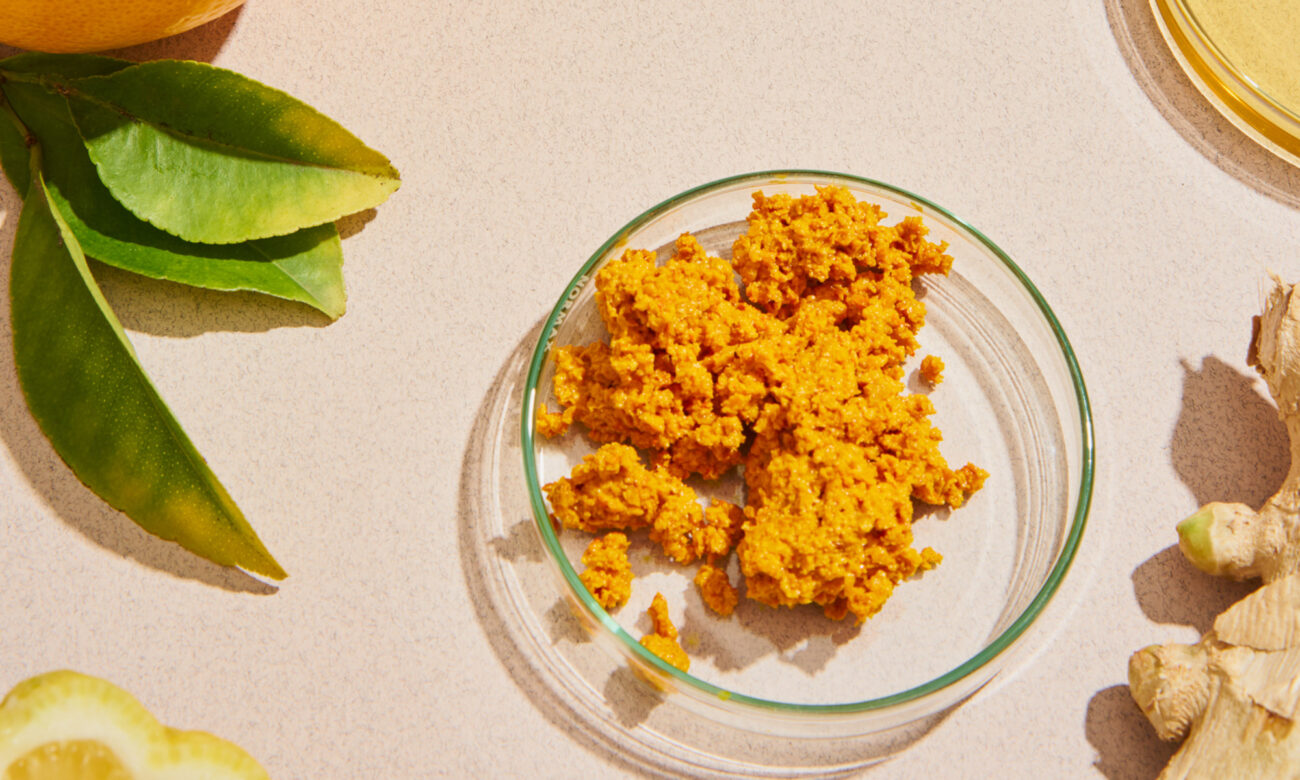
Curcumin, the vibrant yellow pigment responsible for turmeric’s distinctive color, has been a staple in traditional medicine, particularly in Ayurvedic and Traditional Chinese Medicine, for centuries. Its therapeutic properties are attributed to its potent antioxidant and anti-inflammatory effects. Extensive scientific research has validated these traditional uses, linking curcumin to a wide range of health benefits, including support for immune function, joint health, and gut health. The current study adds a new dimension to curcumin’s known benefits by exploring its efficacy in alleviating the specific symptoms of indigestion.
The Study’s Methodology and Key Findings

The clinical trial published in BMJ Evidence-Based Medicine was designed as a randomized, double-blind, placebo-controlled study, considered the gold standard for evaluating the efficacy of medical interventions. By involving 206 participants and comparing curcumin against both a standard PPI (omeprazole) and a placebo, the researchers aimed to rigorously assess curcumin’s potential.
The study’s primary outcome measure was the improvement in indigestion symptoms, assessed using standardized questionnaires at multiple time points. Participants were asked to report on the severity and frequency of their discomfort. The findings revealed that at both the 28-day and 56-day marks, individuals in all three groups – curcumin, omeprazole, and placebo – reported a significant reduction in their indigestion symptoms.
Crucially, the analysis indicated that the magnitude of symptom improvement was statistically similar between the curcumin group and the omeprazole group. This suggests that a daily dose of 2,000 milligrams of curcumin can be an effective alternative to 20 milligrams of omeprazole for individuals suffering from functional indigestion. The placebo group also showed improvement, which is not uncommon in studies involving subjective symptoms and the psychological effects of receiving treatment, but the effects in the active treatment groups were more pronounced.
Implications of the Research: A Shift Towards Natural Approaches?
The implications of this study are significant, particularly in the context of over-reliance on PPIs. The findings suggest that individuals experiencing functional indigestion may have a safe and effective natural alternative. This could lead to a reduction in the prescription and use of PPIs, potentially mitigating the risks associated with their long-term administration.
Molly Knudsen, M.S., RDN, a Registered Dietitian Nutritionist, commented on the broader context of such research, emphasizing the growing scientific interest in natural compounds. "For years, we at mindbodygreen have recognized the profound potential of curcumin due to its potent antioxidant and anti-inflammatory properties," Knudsen stated. "Its ability to support everything from immunity to joint health and gut function is well-documented. This latest research exploring its impact on indigestion is incredibly exciting, as it offers a potential natural pathway for relief for a condition that affects so many people."
She further elaborated on the significance of this finding: "The fact that curcumin showed comparable efficacy to a widely used PPI like omeprazole is a strong indicator of its therapeutic value. As concerns about the long-term effects of PPIs continue to grow, studies like this provide valuable evidence for exploring alternative, plant-based solutions. It empowers individuals with more options and encourages a more holistic approach to digestive health."
Understanding Functional Indigestion and the Role of Curcumin
Functional indigestion is a diagnosis of exclusion, meaning it is made when symptoms of indigestion are present, but no underlying organic disease can be identified through standard diagnostic tests. This often leads to frustration for patients and clinicians alike, as the cause remains elusive. The mechanisms by which curcumin might alleviate functional indigestion are likely multifaceted. Its anti-inflammatory properties could reduce any underlying low-grade inflammation in the gastrointestinal tract that may contribute to discomfort. Furthermore, curcumin has been shown to influence gut motility and the sensitivity of visceral nerves, both of which play a role in the perception of indigestion.

Important Considerations and Nuances
While the study’s results are promising, it is crucial to acknowledge certain limitations and considerations. The dosage used in the study was 2,000 milligrams of curcumin daily. While effective, this is a relatively high dose. The authors note that taking excessive amounts of curcumin may, paradoxically, lead to gastrointestinal upset in some individuals. Existing research suggests that doses ranging from 500 to 1,000 milligrams of turmeric root extract are generally sufficient to confer health benefits. Therefore, individuals considering curcumin supplementation should adhere to recommended dosages and consult with a healthcare professional.
Furthermore, the study focused on "functional indigestion," meaning participants did not have diagnosed conditions like ulcers or GERD. For individuals with these specific conditions, PPIs or other targeted medical treatments may still be the most appropriate course of action. Curcumin should not be viewed as a universal cure-all but rather as a potential complementary or alternative option for specific types of digestive discomfort.
Expert Recommendations and Lifestyle Interventions
Healthcare professionals consistently emphasize the importance of a comprehensive approach to managing indigestion. Before turning to supplements or medications, several lifestyle modifications can be highly effective. These include:
- Dietary Adjustments: Identifying and avoiding trigger foods is paramount. Common culprits include spicy, fatty, or greasy foods, acidic foods and beverages (like citrus fruits and tomatoes), carbonated drinks, alcohol, and caffeine.
- Eating Habits: Eating slowly and mindfully, chewing food thoroughly, and avoiding overeating can significantly reduce post-meal discomfort. Eating smaller, more frequent meals may also be beneficial.
- Clothing: Wearing loose-fitting clothing, particularly around the waist, can prevent pressure on the abdomen, which can exacerbate indigestion.
- Stress Management: Stress and anxiety can directly impact digestive function. Techniques such as deep breathing exercises, meditation, and yoga can help manage stress levels.
- Herbal Remedies: Certain herbal teas, such as ginger or peppermint tea, have a long history of use for soothing digestive upset and promoting gut health. Ginger, in particular, is known for its anti-nausea and digestive-stimulating properties.
The Road Ahead: Further Research and Personalized Care
While this study provides compelling evidence for curcumin’s efficacy in managing functional indigestion, further research is warranted to explore optimal dosages, long-term safety profiles, and its effectiveness in different populations. Larger, multi-center trials could further solidify these findings and provide more detailed insights into the mechanisms of action.
The takeaway message from this research is that natural compounds like curcumin hold significant promise as alternatives or adjuncts to conventional treatments for common digestive ailments. However, it is crucial to approach any new supplement or treatment with informed caution. Consulting with a healthcare professional, such as a doctor or a registered dietitian, is always recommended to discuss individual health needs, potential interactions with existing medications, and to develop a personalized management plan for indigestion. The integration of evidence-based natural remedies with established medical practices offers a more comprehensive and patient-centered approach to digestive wellness.

