


International travel has entered a complex new era characterized by a delicate balance between surging passenger demand and logistical constraints. As the global tourism industry moves through the 2025-2026 cycle, travelers are navigating a landscape defined by post-pandemic recovery, fluctuating economic conditions, and an increased focus on sustainable practices. According to the International Air Transport Association (IATA), total passenger numbers are expected to reach record highs by 2025, yet airlines continue to optimize cabin density, making high-quality, efficient gear more essential than ever for the modern voyager.
From the lingering effects of global health protocols to the modernization of customs and immigration through biometric technology, the requirements for travel gear have shifted toward durability, multifunctionality, and eco-consciousness. Professional travel writers and photographers, who spend a significant portion of the year testing equipment in diverse climates, emphasize that the right tools—ranging from sustainable luggage to tech-integrated security—can significantly mitigate the stresses of modern transit.
The State of Global Travel Infrastructure in 2025
The current travel environment is shaped by several critical factors. FAA modernization efforts, aimed at resolving long-standing issues with air traffic control systems and government-related disruptions, have slowly begun to stabilize flight schedules. However, travelers still face extended wait times at major international hubs. Furthermore, the economic shift toward "conscious consumerism" has driven a 15% increase in the demand for travel products made from recycled or ethically sourced materials.
In response to these trends, the 2025-2026 guide to travel essentials highlights products that address the specific needs of different traveler archetypes, from the rugged outdoor enthusiast to the urban professional.
Innovations in Luggage and Transit Solutions
The luggage sector has seen a significant move toward "regenerative design"—products built to be repaired rather than replaced. This shift is a direct response to the global waste crisis and consumer demand for longevity.
Sustainable Roller Bags and Minimalist Packs
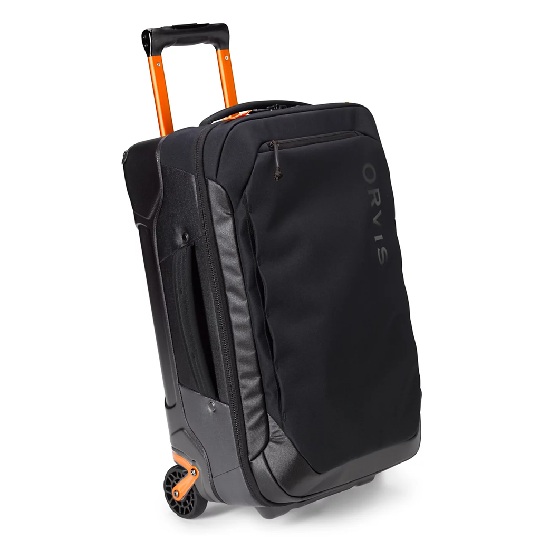
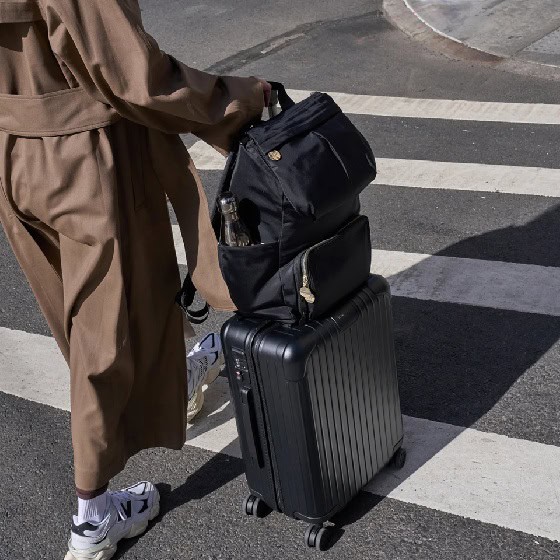
The Orvis Trekkage LT Adventure 40L Carry-On Roller Bag represents the pinnacle of this movement. Constructed from 100% recycled 600D CORDURA re/cor fabric derived from discarded plastic bottles, the bag offers a high-density polycarbonate shell for impact resistance. Its design focuses on repairability, featuring replaceable components that extend the product’s lifecycle.
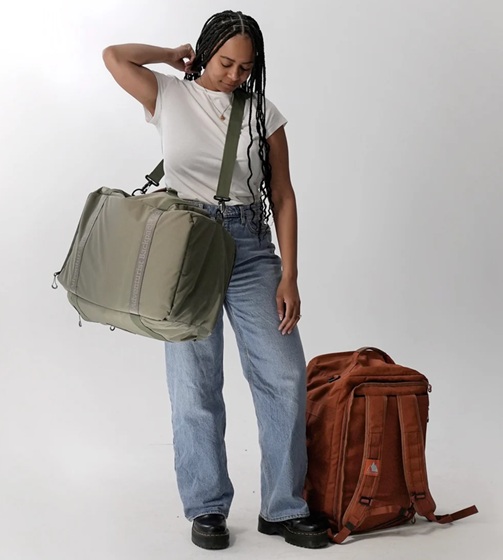
Similarly, the Adventurist Carry On Duffel Backpack 45L addresses the social aspect of travel. Founded by Kelly Belknap and Matilda Sandström, the brand integrates a philanthropic model where every purchase provides 25 meals to families in need. To date, the company has distributed over 100,000 meals. Their minimalist 1000D polyester design caters to the growing segment of travelers who prefer lightweight, water-resistant versatility.
Technical and Artisanal Backpacks
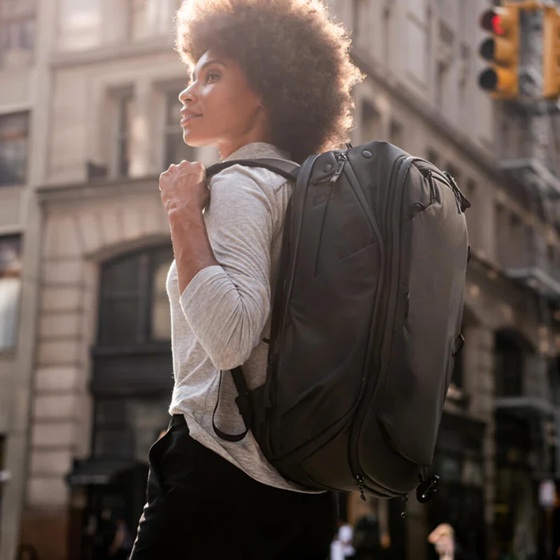
For those requiring maximum organization, the Peak Design 45L Travel Backpack utilizes a weatherproof 400D nylon Versa Shell. Certain editions are manufactured entirely from recycled fishing nets, addressing ocean plastic pollution. The bag’s expandable design allows it to transition between a standard 35L carry-on and a 45L gear hauler.
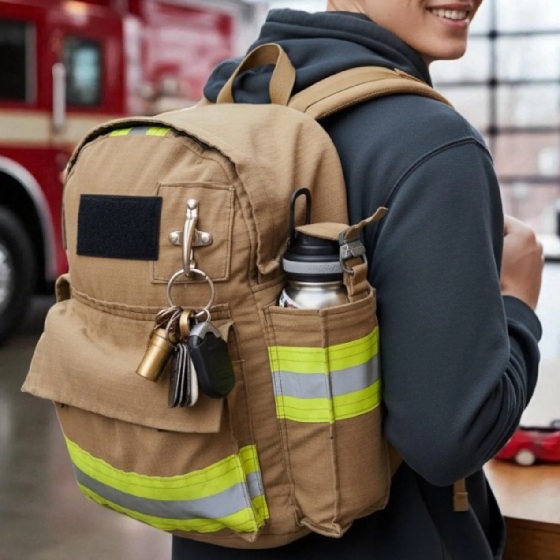
In contrast, 277 Designs offers a unique artisanal approach. Founded by a retired firefighter and his wife, Jeanette Velasquez-Karnas, the company handcrafts backpacks from decommissioned firefighter turnout gear. These bags serve as both a durable travel solution and a tribute to first responders, with each piece retaining the heat scoring and reflective stitching of its original life-saving use.
High-End Totes and Tactical Gear
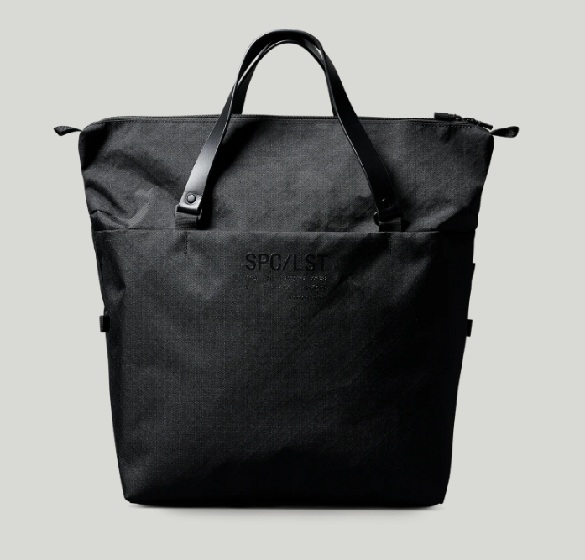
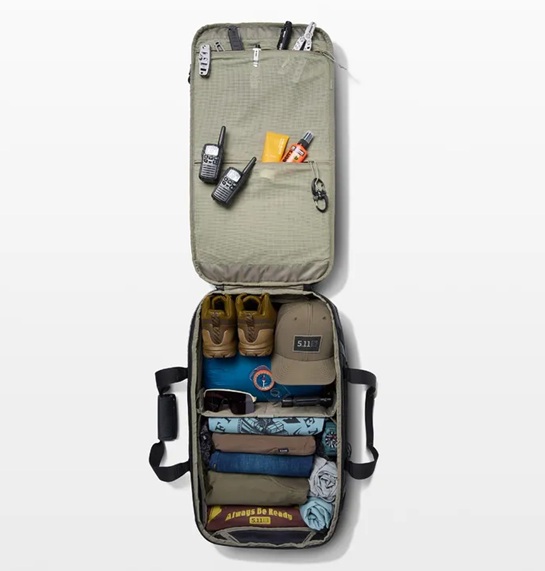
The Lo & Sons Melrose Rucksack and the SPC/LST System Tote cater to the "bleisure" market—individuals blending business and leisure travel. These products utilize recycled poly liners and weather-resistant finishes to protect electronics while maintaining a professional aesthetic. For the heavy-duty sector, the 5.11 Tactical Allhaula Duffel 70L employs 840D Nylon and a TPU coating, targeting users who require military-grade durability in extreme environments.
Outdoor and Nature-Centric Travel Gear
As eco-tourism and "slow travel" continue to gain popularity, gear designed for the natural world has become more specialized.
Mobile Logistics and Camp Comfort
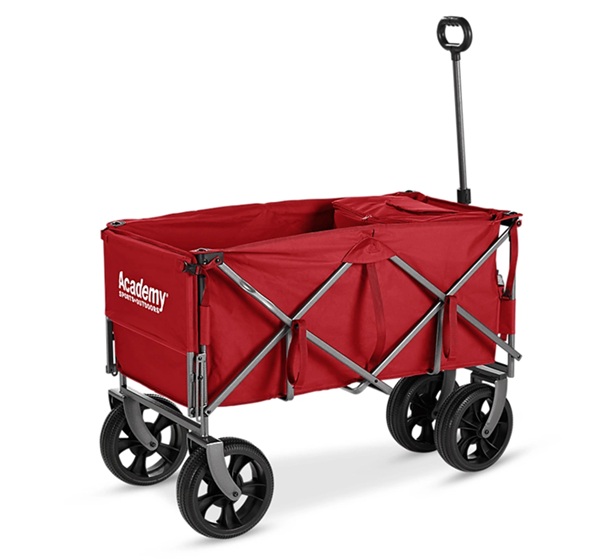
The Academy Sports XL ASO Folding Wagon with Tailgate has become an essential tool for RV travelers and houseboat enthusiasts. With a 225-pound capacity and a quick-turn axle, it simplifies the transport of heavy supplies in campgrounds and marinas.
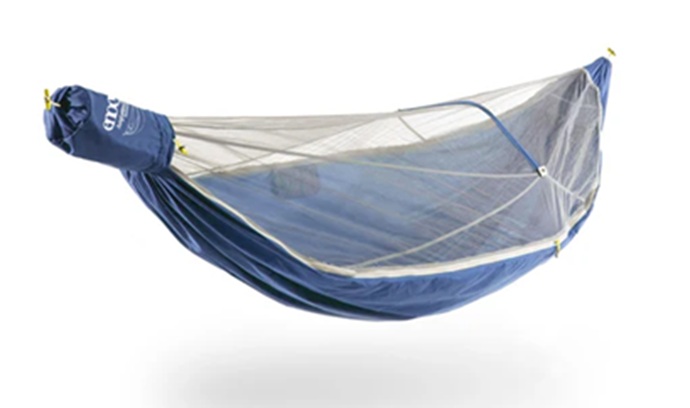
For backcountry comfort, the ENO JungleNest Hammock addresses common issues such as insect interference and structural instability. Its 10-foot ripstop body includes an integrated bug net and a structural ridgeline, providing a tent-like experience in a lightweight, suspended format.
Temperature Control and Illumination
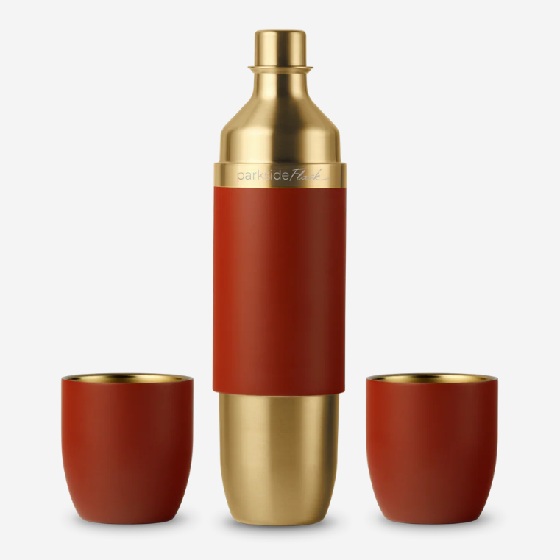
Hydration and spirit transport have been modernized by brands like High Camp Flasks. Their Parkside Flask Sundown Edition features vacuum insulation capable of maintaining temperatures for 24 hours and utilizes a patented magnetic "PhantomLock" to secure integrated tumblers.
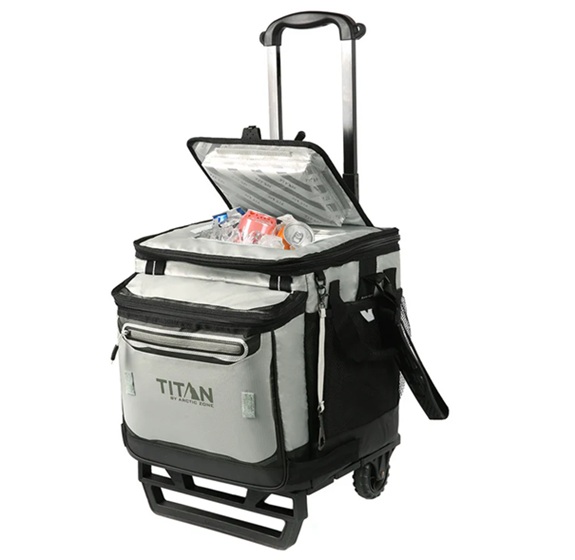
In the cooling sector, the Arctic Zone Titan 60-Can Wheeled Cooler utilizes Deep Freeze Performance Insulation and Microban antimicrobial lining. Data suggests that high-performance soft-sided coolers are increasingly preferred over traditional hard shells due to their weight-to-performance ratio.
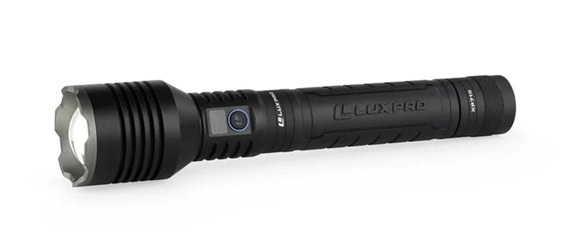
For safety, the LuxPro XP715 Pro Series DS provides 16,070 lumens of light. Modern flashlights in this category now include integrated power banks and OLED displays for real-time battery monitoring, serving as critical survival tools during off-grid excursions.
Technical Apparel and Climate-Adaptive Clothing
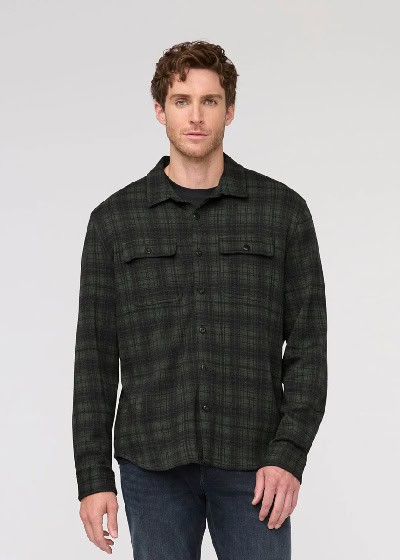
The 2025-2026 apparel market is dominated by "smart fabrics" that offer thermoregulation and odor resistance, allowing travelers to pack fewer items.

High-Performance Bases and Mid-Layers
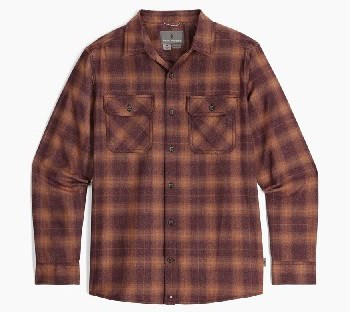
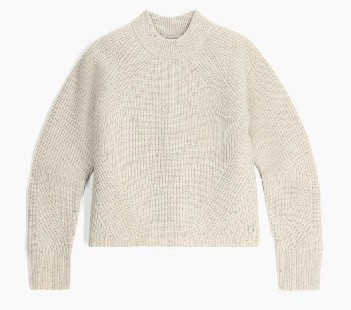
Royal Robbins remains a leader in sustainable apparel, utilizing the Higg Index to measure environmental impact. Their Vogelsang Long Sleeve uses recycled polyester for moisture-wicking comfort, while the Rockcraft Mock Neck utilizes 100% merino wool for natural thermoregulation.
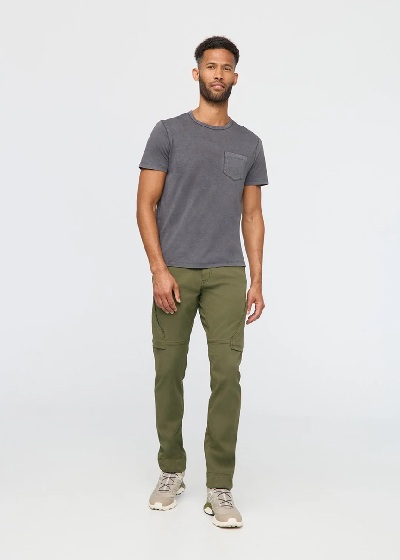
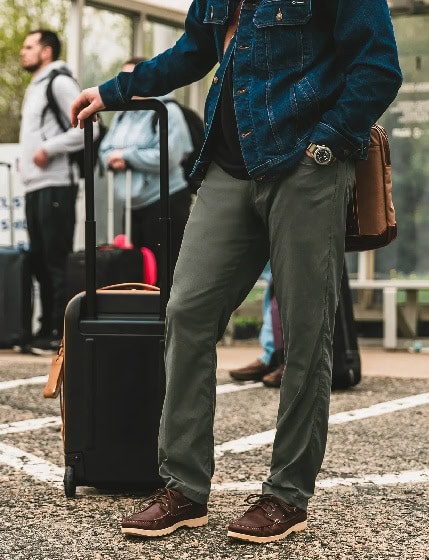
DUER, founded by industry veteran Gary Lenett, has bridged the gap between denim aesthetics and athletic performance. Their Live Free Adventure Pant incorporates antibacterial treatments and a signature gusset for maximum range of motion, catering to travelers who move directly from transit to physical activity.
Specialized Lifestyle Wear
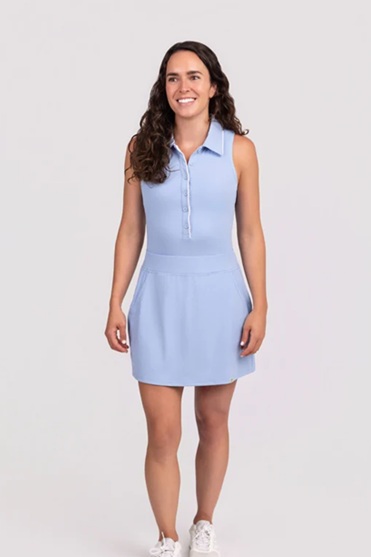
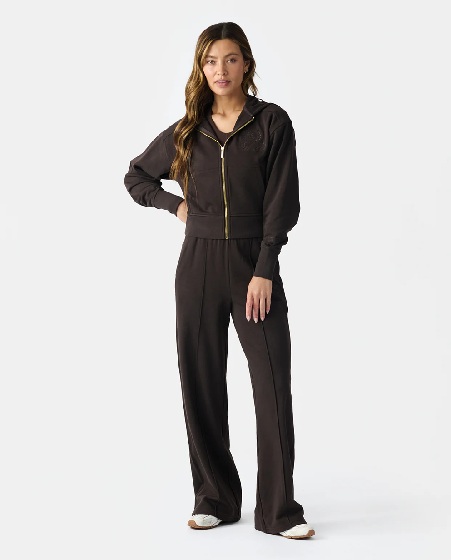
The rise of recreational sports travel has seen a surge in "golf-to-resort" wear. Honey Golf’s Helen Sleeveless Bodysuit and Sally Classic Skirt provide slimming compression and functional pockets, reflecting a broader trend of athletic wear becoming acceptable in upscale travel settings. For domestic comfort, the Legends Rylie and Valentina sets utilize TerryLux knit fabric, designed for the long-haul flight environment where comfort is paramount.

Advanced Outerwear for Extreme Conditions
Outerwear in 2025 focuses on "packability" and multi-layered protection without the bulk of traditional coats.
Insulated and Weatherproof Jackets
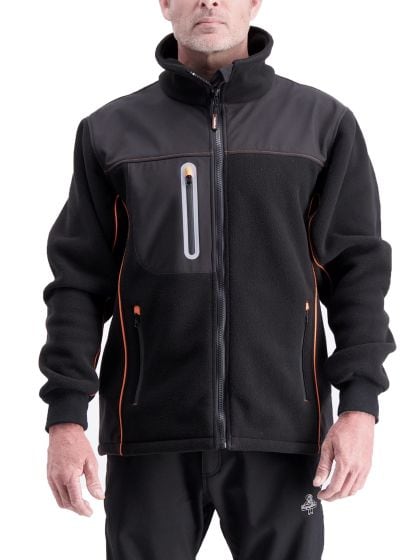
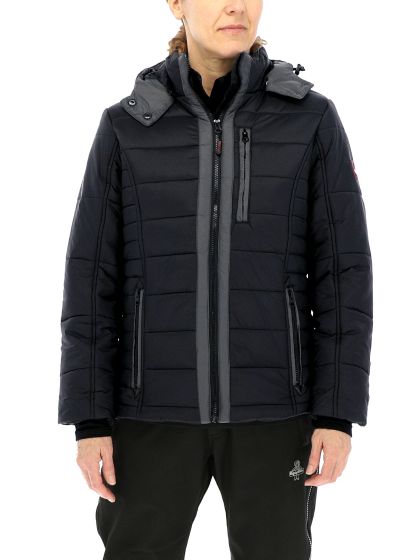
RefrigiWear, a brand with roots in WWII-era industrial protection, offers the PolarForce Hybrid Fleece and Pure-Soft Puffer. These garments are rated for temperatures as low as 0°F, utilizing soft taffeta linings and abrasion-resistant panels.
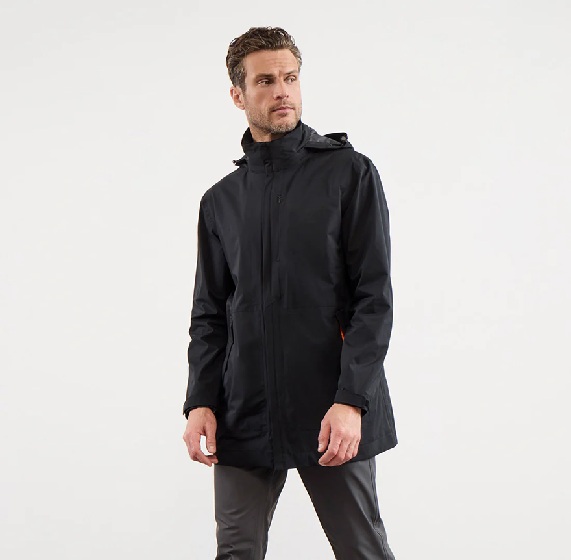
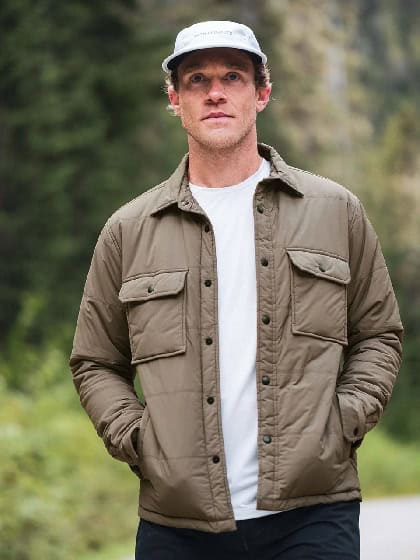
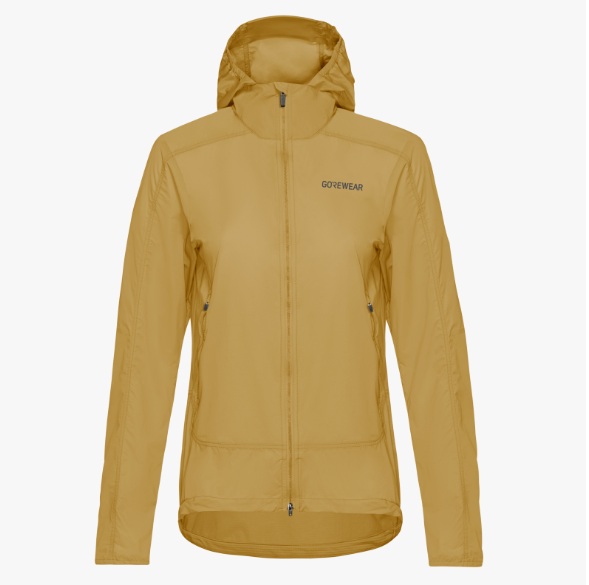
Bluffworks has revolutionized the rain jacket with the Faroe model. At only 16 ounces, it provides a waterproof, breathable 2-layer stretch polyester shell that includes hidden pockets for security. Similarly, PATH Projects and Gorewear have optimized windbreakers for high-output activities like mountain biking or trail running, using PrimaLoft Eco Silver insulation and GORE-TEX fabrics.
Footwear: Ergonomics and Ecological Impact
Footwear remains the most critical component of a traveler’s wardrobe. The trend for 2025-2026 is the "hybrid shoe"—a product capable of handling a mountain trail and a city dinner.
Trail and Urban Hybrids
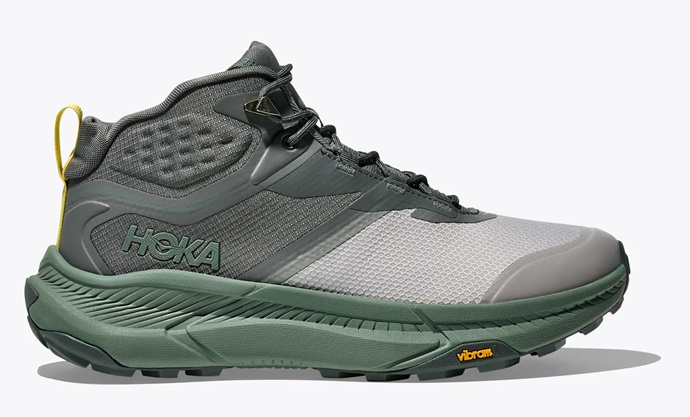
HOKA’s Transport Hike GTX combines a GORE-TEX bootie with a Vibram Megagrip outsole, using 30% sugarcane EVA in the midsole. This reflects a broader industry move toward bio-based foams.
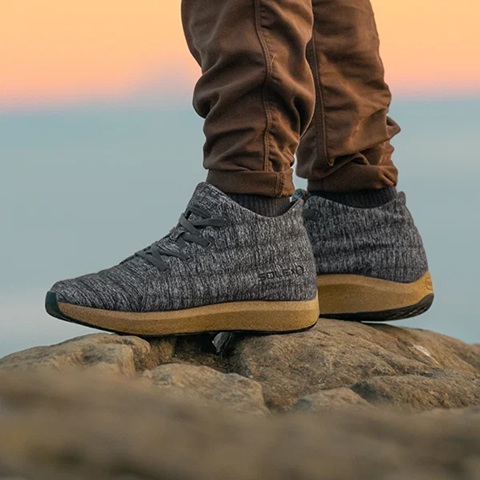
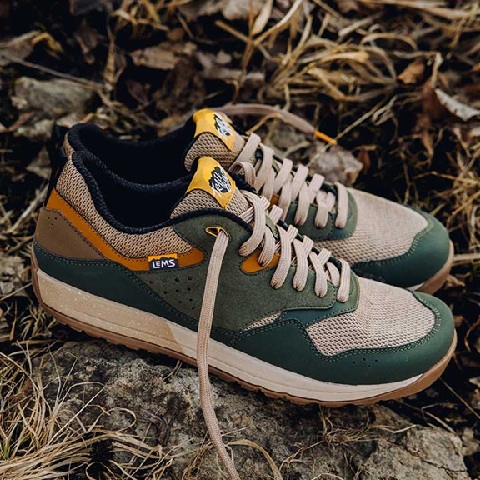
Minimalist brands like Lems and SOLE focus on foot health through zero-drop platforms and wide toe boxes. SOLE’s use of ReCORK (recycled wine corks) and bison fiber highlights the innovative use of upcycled materials in the footwear industry.
Specialized Boots and Indoor Comfort
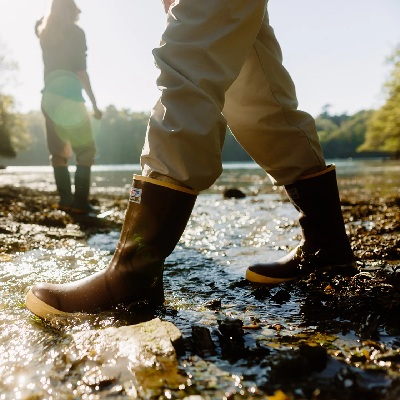
For wet environments, Xtratuff’s Legacy Boots provide triple-dipped protection against contaminants, while Merry People utilizes FSC Certified rubber for their vegan-friendly rain boots.
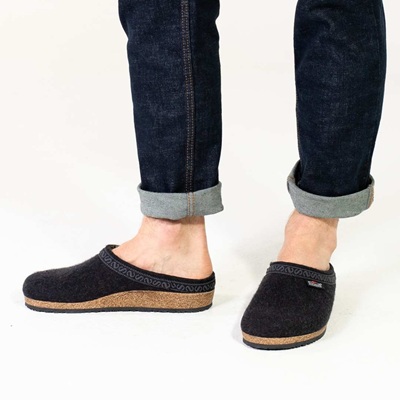
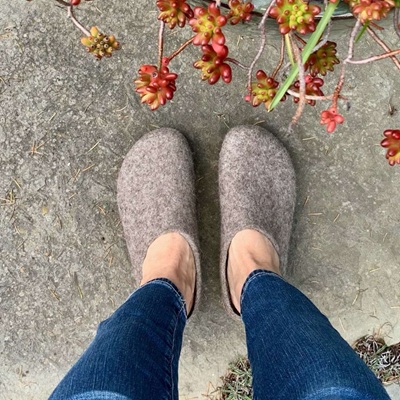
Even the slipper market has seen an upgrade in quality. Brands like Mykos and Luvons use Australian sheepskin and Ortholite foam to provide podiatrist-recommended support for travelers recovering from long days on their feet. Totes, a legacy brand celebrating over a century in business, continues to innovate with the Maryliza and Eve winter boots, blending Thermolite insulation with water-resistant shells.
Security, Technology, and Personalization
As digital threats and physical security concerns evolve, travelers are turning to biometric and RFID-blocking technology.
Biometric Security and Smart Wallets
The BenjiLock Outdoor Fingerprint Padlock, recognized by TIME as a top invention, replaces traditional keys with a biometric sensor capable of storing 10 different prints. This technology is increasingly used to secure luggage and rental lockers.
In the financial sector, the Ekster Wallet Pro provides RFID-blocking technology to prevent electronic pickpocketing. These wallets often include solar-powered tracking cards, allowing users to locate their lost property via smartphone apps.
Tech Connectivity and Legacy Goods
For the "digital nomad" and gaming enthusiast, the Backbone Pro controller transforms smartphones into high-performance gaming consoles, featuring 40 hours of battery life and ALPS joysticks.
On the more traditional side, Casio’s PRO TREK PRG-340B uses bio-based resins and solar power to provide compass, barometric, and altitude data without the need for a cellular signal. Finally, artisanal goods like Custom Gifts Bring Joy’s woven blankets allow travelers to preserve memories of National Parks like Glacier and Yosemite through high-quality, personalized cotton textiles.
Analysis of Implications for the Future of Travel
The curation of these 45+ gift ideas reveals a significant shift in the travel industry’s trajectory. There is a clear move away from "disposable" travel gear toward high-investment, durable goods that respect environmental boundaries. The integration of technology—not just for entertainment, but for security and biological comfort—suggests that the travelers of 2025 and 2026 are more informed and more demanding of their equipment than previous generations.

As global transit becomes more crowded and logistically challenging, the value of gear that provides a sense of autonomy and comfort cannot be overstated. These products represent more than just consumer goods; they are the essential tools for navigating an increasingly complex world.

