

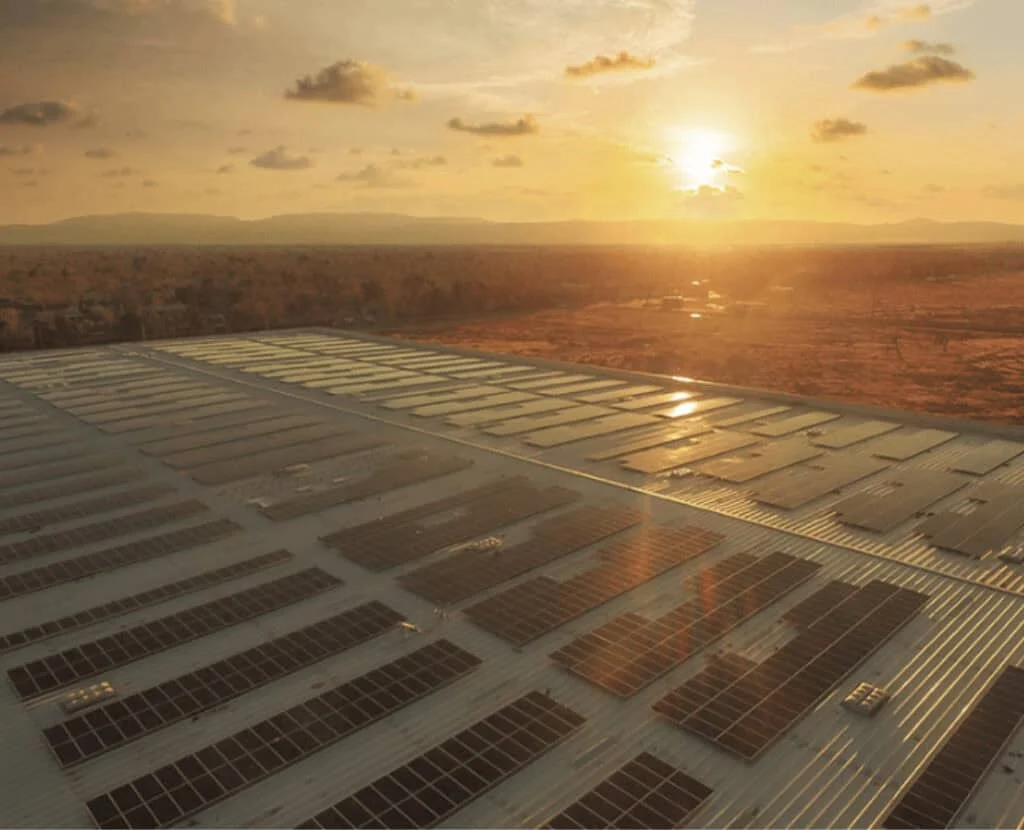
The Australian energy landscape is undergoing a profound structural transformation as the nation pivots away from fossil fuel reliance toward a decentralized, renewable-led grid. According to the latest data from the Australian Department of Climate Change, Energy, the Environment and Water, renewable electricity generation across the continent has more than doubled over the past decade. This shift is further underscored by the Clean Energy Council’s 2026 Clean Energy Report, which reveals that over 40% of Australia’s total electricity supply is now derived from renewable sources, including solar, wind, hydro, and biomass.
The acceleration of this transition is driven by a confluence of federal policy mandates, state-level incentives, and a fundamental shift in consumer behavior. For millions of Australian households, the adoption of clean energy technology has transitioned from an environmental aspiration to a pragmatic economic strategy. As retail electricity prices remain volatile, the promise of energy independence through rooftop solar and battery storage has become a primary motivator for residential and commercial investment.
The Historical Context of Australia’s Renewable Surge
The current momentum in the Australian renewable sector is the result of nearly two decades of evolving energy policy. The journey began in earnest with the introduction of the Mandatory Renewable Energy Target (MRET) in 2001, which was later expanded into the Renewable Energy Target (RET) in 2009. These policies created the financial framework necessary for large-scale wind and solar farms to become commercially viable.
By the mid-2010s, Australia emerged as a global leader in per-capita rooftop solar installations. This "bottom-up" energy revolution was fueled by high electricity costs and favorable feed-in tariffs. However, the intermittent nature of solar generation created new challenges for grid stability, leading to the "Duck Curve" phenomenon, where midday solar production exceeds demand, followed by a sharp spike in demand as the sun sets. This technical challenge has birthed the modern Australian energy storage market, where domestic and international brands are now competing to provide the hardware necessary to "firm" renewable generation.
Market Drivers and Economic Implications
The economic rationale for renewable adoption in Australia is currently supported by the CSIRO’s annual GenCost report, which consistently finds that wind and solar are the lowest-cost forms of new-build electricity generation. For the end-user, the integration of solar and battery systems serves as a hedge against grid instability and rising network charges.
Industry analysts note that the Australian market is unique due to its high solar irradiance and the high proportion of detached housing, which provides ample roof space for generation. This has created a fertile testing ground for energy management software and hardware, attracting global innovators while fostering local specialized firms.
1. VoltX Energy: Local Specialization and Integration
VoltX Energy has emerged as a significant player by focusing specifically on the nuances of the Australian and New Zealand climates and regulatory environments. Unlike global conglomerates that produce standardized products for a worldwide market, VoltX has built its reputation on high-performance home battery systems tailored for local conditions.
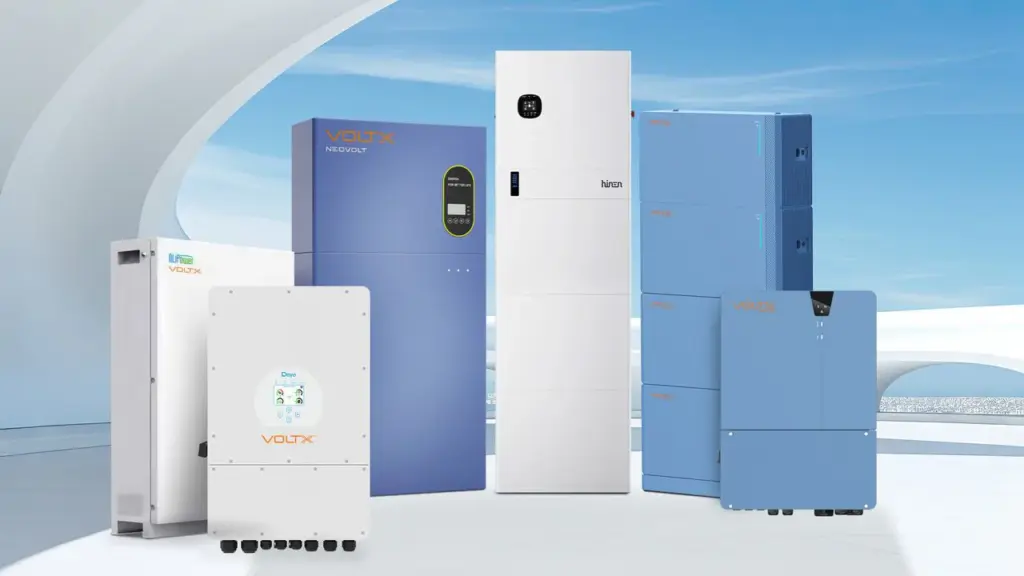
Their product line ranges from entry-level lithium-ion storage solutions to sophisticated energy management systems. A key competitive advantage for VoltX is the interoperability of its hardware. Their systems are designed to integrate with a wide array of existing solar inverters, allowing homeowners to retrofit storage capabilities without the necessity of replacing their entire solar array. This modularity is essential in a market where many households already possess aging solar infrastructure but lack the means to store excess power. Furthermore, the brand’s emphasis on local support addresses a common consumer concern regarding the longevity and maintenance of high-tech energy investments.
2. Tesla Energy: Ecosystem Synergy and Grid Services
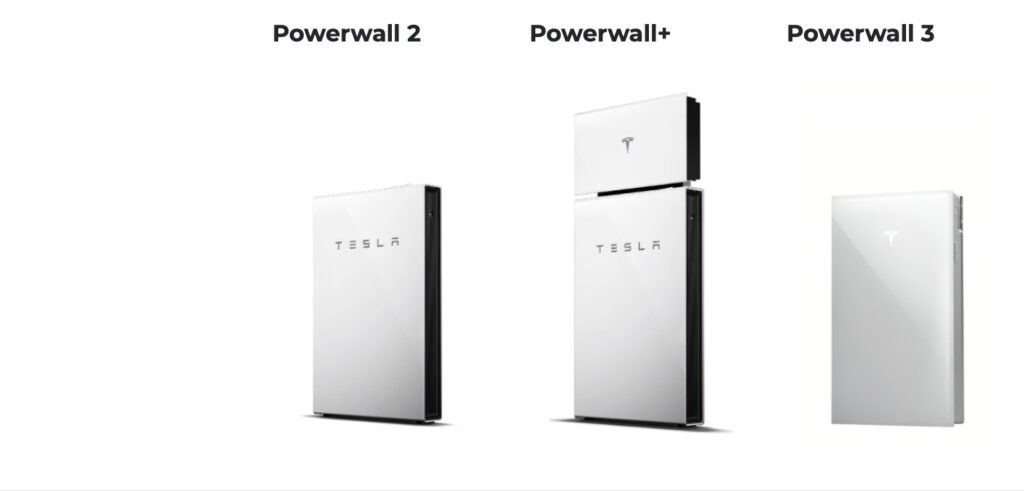
Tesla Energy remains the most high-profile participant in the Australian clean energy sector. The Tesla Powerwall has become synonymous with home energy storage, largely due to its sleek industrial design and deep integration with the broader Tesla ecosystem, including electric vehicle (EV) charging and solar roofing.
The introduction of the Powerwall 3 has further streamlined the installation process by combining a solar inverter and a high-capacity battery into a single unit. Beyond hardware, Tesla’s influence in Australia extends to "Virtual Power Plants" (VPPs). By aggregating thousands of individual Powerwalls into a single, software-controlled network, Tesla can discharge energy back into the grid during periods of peak demand. This not only stabilizes the grid but also provides participating homeowners with financial credits, effectively turning a residential appliance into a revenue-generating asset.
3. SunPower: High-Efficiency Photovoltaic Innovation
While batteries dominate the current conversation, the efficiency of the underlying solar panels remains a critical factor in the return on investment. SunPower has maintained a leadership position in the Australian market through its Maxeon cell technology. Traditional solar cells are prone to degradation over time due to environmental stress, but SunPower’s fundamental design utilizes a solid copper foundation that resists corrosion and cracking.
For Australian homeowners with limited roof space, the energy density of SunPower panels is a decisive factor. These panels deliver a higher kilowatt-hour yield per square meter compared to conventional polycrystalline or monocrystalline alternatives. To support its premium positioning, the company offers some of the most extensive performance and product warranties in the industry, often spanning 25 to 40 years. This long-term reliability is a vital consideration for consumers looking to offset the high upfront costs of solar installation through decades of reduced utility bills.
4. Fronius: The Engineering of Energy Conversion
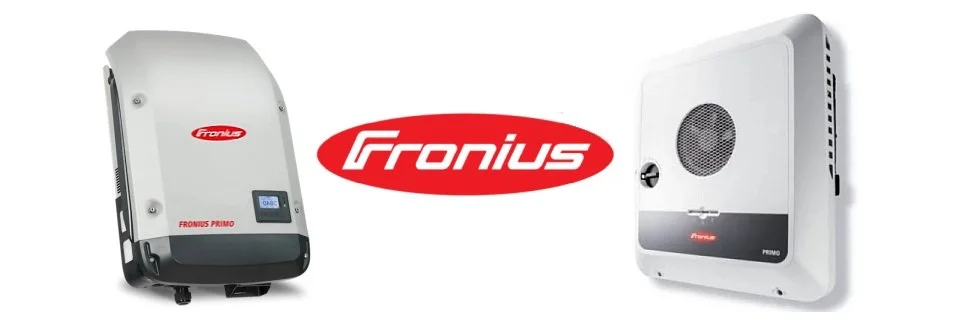
The solar inverter is often described as the "brain" of a renewable energy system, responsible for converting the direct current (DC) generated by panels into the alternating current (AC) used by household appliances. Austrian manufacturer Fronius has become a staple of high-quality Australian installations due to its emphasis on robust engineering and thermal management.
The Australian climate, characterized by extreme heat, can significantly degrade the performance of electronic components. Fronius inverters are noted for their active cooling systems and "SnapInverter" design, which simplifies servicing and upgrades. Additionally, the Fronius Solar.web platform provides users with granular data on their energy production and consumption patterns. This transparency allows for "smart" energy usage—such as timing heavy appliance use to coincide with peak solar production—which is a critical component of modern home energy management.
5. BYD: Scalability and Chemical Safety
BYD (Build Your Dreams) has leveraged its position as one of the world’s largest manufacturers of rechargeable batteries to capture a significant share of the Australian residential storage market. Their Battery-Box series is particularly favored for its modular "stackable" design. This allows a household to begin with a modest 5kWh capacity and expand the system incrementally as their budget or energy needs increase.
Technically, BYD distinguishes itself through the use of Lithium Iron Phosphate (LFP) chemistry. While many lithium-ion batteries use nickel and cobalt, LFP batteries are widely regarded as safer due to their higher thermal stability and resistance to "thermal runaway." They also offer a superior cycle life, meaning they can be charged and discharged more times before losing significant capacity. For budget-conscious Australian consumers, BYD offers a compelling balance between industrial-grade reliability and a competitive price point.
Comparative Analysis of Energy Technologies
The selection of a clean energy brand is increasingly dictated by the specific technical requirements of the home. The International Energy Agency (IEA) reports that the global shift toward renewables is accelerating faster than any previous energy transition in history. This acceleration has led to a diversification of technology:
- LFP vs. NMC Batteries: Brands like BYD and VoltX often utilize LFP for safety, whereas Tesla has traditionally used Nickel Manganese Cobalt (NMC) for higher energy density, though it is also shifting toward LFP for certain models.
- String Inverters vs. Microinverters: Companies like Fronius provide centralized string inverters, while brands like SunPower often integrate microinverters at the panel level to mitigate the impact of shading.
- Grid Independence: The "islanded" capability—the ability to run a home during a grid outage—is now a standard requirement for premium systems like the Powerwall 3 and VoltX’s advanced series.
Official Responses and Policy Outlook
The Australian government’s commitment to an 82% renewable energy target by 2030 has prompted a series of infrastructure investments and rebate programs. State governments, such as those in New South Wales and Victoria, have implemented battery incentive schemes to lower the entry barrier for middle-income families.
Industry experts from the Clean Energy Council have noted that the "next frontier" for these brands is the integration of Electric Vehicle (EV) charging. As Australia’s EV uptake increases, the home energy system must evolve to manage the massive load of a vehicle battery. Brands that can seamlessly coordinate solar generation, home storage, and EV charging through a single interface are expected to dominate the market by the end of the decade.
Broader Impact and Future Implications
The proliferation of these five brands signifies more than just a change in how Australians pay their power bills; it represents a democratization of the energy sector. By shifting generation and storage to the "edge" of the grid—individual homes and businesses—the nation is building a more resilient energy architecture.
However, this transition also necessitates a rethink of grid management. The Australian Energy Market Operator (AEMO) is currently working on protocols to better integrate distributed energy resources (DER). As more households adopt brands like Tesla, BYD, and VoltX, the collective storage capacity of Australian suburbs will eventually rival that of traditional coal-fired power stations.
For consumers, the advice remains consistent: prioritize long-term durability and local support. While the upfront cost of premium brands like SunPower or Fronius may be higher, the amortized cost over a 20-year period often reveals them to be the more economical choice. As the technology continues to mature and prices stabilize, the transition to clean energy is no longer a question of "if," but "when" for the average Australian household. The market is now sufficiently mature to offer solutions for every demographic, from the budget-conscious early adopter to the high-end homeowner seeking total energy autonomy.

