

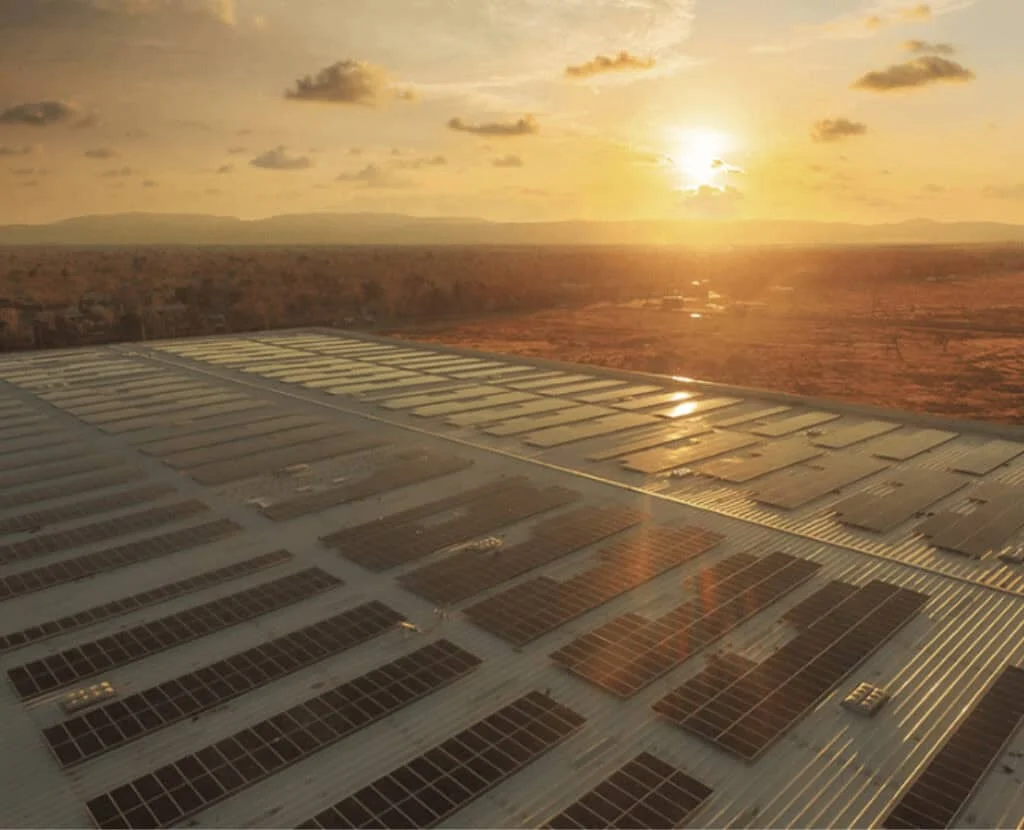
The Australian energy landscape is undergoing a monumental shift as renewable electricity generation on the continent has more than doubled over the last decade, according to data from the Department of Climate Change, Energy, the Environment & Water. This transition is no longer merely an environmental aspiration but a core pillar of national economic policy and household financial management. The Clean Energy Council’s 2026 Clean Energy Report highlights a significant milestone in this journey, revealing that over 40% of Australia’s total electricity is now derived from renewable sources. This diversified portfolio includes biomass, solar, wind, and hydro generation technologies, signaling a move away from the coal-dependency that historically defined the Australian grid.
The rapid expansion of the clean energy sector is fueled by a convergence of technological maturity and shifting consumer priorities. For millions of Australian households, the transition to renewable energy has evolved from a philanthropic "feel-good" concept into a strategic, money-saving decision. Driven by a combination of environmentally conscious values, escalating power bills, and a desire for energy independence, consumers are increasingly seeking out sophisticated home energy storage and solar solutions. As the market matures, several key brands have emerged as leaders, providing the hardware and software necessary to make renewable power accessible, affordable, and reliable for both homeowners and businesses.
The Evolution of the Australian Renewable Sector
The journey toward a renewable-dominant grid in Australia has followed a distinct chronological path. In the early 2010s, the market was primarily driven by generous government feed-in tariffs and the introduction of Small-scale Technology Certificates (STCs), which significantly lowered the upfront cost of solar PV installations. This led to Australia having one of the highest per-capita rates of rooftop solar adoption in the world.
By the early 2020s, the focus shifted from simple generation to energy management and storage. As feed-in tariffs began to decline, the economic incentive moved toward "self-consumption"—using the energy generated on-site rather than selling it back to the grid for a minimal return. This shift birthed the "Battery Boom," characterized by the integration of smart inverters and lithium-ion storage systems. Today, in 2026, the industry is entering a phase of total home energy integration, where solar, storage, and electric vehicle (EV) charging are managed through unified digital ecosystems.
1. VoltX Energy: Local Innovation for the Antipodean Market
VoltX Energy has carved out a significant niche by focusing specifically on the unique demands of the Australian and New Zealand environments. Unlike some global conglomerates that offer "one-size-fits-all" products, VoltX has built its reputation on high-performance home battery systems engineered to withstand the extreme temperature fluctuations common in the Australian outback and coastal regions.
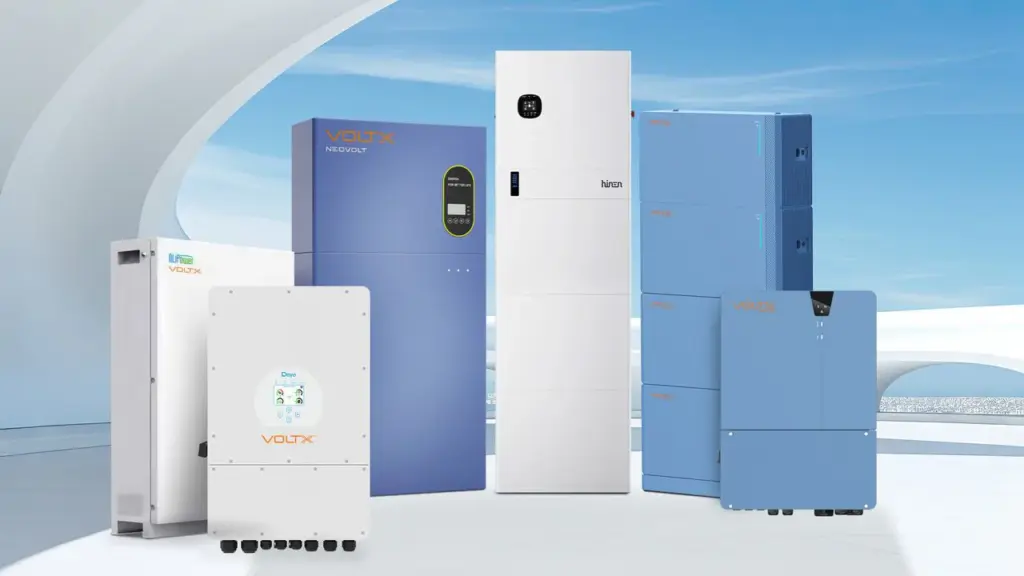
The brand’s product range is designed with scalability in mind, covering everything from entry-level solar batteries for small households to advanced home energy management systems (HEMS) for large estates. A key differentiator for VoltX is its focus on "retro-compatibility." Their battery systems are designed to integrate seamlessly with most existing solar panel setups. This allows homeowners to add storage capacity to an older system without requiring a complete and costly overhaul of their existing infrastructure. Furthermore, by maintaining a strong local presence, VoltX provides a level of customer support and technical assistance that is often cited as a primary factor for consumers who prioritize long-term reliability and serviceability.
2. Tesla Energy: The Ecosystem Approach
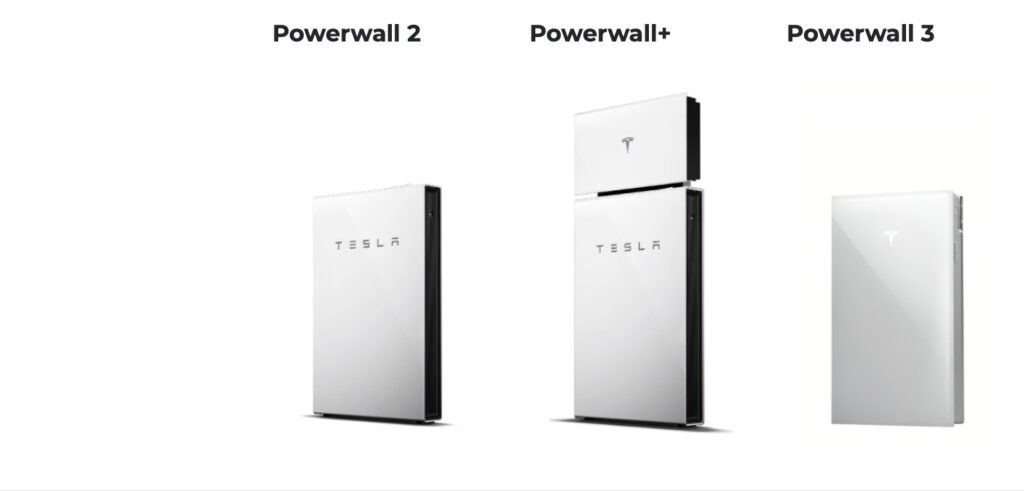
Tesla Energy remains perhaps the most recognizable name in the clean energy space, with its Powerwall series continuing to set the benchmark for home battery storage. The latest iteration, the Powerwall 3, represents a significant leap in hardware integration. By combining a high-efficiency solar inverter and a high-capacity battery into a single, sleek unit, Tesla has simplified the installation process and reduced the physical footprint of the system.
The true strength of Tesla Energy, however, lies in its software ecosystem. The Tesla app allows users to monitor their energy production and consumption in real-time, providing granular data that helps households optimize their usage patterns. Tesla’s "Storm Watch" feature, which automatically charges the battery to full capacity when severe weather is detected, offers a layer of energy security that appeals to residents in regions prone to grid instability. While Tesla products typically command a premium price point, the brand’s integration with its electric vehicles and solar roof tiles makes it a compelling choice for those seeking a comprehensive, future-proofed energy environment.
3. SunPower: Maximizing Efficiency and Longevity
In the solar panel sector, SunPower has established itself as the gold standard for efficiency and durability. The brand’s proprietary Maxeon cell technology is the cornerstone of its success. Unlike conventional solar cells that use thin metal ribbons to conduct electricity—which can become brittle and break over time—Maxeon cells are built on a solid copper foundation. This design not only makes them more resistant to corrosion and cracking but also allows them to capture more sunlight per square meter.
For Australian homeowners with limited roof space, SunPower’s high-efficiency panels are often the most viable path to achieving energy independence. By generating more power from a smaller area, these panels allow for a higher total system output. SunPower also offers some of the most comprehensive warranties in the industry, often spanning 25 to 40 years. This long-term assurance is a critical factor for investors and homeowners who view solar as a multi-decade financial asset. While the initial capital expenditure for SunPower panels is higher than budget alternatives, the higher energy yield over the life of the system typically results in a superior return on investment (ROI).
4. Fronius: The Intelligent Heart of the Solar System
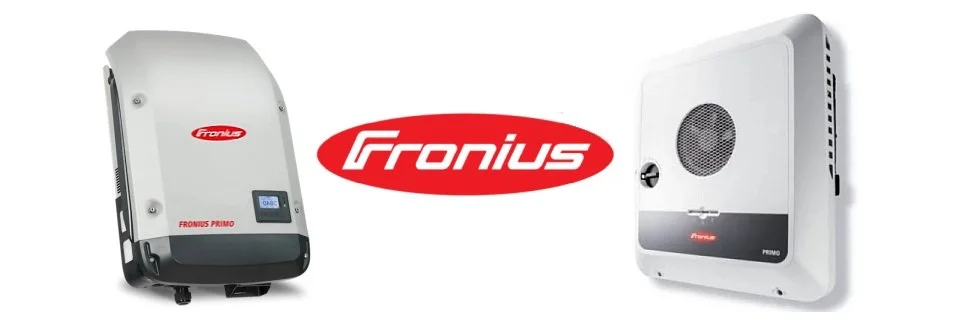
Based in Austria, Fronius is widely regarded as a premier manufacturer of solar inverters, the "brains" of any renewable energy system. The inverter’s role is critical; it converts the direct current (DC) electricity generated by solar panels into the alternating current (AC) used by household appliances. Fronius inverters, particularly the SnapINverter and Primo lines, are praised by installers for their robust build quality and ease of maintenance.
Fronius has stayed ahead of the curve by focusing on "smart" features. Their inverters offer advanced data communication capabilities, allowing for detailed monitoring and integration with third-party home automation systems. This connectivity is essential for the modern "smart home," where energy usage is dynamically adjusted based on current production. Additionally, Fronius inverters are designed with a unique cooling system that prevents the electronics from overheating, a feature that is particularly relevant in the harsh Australian climate. Their commitment to sustainability is also evident in their manufacturing processes, making them a preferred choice for truly eco-conscious consumers.
5. BYD: Modular Solutions and Safety-First Chemistry
BYD (Build Your Dreams) has rapidly ascended the ranks to become a global leader in battery technology. Their Battery-Box range has gained significant traction in the Australian market due to its modular design. This "Lego-like" approach allows homeowners to start with a smaller, more affordable battery capacity and add modules over time as their energy needs or budget grow.
A major selling point for BYD is its use of Lithium Iron Phosphate (LFP) chemistry. Compared to the Nickel Manganese Cobalt (NMC) chemistry used in some other lithium batteries, LFP is widely considered safer and more stable, with a lower risk of thermal runaway. Furthermore, LFP batteries tend to have a longer cycle life, meaning they can be charged and discharged more times before their capacity begins to degrade. By positioning itself as a high-quality yet cost-effective alternative to premium brands, BYD has made energy storage a reality for a broader demographic of Australian households.
Supporting Data and Economic Analysis
The shift toward these brands is supported by compelling economic data. According to the International Energy Agency (IEA), the global transition to renewable energy is accelerating at a pace that exceeds all previous energy transitions in history. In Australia, the "Levelized Cost of Energy" (LCOE) for wind and solar is now significantly lower than that of new-build coal or gas plants.
For the individual consumer, the financial benefits are increasingly clear. By pairing high-quality solar panels with a reliable battery system, households can store excess energy generated during the peak sunlight hours of the day and deploy it at night. This practice, known as load shifting, allows users to avoid high peak-tariff periods. Industry analysts suggest that a well-optimized solar and battery system can reduce a household’s grid dependency by as much as 70% to 90%, leading to thousands of dollars in annual savings.
Industry Responses and Future Implications
Industry leaders and government officials have reacted positively to the proliferation of these clean energy brands. A spokesperson for the Clean Energy Council noted that the entry of diverse, high-quality manufacturers into the Australian market has driven competition, which in turn has lowered prices and improved technology standards. "The democratization of energy is well underway," the statement noted. "We are seeing a shift from a centralized grid to a distributed network where every home is a potential power plant."
The broader implications of this trend are profound. As more households adopt storage solutions from brands like VoltX, Tesla, and BYD, the potential for "Virtual Power Plants" (VPPs) increases. In a VPP, thousands of individual home batteries are linked together via software to act as a single, large-scale battery for the grid. This can provide essential services like frequency control and peak demand management, making the entire national grid more resilient and reducing the need for fossil-fuel-based "peaker" plants.
Final Analysis and Considerations for Consumers
Choosing the right clean energy brand requires a nuanced understanding of one’s specific energy profile. Factors such as roof orientation, daily consumption patterns, and long-term financial goals must be weighed against the technical specifications of the hardware. Resources like EnergySage have become invaluable for consumers, offering transparent comparisons and real-world cost data that demystify the purchasing process.
As Australia moves closer to its 2030 and 2050 climate targets, the role of these five brands—and the innovations they represent—will only grow in importance. The transition to clean energy is no longer a niche market; it is a fundamental restructuring of how society interacts with power. For the Australian resident, the current landscape offers an unprecedented array of choices, ensuring that energy independence is no longer a luxury, but an accessible reality for the modern home. In this competitive market, the ultimate winners are the consumers and the environment, as high-performance technology becomes the standard for the Australian way of life.

