

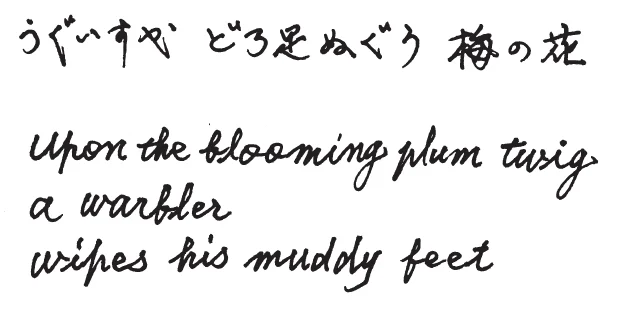
The enduring resonance of Japanese haiku, particularly the profound works of Kobayashi Issa, continues to captivate contemporary literary minds. Arthur Sze, the esteemed US Poet Laureate, recently shared his insights into the emotional power and intricate depth found within Issa’s poetry, emphasizing the universal human experiences that these seemingly simple verses convey. Sze’s commentary, presented in conjunction with translations by Nanao Sakaki, illuminates the enduring relevance of Issa’s 18th-century observations on nature, life, and the human condition. This exploration is drawn from Sze’s forthcoming book, Transient Worlds: On Translating Poetry, offering a deep dive into the nuances of haiku and its translation for a modern audience.
The Enduring Legacy of Kobayashi Issa
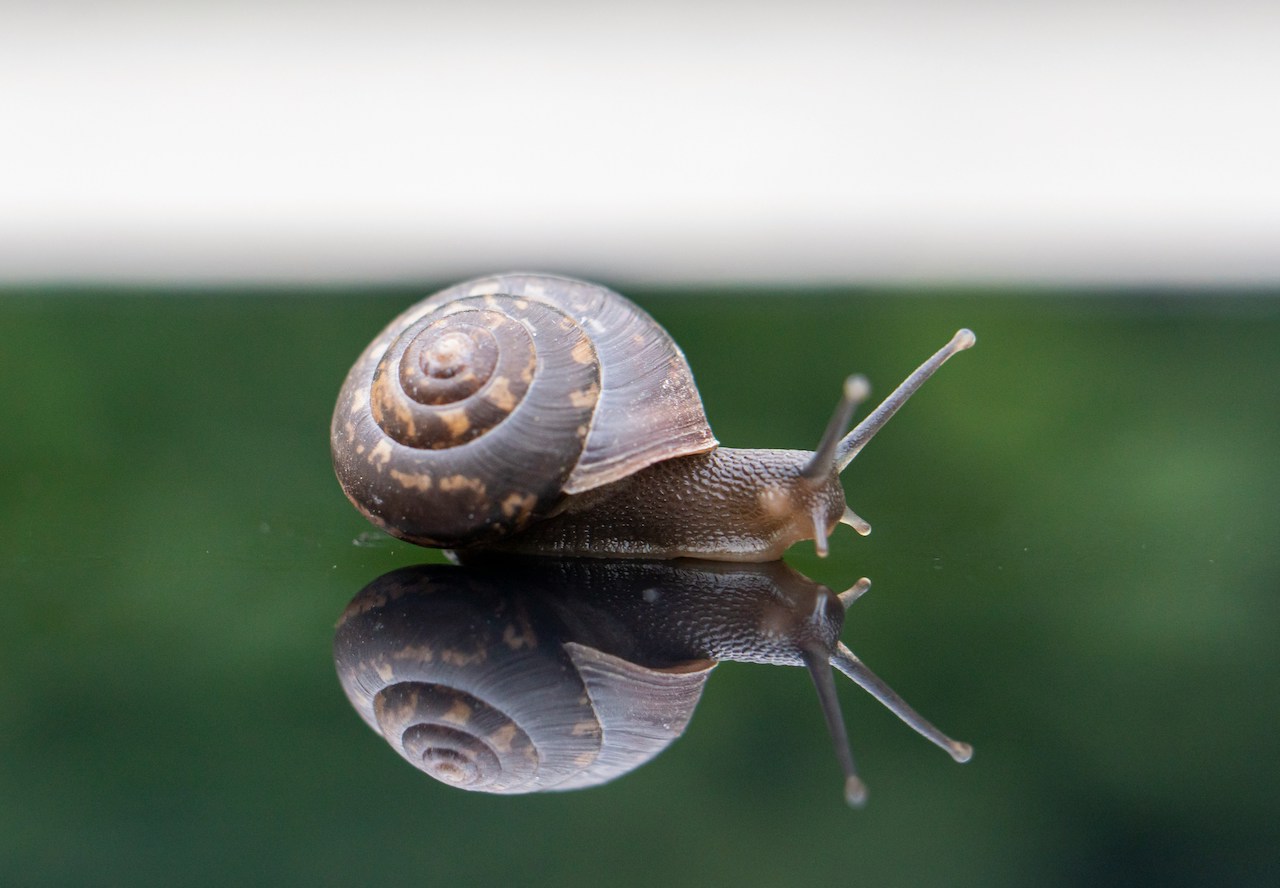
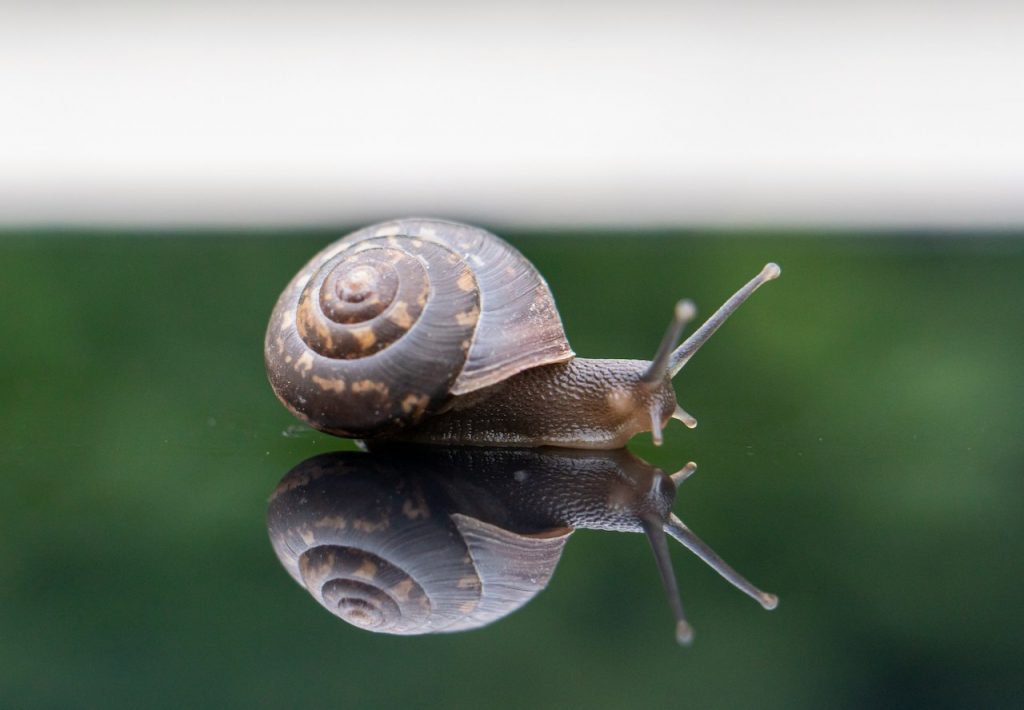
Kobayashi Issa (1763-1828) remains one of Japan’s most beloved haiku poets, renowned for his profound empathy, his keen observation of the natural world, and his often-humorous yet deeply compassionate portrayal of life’s struggles. Born into a family of middle-class farmers in Kashiwabara, Shinano, Japan, Issa’s personal life was marked by significant hardship, including the early death of his mother and subsequent difficulties with his stepmother, which deeply influenced his poetic sensibility. His pen name, "Issa," translates to "one cup of tea," a humble moniker that belies the vast output of his literary career, which includes over twenty thousand haiku. Notably, his prolific engagement with the imagery of snails, featuring them in fifty-four poems, highlights his unique ability to find significance and narrative in the smallest of creatures.
The haiku form itself has a rich history, evolving from the renga tradition of linked verse that flourished in the 15th century. While traditionally structured in a 5-7-5 syllable count in Japanese, contemporary haiku writing, both in Japan and globally, often prioritizes thematic elements and evocative imagery over strict syllabic adherence. In Japan today, an estimated eight to ten million individuals actively engage in writing haiku, demonstrating its continued cultural vitality. The United States has also embraced the form, though Sze notes a potential overemphasis on syllable counting in educational settings, sometimes at the expense of deeper poetic understanding.
Key Elements of Haiku: Kigo and Immediacy
Sze underscores the critical importance of kigo, a seasonal reference, within a haiku. This element anchors the poem in a specific time of year, providing a temporal and sensory context that enhances its resonance. The fundamental essence of haiku, according to Sze, lies in its exploration of transience, the capturing of a single, fleeting moment. The form’s inherent immediacy, its reliance on the present tense, and its focus on "deep noticing" are the cornerstones that imbue one of the world’s shortest poetic forms with its remarkable strength and enduring impact.
The debate surrounding the optimal translation of haiku into English is also a significant point of discussion. While Japanese haiku are typically presented as a single continuous line, the question arises whether this structure best serves the poem when rendered in English. Hiroaki Sato, a prominent translator, argues for the single-line approach, asserting it better reflects the original Japanese presentation. Sze, however, suggests a practical approach for translators: experimenting with both three-line and single-line renderings to discern which best captures the poem’s essence and impact. This dual approach allows for an exploration of how line breaks and phrasing can alter the reader’s experience and emotional response.
A Personal Connection: Nanao Sakaki and the Hiroshima Bombing
Sze’s personal engagement with Issa’s poetry is deeply intertwined with his relationship with the translator Nanao Sakaki. Sakaki, who resided in Taos, New Mexico, shared a memorable lunch with Sze in Santa Fe, during which he recounted a life-altering experience from his past. Sakaki, a draftee in the Japanese navy during World War II, served as a radar specialist. On the morning of August 6, 1945, he observed a single aircraft approaching the Japanese coast on his radar. Looking outside, he witnessed a colossal explosion in the sky, initially mistaking it for the eruption of Mount Fuji. This catastrophic event was, of course, the detonation of the atomic bomb on Hiroshima.
This profound experience marked a turning point for Sakaki, leading him to embrace a life dedicated to ecological consciousness and an itinerant poetic path. It was during this period that he translated forty-five haiku by Issa into English. Over their shared meal, Sakaki spoke with admiration of Issa’s humility and profound humanity. Upon reading Sakaki’s translations, Sze found himself equally moved and inspired by Issa’s work, solidifying his own appreciation for the poet.
Analyzing Issa’s Poetic Techniques
Sze delves into specific haiku to illustrate Issa’s mastery of poetic devices, highlighting how Sakaki’s three-line translations effectively build imagery and emotional resonance.
Haiku 1: Juxtaposition and Delicate Contrast
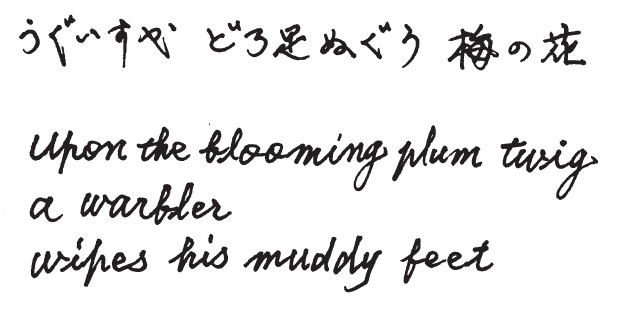
In the first haiku, Sze points to Issa’s skillful use of juxtaposition. Sakaki’s choice to translate this haiku into three distinct lines allows each line to build upon the preceding one, coalescing into a single, vivid image. The opening line, "blooming plum twig," immediately establishes the kigo, the seasonal marker signifying spring. The second line introduces a warbler perched on this delicate twig, and the third line completes the juxtaposition by contrasting the serene beauty of the blossoming plum with the "muddy feet" of the warbler. This subtle interplay between the refined beauty of the natural world and the humble, perhaps even messy, reality of its inhabitants is a hallmark of Issa’s compassionate observation.
Haiku 2: Scale and Unexpected Grandeur
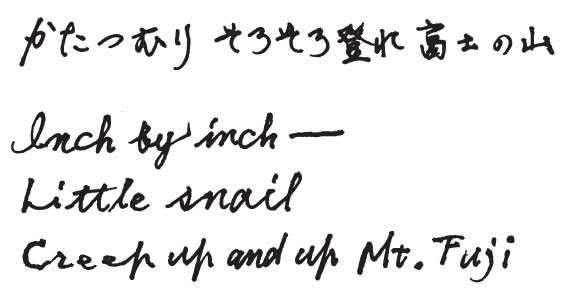
The second haiku exemplifies Issa’s use of contrast in scale to evoke a powerful emotional response. The "little snail" serves as the kigo, implicitly signaling spring as the season of emergence and burgeoning life. Issa directs the reader’s attention to this small creature’s arduous journey upwards. Instead of a more conventional surface like a tree trunk or stone wall, the snail is depicted creeping up the colossal Mount Fuji. This juxtaposition of the minuscule snail against the immense, spiritually significant mountain imbues the poem with a profound sense of surprise and emotional depth. While some interpretations might view the snail as a symbol of perseverance, Sze suggests that such readings, while well-intentioned, might detract from the poem’s immediate impact. The power lies in simply observing the snail’s persistent, unhurried movement against the backdrop of such monumental grandeur, allowing for a moment of pure, unadulterated wonder.
Haiku 3: Non-Verbal Communication and the Dao
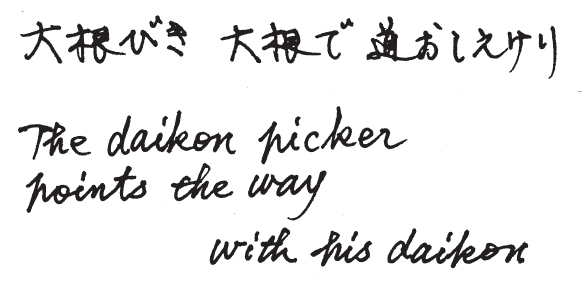
The third haiku, as Sze recalls from Sakaki’s commentary, depicts Issa traveling and seeking directions to a village. Along a rural road, he encounters someone harvesting daikon radishes. When Issa inquires about the path, the daikon picker responds not with words, but by uprooting a radish and pointing the way with it, all without ceasing his task. This fluid, natural action conveys directions while simultaneously embodying the principles of the Dao – living in harmony with the natural flow of existence. Sze further notes the subtle layering of meaning, potentially visible in the Japanese kanji for "Dao" within the original text, a technique that adds considerable depth and emotional power to haiku. When a single word carries multiple layers of meaning, the reader’s experience of the poem is significantly enriched. Sakaki’s translation, using a dropped line to create a brief moment of suspense before revealing the daikon picker’s gesture, masterfully captures this subtle narrative. Across all three translated haiku, Sakaki succeeds in making the foreign accessible, transforming visual imagery into conduits of emotional connection and universal understanding.
Broader Implications and the Art of Translation
The discussion surrounding Issa’s haiku and their translation by Nanao Sakaki, as illuminated by Arthur Sze, offers a compelling case study in the power of poetry to transcend cultural and temporal boundaries. The ability of these concise verses to evoke deep emotion, philosophical reflection, and a profound connection to the natural world speaks to the enduring human need for observation, empathy, and an appreciation for the subtle beauty of existence.
The challenges and rewards of translating poetry, particularly a form as nuanced as haiku, are brought into sharp relief. Sze’s exploration of Sakaki’s choices—the use of three lines, the deliberate pacing, and the subtle infusion of cultural and philosophical undertones—demonstrates that translation is not merely a linguistic transfer but an act of cultural interpretation and artistic re-creation. The success of Sakaki’s translations, in making Issa’s work accessible and emotionally resonant for an English-speaking audience, underscores the vital role of translators in bridging cultural divides and fostering cross-cultural understanding.
The personal anecdotes shared by Sze, particularly his recollection of Nanao Sakaki’s profound experience with the atomic bomb, further highlight how deeply personal histories can inform artistic expression and the appreciation of art. Sakaki’s pursuit of ecological consciousness and his choice to translate Issa, a poet known for his empathy towards the marginalized and the humble, suggest a profound connection between his own life journey and the themes he found in Issa’s work.
The excerpt is from Arthur Sze’s Transient Worlds: On Translating Poetry, copyright 2026 by Arthur Sze, published by Copper Canyon Press. The haiku translations themselves, "Three Haiku," originally appeared in Inch by Inch, translated by Nanao Sakaki (La Alameda Press, 1999), and are presented courtesy of La Alameda Press and the publication. This rich collaboration between poet, translator, and commentator serves as a testament to the enduring power of poetry to connect us to ourselves, to each other, and to the vast, intricate world around us.

