

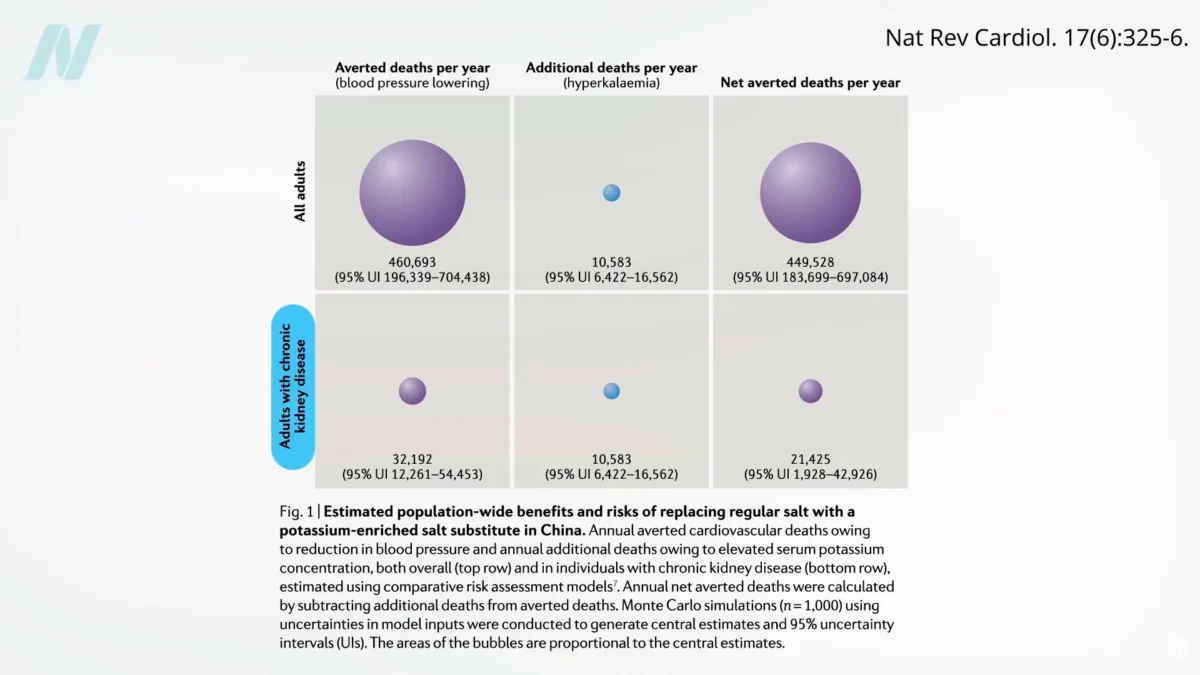
Healthy kidney function is paramount for the effective excretion of potassium, a mineral essential for numerous bodily processes. Individuals concerned about their risk factors for kidney impairment are strongly advised to consult with their healthcare providers to undergo comprehensive kidney function testing. This proactive approach can identify potential issues before they escalate.
Evolutionary Perspective on Potassium Intake
From an evolutionary standpoint, the optimal dietary intake of potassium likely significantly exceeds current recommendations and even typical consumption levels observed today. Our ancestral diets were predominantly plant-based, rich in fruits, vegetables, leafy greens, roots, and tubers. These food sources were naturally abundant in potassium. However, modern dietary habits have seen a drastic shift. Many of these potassium-rich whole foods have been displaced by calorie-dense, processed "junk" foods laden with added fats and sugars. Crucially, these processed alternatives are not only stripped of vital fiber but also significantly depleted of potassium. This dietary transition represents a fundamental departure from the nutritional landscape our bodies evolved to thrive in.
The Sodium-Potassium Imbalance and Its Health Consequences
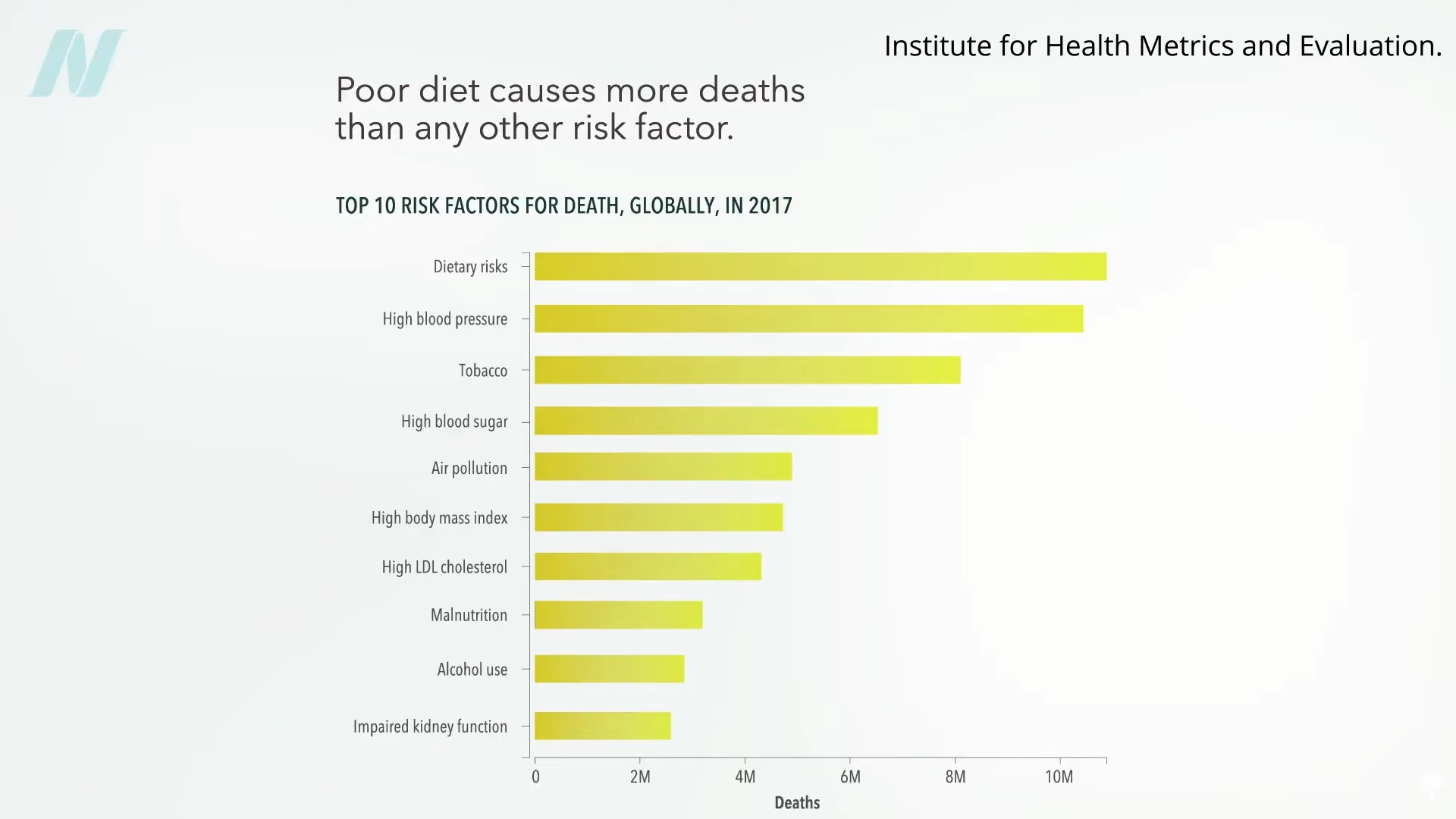
In traditional, largely plant-based diets, potassium intake was consistently high, while sodium intake was remarkably low. This equilibrium is increasingly threatened in contemporary society. The consequences of this imbalance are starkly evident in global health statistics. High blood pressure, or hypertension, has emerged as the second leading risk factor for death worldwide, claiming over 10 million lives annually. This alarming figure underscores the critical link between diet and cardiovascular health. Only unhealthy dietary patterns, in general, rank higher as global risk factors for mortality. This data highlights the profound impact of dietary choices on population health and longevity.
Strategies for Improving Potassium Intake and Lowering Blood Pressure
Fortunately, a tangible path exists to rectify this imbalance and improve both potassium intake and blood pressure control. This involves a conscious increase in the consumption of whole, unprocessed plant foods. Leafy greens and legumes, for instance, are nutritional powerhouses, packed with potassium and other beneficial compounds that actively contribute to lowering blood pressure.
However, a significant portion of the population struggles with a dual challenge: excessive sodium intake coupled with insufficient potassium consumption. This presents a complex scenario for public health initiatives. In response to this widespread dietary deficit, the use of salt substitutes has gained attention as a potential dietary intervention. Potassium chloride is the most common salt substitute, offering a direct swap of sodium for potassium in the culinary landscape.
The Efficacy and Nuances of Potassium Chloride Salt Substitutes
Emerging research indicates that this substitution strategy is indeed effective. A comprehensive meta-analysis encompassing over a dozen randomized controlled trials has demonstrated that replacing sodium chloride with potassium chloride demonstrably lowers blood pressure. Notably, the majority of these trials involved substitutes containing less than 30% potassium chloride. Even at these moderate levels of potassium substitution, significant blood pressure reductions were observed. Furthermore, for most individuals, potassium chloride at concentrations below 30% is virtually indistinguishable from regular salt in terms of taste, with many reporting they cannot perceive a difference. This raises an intriguing question: can a salt substitute that tastes the same as regular salt still yield beneficial health outcomes? The answer appears to be a resounding yes, but with certain considerations.

Understanding the "Catch": Taste Preferences and Individual Sensitivities
The U.S. Food and Drug Administration (FDA) generally regards potassium chloride as "Generally Regarded as Safe" (GRAS). For healthy individuals, the primary concern with exclusive and extensive use of potassium chloride salt substitutes is a potential alteration in taste perception. Some users report a bitter or metallic aftertaste, which can vary depending on the specific food being seasoned. Personal anecdotes suggest that while potassium chloride can be highly effective on certain dishes and snacks, it may render other foods unpalatable.
One individual’s experience highlights this variability: after eliminating regular salt from their diet for several weeks, their palate adapted, and most foods became palatable without added seasoning. However, pesto proved to be an exception, losing its desired flavor profile. The application of a potassium chloride salt substitute to pesto restored the taste to satisfaction, demonstrating its utility in specific culinary contexts. Yet, the same individual found that adding potassium chloride to watermelon, a practice sometimes seen in Southern U.S. cuisine to enhance sweetness, resulted in an unpleasant, almost gag-inducing experience. This underscores that salt substitutes are not universally suitable for all foods or all taste preferences.
The Protective Role of Kidneys in Potassium Regulation
The reason healthy individuals can generally consume foods containing potassium without significant concern about overconsumption lies in the remarkable regulatory capacity of their kidneys. These vital organs efficiently excrete excess potassium from the body through urine. This natural mechanism ensures that blood potassium levels remain within a safe and healthy range, even with increased dietary intake.
The safety profile of potassium supplementation has also been examined. Studies have not shown adverse effects from long-term potassium supplementation at doses as high as 3,000 mg per day. In fact, healthy kidneys can effectively maintain normal blood potassium levels even when intake is increased to approximately 15,000 mg per day. This capacity is not surprising, considering our evolutionary past, where daily potassium intake from a plant-rich diet may have been in this very range.
Blood Potassium Levels: Normal Ranges and Potential Concerns
The typical reference range for potassium levels in the blood is between 3.5 and 5.0 millimoles per liter (mmol/L). Levels approaching 6 mmol/L begin to raise concern. However, even when individuals consume potassium supplements, such as in salt substitution trials where participants ingest an average of around 2,000 mg daily, blood potassium levels typically increase by only about 0.14 mmol/L. This modest rise, from 4.0 mmol/L to 4.14 mmol/L, for instance, is unlikely to push levels into a dangerous range.
Extremes of Potassium Intake: Rare but Possible Scenarios
While the body’s regulation of potassium is robust, extreme dietary habits can theoretically lead to elevated blood potassium levels. One documented case involved an individual who consumed up to 20 bananas daily for years, consuming little else. This prolonged and exceptionally high intake of potassium-rich food did result in potassium levels exceeding 6 mmol/L. Similarly, consuming extremely large quantities of high-potassium vegetables, such as 10 pounds of carrots daily—a feat likely only achievable through juicing—could also pose risks. Such extreme scenarios are rare and often associated with misguided or unconventional dietary practices.
Historical Context and Safety of Salt Substitutes
Historical accounts offer insights into the potential risks associated with early salt substitutes. A 1940s report documented cases of lithium poisoning attributed to the use of salt substitutes that contained lithium chloride. This highlights the importance of understanding the chemical composition of any product intended for dietary substitution.
Modern salt substitutes primarily utilize potassium chloride. While generally safe, there is one reported instance of an individual committing suicide by ingesting slightly more than a tablespoon of a potassium chloride salt substitute. This raises questions about the accessibility and regulation of such products. However, it is crucial to contextualize this risk. Even small amounts of regular table salt (sodium chloride), if ingested rapidly and in large quantities, can be fatal. In ancient China, for example, ingesting saltwater was apparently a traditional method of suicide. This comparison underscores that the potential for harm exists with many common substances when consumed in extreme amounts.
Addressing the Needs of Individuals with Kidney Impairment
A specific segment of the population may encounter difficulties with increased potassium intake, primarily individuals with severely impaired kidney function. This has historically led to a cautious approach in recommending potassium-based salt substitutes on a broad scale. When the kidneys cannot effectively regulate potassium levels, hyperkalemia (abnormally high blood potassium) can become a serious health concern.
Individuals at higher risk include those with known kidney disease, diabetes (which can lead to kidney damage), severe heart failure, individuals taking medications that inhibit potassium excretion, older adults, and those with adrenal insufficiency. Anyone uncertain about their risk status should consult their physician for a kidney function assessment.
Shifting Paradigms in Kidney Disease Management
Ironically, potassium’s potent ability to reduce deaths from high blood pressure, even among individuals with kidney disease, is increasingly recognized. This suggests that the widespread adoption of potassium chloride salt substitutes could potentially save more lives, despite the inherent risks for a vulnerable subset of the population.
Traditionally, dietary recommendations for kidney patients often involved limiting the consumption of fruits and vegetables due to their high potassium content. However, this paradigm is undergoing a significant transformation. The overwhelming benefits of a fundamentally plant-based diet are becoming undeniable. Emerging evidence suggests that a whole-food, plant-based diet may not only help slow the progression of chronic kidney disease but could also delay the onset of kidney failure. Consequently, the practice of restricting dietary potassium should ideally be reserved for patients with documented hyperkalemia, defined as a blood potassium level of 6 mmol/L or higher. The key to halting the progression of chronic kidney disease may, in fact, lie within the abundant offerings of the produce aisle, emphasizing a re-evaluation of dietary potassium restrictions.
Doctor’s Note
For individuals experiencing a health crisis, the National Suicide Prevention Lifeline is available 24 hours a day, seven days a week, at 800-273-8255.
This article is the concluding segment of a three-part series. Readers seeking further information are encouraged to review the preceding installments: "The Mineral Intake Recommendations Only 1 in 6,000 U.S. Adults Meet" and "Are Potassium Chloride Salt Substitutes Worth Trying?"

