

The landscape of modern physical culture is currently defined by a fundamental tension between two opposing training philosophies: the conservative "stimulation" of muscle tissue and the aggressive "annihilation" of it. While traditional fitness adages often caution against excessive intensity to avoid injury, a growing cohort of elite strength coaches argues that this perspective may be overly reductionist. These professionals suggest that the human body is capable of enduring significantly higher levels of physical stress than is typically assumed, provided that this stress is managed through sophisticated periodization and recovery protocols.
In the contemporary strength and conditioning industry, the role of a coach has transitioned from a mere purveyor of exercises to a "stress manager." This shift acknowledges that physical adaptation—the process by which an individual becomes stronger, faster, or more muscular—is a direct response to the application of systemic stress. However, the efficacy of this stress is entirely dependent on its delivery. As the industry evolves, the focus has moved toward a more nuanced understanding of how to balance high-intensity training with the biological necessity of recovery.
The Physiology of Stress and Adaptation
Central to the debate of "stimulate versus annihilate" is the biological principle of General Adaptation Syndrome (GAS), first proposed by Hans Selye. The process follows a predictable trajectory: an initial alarm phase (the workout), a resistance phase (recovery and adaptation), and, if stress is applied too frequently without reprieve, an exhaustion phase.
Strength and conditioning experts like Alex Viada of Complete Human Performance and Chad Wesley Smith of Juggernaut Training Systems have championed a more aggressive approach to muscle "annihilation," but with a critical caveat. Their methodologies do not advocate for reckless exertion, but rather for a "structured annihilation" characterized by periodized and undulated training plans. This approach fluctuates training stress to ensure that the athlete is constantly pushed to the edge of their current capabilities without crossing the threshold into systemic failure.
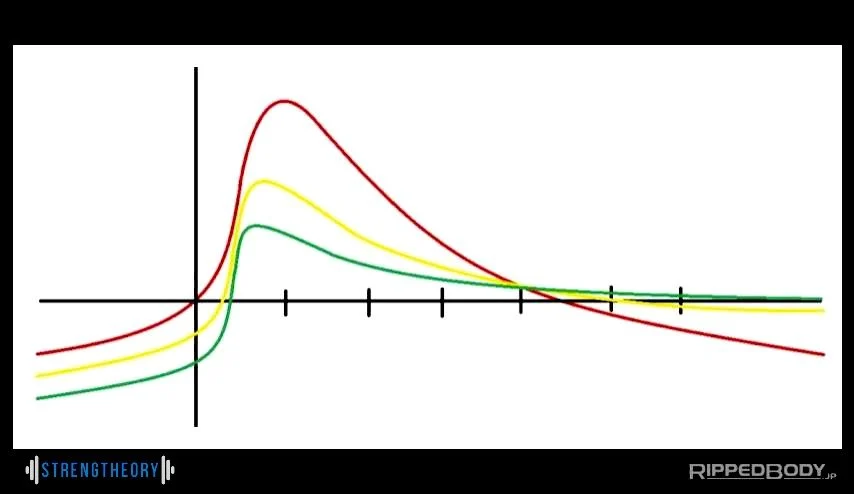
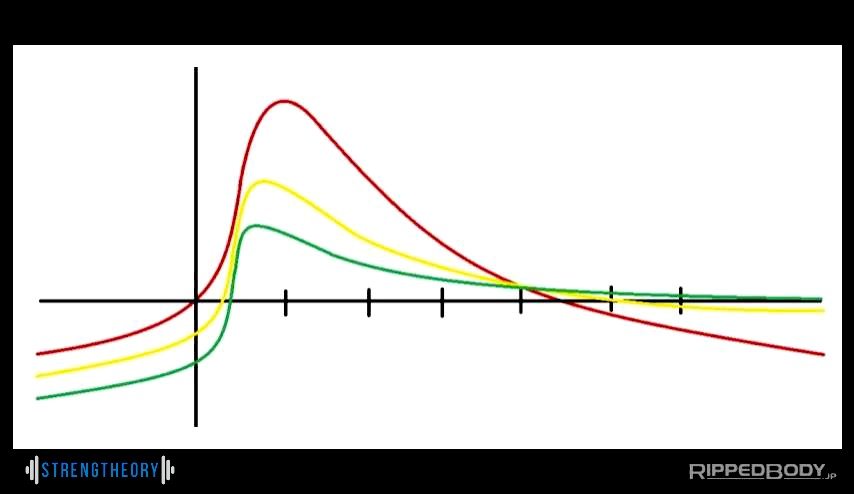
The "Fitness-Fatigue Model" serves as a foundational concept in this professional analysis. This model suggests that every training session creates two distinct effects: a fitness effect (long-term improvement) and a fatigue effect (short-term decline in performance). Because fatigue often masks an individual’s true fitness levels, coaches must implement strategic "deload" periods to allow fatigue to dissipate, revealing the underlying gains in strength and performance.
Differentiating Functional Overreaching from Overtraining Syndrome
One of the most persistent myths in the fitness industry is the prevalence of Overtraining Syndrome (OTS). While the term is frequently used by amateur trainees to describe general soreness or temporary fatigue, clinical OTS is a severe condition involving the nervous, endocrine, and immune systems.
Data from elite athletic performances suggest that the threshold for true overtraining is significantly higher than most trainees believe. A primary example cited by industry experts is James Lawrence, known as the "Iron Cowboy," who in 2015 completed 50 iron-distance triathlons in 50 states over 50 consecutive days. While Lawrence experienced extreme physical and mental exhaustion, he did not enter a state of clinical overtraining because of meticulous attention to nutritional intake, sleep, and psychological management.
For the general population, what is often mistaken for overtraining is actually "non-functional overreaching." This occurs when a trainee applies more stress than they can recover from in the short term, leading to a stagnation in progress. Professional coaches argue that instead of fearing overtraining, trainees should focus on "smart" training—maximizing the work performed within the constraints of their individual recovery capacity.
The Elite Athlete Fallacy and the General Population
A significant challenge in modern fitness is the democratization of information, which often leads amateur trainees to adopt protocols designed for elite, professional athletes. High-profile strength athletes, such as Chris Duffin, have demonstrated remarkable feats of endurance, such as squatting 800 pounds daily for extended periods. However, coaches warn that these protocols are not transferable to the average trainee.
The primary differentiator is the "environmental stressor" load. An elite athlete’s primary occupation is training and recovery, often dedicating four to six hours daily to physical preparation. Conversely, the average trainee typically contends with a sedentary 40-hour work week, professional deadlines, and family obligations—all of which contribute to the body’s total "stress bucket."
When an office worker with limited mobility and high psychological stress attempts to replicate a high-volume professional program, the result is rarely adaptation. Instead, it frequently leads to orthopedic injury or burnout. The industry consensus is that while high-intensity work is necessary for progress, the volume must be scaled to the individual’s lifestyle and training age.

Neurological Demands and the Diminishing Returns of the Deadlift
In the hierarchy of resistance training, the deadlift is recognized as the most neurologically and physiologically taxing movement. As a trainee’s strength increases, the recovery demands of the deadlift grow exponentially. Analysis of training data suggests that once an individual can deadlift twice their body weight, the "cost" of a maximum-effort session begins to outweigh the "benefit" if performed too frequently.
To manage this, professional coaches have developed specific strategies to maintain strength without "annihilating" the central nervous system (CNS). These include:
- Intensity Regulation: Limiting "max effort" work (85% or higher of a one-rep maximum) to once every two to three weeks.
- Cluster Sets: Utilizing sub-maximal weights with short rest intervals to build technical proficiency and explosive power without the systemic fatigue of a true maximal lift.
- Speed and Technique Blocks: Focusing on bar speed and movement quality at 60-70% of 1RM to maintain the neural pathways required for heavy lifting.
This nuanced approach allows for continued progress in the deadlift while preserving the athlete’s energy for other components of their training program.
Strategic Recovery: Mechanical Loading and Active Rest
Modern conditioning programs are increasingly incorporating "low mechanical loading" sessions to facilitate recovery. The goal is to stimulate blood flow and metabolic activity without adding to the "axial loading" (spinal compression) that occurs during heavy squats and deadlifts.
Bodyweight movements performed for time or tempo—such as Bulgarian split squats with a slow eccentric phase—are utilized to create metabolic stress and muscular endurance without the joint wear and tear associated with heavy external loads. Furthermore, the role of "non-exercise activity" is being re-evaluated. Simple, casual walking is now promoted by top-tier coaches as a primary recovery tool. Unlike high-intensity interval training (HIIT) or heavy sled drags, walking lowers cortisol levels and aids in the clearance of metabolic byproducts without adding to the trainee’s total stress load.
The Implementation of the Four-Week Deload Cycle
To prevent the transition from "functional overreaching" to "non-functional overreaching," the four-week training block has become an industry standard. In this model, intensity and volume are ramped up over the first three weeks, followed by a "deload" in the fourth week.

The deload week is not a period of inactivity, but rather a strategic reduction in training volume. Data indicates that most training plateaus are the result of accumulated volume rather than excessive intensity. Therefore, a common deload strategy involves maintaining the weight on the bar (intensity) but significantly reducing the number of sets and repetitions (volume). This allows the musculoskeletal system to recover while keeping the nervous system primed for heavy loads.
Broader Implications for the Fitness Industry
The shift toward "stress management" over "hard work for the sake of hard work" represents a maturation of the strength and conditioning field. By treating the human body as a complex, integrated system rather than a collection of isolated muscles, coaches are able to produce more sustainable results.
This approach has significant implications for long-term athletic development and injury prevention. As the industry continues to move away from "one-size-fits-all" programs and toward individualized, stress-responsive protocols, the likelihood of trainees achieving their performance goals without suffering from chronic fatigue or preventable injury increases. The ultimate goal of modern strength and conditioning is to push the boundaries of human performance while ensuring that the "annihilation" of today does not compromise the progress of tomorrow.

