

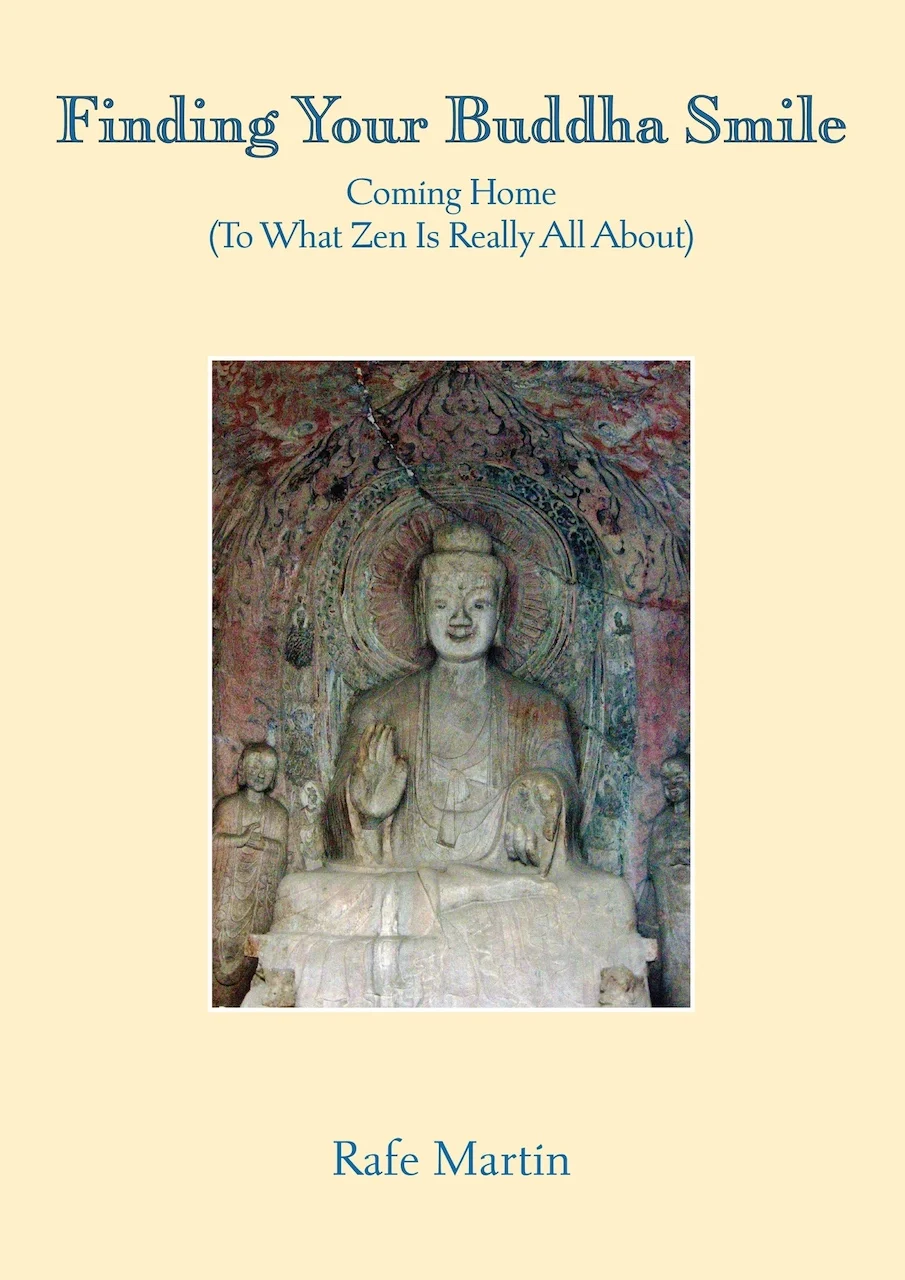
Wisdom, that indispensable guide for navigating life’s complexities and fostering well-being, is not a hidden treasure meant only for an elite few. Instead, it resides in the common and the ordinary, accessible to all. This fundamental principle underpins the teachings of Zen Buddhism, where ancient Chinese masters like those of the Chan tradition (pinyin: Chán) employed readily available tools—folk songs, stories, and everyday language—to illuminate the path to enlightenment, a shared human inheritance. Yet, the paradox remains: if this wisdom is so ubiquitous, why does awakening to it demand such dedicated effort and repeated contemplation? This question lies at the heart of a pivotal Zen koan, "Chao-chou’s Oak Tree in the Front Garden," a profound teaching embedded within the Gateless Barrier (Wumenguan), case 37.
The Question of Bodhidharma’s Journey
The koan originates from a dialogue between the venerable Zen master Chao-chou (778–897 CE) and a monk inquiring about the ultimate teaching of the buddhadharma. The monk poses a question that has echoed through centuries of Buddhist inquiry: "What is the meaning of Bodhidharma’s coming from the West?" Chao-chou’s seemingly simple reply—"The oak tree in the front garden"—serves as a gateway to a deeper understanding, a personal encounter with profound wisdom.
This question, "Why did Bodhidharma come from the West?" is a sophisticated Zen cipher. It probes the very essence of Zen, the core message that drove Bodhidharma, an Indian prince, to undertake a perilous sea voyage from Southern India to China. It asks what vital truth, what fundamental realization, was so significant that it warranted risking one’s life. The monk’s query, whether a genuine plea for understanding or a subtle challenge to Chao-chou’s renowned wisdom, elicits a response that transcends conventional discourse.
A Personal Encounter with the Point of Zen
The author recounts a personal anecdote that mirrors this ancient inquiry. During a conversation with his Zen teacher, Aitken Roshi, he posed a similar question: "Roshi, this Zen thing; what’s the point? Why do we do it?" Aitken Roshi’s initial response was "Happiness." However, he quickly refined this, acknowledging that many find happiness in ordinary life. He then elaborated, "But, if impermanence has bitten too deeply, and a yearning for something more, a way to be at peace in the face of impermanence has taken root, then Zen can show you the Way to happiness." This thoughtful response highlights the nuanced understanding that Zen offers—not merely a superficial contentment, but a profound peace and resilience in the face of life’s inherent uncertainties.
This resonates with the historical context of Prince Siddhartha Gautama, the future Buddha, who, confronted with the stark realities of impermanence, disease, and death, left his privileged life in search of an answer. His journey was a quest for genuine happiness, a stable peace amidst the flux of existence. Zen, as articulated by Aitken Roshi, offers a path to this enduring happiness, a way to find a smile even amidst suffering and turmoil.
The Historical Significance of Bodhidharma’s Arrival
Bodhidharma’s journey to China, traditionally dated around 500 CE, was a pivotal moment in the transmission of Buddhism. By this time, Buddhism had already been present in China for several centuries, with established practices like meditation, sutra study, and devotional rituals. However, Bodhidharma’s arrival marked the introduction of a more direct, practice-oriented approach that would eventually coalesce into Chan Buddhism, later known as Zen in Japan.
The impact of Bodhidharma’s teachings was profound and, at times, disruptive. Legend has it that some contemporary Buddhist leaders felt threatened by his novel approach, even attempting to poison him. His successor, Huike (Hui-k’o), Bodhidharma’s first patriarch in China, faced similar persecution, with some accounts stating he was murdered for his teachings. This intense reaction underscores the radical nature of Bodhidharma’s core message, which emphasized direct realization of the Buddha-mind, independent of scriptural dogma.
The Essence of the Teaching: Beyond Concepts
Bodhidharma’s essential teaching is often summarized as: "Without dependence on special texts, words, or letters, pointing directly to Mind itself, becoming Buddha, just as you are." This emphasis on direct experience over intellectual understanding is central to the koan’s power. The question of Bodhidharma’s coming from the West is not merely an academic query; it is an invitation to confront the fundamental nature of reality and one’s own being.
Emperor Wu of Liang’s encounter with Bodhidharma, as recorded in the Blue Cliff Record, exemplifies this point. When asked about the merit of building temples and supporting monks, Bodhidharma declared, "Vast emptiness. Nothing to be called holy." When pressed about his identity, he famously responded, "I don’t know." This exchange highlights Bodhidharma’s refusal to engage in conceptual discussions, pointing instead to a reality that lies beyond conceptualization. He left the Emperor and retreated to a cave for nine years of wall-gazing meditation, a testament to the depth and rigor of his practice.
The Oak Tree as a Mirror
Chao-chou’s response, "The oak tree in the front garden," acts as a mirror, reflecting back the questioner’s own preconceptions and attachments. It is not a philosophical answer, nor is it intended to be logically dissected. Instead, it points to the immediate, undeniable presence of reality. The oak tree, in its ordinariness, embodies the "suchness" of existence—a reality that is both utterly commonplace and profoundly mysterious.
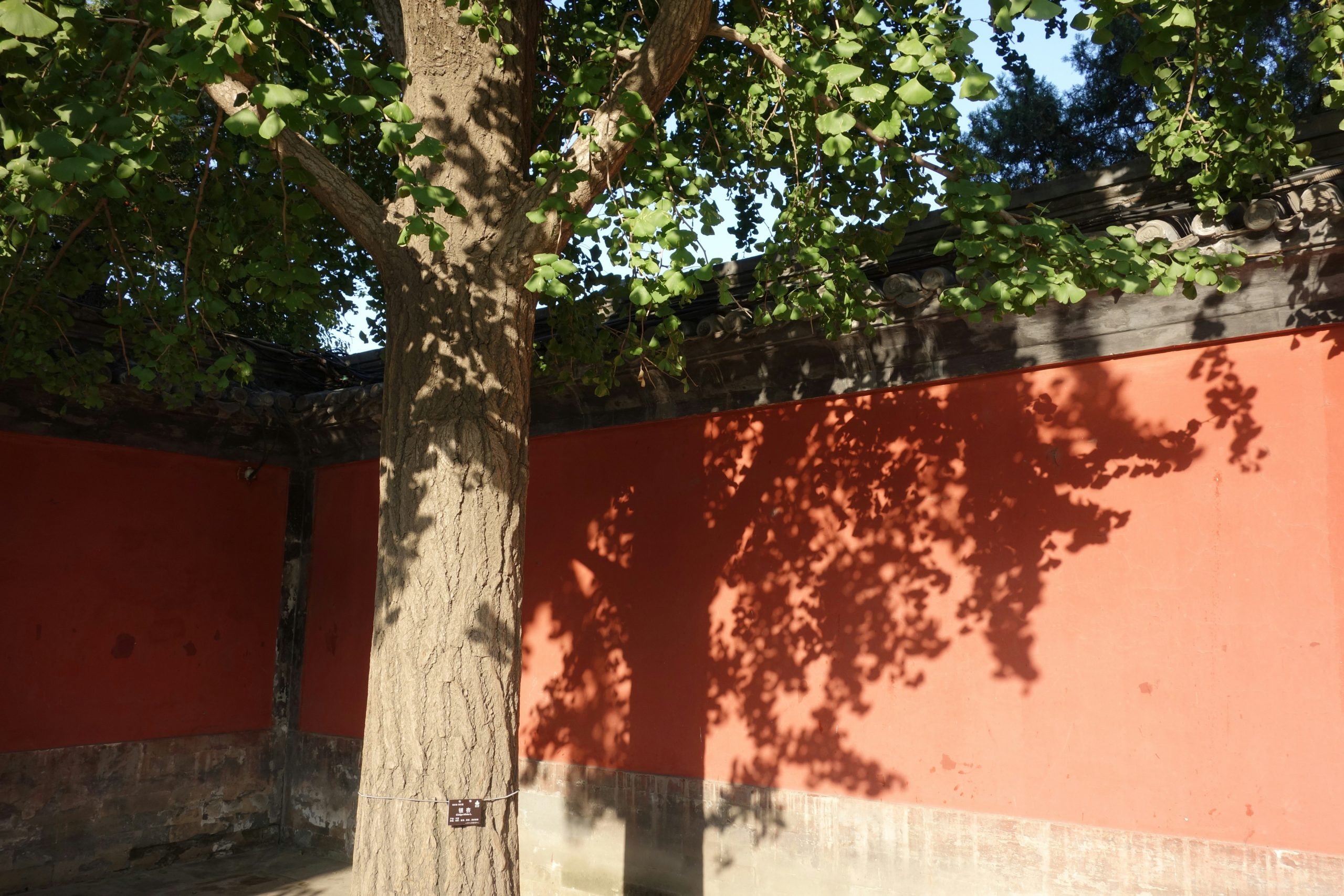
Wu-men’s commentary on this case in the Gateless Barrier states, "If you can see intimately into the essence of Chao-chou’s response, there is no Shakyamuni in the past and no Maitreya in the future." This suggests that an intimate understanding of the oak tree’s simple presence transcends historical figures and future aspirations. It points to a timeless, ever-present reality that is our true nature.
Wu-men’s accompanying verse further emphasizes this:
"Words do not convey the fact;
Phrases do not embody the spirit of the mind.
Attached to words, your life is lost;
Blocked by phrases, you are bewildered."
This verse cautions against getting lost in conceptual frameworks. The word "oak tree" is not the tree itself; it is a label. True understanding comes from direct experience, from seeing the tree as it is, not as a concept or an idea. This direct perception is the essence of awakening.
The Paradox of Simplicity and Effort
The enduring question remains: if this wisdom is so common, why the arduous path of practice? The answer lies in our ingrained habits of mind. We are so accustomed to seeking meaning in intellectual understanding and abstract concepts that we often overlook the profound reality that is immediately present. The koan, with its seemingly nonsensical answer, serves to dismantle these conceptual barriers, forcing us to confront our bewilderment and, in that bewilderment, find an opening for direct experience.
The legend of Huike cutting off his arm to prove his resolve to Bodhidharma, while possibly apocryphal, underscores the immense value placed on this direct realization. It suggests that what Bodhidharma brought was not merely a new philosophy, but a transformative way of being that demanded the utmost commitment.
Beyond Words and Concepts
The koan of the oak tree challenges our tendency to seek definitive answers and intellectual satisfaction. When the monk presses Chao-chou, "Master, please don’t teach using an object," Chao-chou’s reply, "I’m not teaching using an object," reveals the master’s intent. The oak tree is not an object to be explained away, but a point of entry into direct awareness.
The author’s pilgrimage to Chao-chou’s monastery and seeing the actual oak tree (or its successor) brings the koan into tangible reality. Yet, the question of how to make Chao-chou’s answer our own, how to live "intimately," remains. Intimacy here refers to a deep, unmediated connection with reality, a state of being fully present with the "ten thousand things" (a Buddhist term for all phenomena) as they are.
Embracing the Present Moment
The ultimate implication of the oak tree koan is the realization that the highest teaching of the buddhadharma is not something to be found in the past or future, nor in abstract doctrines, but in the present, ordinary moment. It is the direct, unadorned experience of being alive, of seeing the oak tree as it is, without the filter of conceptual thought.
As Zen Master Dogen stated, "When the self moves forward to become one with the ten thousand things, it is called delusion. When the ten thousand things step forward to realize themselves as the Self, it is termed realization, awakening, or intimacy." This profound insight suggests that true awakening occurs not when we try to grasp or control reality, but when we allow reality to reveal itself to us, and in doing so, we realize our true nature.
The oak tree in the front garden, therefore, is not just a tree; it is a symbol of the entirety of existence, a gateway to the realization that enlightenment is not an external attainment but an intrinsic quality of our being, always present, always accessible, waiting to be recognized in the simple, unwavering reality of the now. It is the silent invitation to find our own Buddha smile, rooted in the very ground of our ordinary lives.

