

Last summer marked a profound turning point. A rigorous course of long-term treatment for an incurable brain cancer, coupled with management of epilepsy, left me physically disabled. This sudden shift thrust me into an unexpected existential crisis, compelling me to question my identity in the absence of the work I cherished. The inability to drive, coupled with pervasive exhaustion, meant I could no longer offer the practical, everyday support to my family that had been a cornerstone of my life. My body was undergoing a strenuous recovery from months of chemotherapy and radiation, a physical battle that paralleled an internal struggle to comprehend who I was in this drastically altered landscape. I felt suspended between the person I had been and the emerging self I was beginning to discover.
A Season of Observation and Adaptation
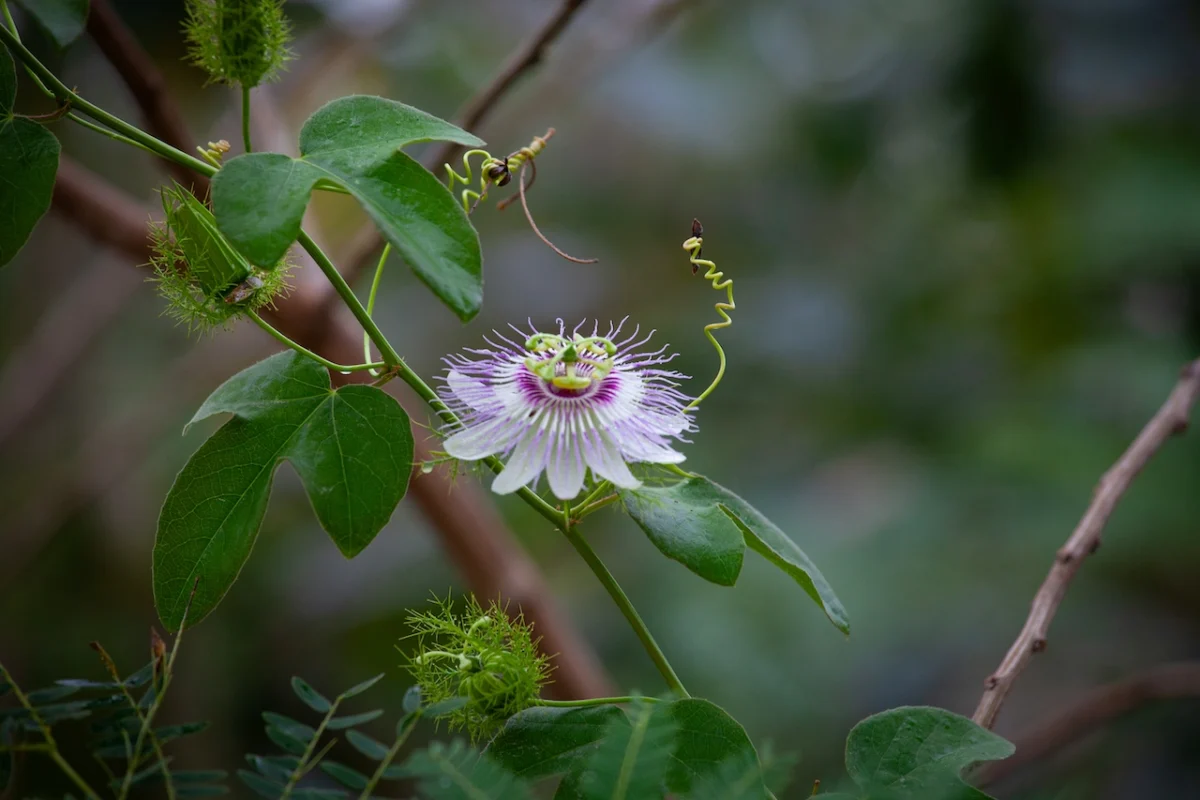
Despite the profound challenges, I found myself profoundly grateful for the unexpected gift of time. This newfound stillness allowed for rest and a deepening of my daily practice of mindful observation, particularly from the sanctuary of my sunroom, where I could watch the garden unfold. Last summer became a period of intense observation, focused on a passionflower vine and the vibrant ecosystem it sustained. This year, as the weather permitted, I could transition from passive observer to active participant, tending to the very plants I had previously only watched.
The Passionflower: A Microcosm of Resilience
Late last summer, my yard became a focal point for dozens of caterpillars, drawn inexorably to their host plant, the native passionflower vine. This vine, often characterized as wild and sprawling, encroached upon the meticulously manicured sections of my yard. Yet, its untamed nature was a magnet for an astonishing array of life: bees, birds, and countless other insects found refuge and sustenance within its embrace. My initial awe was sparked the first day I witnessed spiny, red-and-black Gulf fritillary caterpillars clinging to its tendrils and leaves. Their appearance was somewhat formidable, leading to my amazement as, over the ensuing weeks, they underwent a miraculous transformation into brilliant orange butterflies that flitted gracefully through our yard.
Nature’s Defense and Dispersal Mechanisms
The passionflower vine, as its name implies, is far from a passive entity. Its leaves contain cyanide-based compounds, a potent defense mechanism toxic to most herbivores. However, the Gulf fritillary caterpillars possess a remarkable adaptation: they feed on these leaves, storing the potent toxins within their bodies. This acquired immunity renders them unpalatable to predators, ensuring their survival. The vine, in turn, tolerates these specialized caterpillars, allowing them to complete their life cycle while effectively deterring other plant-eating creatures. As the season progressed, the vine produced its signature fruit – the maypop. These green capsules, upon ripening, burst open, scattering seeds that would propagate new vines. This natural dispersal is further aided by birds, squirrels, and other wildlife, carrying the fruit and spreading the seeds of this beautiful flowering vine across my yard and into the surrounding environment.
Parallels in Transformation and Survival
The passionflower’s fruit, with its cycles of survival and dispersal, mirrored the profound metamorphosis experienced by the caterpillars. In a similar vein, I felt myself to be akin to these caterpillars, recovering from the harsh realities of chemotherapy and navigating the complex process of growth into a new phase of life. My body bore the residual effects of surgery and treatment, including persistent fatigue, cognitive fog, joint pain, gastrointestinal distress, and memory challenges. Yet, I continued to engage in activities such as walking, practicing yoga, hiking, and exploring new creative avenues. The initiation of pottery lessons became a significant outlet, characterized by a willingness to embrace failure, experiment, and prioritize intuition over rigid instruction. The process was slow, often awkward, and imperfect, but it was profoundly grounding and present.
A Shift in Being: From Doing to Being
I was learning to grant myself greater latitude for quiet contemplation and observation. My days were often characterized by simple presence: "I sit. I just am." Even the enjoyment of my morning coffee became a nuanced experience, as it sometimes aggravated heartburn. Nevertheless, I would still partake in a small cup, savoring its warmth. Opening the sunroom doors allowed me to immerse myself in the symphony of birdsong. Afternoons were frequently marked by weariness, necessitating more time spent reading and resting than actively engaging in tasks.
This existence felt almost inverted from my previous life. The emphasis had shifted decisively from "doing" to "being." The caterpillars, by carrying the passionflower’s poison, remained intensely alive. The very compounds that would be detrimental to other creatures became integral to their survival. Similarly, chemotherapy, a paradoxical medicine, could extend my life while simultaneously leaving indelible marks on my body. I carried its effects, but also the emergent adaptations forged through the crucible of treatment.
Embracing Impermanence and Interconnectedness
In his seminal work, No Death, No Fear, Thich Nhat Hanh offers a profound insight: "When conditions are sufficient things manifest. When conditions are no longer sufficient things withdraw. They wait until the moment is right for them to manifest again." Observing the passionflower, I saw the caterpillars feeding, their subsequent transformation into butterflies, and the intricate web of life that surrounded them. This observation underscored the understanding that transformation does not always manifest immediately; some changes begin to unfold beneath the surface of our awareness, long before we can fully comprehend their significance.
It would be easy to frame my current existence as an ending – an end to productivity, a defined identity, and optimal wellness. Last summer, these fears felt acutely present. However, the Buddhist teaching of interbeing, as articulated by Thich Nhat Hanh, offered a vital perspective: what appear to be endings are often integral components of larger cycles of change. All phenomena are impermanent, interdependent, and in a constant state of flux. A caterpillar is not a discrete entity separate from the butterfly it becomes; nor is the butterfly entirely divorced from its larval past. Both are intrinsically linked to the passionflower vine that sustains them, providing both nourishment and a degree of protection.
A Year of Shifting Conditions
A year later, the passionflower vine has begun its resurgence in my yard. Upon closer inspection of its leaves, I notice the familiar telltale signs of holes, evidence that the caterpillars have recommenced their feeding. While I have not yet seen them return, the impact of their presence is already discernible. My own life has also entered another period of uncertainty. While my epilepsy is currently well-controlled, allowing me to drive once more and resume assisting my family in ways I could not previously, my body continues to bear the lasting imprint of intensive treatment.
However, recent scans have revealed that the tumor is once again growing. The path forward remains unwritten. I may require further treatment, face new limitations, or continue in my current state for an indeterminate period. Each four-month interval brings the anxious anticipation of another scan, the results of which will dictate the next course of action – whether the tumor remains slow-growing or if conditions necessitate a new therapeutic approach.
The Garden as a Metaphor for Uncertainty and Hope
The garden, however, serves as a constant reminder that change is an ongoing, inherent process. Some transformations are evident and swift, while others occur subtly, beneath the surface, before we acknowledge their existence. Each scan feels like a threshold, a potent reminder of impermanence and the delicate balance of conditions that sustain life in this precise moment.
During the anxious wait for my scans, I engage in the practice of tonglen, a Tibetan Buddhist meditation of "giving and receiving." Closing my eyes, I consciously breathe in not only my own fear but also the fear and suffering of those around me. I extend this practice to the woman sitting beside me with her daughter, the man staring blankly at the television, and the technicians moving efficiently between waiting rooms and diagnostic machines. Inhaling, I draw in our collective suffering; exhaling, I envision sending back steadiness, love, and ease. In these moments, the boundaries that typically define individual experience dissolve. Just as the caterpillar is inextricably linked to the vine that nourishes it, I recognize my interconnectedness with those sharing this space of vulnerability. Our fears are shared, and so too is the capacity for compassion that can encompass them.
Navigating the Unseen Future
The garden imparts a crucial lesson: knowing one facet of a narrative does not equate to understanding the entirety of the story. I can observe the perforations in the passionflower leaves, undeniable evidence of the caterpillars’ recent activity, yet I cannot foresee what will emerge next. My mind, in an attempt to protect me, often urges me to leap ahead, to write the ending, and to prepare for losses that have yet to materialize. I grapple with the fear of pain, the apprehension of losing the healing that has painstakingly taken root, and the dread of losing loved ones. Yet, the garden consistently reminds me that a partial view of a story does not grant complete comprehension. I can see the damage to the leaves, but I cannot predict the butterfly’s eventual form. I sense that change is in motion, but its ultimate manifestation remains unknown.
Life, in its intricate and miraculous tapestry, continues to unfold. Every scan, every quiet morning spent in the garden, every moment of conscious observation, presents an opportunity to practice. Like the passionflower vine, like the caterpillar concealed amongst its leaves, I am a participant in a process that transcends my complete understanding. I do not know how I will emerge from this period, nor what future conditions will arise. For now, my focus is on tending to what is present, embracing this moment as it is, and remaining open to whatever the future may hold.

