

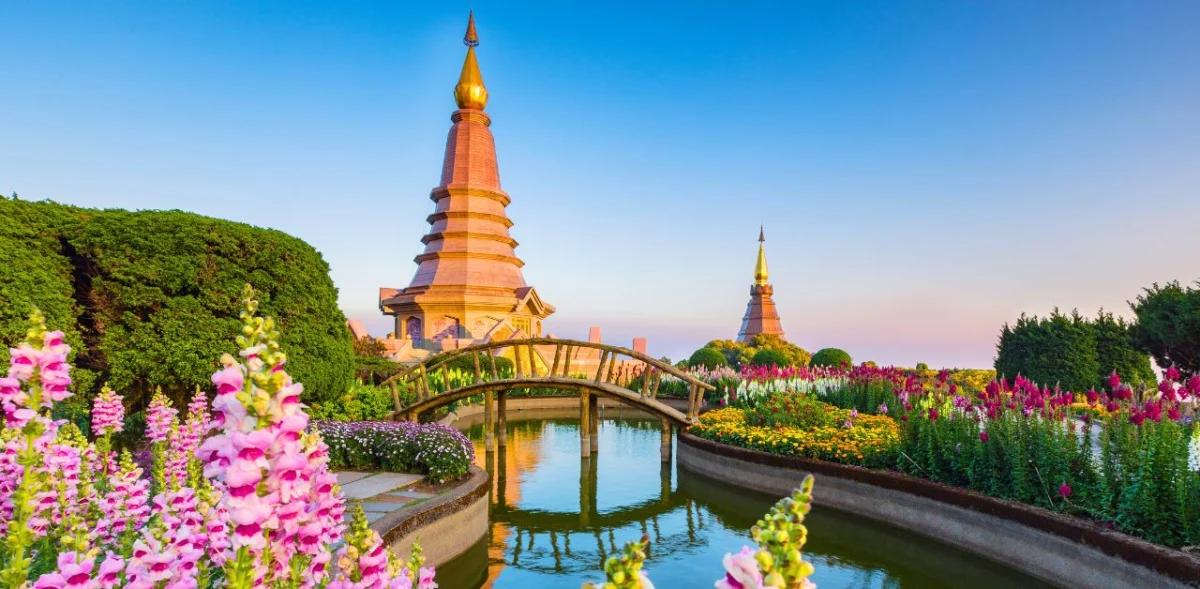
Thailand remains one of the most significant hubs for international tourism in Southeast Asia, attracting millions of visitors annually with a diverse portfolio of attractions ranging from the dense jungles of the north to the crystalline waters of the southern archipelagos. As the Tourism Authority of Thailand (TAT) continues to implement its "Visit Thailand Year" initiatives, the focus has shifted from high-volume backpacker traffic toward high-value, quality tourism. This evolution emphasizes comfort, cultural immersion, and sustainable practices. Navigating the complexities of the Kingdom’s geography, climate, and social etiquette requires a strategic approach to ensure that the travel experience is both luxurious and respectful of local heritage. By prioritizing slow travel and professional logistics, visitors can transition from mere observers to engaged participants in one of the world’s most vibrant cultures.

Strategic Planning and Seasonal Climate Dynamics
The foundational element of a comfortable Thai expedition is the synchronization of the itinerary with the country’s distinct seasonal cycles. Thailand’s climate is governed by two major monsoon systems: the Southwest Monsoon, which typically brings rain from May to October, and the Northeast Monsoon, which ushers in cooler, drier air from November to February. For the majority of travelers, the "Cool Season" (November to February) represents the optimal window for exploration, characterized by manageable humidity levels and temperatures averaging between 25°C and 30°C (77°F to 86°F).
However, a nuanced understanding of regional variations is essential. While the Andaman Coast (home to Phuket and Krabi) enjoys its best weather during the winter months, the Gulf of Thailand (including Koh Samui and Koh Phangan) often experiences its heaviest rainfall in November and December. Data from the Thai Meteorological Department indicates that over-scheduling during the transition months of April and May—the hottest period of the year—can lead to significant physical strain, as temperatures frequently exceed 40°C (104°F) in central and northern regions. Journalistic analysis suggests that the "slow travel" movement is gaining traction in Thailand as a direct response to these climatic pressures; by spending more time in fewer locations, travelers reduce the logistical stress of moving during peak heat or rain.

The Evolution of Travel Logistics and Professional Oversight
In the contemporary travel landscape, the complexity of managing domestic flights, private transfers, and specialized tours has led to a resurgence in the utilization of travel experts and luxury concierges. Planning a comprehensive itinerary that balances urban exploration in Bangkok with ecological excursions in national parks often involves navigating fragmented booking systems and language barriers. Professional agencies, such as those specializing in high-end Southeast Asian tours, provide a layer of "logistical insurance" by vetting operators for safety and sustainability.
This trend is supported by recent tourism data showing a 15% increase in demand for personalized, private-guided tours. These experts offer access to "insider" experiences—such as private viewings of historical sites or curated culinary tours—that are not readily available to the general public. Furthermore, the rise of "workations" and digital nomadism in hubs like Chiang Mai has necessitated more robust planning services that account for high-speed connectivity and long-term comfort. By delegating the administrative burden to professionals, travelers can mitigate the risks of "itinerary fatigue," ensuring that each destination is experienced with the appropriate level of depth.

Modernization of Domestic Transportation Infrastructure
The physical act of moving between Thailand’s provinces is a critical component of the travel experience. The Kingdom has invested heavily in its transportation infrastructure over the last decade. For long-distance travel, domestic aviation remains the most efficient option. Carriers such as Thai Airways and Bangkok Airways offer premium services that connect major hubs like Suvarnabhumi Airport (BKK) with regional centers. However, for those seeking a more atmospheric and comfortable journey, the State Railway of Thailand (SRT) has introduced modern "Special Express" sleeper trains on its northern and southern lines. These newer carriages, often manufactured in China (CNR models), feature improved air conditioning, power outlets, and refined dining services, making the journey from Bangkok to Chiang Mai a scenic highlight rather than a mere necessity.
Within urban environments, the digitalization of transport has significantly enhanced tourist comfort. Applications such as Grab and Bolt have largely standardized pricing, removing the need for the aggressive negotiation that once characterized the "tuk-tuk" or taxi experience. For families and luxury travelers, private transfers remain the gold standard. Official reports from transport safety boards highlight that while public buses are economical, private chauffeurs provide a controlled environment, crucial for navigating Thailand’s often-congested road networks safely and in climate-controlled comfort.

Accommodation Standards and the Sustainable Hospitality Shift
The choice of accommodation in Thailand is no longer just about luxury; it is increasingly about location and ecological impact. The Thai hotel industry is currently undergoing a "green" transformation, with many five-star resorts pursuing Global Sustainable Tourism Council (GSTC) certification. For a comfortable stay, proximity to mass transit (such as the BTS Skytrain or MRT in Bangkok) or central historical districts is paramount to avoid the city’s notorious traffic.
Experts recommend cross-referencing reviews from professional travel journalists and specialized blogs rather than relying solely on automated rating systems. This ensures that the property meets modern standards of service and maintenance. A growing segment of the market is also gravitating toward "boutique heritage" hotels—restored colonial or traditional Thai buildings that offer modern amenities while preserving a sense of place. The integration of high-end wellness facilities, including traditional Thai massage and holistic spas, has become a standard expectation for the "comfort-focused" traveler, reflecting the country’s status as a global leader in medical and wellness tourism.

Socio-Cultural Literacy and Respectful Engagement
Exploring Thailand with "assurance" requires an understanding of the deep-seated cultural norms that govern social interaction. The concept of "Face" (preserving dignity) and "Kreng Jai" (consideration for others) are central to Thai life. A failure to adhere to these norms can lead to social friction, which detracts from the comfort of the trip.
Journalistic observation of the Thai social landscape highlights several non-negotiable rules of etiquette:

- Monarchy and Religion: Deep respect for the Royal Family and Buddhist institutions is legally and socially mandated. Lese-majeste laws are strictly enforced, and any perceived disrespect toward the monarchy can result in severe legal consequences.
- Sacred Spaces: When visiting temples (Wats), shoulders and knees must be covered, and shoes must be removed before entering any building housing a Buddha image.
- Linguistic Efforts: While English is widely spoken in tourist areas, the use of basic Thai phrases—such as "Sawatdee-krab/ka" (Hello) and "Khob-khun-krab/ka" (Thank you)—is viewed as a sign of respect and often leads to more favorable service and warmer interactions.
Ecological Landmarks: Khao Yai and Ang Thong
A comfortable exploration of Thailand must include its natural heritage, managed through its extensive National Park system. Khao Yai National Park, established as Thailand’s first national park in 1962, serves as a primary example of successful conservation. As a UNESCO World Heritage site, it covers over 2,000 square kilometers and provides a sanctuary for roughly 300 to 400 wild elephants. For the comfort-seeking traveler, the park offers guided night safaris and well-maintained hiking trails that allow for wildlife observation without the ruggedness typically associated with deep-jungle trekking.
In the south, Ang Thong Marine National Park offers a different ecological experience. Comprising 42 islands, this archipelago was the inspiration for the novel The Beach. While many visitors arrive via crowded speedboats, the "comfortable" approach involves chartering private catamarans or joining limited-capacity luxury cruises. This allows travelers to visit hidden lagoons and karst formations like Koh Mae Ko at a leisurely pace, avoiding the mid-day rush of mass-market tour groups.

Conservation Ethics: The Case of the Gibbon Rehabilitation Project
A significant aspect of modern Thai travel is the ethical consideration of wildlife tourism. The Gibbon Rehabilitation Project (GRP) in Phuket illustrates the ongoing battle against the illegal pet trade and the exploitation of animals for tourist photography. Historically, infant gibbons were taken from the wild, often resulting in the death of their mothers, to be used as props in nightlife districts.
The GRP’s mission is to rescue these animals, provide medical care, and reintroduce them into the Khao Phra Thaeo non-hunting area. For tourists, visiting such projects offers an educational alternative to "animal shows." The project emphasizes a "no-touch" policy, which is a hallmark of ethical wildlife management. Supporting these initiatives aligns with the broader global shift toward responsible travel, ensuring that the presence of tourists contributes to the preservation rather than the destruction of Thailand’s biodiversity.

Analysis of Implications and Future Outlook
The trajectory of Thai tourism indicates a clear move toward a more sophisticated, infrastructure-heavy model that prioritizes the "premium" traveler. While this shift enhances the comfort and safety of visitors, it also presents challenges regarding environmental carrying capacity. The temporary closure of sites like Maya Bay for ecological recovery demonstrates the government’s willingness to prioritize long-term sustainability over short-term revenue.
For the international traveler, the implications are clear: a successful trip to Thailand in the 2020s requires more foresight than in previous decades. By embracing the principles of slow travel, utilizing professional expertise, and adhering to local cultural and environmental standards, visitors can enjoy the "Land of Smiles" in a way that is both personally enriching and socially responsible. As Thailand continues to modernize its rail links and expand its sustainable hotel portfolio, the opportunities for high-comfort, high-impact exploration are set to reach unprecedented levels.

