

The California outdoor hospitality industry has experienced a significant transformation over the last decade, evolving from basic wilderness survival experiences into a sophisticated sector that balances natural immersion with modern amenities. As the most populous state in the U.S., California offers a diverse range of ecological zones, from the temperate rainforests of the north to the arid coastal plains of the south. For families navigating the complexities of modern travel, selecting a destination that prioritizes safety, cleanliness, and age-appropriate engagement has become a primary concern. Industry data from the Outdoor Industry Association (OIA) indicates that family participation in camping has seen a 25% increase since 2020, with a specific emphasis on sites that offer "structured adventure." In this context, private campground networks, most notably Kampgrounds of America (KOA), have established a standardized infrastructure designed to mitigate the logistical stresses of outdoor travel while providing educational and recreational value for children.
The Strategic Importance of Campground Selection
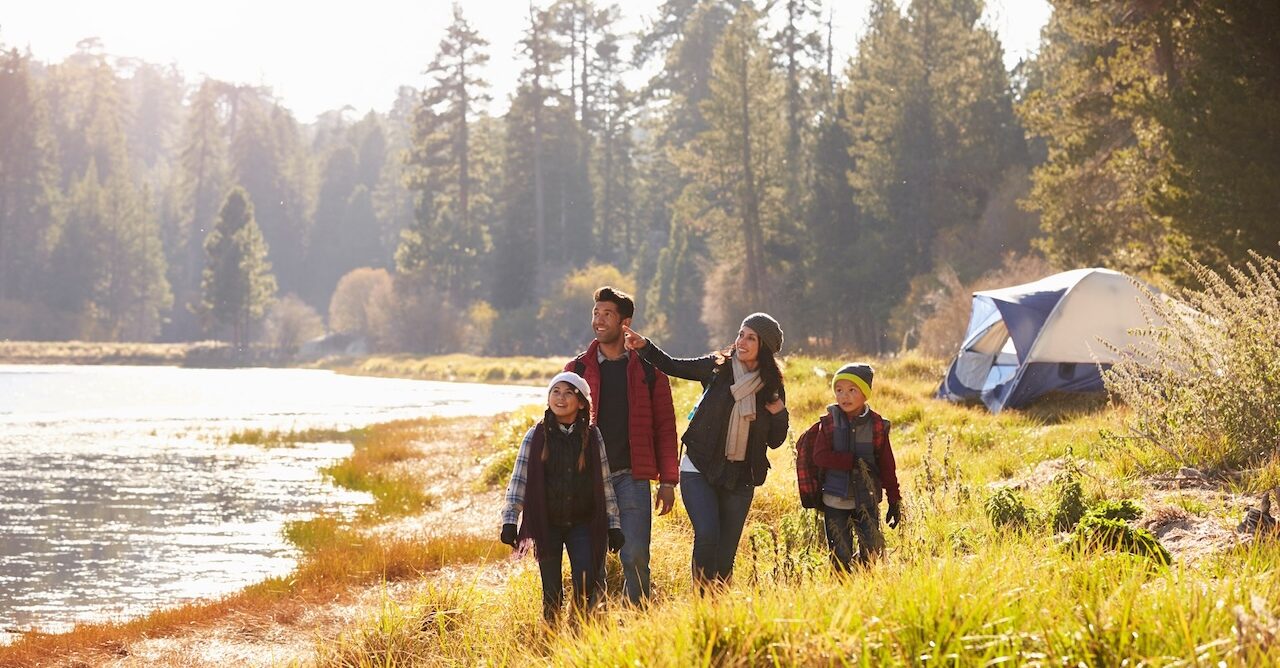
The selection of a camping site is no longer merely a matter of geographic convenience; it is a critical variable in the success of multi-generational travel. Professional travel analysts note that the modern "family camper" prioritizes three distinct pillars: facility hygiene, activity diversity, and the balance of adult leisure with child-focused stimulation. California’s unique geography allows for a wide array of camping styles, yet the challenge for parents remains finding locations that can accommodate the varying needs of toddlers, adolescents, and adults simultaneously.
Public land options, such as National Parks, often provide unparalleled scenery but may lack the specialized programming found in private resorts. Consequently, many families are turning to established franchises that offer a "resort-style" camping experience. KOA, which operates over 500 locations across North America, has become a benchmark for this model, providing trained staff and curated environments that ensure a predictable level of quality.
Detailed Profiles of California’s Premier Family Campgrounds
1. San Diego Metro KOA Resort (Chula Vista, CA)
Located in the South Bay region of San Diego County, the San Diego Metro KOA Resort represents the "urban-adjacent" camping model. This facility is strategically positioned to offer a secluded atmosphere while remaining within a 20-minute drive of downtown San Diego’s major cultural attractions, including the San Diego Zoo and Balboa Park.
A distinguishing feature of this location is the presence of a dedicated Activities Director, a role specifically designed to curate seasonal and weekend programming. This includes themed weekends, outdoor cinema screenings, and live musical performances. For children, the resort offers a blend of traditional outdoor play and modern recreation, such as rock-climbing walls, scavenger hunts, and even small-scale rocket launches.
Key Infrastructure and Amenities:
- Mobility: On-site bike rentals and paved pathways.
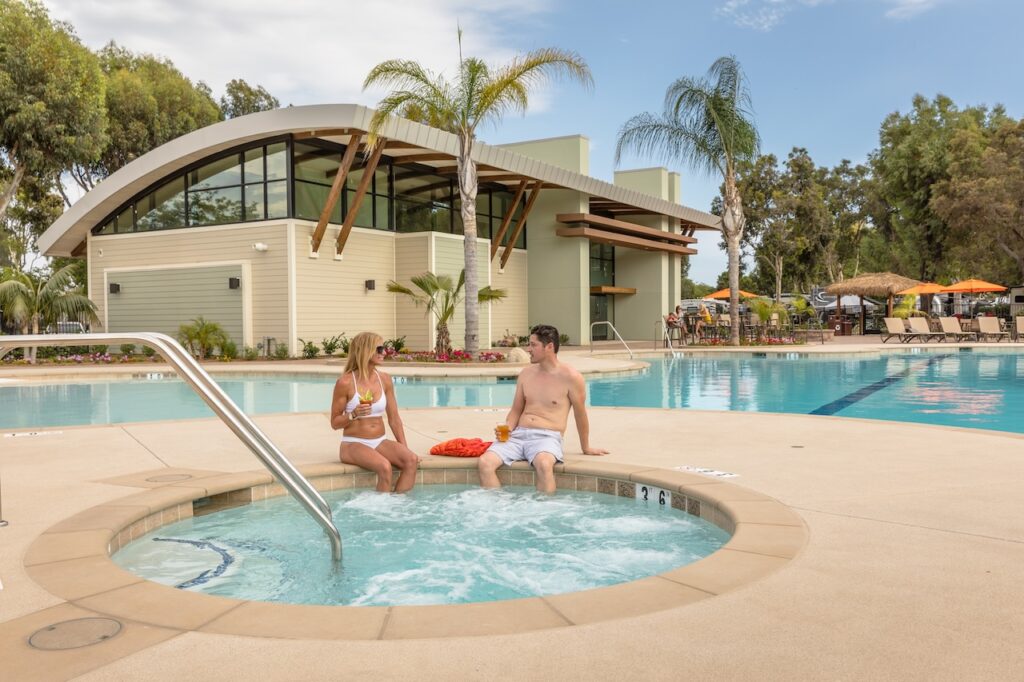
- Aquatics: Multiple swimming pools and hot tubs maintained to rigorous health standards.
- Culinary: The Sandcastle Cafe, which provides an alternative to traditional campfire cooking, reducing the logistical burden on parents.
- Social Spaces: Ping-pong areas and horseshoe pits designed for multi-generational interaction.
2. Moss Landing KOA Express (Moss Landing, CA)
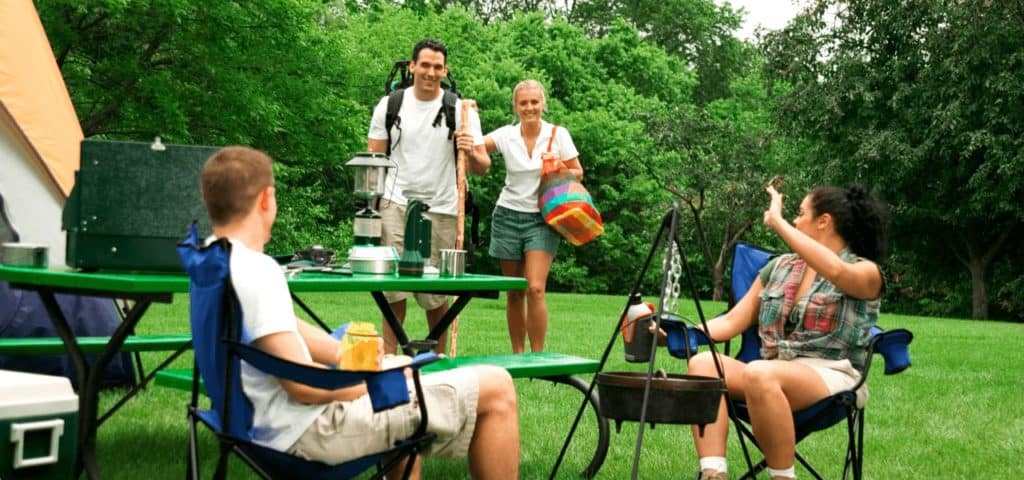
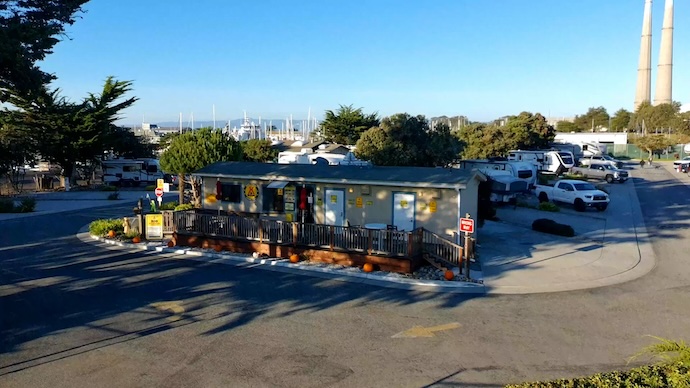
Situated on the Monterey Bay coastline, the Moss Landing KOA Express serves as a specialized hub for families focused on marine biology and coastal ecology. Unlike traditional tent-based campgrounds, this facility is an RV-only site, reflecting a growing trend in "recreational vehicle tourism" which offers families a self-contained, mobile living environment.
The location’s primary value proposition is its proximity to the Monterey Bay National Marine Sanctuary. Walking distance from the beach, the site allows for immediate access to nature trails and boat tours. This region is internationally recognized for its biodiversity, offering families the opportunity to observe sea otters, harbor seals, and migrating whales in their natural habitats.
Strategic Features:
- Connectivity: High-speed Wi-Fi and cable TV, catering to the "digital nomad" family or those requiring evening entertainment.
- Operational Efficiency: 24-hour laundry facilities and a no-smoking policy to ensure a family-friendly atmosphere.
- Recreation: A centralized playground and cornhole sets to foster community engagement among guests.
3. Benbow KOA Holiday (Garberville, CA)
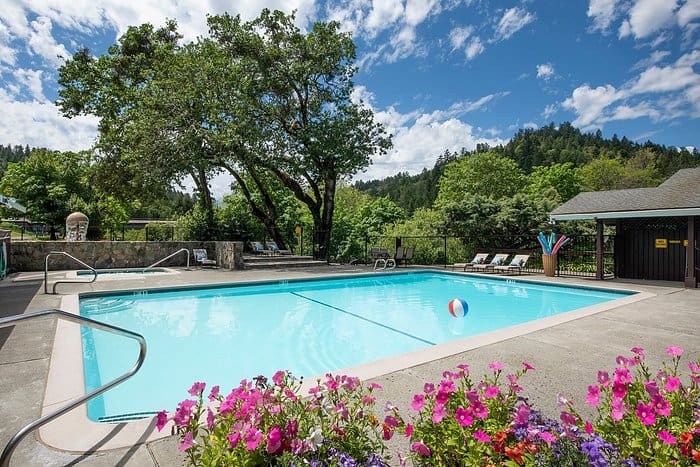
For families seeking a deep-nature experience without sacrificing basic comforts, the Benbow KOA Holiday in Humboldt County offers access to the "Lost Coast"—one of the most remote and undeveloped stretches of the California coastline. This region is defined by the King Range National Conservation Area and the iconic California Redwoods.
The Benbow facility is unique for its integration with the Eel River, which runs alongside the property. This provides a natural laboratory for children to engage in fishing and freshwater ecology. The presence of the "Benbow Barrel Train" and professional-grade shuffleboard courts adds a layer of structured nostalgia that complements the wilderness setting.
Environmental Context:
The surrounding area includes the "Avenue of the Giants," a world-famous scenic drive through 51,000 acres of redwood groves. This proximity allows parents to introduce children to environmental conservation concepts through direct exposure to some of the oldest living organisms on Earth.
4. Ventura Ranch KOA Holiday (Santa Paula, CA)
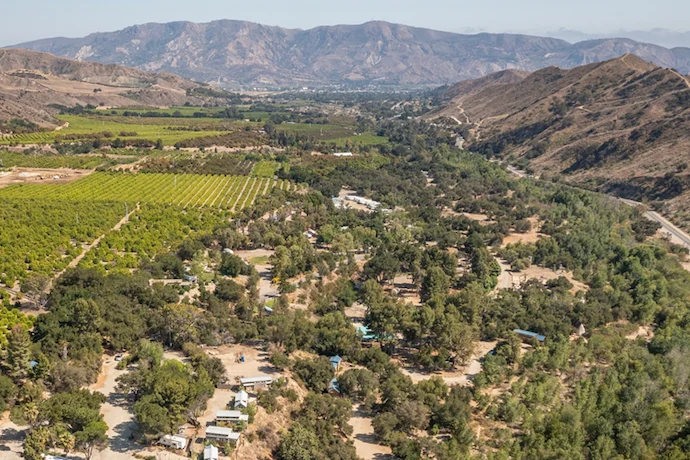
The Ventura Ranch KOA Holiday, located in the Santa Clara River Valley, serves as a prime example of the "glamping" (glamorous camping) phenomenon. This site caters to families who may be hesitant about traditional tent camping, offering safari-style tents and fully equipped cabins.
Known as the "Citrus Capital of the World," Santa Paula provides a Mediterranean climate that supports year-round outdoor activity. The campground is designed for high-energy recreation, featuring zip lines, rock-climbing towers, and "jumping pillows." Conversely, it also addresses the psychological needs of travelers through its "World Labyrinth," a space dedicated to mindfulness and quiet reflection.
Key Amenities:
- Educational Play: Gem mining activities and nature trails.
- Pet Infrastructure: A dedicated dog park, recognizing the role of pets in the modern family unit.
- Logistics: A general store and picnic pavilions to facilitate large family gatherings.
Chronology of the Modern Camping Season
The timeline for California camping has expanded significantly. Traditionally a summer activity, the industry now operates on a year-round cycle due to California’s varied climate.
- Winter (December–February): Southern California sites like San Diego Metro see a surge in "Snowbird" families and weekend travelers seeking relief from colder northern climates.
- Spring (March–May): This is the peak season for the Ventura and Monterey regions, as wildflower blooms and whale migration patterns draw ecological tourists.
- Summer (June–August): The high season for all locations, necessitating bookings up to six months in advance. This period sees the highest density of structured activities and youth programming.
- Fall (September–November): A preferred time for families with non-school-age children, offering milder temperatures and lower crowd densities in the Redwood regions.
Data Analysis: The Economic Impact of Outdoor Hospitality
According to the 2023 North American Camping & Outdoor Hospitality Report, the outdoor hospitality sector contributes over $50 billion to the U.S. economy annually. In California, this impact is amplified by the state’s vast tourism infrastructure. Private campgrounds like those listed above play a vital role in supporting local economies by driving traffic to nearby small businesses, such as bait shops in Moss Landing or citrus farms in Santa Paula.
Furthermore, the shift toward "amenity-heavy" camping is a response to consumer data showing that 60% of new campers are more likely to return if they have access to clean restrooms and reliable Wi-Fi. This has led to a capital investment cycle where campgrounds are increasingly resembling outdoor resorts rather than mere plots of land.
Industry Response and Safety Implications
In statements regarding the evolution of family camping, industry leaders emphasize that safety and sanitation are the "new luxury." KOA’s corporate initiatives have focused on standardized cleaning protocols and staff training in first aid and conflict resolution. This professionalization of the camping experience is a direct response to the "safety-conscious" parenting styles of the Millennial and Gen X cohorts.
"The goal is to provide a ‘controlled wild’ experience," notes a sector analyst. "Parents want their children to see the Redwoods or the Pacific Ocean, but they want the assurance of a hot shower and a secure perimeter at the end of the day."
Broader Implications for Future Generations
The long-term impact of family camping extends beyond immediate recreation. Environmental psychologists suggest that "nature-based bonding" in childhood is a primary predictor of adult environmental stewardship. By providing accessible, enjoyable entries into the outdoors, these California campgrounds are contributing to the development of the next generation of conservationists.
As California continues to lead the nation in both technological innovation and environmental protection, the intersection of these two fields in the form of high-quality, family-oriented campgrounds remains a vital component of the state’s cultural and economic landscape. Whether through the lens of coastal preservation in Monterey or forest management in the North Coast, family camping serves as a practical classroom for the values of the 21st century.

