

The scientific community has increasingly underscored the profound efficacy of compound exercises as a cornerstone for optimizing physical fitness, particularly for individuals navigating demanding schedules. This approach, characterized by movements engaging multiple muscle groups and joints simultaneously, offers a potent pathway to elevated fitness levels, surpassing the efficiency of traditional isolated exercise regimens.
Understanding Compound Exercise: A Fundamental Distinction
In the realm of physical training, exercises are broadly categorized into two primary types: compound and isolation. Isolation exercises, as their name suggests, meticulously target a singular muscle group, often involving movement at just one joint. Examples include bicep curls, triceps extensions, or leg extensions. While these movements possess their own merits, particularly in bodybuilding for hypertrophic focus or rehabilitation for specific muscle activation, their scope is inherently limited to a narrow physiological output.
Conversely, compound exercises orchestrate the coordinated effort of multiple muscle groups across several joints in a single movement pattern. Think of a squat engaging the quadriceps, hamstrings, glutes, and core, or a push-up activating the chest, shoulders, triceps, and core. This multi-joint, multi-muscle recruitment is not merely an incidental characteristic but the very mechanism behind their superior functional benefit and efficiency. The human body is designed for integrated movement, where daily activities, from lifting groceries to climbing stairs, inherently require the synergistic action of various muscle groups. Compound exercises mimic these natural movement patterns, thereby building "functional strength" that directly translates to improved real-world performance and reduced injury risk.
The Evolution of Fitness: A Historical Perspective
The emphasis on compound movements is not a novel concept but rather a return to foundational principles, refined by modern exercise science. Historically, physical activity was primarily functional, driven by the necessities of survival, labor, and combat. Early forms of strength training, often observed in ancient civilizations, involved lifting heavy objects, wrestling, and performing calisthenics that were inherently compound in nature. The focus was on overall strength and utility, not aesthetic isolation.
The 20th century saw a divergence, particularly with the rise of bodybuilding as a distinct discipline. This era popularized isolation exercises, as athletes sought to sculpt individual muscles to maximize aesthetic appeal. Gyms began to fill with machines designed to target specific muscle groups, offering controlled environments for isolation work. While effective for hypertrophy, this often led to training imbalances and a reduction in the development of integrated, functional strength.
However, a renewed focus on sports performance, functional training, and general health in the late 20th and early 21st centuries prompted a re-evaluation. Researchers and practitioners began to highlight the limitations of overly isolated training for overall athletic development and public health. This shift, supported by an accumulating body of scientific evidence, brought compound exercises back to the forefront as the most effective and efficient method for building comprehensive strength, power, and cardiovascular fitness. The integration of disciplines like kinesiology, biomechanics, and exercise physiology has further solidified the understanding that the body functions as an interconnected system, best trained through integrated, multi-joint movements.
Scientific Basis for Superior Efficacy: Beyond Time Savings
The claims of compound exercises being significantly more efficient are not anecdotal but are substantiated by extensive physiological research. Studies comparing the metabolic cost and physiological adaptations between compound and isolation movements consistently demonstrate the former’s superiority.
- Elevated Metabolic Expenditure: Engaging a larger volume of muscle mass simultaneously demands a greater energy output from the body. This translates to a higher caloric burn during the workout itself. Research published in journals like the Journal of Strength and Conditioning Research has shown that exercises like squats and deadlifts elicit a greater overall metabolic response compared to single-joint movements, leading to more substantial calorie expenditure in a shorter timeframe. This efficiency is critical for weight management and overall energy balance.
- Enhanced Hormonal Response: Compound movements, due to their intensity and widespread muscle activation, are potent stimuli for the release of anabolic hormones such as growth hormone (GH) and testosterone. These hormones are crucial for muscle protein synthesis, tissue repair, and overall adaptive responses to exercise. While isolation exercises might trigger some localized hormonal activity, the systemic response from compound movements is considerably more pronounced, fostering a more conducive environment for muscle growth and fat loss across the entire body.
- Improved Neuromuscular Coordination: Compound exercises inherently require greater coordination and balance, challenging the central nervous system (CNS) to orchestrate complex movement patterns. This leads to improved proprioception, balance, and intermuscular coordination – the ability of different muscles to work together effectively. These neurological adaptations contribute to enhanced athletic performance and a reduced risk of falls and injuries in daily life.
- Cardiovascular Conditioning: The demanding nature of compound exercises, especially when performed with adequate intensity and minimal rest, elevates heart rate and improves cardiovascular endurance. A circuit of compound movements can mimic the benefits of traditional cardio while simultaneously building strength, offering a time-efficient "two-for-one" fitness solution. The referenced work by Garber CE, et al. (2011) on physical activity guidelines often emphasizes the integration of strength training, implicitly supporting methods that deliver broad physiological benefits efficiently.
In essence, while the original article’s "3.5x more efficient" figure might serve as an illustrative approximation, the scientific consensus strongly supports the notion that compound exercises deliver a significantly greater return on investment in terms of time and effort compared to isolation-focused routines. This efficiency is a critical factor for busy individuals aiming to maximize their fitness outcomes.
Comprehensive Benefits: A Holistic Approach to Health
Beyond mere efficiency, the holistic benefits of incorporating compound exercises into a fitness regimen are far-reaching:
- Functional Strength Enhancement: As previously noted, compound movements train muscles to work synergistically, mirroring the demands of real-life activities. This translates to improved ability to perform daily tasks, better athletic performance, and enhanced overall physical capability.
- Increased Bone Density: Weight-bearing compound exercises, such as squats and lunges, place mechanical stress on bones, stimulating osteogenesis (bone formation). This is crucial for preventing osteoporosis and maintaining skeletal health, particularly as individuals age.
- Superior Fat Loss and Metabolic Health: By building more muscle mass and boosting metabolic rate, compound exercises turn the body into a more efficient fat-burning machine, even at rest. The post-exercise oxygen consumption (EPOC), or "afterburn" effect, is also typically higher after intense compound workouts, meaning the body continues to burn calories at an elevated rate for hours post-exercise.
- Improved Balance and Stability: Many compound exercises, especially those performed unilaterally (on one leg) or with dynamic movement, significantly challenge and improve balance and core stability, reducing the risk of falls.
- Time Efficiency: For individuals with limited time, compound exercises offer a complete workout in a shorter duration, making consistent adherence to a fitness program more feasible.
- Enhanced Mental Well-being: The challenging nature of compound movements can boost confidence and mental resilience. The release of endorphins post-exercise also contributes to reduced stress and improved mood.
- Injury Prevention: By strengthening the entire kinetic chain and improving muscular balance and coordination, compound exercises can fortify the body against injuries often caused by muscular imbalances or weakness.
Key Compound Movements: Mastering Foundational Exercises
The beauty of compound exercises is their accessibility. Many highly effective movements require no specialized equipment, relying solely on body weight. Here are five foundational compound exercises, with an emphasis on proper execution for maximum benefit and safety:
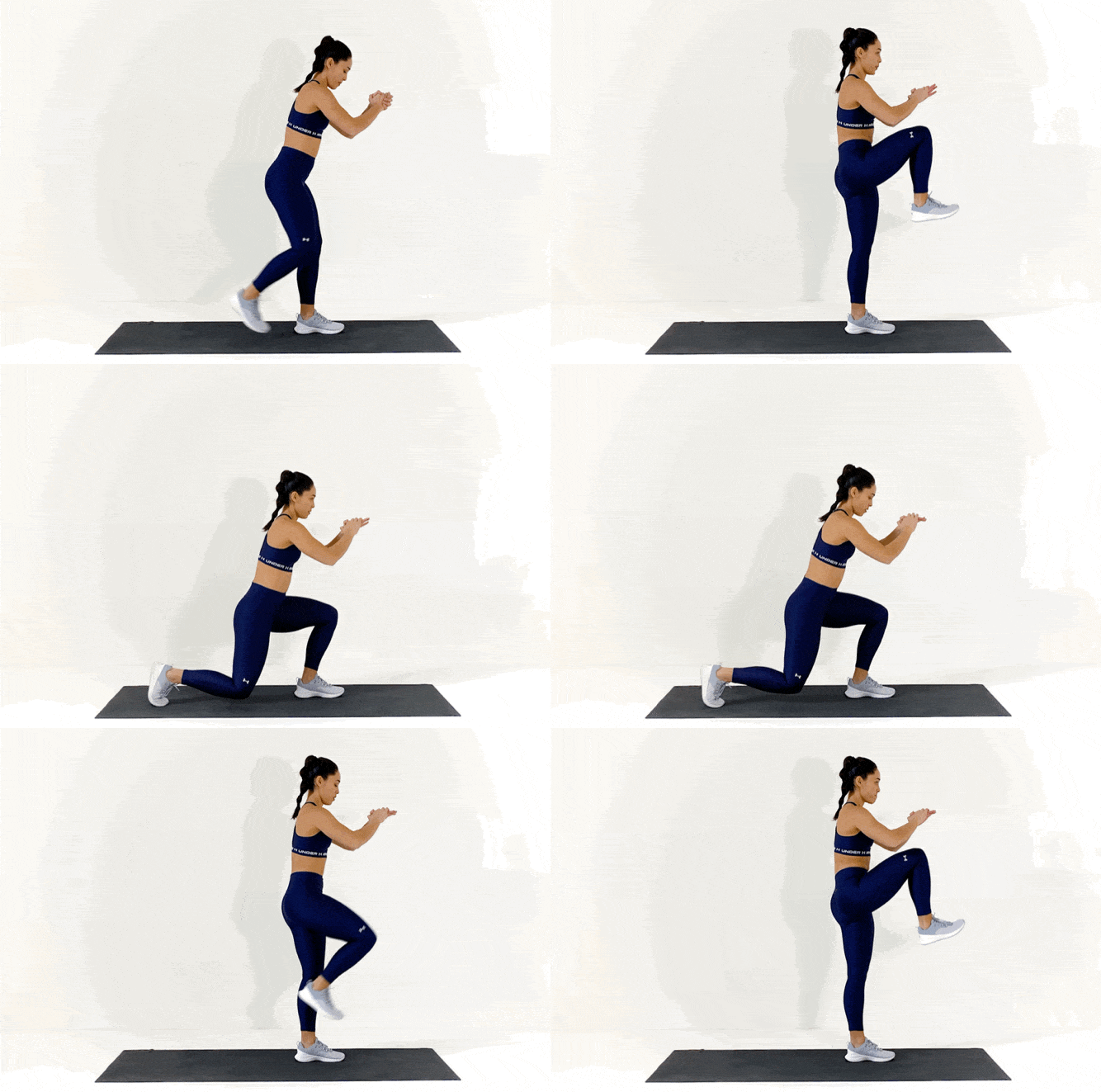
Reverse Lunge With a Knee Drive
This dynamic exercise targets the glutes, quadriceps, hamstrings, and hip flexors, while also incorporating a balance and coordination challenge.
- Execution: Begin standing tall, feet hip-width apart. Step one leg back into a lunge position, lowering your hips until both knees are bent at approximately a 90-degree angle. Ensure your front knee is directly over your ankle and your back knee hovers just above the ground. Drive through the heel of your front foot, simultaneously bringing the back leg forward and driving the knee explosably towards your chest. Control the descent back into the reverse lunge.
- Muscles Engaged: Glutes, quadriceps, hamstrings, hip flexors, calves, core.
- Pro Tip: Maintain an upright torso and engage your core throughout the movement to enhance stability. Adding light dumbbells can increase the challenge, engaging grip strength and further stimulating muscle growth.
Burpees
A full-body powerhouse, the burpee combines strength, cardio, and plyometrics, making it one of the most effective compound exercises for overall conditioning.
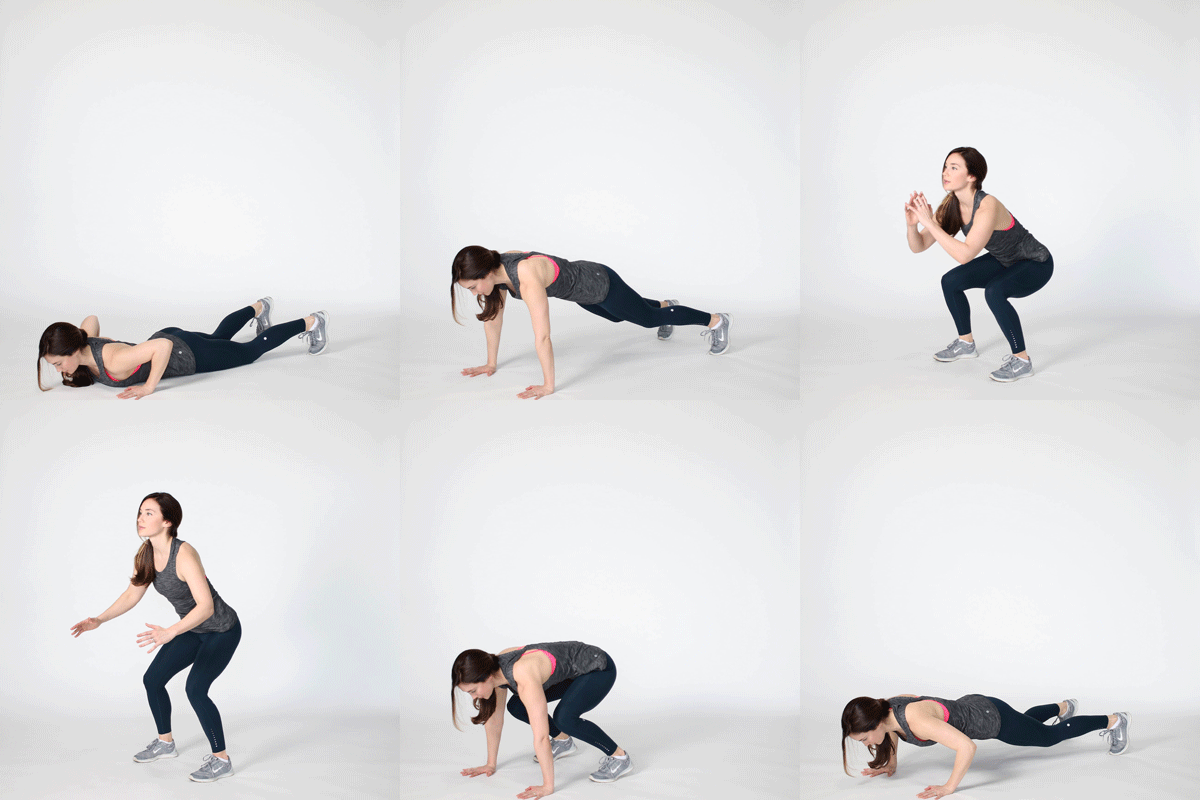
- Execution: Start standing. Drop into a squat, placing your hands on the floor in front of you. Kick your feet back into a plank position. Perform a push-up (optional, but highly recommended for full-body engagement). Jump your feet back towards your hands. Explosively jump up into the air, reaching your arms overhead.
- Muscles Engaged: Chest, shoulders, triceps, quadriceps, hamstrings, glutes, core, calves.
- Pro Tip: Focus on fluidity between transitions. Keep your core tight to protect your lower back, especially during the plank and push-up phases. Modifications include stepping feet back instead of jumping, or omitting the push-up.
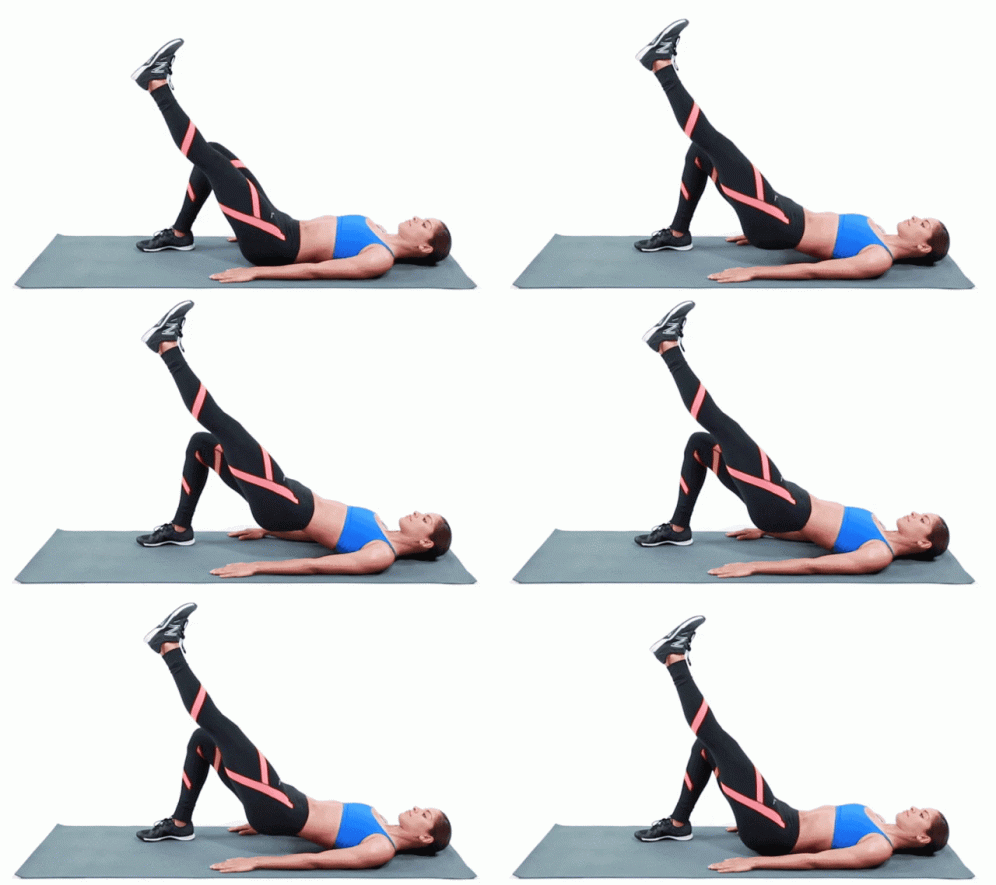
Single-Leg Bridge
This exercise effectively isolates and strengthens the glutes and hamstrings unilaterally, while also engaging the core for stability.
- Execution: Lie on your back with knees bent, feet flat on the floor hip-width apart, and arms by your sides. Extend one leg straight up towards the ceiling. Engaging your glutes, lift your hips off the floor until your body forms a straight line from your shoulders to your extended knee. Hold briefly at the top, squeezing the glute of the working leg, then slowly lower your hips back down.
- Muscles Engaged: Glutes, hamstrings, core.
- Pro Tip: Ensure your hips remain level throughout the movement, preventing rotation. Perform 10-12 repetitions on each side for optimal muscle activation and balance improvement.
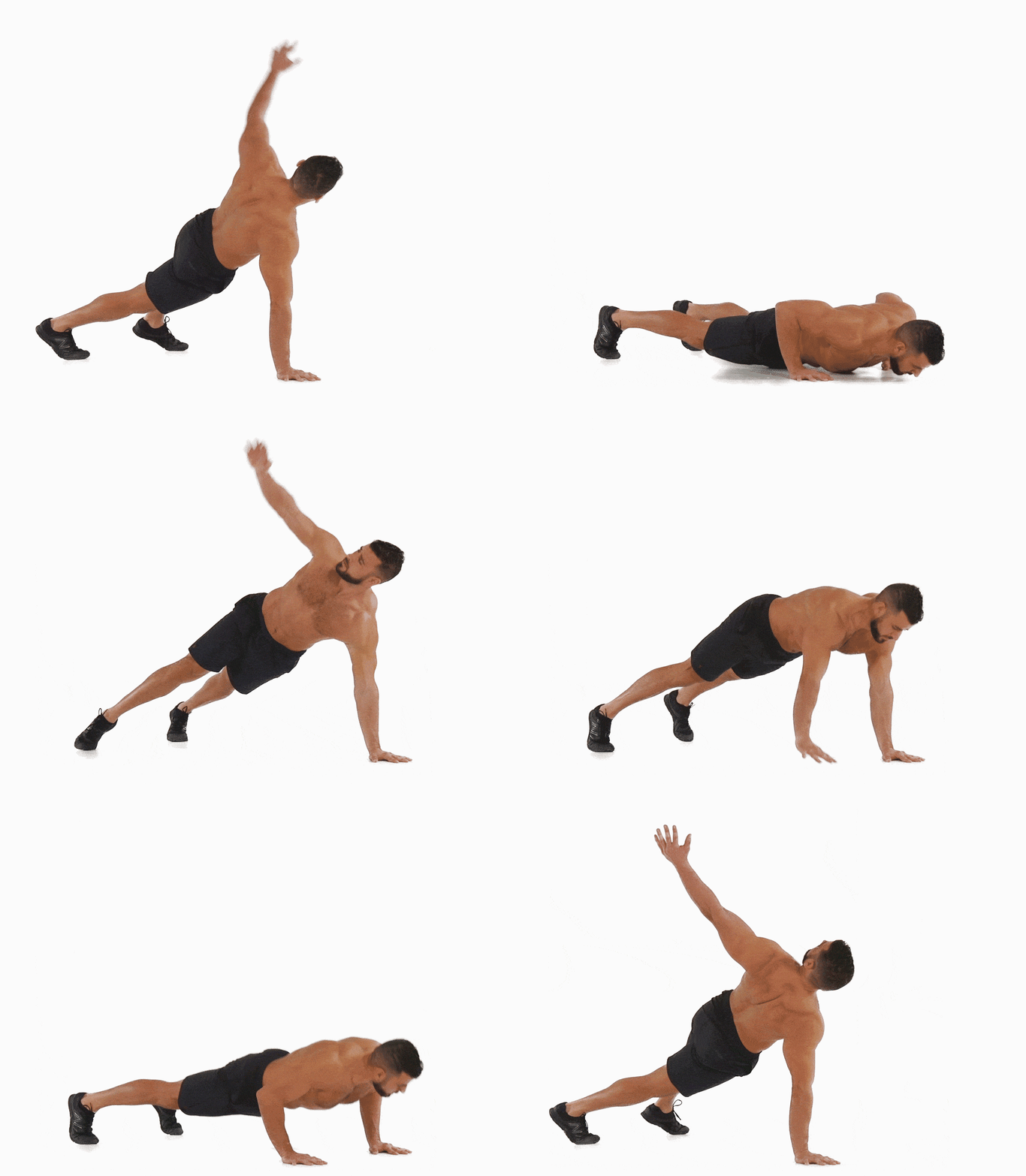
Push-Up And Rotate
This variation of the classic push-up elevates the challenge by adding a rotational element, engaging the shoulders, chest, triceps, and significantly taxing the obliques and core stabilizers.
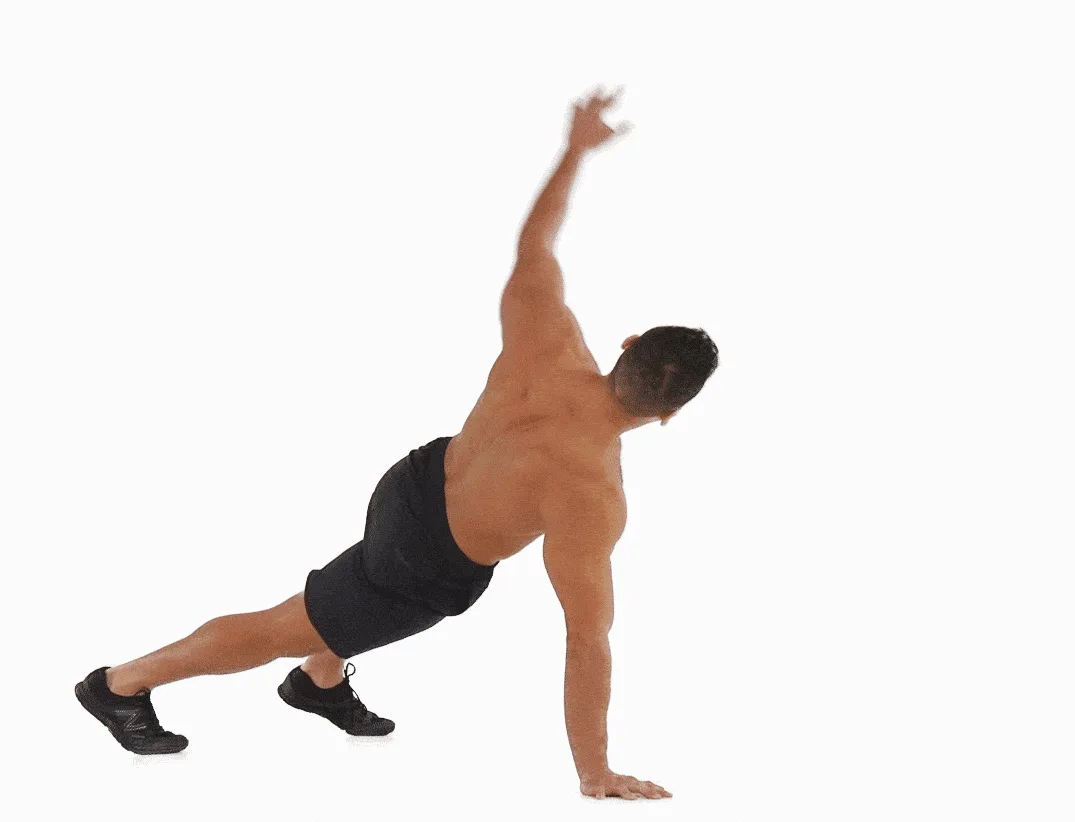
- Execution: Start in a high plank position, hands directly under shoulders. Perform a standard push-up, lowering your chest towards the floor. As you push back up, shift your weight to one hand and rotate your torso, extending the opposite arm straight up towards the ceiling, forming a "T" shape with your body. Return to the plank position and repeat on the other side.
- Muscles Engaged: Chest, shoulders, triceps, core (especially obliques), back stabilizers.
- Pro Tip: Maintain a strong, stable core throughout the rotation to prevent sagging hips. Control the movement, focusing on smooth transitions rather than speed. This exercise significantly enhances rotational strength and stability.
Air Squat
The air squat is a fundamental movement pattern that is critical for lower body strength, mobility, and functional movement, engaging the largest muscle groups in the body.
- Execution: Stand with feet shoulder-width apart, toes pointing slightly out. Keep your chest up, shoulders back, and core engaged. Initiate the movement by pushing your hips back as if sitting in a chair, simultaneously bending your knees. Descend until your thighs are at least parallel to the ground (or lower, if mobility allows), ensuring your knees track in line with your toes. Drive through your heels to return to the starting position, squeezing your glutes at the top.
- Muscles Engaged: Quadriceps, hamstrings, glutes, adductors, calves, core.
- Pro Tip: Focus on maintaining a neutral spine throughout the entire movement. Practice in front of a mirror to ensure proper form. For an added challenge, hold the bottom position for a few seconds or perform jump squats for a plyometric boost.
Integrating Compound Workouts into Your Routine: Practical Application
The power of compound exercises lies in their ability to deliver a comprehensive workout in a remarkably short time. A structured 15-minute circuit incorporating these movements can be profoundly effective. For example, performing each exercise for 45-60 seconds, followed by 15-30 seconds of rest, and repeating the circuit 2-3 times can provide a challenging full-body stimulus. This intensity, combined with the multi-muscle recruitment, maximizes caloric expenditure and muscle activation, proving that significant fitness gains do not necessarily require hours in the gym. Many online resources and certified trainers offer guided routines, such as the referenced 15-minute full-body workout video, making it easier for individuals to embark on this efficient training path.
Prioritizing Safety and Proper Form: A Cornerstone of Effective Training
While highly effective, the complexity of compound movements means that proper technique is paramount to prevent injury and maximize benefits. Incorrect form can not only diminish the exercise’s effectiveness but also place undue stress on joints and ligaments, leading to acute or chronic injuries.
- Professional Guidance: For beginners, or anyone looking to refine their technique, working with a qualified and experienced personal trainer is invaluable. A trainer can provide real-time feedback, correct form imbalances, and teach progressive variations tailored to individual fitness levels. They can also help establish appropriate intensity levels, guiding on suitable repetitions and sets. The advice to "speak directly at an experienced personal trainer" is critical, as personalized instruction far outweighs generic advice.
- Progressive Overload: The principle of progressive overload – gradually increasing the demands on the body – is fundamental for continuous improvement. This can involve increasing repetitions, sets, reducing rest times, or, eventually, adding external resistance (e.g., dumbbells, resistance bands) once bodyweight mastery is achieved. A common starting guideline of 10-15 repetitions per exercise, light enough to maintain good form but challenging enough to stimulate adaptation, is a sensible approach.
- Listen to Your Body: It is crucial to distinguish between muscle fatigue and pain. Sharp, sudden pain is a warning sign to stop. Adequate warm-up before exercise and cool-down stretches afterward are also vital for preparing the body and aiding recovery.
- Consistency over Intensity (initially): While compound exercises are intense, initial focus should be on consistent, correct form rather than pushing to extreme limits. Building a solid foundation of movement patterns will allow for safe and effective progression to higher intensities.
Broader Implications: Reshaping Public Health and Fitness Paradigms
The growing understanding of compound exercises’ efficiency and efficacy has significant implications for public health initiatives and the broader fitness industry.
- Public Health Recommendations: Organizations promoting physical activity can leverage the time-efficient nature of compound workouts to encourage greater participation, especially among populations constrained by time. Highlighting that substantial health benefits can be achieved with shorter, more intense, full-body routines can lower the perceived barrier to exercise.
- Fitness Industry Evolution: The emphasis on functional and compound movements is reshaping personal training methodologies, gym equipment design, and group fitness classes. There’s a noticeable shift away from purely isolated machine-based training towards more integrated, free-weight, and bodyweight modalities. Certified professionals, such as those recognized by ACE Fitness (referenced in the original article), are at the forefront of disseminating these evidence-based training principles.
- Accessibility and Inclusivity: Bodyweight compound exercises require minimal to no equipment, making them incredibly accessible regardless of socioeconomic status or access to specialized facilities. This democratizes fitness, allowing individuals to pursue health and strength building in their homes or outdoors.
Frequently Asked Questions: Deeper Insights
What Are The Best Compound Exercises For Weight Loss?
For weight loss, the most effective approach integrates both cardiovascular activity and strength training. Compound exercises are particularly potent for strength training as they maximize caloric expenditure and build significant muscle mass. The increased muscle mass, in turn, elevates basal metabolic rate, meaning the body burns more calories even at rest. This sustained metabolic boost, combined with the intense calorie burn during the workout itself, creates a highly efficient pathway for fat loss. Exercises like burpees, squats, lunges, and push-ups (especially the push-up and rotate variant) are excellent as they engage large muscle groups and elevate heart rate, effectively combining strength and cardio benefits. The video workout provided offers a practical application of these principles, demonstrating how to achieve a substantial calorie burn in a short, intense session.
What Are The Best Compound Exercises For The Legs?
The legs house some of the body’s largest and most powerful muscle groups, making compound exercises exceptionally effective for building lower body strength and mass.
- Squats: The quintessential leg exercise, squats (including air squats, goblet squats, or barbell squats) engage the quadriceps, hamstrings, glutes, adductors, and core. They are a fundamental human movement pattern and crucial for overall lower body development.
- Lunges: Various lunge forms (forward, reverse, lateral, walking) target the quads, hamstrings, and glutes unilaterally, improving balance and addressing muscular imbalances. The reverse lunge with a knee drive, as detailed, adds a dynamic, explosive element.
- Deadlifts (bodyweight or weighted): While the article focuses on bodyweight, conventional deadlifts (or Romanian deadlifts) are unparalleled for strengthening the posterior chain—glutes, hamstrings, and lower back—and are considered a full-body compound exercise. For bodyweight, variations like single-leg Romanian deadlifts can be effective.
- Step-ups: Utilizing a bench or box, step-ups work the quads, glutes, and hamstrings, while also improving balance and coordination.
Incorporating a variety of these movements ensures comprehensive development of the entire lower body.
What Are The Best Compound Exercises For Back Pain?
Strengthening the core and posterior chain is crucial for alleviating and preventing back pain. Compound exercises that promote spinal stability and muscular balance are highly recommended, often with an initial emphasis on bodyweight or light resistance.
- Squats: Properly executed squats strengthen the muscles supporting the spine, including the lower back, glutes, and core. They improve posture and build foundational strength.
- Bodyweight Deadlifts / Good Mornings: While deadlifts with heavy weights require advanced technique, bodyweight variations that focus on the hip hinge movement (e.g., simply hinging at the hips with a straight back) can strengthen the hamstrings, glutes, and lower back muscles without excessive spinal loading. The single-leg bridge also targets the glutes and hamstrings, which are critical for lower back support.
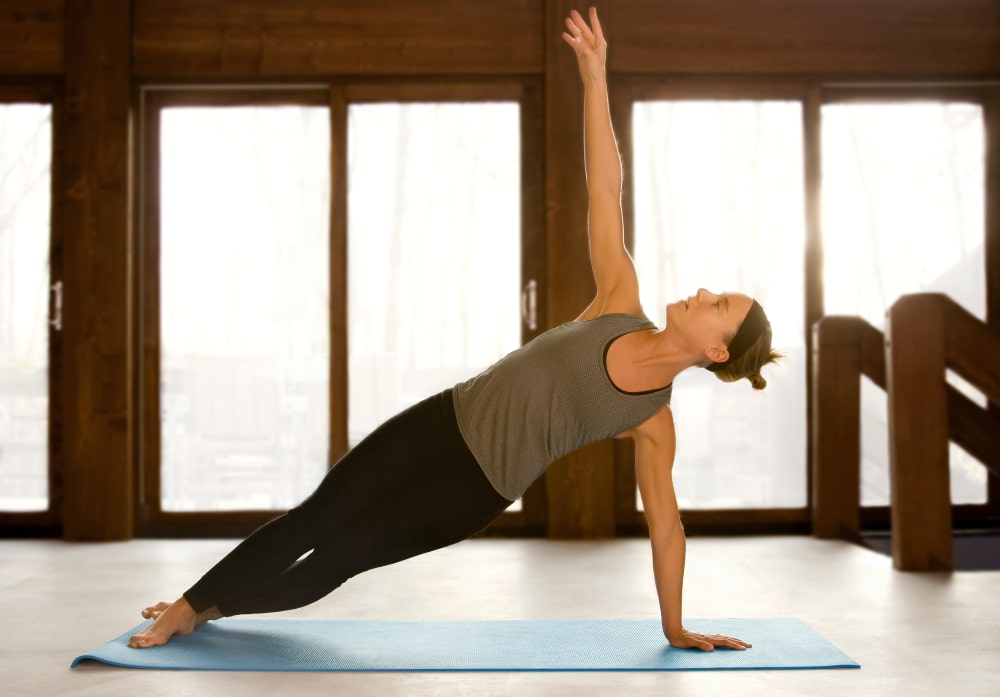
- Planks and Side Planks: These isometric compound exercises are excellent for strengthening the entire core musculature, including the deep abdominal muscles and obliques, which are vital for stabilizing the spine and preventing back pain.
- Push-Up and Rotate: This exercise, while targeting the upper body, also significantly engages the core stabilizers, including the obliques, which are crucial for rotational stability and overall back health.
It is imperative to prioritize flawless form and start with movements that do not exacerbate existing pain. Consulting with a physical therapist or a trainer experienced in corrective exercise for back pain is highly advisable.
Sources: Andrews E. (2015), Garber CE, et al. (2011), Hwang-Bo Kak, et al. (2013). Further research from reputable sports science journals and institutions supports the principles outlined herein, emphasizing the multifaceted benefits of integrated, multi-joint movements for comprehensive physical well-being.

