


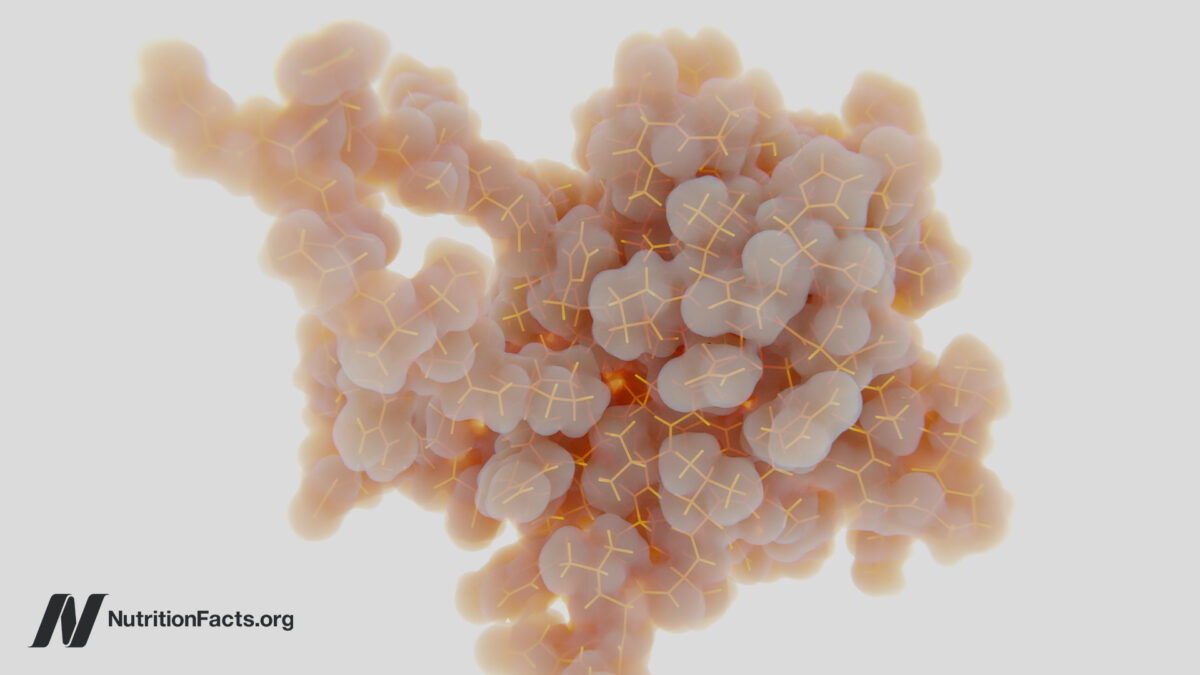
The year 2000 marked a significant moment in biomedical research with the discovery of Fibroblast Growth Factor 21 (FGF21), a novel human hormone that has since emerged as a critical player in metabolic health, arterial well-being, weight management, and potentially, lifespan extension. Initially identified as the 21st member of the fibroblast growth factor family, FGF21 has garnered substantial scientific attention due to its profound effects observed in preclinical studies. In studies involving obese monkeys, direct administration of FGF21 led to a remarkable reduction in body weight and body fat percentage – a decrease of up to 27% – without any corresponding decrease in caloric intake. This suggests a potent mechanism for regulating energy balance independent of dietary restriction.
Further amplifying its significance, research in mice has demonstrated that FGF21 can extend lifespan by an impressive 30% to 40%. This magnitude of lifespan extension is comparable to the effects of lifelong caloric restriction, a well-established method for promoting longevity in various species. Crucially, this extended lifespan in mice was also achieved without a reduction in food consumption, highlighting FGF21’s potential as a therapeutic agent for combating age-related decline and extending mammalian life. The implications of these findings have not gone unnoticed by the pharmaceutical industry. The prospect of developing hormone therapies or drug-like compounds targeting FGF21 has ignited considerable interest, prompting speculation about whether aging itself could become a treatable condition through pharmacological interventions.
Beyond its impact on weight and lifespan, FGF21 exhibits a remarkable pleiotropic effect, addressing multiple facets of metabolic syndrome. It has been recognized for its potential to simultaneously combat obesity, type 2 diabetes, dyslipidemia (characterized by abnormal levels of cholesterol and triglycerides), and hypertension. This broad therapeutic potential has been described by researchers as a "tantalizing and exciting prospect," offering a paradigm shift in the management of complex chronic diseases.
However, the direct clinical application of native FGF21 faces significant hurdles. The hormone’s inherent instability within the human body means it is rapidly metabolized, necessitating frequent administration – as often as every one to two hours – to maintain therapeutic levels. This impracticality has spurred intensive research and development efforts by pharmaceutical companies aiming to create engineered analogs of FGF21. These modified molecules are designed to possess a longer duration of action, thereby reducing the frequency of administration and improving patient compliance.
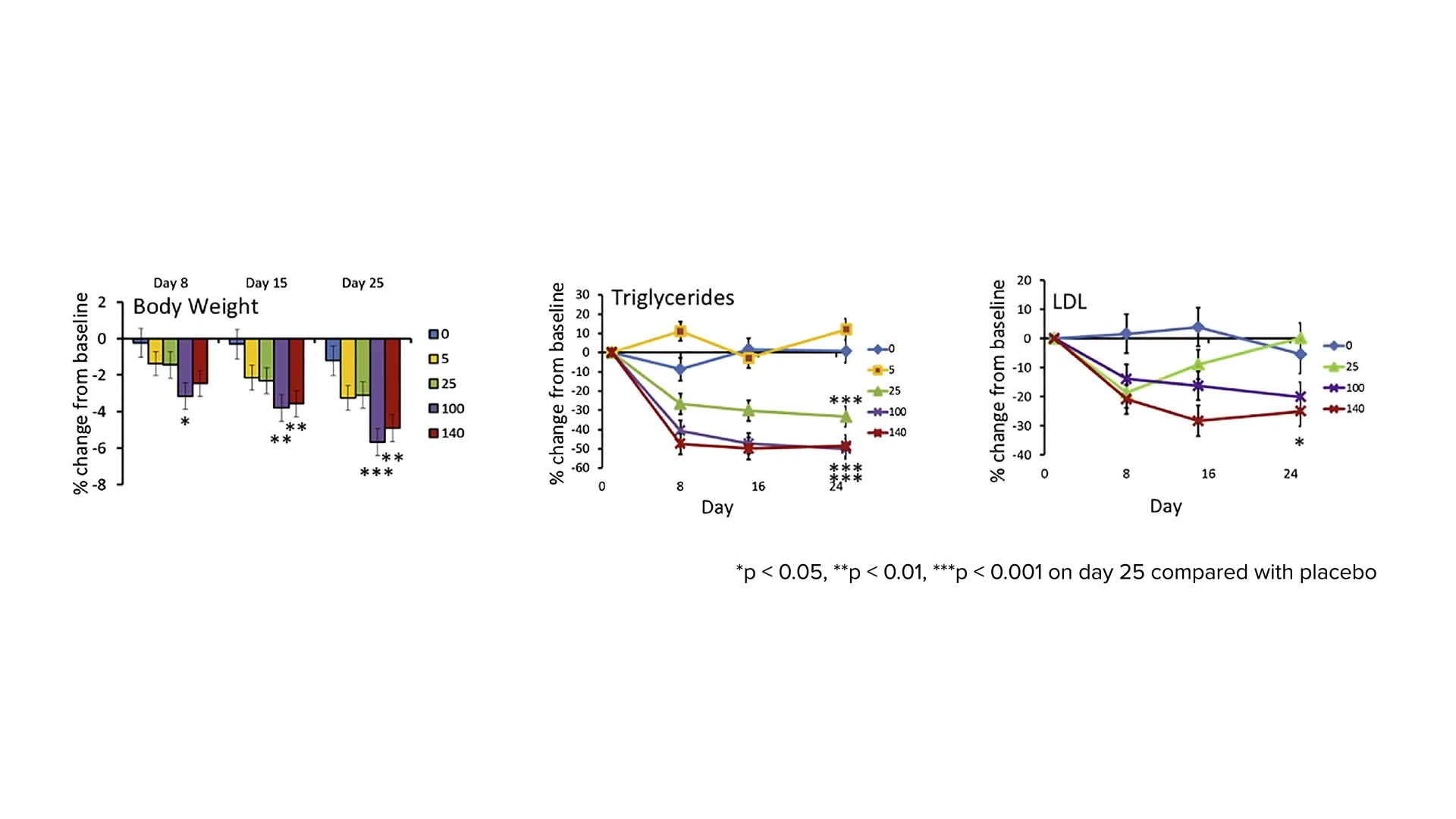
Early clinical trials of these FGF21-based drug candidates have shown promising results. For instance, a compound identified as PF-05231023 demonstrated notable efficacy in human subjects. In a trial lasting 25 days, participants receiving this agent experienced an average weight loss of approximately 10 pounds. Furthermore, significant reductions in triglyceride and cholesterol levels were observed, underscoring the drug’s impact on cardiovascular risk factors. These findings were visually represented in clinical data, illustrating the substantial improvements in key metabolic markers.

Despite these positive outcomes, the development of these novel therapeutic agents has not been without its challenges. As these drugs have progressed through clinical development, certain side effects have begun to emerge, necessitating careful monitoring and further investigation into their long-term safety profiles. This has led researchers and clinicians to explore alternative strategies for harnessing the benefits of FGF21, focusing on ways to stimulate the body’s own natural production of the hormone.
Natural Pathways to Boosting FGF21
The pursuit of non-pharmacological methods to elevate FGF21 levels has gained considerable traction, particularly within the realm of lifestyle interventions. Among these, exercise has emerged as a potent natural stimulant. Scientific evidence indicates that regular physical activity significantly increases circulating levels of FGF21, suggesting that this hormone may mediate at least some of the profound health benefits associated with exercise.
Research comparing different exercise modalities has provided nuanced insights into FGF21 modulation. A study examining the effects of eight weeks of training revealed that both aerobic exercise (such as running) and resistance exercise (weight training) were effective in boosting FGF21 levels. However, resistance exercise demonstrated a more pronounced effect, leading to a 42% increase in FGF21, compared to a 25% increase observed in the aerobic exercise group. This suggests that incorporating strength training into exercise routines may offer a superior strategy for maximizing FGF21 production.
The Role of Diet and Fasting
The influence of diet on FGF21 levels is also a critical area of investigation. While the idea of directly administering FGF21 or its engineered forms is one approach, stimulating endogenous production through dietary means presents a more accessible and potentially sustainable strategy for many individuals.
Fasting and caloric restriction have long been associated with various health benefits, and FGF21 has been dubbed the "starvation hormone" due to its strong association with these states. Studies have shown that fasting significantly induces FGF21 expression. However, the timeline for this induction differs markedly between species. While mice exhibit an increase in FGF21 after just six hours of fasting, humans require a considerably longer period to achieve a notable surge, typically not before a full week of fasting.
The magnitude of FGF21 elevation can be substantial, with some studies indicating a fourfold increase following extended fasting periods. However, achieving such levels necessitates prolonged fasting – up to 10 days – a regimen that is widely considered unsustainable and potentially risky for the general population. This stark contrast in response highlights the challenges in leveraging short-term fasting for significant FGF21 boosting in humans.
The ketogenic diet, often proposed as a means to mimic the metabolic state of fasting, has been investigated for its impact on FGF21. Contrary to initial hypotheses, research suggests that ketogenic diets may not effectively elevate FGF21 levels. In fact, prolonged adherence to a ketogenic diet (several months) has been linked to a significant decline in FGF21 levels. Furthermore, high-fat diets, including ketogenic diets, may even interfere with the FGF21 response to exercise, as observed in studies involving high-intensity interval training. This finding is particularly relevant, as it suggests that dietary choices can potentially undermine the benefits derived from physical activity.
Future Directions and Broader Implications
The ongoing research into FGF21 and its modulation through lifestyle interventions holds significant promise for public health. The ability to naturally enhance FGF21 levels through diet and exercise could offer a powerful, non-pharmacological approach to preventing and managing a range of chronic diseases.
Further research is warranted to elucidate the specific dietary components and patterns that optimally stimulate endogenous FGF21 production without the need for extreme fasting or restrictive diets. Understanding these mechanisms could pave the way for evidence-based dietary recommendations aimed at promoting metabolic health and longevity.
The development of pharmaceutical interventions targeting FGF21 also continues, with the aim of providing effective treatments for individuals struggling with metabolic disorders. However, the potential side effects and the need for long-term safety data remain critical considerations in this field.
Ultimately, the story of FGF21 underscores the intricate relationship between our biology, our lifestyle choices, and our healthspan. As scientific understanding deepens, the focus is increasingly shifting towards empowering individuals with actionable strategies to harness the body’s own remarkable capacity for well-being and longevity.
Doctor’s Note:
This article serves as an overview of the current scientific understanding of FGF21 and its potential impact on health and longevity. It is important to consult with healthcare professionals before making any significant changes to your diet, exercise routine, or treatment plan.
Further Reading and Resources:
For those interested in exploring this topic further, the following resources are recommended:
- Part Two: How to Boost FGF21 with Diet for Longevity – This upcoming installment will delve deeper into specific dietary strategies.
- Flashback Friday: How Much Should You Exercise? – A video exploring optimal exercise guidelines.
- Friday Favorites: How to Increase Your Life Expectancy 12 to 14 Years – A comprehensive look at factors contributing to increased lifespan.

