

The global yoga landscape is a dynamic tapestry of ancient wisdom and modern interpretation, continually shaped by the diverse needs and aspirations of its growing community. A comprehensive investigation by DoYou.com, through its recent Global Yoga Survey, has cast a revealing light on the prevailing preferences among practitioners worldwide, identifying the most popular yoga styles that resonate with today’s global yogis. Drawing insights from an impressive cohort of 10,000 individuals spanning 124 countries, the survey offers an unparalleled snapshot of contemporary yoga trends, confirming the ascendancy of dynamic practices while underscoring the enduring appeal of traditional and restorative approaches.
The DoYou Global Yoga Survey, an initiative by the prominent online yoga and wellness platform DoYou.com, was conceptualized to bridge the information gap regarding global yoga participation and preferences. Launched with the primary objective of mapping the current ecosystem of yoga practice, the survey collected data on a wide array of factors, including preferred styles, motivations for practice, frequency, and demographic information. This ambitious undertaking aimed to provide valuable insights not only for practitioners seeking to explore new styles but also for instructors, studios, and wellness industry stakeholders looking to understand and adapt to evolving demands. The sheer breadth of participation, encompassing over a hundred nations, lends significant credibility to its findings, offering a truly global perspective rather than regional snapshots. The survey data, compiled and analyzed over several months, represents a significant contribution to the understanding of yoga’s global penetration and cultural integration.
Unpacking the Dominant Styles: A Deep Dive into Global Preferences
The survey’s results paint a clear picture of the styles currently captivating the largest segments of the yoga community. While the diversity of yoga is vast, a few key styles have emerged as frontrunners, each appealing to different facets of physical, mental, and spiritual well-being.
1. Vinyasa Flow: The Undisputed Leader
Topping the charts with a commanding 57% of respondents identifying it as their primary yoga style, Vinyasa Flow stands as the most popular form of practice globally. This widespread adoption can be attributed to its characteristic fluid movement, where poses are seamlessly linked with the breath, creating a dynamic and often invigorating sequence. Vinyasa, a Sanskrit term meaning "to place in a special way," is a broad and adaptable category that encompasses various interpretations, including the more rigorous Power Yoga and the highly structured Ashtanga Yoga. Its flexibility in sequencing allows instructors immense creative freedom, enabling them to tailor classes to diverse levels and intentions, from gentle flows to intense, athletic workouts.
The popularity of Vinyasa Flow aligns with contemporary fitness trends that prioritize functional movement, cardiovascular engagement, and muscle toning. Many practitioners are drawn to Vinyasa for its immediate physical benefits, perceiving it as a comprehensive workout that enhances strength, flexibility, and endurance. Unlike some traditional yoga forms that might carry a stronger spiritual or philosophical emphasis, general Vinyasa classes often focus primarily on the physical aspects, making them highly accessible to individuals new to yoga or those primarily seeking a physical exercise regimen. Its capacity to deliver a satisfying workout while fostering a mind-body connection has cemented its position as a cornerstone of modern yoga practice, often serving as an entry point for many new yogis. Industry analysts note that Vinyasa’s growth mirrors the broader fitness market’s shift towards engaging, adaptable, and results-oriented group exercise formats.
2. Hatha Yoga: The Enduring Foundation
Securing a strong second place, Hatha Yoga was cited by 42% of respondents as their preferred style. While "Hatha" broadly refers to any yoga that involves physical postures (asanas), breathing techniques (pranayama), and meditation, in contemporary Western contexts, it typically denotes a slower-paced practice. Hatha classes usually involve holding individual poses for longer durations, emphasizing alignment, foundational principles, and deep stretching. This deliberate pace allows practitioners to cultivate a deeper awareness of their bodies, breath, and the subtleties of each posture.
Hatha Yoga’s enduring appeal lies in its accessibility and its foundational nature. It is widely considered an excellent starting point for beginners, providing a gentle introduction to yoga’s core principles without the rapid transitions of Vinyasa. Experienced practitioners also value Hatha for its ability to refine alignment, deepen stretches, and cultivate mindfulness. Its focus on sustained postures offers therapeutic benefits, aiding in improved flexibility, joint health, and stress reduction. In an era of high-intensity workouts, Hatha provides a crucial balance, offering a space for introspection and gentle yet profound physical engagement. Health professionals often recommend Hatha for its benefits in promoting relaxation, reducing chronic pain, and improving overall body awareness, contributing to its sustained global popularity.
3. Restorative Yoga: The Sanctuary of Serenity
With 29% of survey participants favoring it as their primary style, Restorative Yoga highlights a significant demand for practices centered on relaxation and profound stress relief. This style is characterized by its gentle approach, utilizing a generous array of props such as bolsters, blankets, blocks, and eye pillows to fully support the body in a few carefully selected poses. These poses are held for extended periods, often 5 to 20 minutes, allowing the body to completely surrender and the nervous system to shift into a state of deep rest.
The rising popularity of Restorative Yoga reflects a growing global awareness of the pervasive impact of chronic stress and the critical need for effective relaxation techniques. In a fast-paced world, Restorative Yoga offers a much-needed sanctuary, promoting passive stretching, calming the mind, and facilitating recovery from physical and mental exertion. It is particularly valued for its benefits in improving sleep quality, reducing anxiety, and fostering a sense of inner peace. Many practitioners incorporate Restorative Yoga into their routines as a counterbalance to more dynamic activities or as a dedicated practice for self-care and rejuvenation. Its therapeutic qualities make it appealing to individuals recovering from injury, managing chronic conditions, or simply seeking a profound sense of calm.
4. Power Yoga: The Athletic Evolution
Also capturing 29% of the respondents, Power Yoga represents a dynamic and vigorous offshoot of Vinyasa. While sharing the fluid sequencing of Vinyasa, Power Yoga classes are intentionally designed to be more physically demanding. Instructors often incorporate more challenging poses, faster transitions, or longer holds to build significant strength, stamina, and cardiovascular fitness. The emphasis is on building internal heat, strengthening core muscles, and developing a robust physical practice.

Power Yoga’s strong showing underscores the trend of yoga intersecting with mainstream fitness culture. It appeals particularly to individuals seeking an intense workout that also offers the mental benefits of yoga. Athletes often integrate Power Yoga into their training regimens for its ability to improve flexibility, balance, and mental focus, crucial for performance and injury prevention. Its growth reflects a demographic that views yoga not just as a spiritual practice but as a powerful tool for physical conditioning and pushing personal boundaries. The increasing prevalence of high-intensity interval training (HIIT) and functional fitness has created a fertile ground for Power Yoga, which provides a holistic yet challenging workout.
5. Ashtanga Yoga: The Path of Discipline
Preferred by 25% of survey respondents, Ashtanga Yoga stands out for its highly structured and disciplined approach. As a specific form of Vinyasa, Ashtanga follows a prescribed sequence of poses, known as "series," which are always performed in the same order, linking movement with breath (vinyasa). This unchanging sequence fosters consistency, allowing practitioners to memorize the flow and deepen their practice over time, observing subtle changes and progress.
Ashtanga’s appeal lies in its rigorous methodology and the profound sense of accomplishment derived from mastering its sequences. It attracts practitioners who thrive on routine, discipline, and measurable goals. The consistency of the practice, regardless of the instructor or location, provides a stable framework for deep exploration and self-study. Beyond the physical challenge, Ashtanga is often seen as a meditative practice in motion, cultivating intense focus, mental fortitude, and a deep connection between breath and movement. Its global community is highly dedicated, drawn to the transformative potential of consistent, disciplined practice.
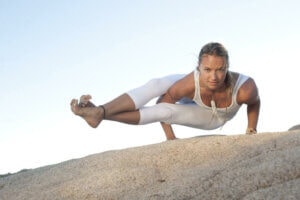
6. Yin Yoga: The Stillness Within
Garnering 17% of the responses, Yin Yoga offers a profound counterpoint to more dynamic styles. Similar to Restorative Yoga in its long-held poses, Yin Yoga targets the deeper connective tissues of the body – the fascia, ligaments, joints, and bones – rather than the muscles. Poses are typically held for three to five minutes, sometimes longer, allowing for a gentle, sustained stretch that encourages the release of tension stored deep within the body. It is often described as the "yin" to the "yang" of more active yoga styles.
The growing interest in Yin Yoga reflects an increased understanding of connective tissue health and the importance of balancing active practices with passive ones. It requires significant mental concentration and stillness, making it a powerful practice for cultivating mindfulness and patience. Practitioners often find Yin Yoga to be deeply therapeutic, aiding in injury prevention, improving joint mobility, and enhancing the body’s energetic flow. Its meditative quality helps calm the nervous system, making it particularly beneficial for stress reduction and emotional release. As holistic health gains prominence, Yin Yoga is increasingly recognized for its unique contribution to physical longevity and mental equanimity.
7. Bikram/Hot Yoga: The Heated Experience
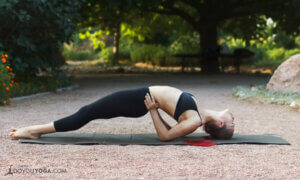
With 10% of survey respondents practicing it, Bikram/Hot Yoga represents a distinct niche characterized by its heated environment. Bikram Yoga specifically follows a rigid sequence of 26 poses and two breathing exercises performed in a room heated to 35–42°C (95–108°F) with 40% humidity. More generic Hot Yoga classes may vary in temperature and sequence but retain the heated element. The intense heat is believed to aid in deeper stretching, detoxification through sweating, and increased cardiovascular challenge.
The appeal of Bikram/Hot Yoga lies in its promise of intense physical purification and enhanced flexibility. Proponents often cite benefits such as improved circulation, increased metabolism, and a profound sense of cleansing. However, its rigorous nature necessitates careful attention to hydration, with practitioners advised to hydrate thoroughly before and after class. Despite some controversies and health considerations associated with extreme heat, a dedicated community continues to embrace hot yoga for its unique physical and mental benefits, finding the challenging environment conducive to a focused and transformative practice.
8. Iyengar Yoga: The Art of Precision
Rounding out the top eight with 8% of the survey participants, Iyengar Yoga is a meticulous and alignment-focused style, considered a subset of Hatha Yoga. Developed by B.K.S. Iyengar, this method places paramount importance on precision, proper alignment in each pose, and the intelligent use of props (such as blankets, blocks, straps, and chairs) to achieve optimal form and facilitate accessibility for all body types and levels of flexibility. Poses are held for extended periods, allowing for deep muscular and structural engagement, with careful attention to breath.

Iyengar Yoga appeals to those who seek a profound understanding of anatomical alignment and the therapeutic benefits of yoga. Its systematic approach makes it highly effective for injury recovery, rehabilitation, and addressing specific physical challenges. The use of props is not merely for support but as tools to deepen understanding and experience the poses more fully. Practitioners value Iyengar for its emphasis on developing strength, flexibility, and stability, alongside mental clarity and concentration. Its detailed instruction and methodical progression provide a rich learning environment for those committed to a precise and informed practice, ensuring that yoga is safe, accessible, and deeply transformative.
Statements from Industry Experts and Implications for the Future
"The DoYou Global Yoga Survey offers invaluable insights into the evolving landscape of yoga practice," commented a spokesperson for DoYou.com. "The data clearly indicates a global embrace of yoga’s diverse offerings, from the physically demanding Vinyasa to the deeply restorative practices. It underscores that yoga is no longer a niche activity but a mainstream wellness pillar, adapting to meet a broad spectrum of individual needs and preferences across cultures."
Dr. Anya Sharma, a renowned yoga therapist and wellness consultant, observed, "The prevalence of Vinyasa Flow, alongside the strong showing of Restorative and Yin Yoga, speaks volumes about contemporary human needs. People are seeking both dynamic physical engagement and profound stress relief. The survey highlights a collective journey towards holistic well-being, where physical vigor is balanced with mental calm and emotional resilience."

The implications of these findings are substantial for the yoga and wellness industry. The dominance of Vinyasa and Power Yoga suggests a continued demand for fitness-oriented practices, prompting studios and online platforms to invest in diverse, high-energy offerings. Simultaneously, the significant percentages for Hatha, Restorative, and Yin Yoga emphasize the growing appreciation for slower, more introspective, and therapeutic forms of practice, indicating a market for specialized classes catering to stress reduction, recovery, and mindfulness.
Furthermore, the global representation in the survey points to yoga’s universal appeal and adaptability. As cultures intertwine and health awareness grows, yoga continues to transcend geographical boundaries, offering practices that can be personalized to suit individual lifestyles and wellness goals. The rise of online yoga platforms, like DoYou.com itself, has undoubtedly played a pivotal role in this global dissemination, making a wide array of styles accessible to millions, irrespective of their location. This democratization of yoga education is likely to fuel further diversification and innovation within the practice.
Conclusion: A Rich Tapestry of Practice
The DoYou Global Yoga Survey unequivocally demonstrates that the world of yoga is vibrant, diverse, and deeply responsive to the needs of its practitioners. From the dynamic exhilaration of Vinyasa Flow to the meditative stillness of Yin, and the foundational precision of Iyengar, there is truly a yoga style for every body, mind, and spirit. These findings not only illuminate current preferences but also serve as a guiding light for the future evolution of yoga, confirming its status as a multifaceted discipline that continues to enrich lives globally. The ongoing exploration of different styles offers not just physical benefits but also an opportunity for deeper self-discovery and a more balanced, mindful existence.

