

A comprehensive global survey conducted by DoYou.com has shed light on the predominant trends in contemporary yoga practice, revealing Vinyasa Flow as the most widely embraced style worldwide. The "DoYou Global Yoga Survey," which gathered insights from an impressive 10,982 participants spanning 124 countries, provides a robust dataset for understanding the preferences, motivations, and evolving landscape of the international yoga community. This extensive report offers valuable insights for both seasoned practitioners seeking new directions and newcomers exploring the diverse world of yoga, as well as for instructors and wellness industry stakeholders.
The DoYou Global Yoga Survey: A Window into Worldwide Practice
The DoYou Global Yoga Survey, a significant undertaking by the online yoga platform DoYou.com, was designed to map the global pulse of yoga practice. With responses collected from a vast geographical and demographic spectrum, the survey’s findings represent a powerful indicator of current trends. The methodology involved direct questioning of individuals about their primary yoga styles, allowing for a clear statistical representation of popularity. Such large-scale surveys are crucial in a rapidly expanding global wellness market, providing data-driven perspectives on participant engagement and preferences, which can, in turn, inform content creation, studio programming, and instructor training. The sheer volume and international diversity of respondents underscore the universal appeal of yoga and the growing interest in understanding its various forms. The results not only highlight the most popular styles but also subtly reveal underlying motivations, from physical fitness to mental tranquility and spiritual exploration.
Vinyasa Flow: The Undisputed Leader
Topping the charts with a commanding 57% of respondents identifying it as their primary yoga style, Vinyasa Flow demonstrates an undeniable global dominance. This dynamic and fluid practice is characterized by its emphasis on synchronizing breath with movement, creating a continuous "flow" from one pose to the next. Its widespread appeal can be attributed to several factors. Vinyasa is highly adaptable, allowing instructors significant creative freedom in sequencing poses, which means classes can vary greatly in intensity and focus, catering to a broad range of skill levels from beginner to advanced.
Beyond its flexibility, Vinyasa Flow offers a vigorous physical workout, effectively elevating heart rates and warming muscles. This aligns closely with many individuals’ traditional expectations of exercise, making it an accessible entry point into yoga for those primarily seeking physical benefits such as increased strength, flexibility, and cardiovascular health. Furthermore, Vinyasa is often perceived as less overtly spiritual than some other traditional yoga forms, making it appealing to a wider audience that may be more focused on the physical and mental well-being aspects without necessarily engaging in deeper philosophical or meditative practices. The immediate, tangible benefits—such as improved posture, increased energy, and a sense of accomplishment—contribute significantly to its sustained popularity. Vinyasa also serves as an umbrella term, encompassing more specific dynamic styles like Power Yoga and Ashtanga, though when referred to broadly, it emphasizes creative, non-prescribed sequencing.
Hatha Yoga: The Enduring Foundation
Securing a strong second place, Hatha yoga was cited as the primary style by 42% of survey participants. Hatha is often considered the foundational branch from which many contemporary yoga styles have evolved. While "Hatha" broadly refers to any yoga that involves physical postures (asanas), breathing techniques (pranayama), and meditation, in modern Western contexts, it typically denotes a slower-paced practice. Unlike the continuous movement of Vinyasa, Hatha classes generally involve holding individual poses for several breaths, allowing practitioners to focus deeply on alignment, muscular engagement, and the subtle nuances of each posture.
This deliberate pace makes Hatha particularly suitable for beginners, offering an opportunity to build a solid understanding of fundamental poses and proper body mechanics without the pressure of rapid transitions. It also appeals to individuals seeking a more meditative and introspective practice, emphasizing deep stretching, improved flexibility, and stress reduction. The methodical approach of Hatha yoga allows for greater body awareness and can be highly therapeutic, fostering a sense of calm and balance. Its enduring popularity speaks to its timeless benefits and its role as a gentle yet effective path to physical and mental well-being.
The Spectrum of Serenity: Restorative and Yin Yoga
The survey highlighted a significant appreciation for practices focused on relaxation and deep release. Restorative Yoga garnered 29% of the votes, while Yin Yoga followed closely with 17%. These styles, though distinct, share a common thread of sustained holds and a focus on deeper, often passive, engagement.
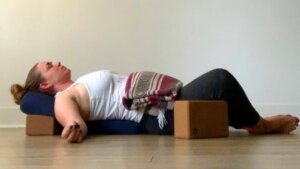
Restorative Yoga is designed to activate the parasympathetic nervous system, promoting profound relaxation and stress relief. It typically involves holding a few gentle poses for extended periods, often 5-20 minutes, with ample support from props like blankets, bolsters, and blocks. The goal is to release tension without effort, allowing the body to fully surrender and repair. It is particularly valued for its ability to calm the mind, reduce anxiety, and improve sleep quality, making it an ideal practice for winding down before bedtime or recovering from stress and fatigue.
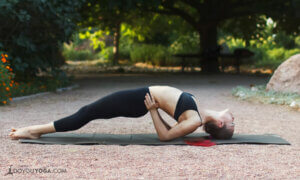
Yin Yoga, while also featuring long holds (typically 3-5 minutes or more), offers a different kind of challenge. It targets the body’s connective tissues—ligaments, joints, fascia, and bones—rather than the muscles. Poses are often floor-based and held in stillness, allowing gravity and time to gently deepen stretches. Yin is considered the "yin" (passive, cool, internal) to the "yang" (active, hot, external) of more dynamic practices like Vinyasa. It requires significant mental focus and concentration, making it a meditative practice that can also be intensely challenging due to the sensations that arise from deep tissue release. Its benefits include improved joint health, increased flexibility, enhanced circulation in connective tissues, and a profound sense of inner quietude, playing a crucial role in injury prevention and maintaining long-term mobility.
Dynamic Discipline: Power and Ashtanga Yoga
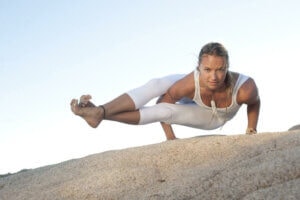
For those seeking a more rigorous and structured practice, Power Yoga and Ashtanga Yoga remain highly popular, with 29% and 25% of respondents respectively identifying with these styles. Both are offshoots or specific forms within the broader Vinyasa category, emphasizing physical exertion and discipline.
Power Yoga, sharing many tenets with Vinyasa, distinguishes itself by being intentionally designed to be more challenging. Instructors in Power Yoga classes often move at a faster pace, incorporate more advanced poses, or hold poses for longer durations to build strength and endurance. The focus is squarely on physical fitness, building heat, and developing robust core strength and stamina. It appeals to practitioners looking for an intense workout that also offers the mental benefits of yoga.
Ashtanga Yoga is characterized by a highly specific, prescribed sequence of poses that practitioners follow in the exact same order every time. This adherence to a fixed series—traditionally taught in the Mysore style—provides a clear path for progress and deepens the meditative aspect of the practice through repetition and familiarization. The consistency of Ashtanga allows practitioners to observe subtle improvements in their strength, flexibility, and focus from class to class. It is a demanding practice, requiring significant dedication and discipline, and its structured nature appeals to those who thrive on routine and measurable goals within their yoga journey.
Specialized Practices: Bikram/Hot and Iyengar Yoga
Rounding out the top styles, Bikram/Hot Yoga and Iyengar Yoga demonstrate the diversity within the global yoga community, attracting dedicated followings. Bikram/Hot Yoga was practiced by 10% of respondents, while Iyengar Yoga was chosen by 8%.
Bikram Yoga is a highly regimented system consisting of 26 specific postures and two breathing exercises, performed in a heated room maintained between 35-42°C (95-108°F) with 40% humidity. The intense heat is believed to aid in detoxification, increase flexibility, and prevent injury, though these claims are often debated within the scientific community. More generic Hot Yoga classes also utilize heated environments but offer greater flexibility in sequencing and pose selection. Regardless of the specific style, adequate hydration is paramount for practitioners, both before and after class, due to the significant fluid loss from sweating. The heated environment provides a unique challenge and experience, appealing to those who enjoy intense physical exertion and the sensation of a deep sweat.
Iyengar Yoga, a distinct subset of Hatha yoga, emphasizes meticulous precision in alignment and the perfect execution of each pose. Developed by B.K.S. Iyengar, this style is renowned for its systematic approach, often utilizing a wide array of props such as blocks, straps, blankets, and chairs. These props are not just for support but are integral tools to help practitioners achieve correct alignment, deepen their understanding of poses, and make the practice accessible to individuals with varying physical capabilities or limitations. Iyengar yoga classes focus on holding poses for extended periods, with intense attention to detail regarding the placement of limbs, the engagement of muscles, and the timing of breath. This therapeutic and highly analytical approach appeals to those seeking to refine their practice, address specific physical concerns, or develop a profound understanding of yoga anatomy and philosophy.
Implications for the Global Yoga Community and Wellness Industry
The findings of the DoYou Global Yoga Survey carry significant implications for the wider yoga and wellness industry. The prominence of Vinyasa Flow suggests a strong demand for dynamic, fitness-oriented practices that can be easily integrated into modern, busy lifestyles. This trend likely influences curriculum development for yoga teacher trainings, studio class schedules, and the content offered by online yoga platforms.
The enduring popularity of Hatha yoga underscores the continued need for foundational, accessible practices that cater to beginners and those seeking a slower, more meditative experience. Similarly, the significant numbers for Restorative and Yin yoga highlight a growing global recognition of yoga’s benefits for stress reduction, mental health, and recovery, particularly in an increasingly fast-paced world.
For yoga instructors, these results offer guidance on popular styles, potentially influencing their specialization or the breadth of their offerings. For studio owners and online platforms, the data can inform marketing strategies, content creation, and partnership opportunities, ensuring that offerings align with global practitioner preferences. The survey also indirectly points to the globalization of yoga, as styles once confined to specific regions or traditions are now practiced by millions across diverse cultures, fostering an ongoing cultural exchange and evolution of the practice. Wellness industry analysts can leverage this data to understand broader health and fitness trends, identifying areas of growth and investment within the mindful movement sector.
The Evolving Mat: A Look to the Future
The DoYou Global Yoga Survey paints a vibrant picture of a thriving and diverse global yoga community. From the energetic flows of Vinyasa to the introspective stillness of Yin, and the precise alignment of Iyengar, the survey affirms that yoga offers a multitude of paths to well-being. The continued evolution and adaptation of these styles reflect yoga’s inherent ability to meet the changing needs and preferences of practitioners worldwide. As the global wellness movement continues to expand, understanding these preferences becomes increasingly vital. The findings reinforce the idea that whether one seeks a vigorous workout, deep relaxation, improved flexibility, or a disciplined path to self-discovery, there is indeed a yoga style perfectly suited for every individual on their unique journey toward holistic health.

