

By the time individuals reach the age of 50, approximately half of both men and women will experience some degree of hair loss. This common phenomenon is often shrouded in misinformation, with myths suggesting that excessive hair washing or brushing could be culprits. However, scientific research consistently points to genetics as the primary driver of age-related hair thinning. A seminal study examining twins revealed that the heritability of baldness in men is as high as 79%, indicating that around 80% of the variations in hair loss among men can be attributed to genetic factors. Nevertheless, this genetic predisposition does not tell the entire story, leaving room for other influential elements.
The Multifaceted Nature of Hair Loss: Beyond Genetics
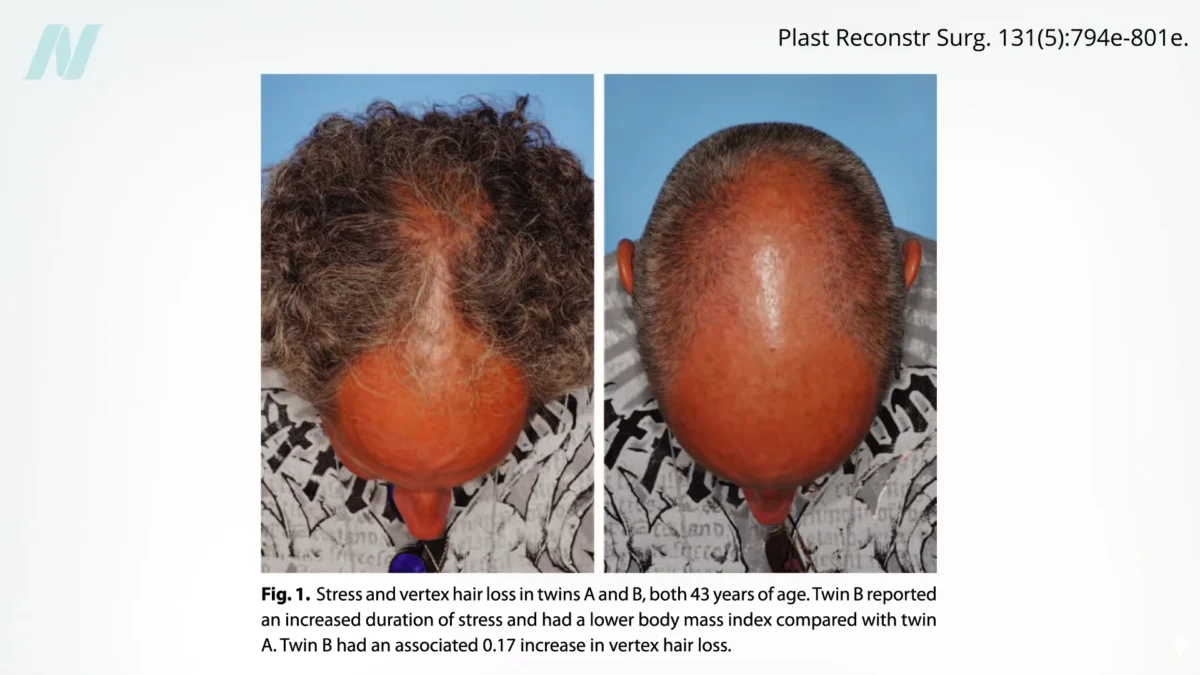
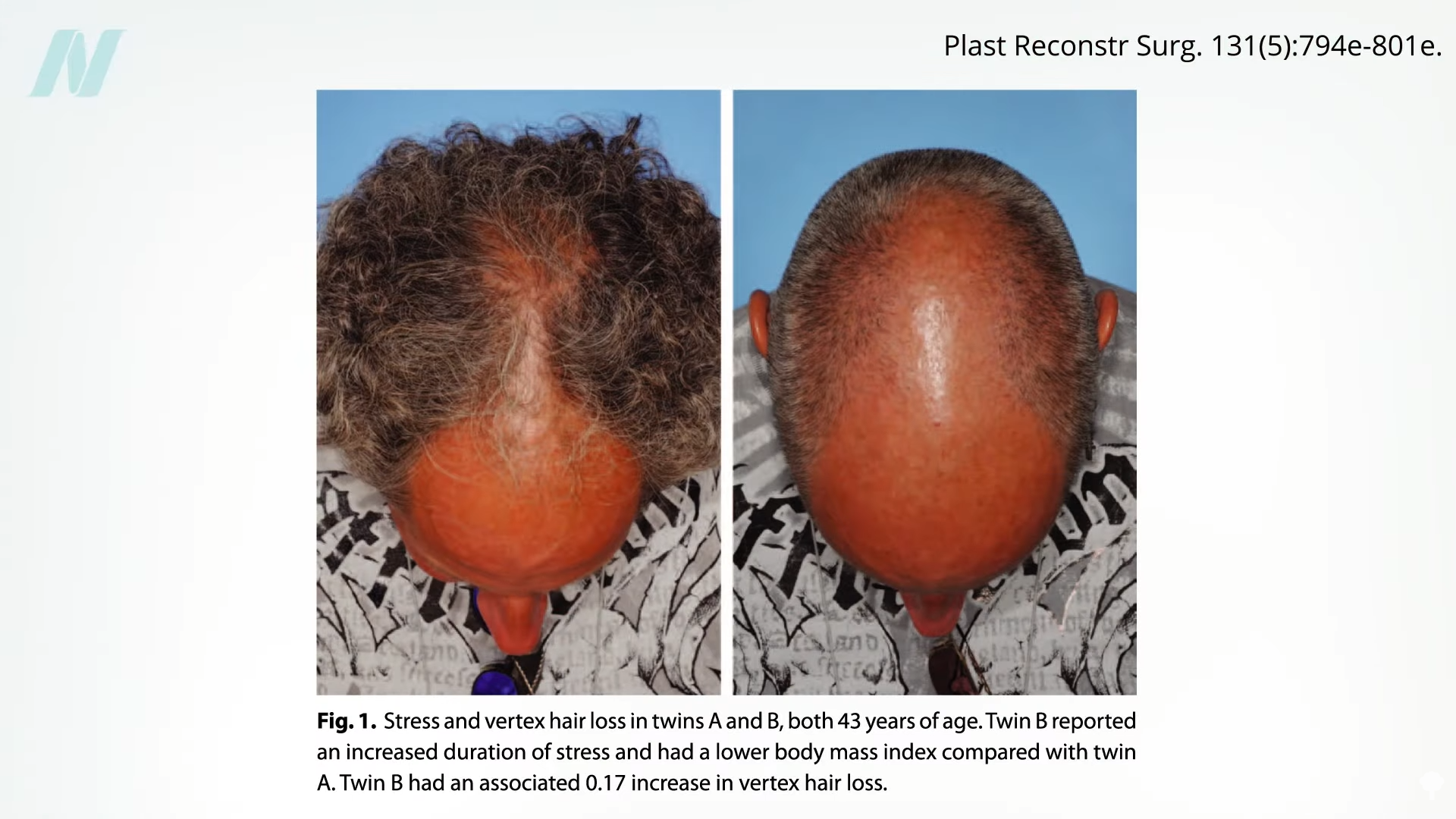
Even in cases of identical twins, who share the exact same DNA, disparities in hair loss can emerge. This divergence can be influenced by a range of environmental and lifestyle factors. For instance, one twin might experience more significant hair loss than the other due to increased stress levels, a history of smoking, having more children, or a pre-existing condition such as high blood pressure or a past cancer diagnosis. Visual evidence of these differences can be stark. Studies have presented striking comparisons of identical twin brothers, where one twin exhibited more noticeable hair loss, directly correlating with his self-reported higher stress levels throughout life. Similarly, another pair of identical twins highlighted the impact of lifestyle choices. In this instance, the twin who smoked and consumed more alcohol displayed a more pronounced thinning of hair.
Environmental Toxins and Their Impact on Hair Follicles
The detrimental effects of smoking on hair are well-documented. Cigarettes contain genotoxic compounds that can directly damage the DNA within hair follicles, disrupting their normal function. Furthermore, these compounds can lead to microvascular poisoning at the base of the follicle, compromising its health and ability to support hair growth. Beyond tobacco smoke, other environmental toxins have also been implicated in hair loss. Mercury, for example, has been identified as a significant contributor. Research indicates that mercury can concentrate in growing scalp hair at levels approximately 250 times higher than in other parts of the body. Historically, mercury poisoning from syphilis treatments was even suggested as a potential cause of hair loss in prominent figures like William Shakespeare. While modern medical practices have largely eliminated the use of mercury for therapeutic purposes, it remains a concern through dietary exposure. Today, the U.S. Centers for Disease Control and Prevention (CDC) notes that mercury primarily enters the human body through the consumption of seafood.
The Seafood Connection: A Case Study in Mercury Exposure
Women of reproductive age, in particular, often seek medical intervention for hair loss attributed to hormonal changes, especially during menopause. A compelling case illustrates the direct link between mercury exposure and hair loss. A 43-year-old woman experiencing early menopausal symptoms presented with significant hair loss. Diagnostic blood tests revealed elevated mercury levels. Upon further dietary investigation, it was discovered that she consumed a diet high in tuna, a known accumulator of mercury. Following her decision to cease tuna consumption, her mercury levels began to decrease, and within two months, her hair started to regrow. By seven months, after adopting a completely fish-free diet, her hair had fully regenerated. This case underscores the importance of considering mercury toxicity screening in patients presenting with hair loss, as it can be a treatable condition. Healthcare providers can offer significant relief by advising patients to reduce their intake of high-mercury fish and by conducting follow-up blood tests. This approach not only addresses the immediate symptom but also helps uncover dietary habits that might be a source of heavy metal-induced hair loss.
Nutrient Deficiencies and Hair Health: Separating Fact from Fiction
The question of whether nutrient deficiencies can cause hair loss is a common one. Following bariatric surgery, hair loss is indeed a frequent symptom. However, this is a direct consequence of the surgical alteration of the digestive system, which is designed to induce malabsorption of nutrients. In the general population, the evidence suggesting that vitamin and mineral supplementation benefits individuals who are not deficient is scarce.
Specific Nutrient Considerations: Vitamin C, Zinc, and Iron
For centuries, it has been known that severe vitamin C deficiency, leading to scurvy, can result in hair loss. However, once an individual reaches a baseline level of vitamin C sufficiency – enough to prevent symptoms like bleeding gums – further supplementation has not been shown to correlate with increased hair growth.
Similarly, the notion that zinc supplements can enhance hair growth is largely a myth, unless an individual has a diagnosed zinc deficiency, which can sometimes be observed in individuals with alcohol abuse issues. If blood zinc levels are within the normal range, consuming additional zinc is unlikely to provide any benefit and could potentially lead to adverse side effects. The same principle applies to iron supplements; they are only beneficial for hair growth if an underlying iron deficiency exists.
The Biotin Paradox: Popularity vs. Efficacy
Biotin, also known as vitamin B7, is a ubiquitous ingredient in many over-the-counter hair loss products. While it is true that a severe biotin deficiency can cause hair loss, there is a significant lack of evidence-based data to support the claim that biotin supplementation promotes hair growth in individuals who are not deficient. Severe biotin deficiency is exceptionally rare in healthy individuals consuming a balanced diet. One notable exception involves the consumption of raw egg whites, which contain a compound that binds to biotin and inhibits its absorption. However, outside of these rare deficiency syndromes, the widespread belief that biotin supplements enhance hair growth remains largely unsubstantiated.
The "Can’t Hurt, Might Help" Fallacy: The Dangers of Unregulated Supplements
The temptation to try supplements with a "can’t hurt, might help" attitude is understandable, especially when facing concerns like hair loss. However, this approach carries significant risks, primarily due to the lack of stringent regulatory oversight in the supplement industry. In the case of biotin, for instance, its widespread inclusion in hair health products has led to concerning levels in some supplements, sometimes exceeding the recommended daily intake by as much as 650 times.
The excessive intake of biotin can have serious consequences by interfering with a wide array of critical laboratory tests. These include tests for thyroid function, various hormone levels (such as those used in pregnancy tests), and even the crucial diagnostic test used to determine if a patient has suffered a heart attack. The potential for such interference can lead to misdiagnoses and potentially life-threatening outcomes.
Supplement Industry Shenanigans: A History of Contamination and Overdosing
The supplement industry has a documented history of manufacturing errors and misleading labeling. These issues can have severe health repercussions. One notable incident involved an outbreak of selenium toxicity affecting hundreds of individuals. An error in production led to a supplement containing 200 times the declared dose of selenium, resulting in severe adverse effects, including hair loss. Similar incidents have occurred with excessive vitamin A intake, highlighting the unpredictable nature of unregulated supplement production. These examples serve as stark reminders that the "innocent" act of taking a supplement without proper medical guidance can lead to unforeseen and dangerous health consequences.
A Holistic Approach to Hair Health: Looking Ahead
This exploration into the causes and potential treatments for hair loss marks the first installment in a three-part series. Future articles will delve into "The Benefits and Risks of Hair Loss Drugs" and "What Foods Help Hair Growth?" offering a comprehensive view of available strategies. For individuals concerned about mercury exposure and its potential impact on hair health, resources such as "How to Lower Heavy Metal Levels with Diet" provide actionable dietary advice. Furthermore, understanding the complexities and potential pitfalls of the supplement industry is crucial, and further information can be found in related articles and videos exploring this topic.
The scientific community continues to investigate the intricate factors contributing to hair loss. While genetics plays a dominant role, environmental exposures, lifestyle choices, and, in specific instances, nutrient deficiencies can also influence hair health. A cautious and informed approach, prioritizing evidence-based information and consulting with healthcare professionals, is paramount when considering any intervention for hair loss. The allure of quick fixes through supplements should be tempered by an understanding of their potential risks and the importance of addressing underlying causes.

