

The complex relationship between diet, infection, and the development of stomach cancer is an area of ongoing scientific investigation. While processed and certain fresh meats have been linked to increased stomach cancer risk due to the formation of carcinogenic compounds like N-nitroso compounds, the primary driver of many stomach cancers is the bacterium Helicobacter pylori (H. pylori). However, new research highlights the potential of specific dietary interventions, particularly cruciferous vegetables and allium family members like garlic, to combat this infection and reduce cancer risk.
The Carcinogenic Link in Processed and Unprocessed Meats
The scientific community has long been concerned about the link between meat consumption and cancer. The process of salting and pickling fish, for instance, has been found to produce a novel chemical called CMBA. This compound is formed through a reaction involving salt, nitrite preservatives, and methionine, an amino acid abundant in animal proteins. Nitrites, commonly used as preservatives in processed meats, can also react with other protein components to form N-nitroso compounds. These compounds are potent carcinogens, similar to those found in cigarette smoke. This chemical pathway may help explain the established association between processed meats—such as bacon, ham, hot dogs, lunch meat, and sausage—and an elevated risk of stomach cancer. Notably, research suggests this risk extends beyond processed varieties, with some evidence pointing to fresh, unprocessed, and unsalted meats also contributing to increased cancer risk.
The Synergistic Role of H. Pylori and Diet
While dietary factors play a significant role, the majority of stomach cancers are linked to infection with the stomach bacterium H. pylori. This bacterium colonizes the stomach lining, leading to chronic inflammation known as gastritis. The interaction between H. pylori-induced gastritis and dietary habits creates a synergistic effect that significantly elevates the risk of developing stomach cancer.
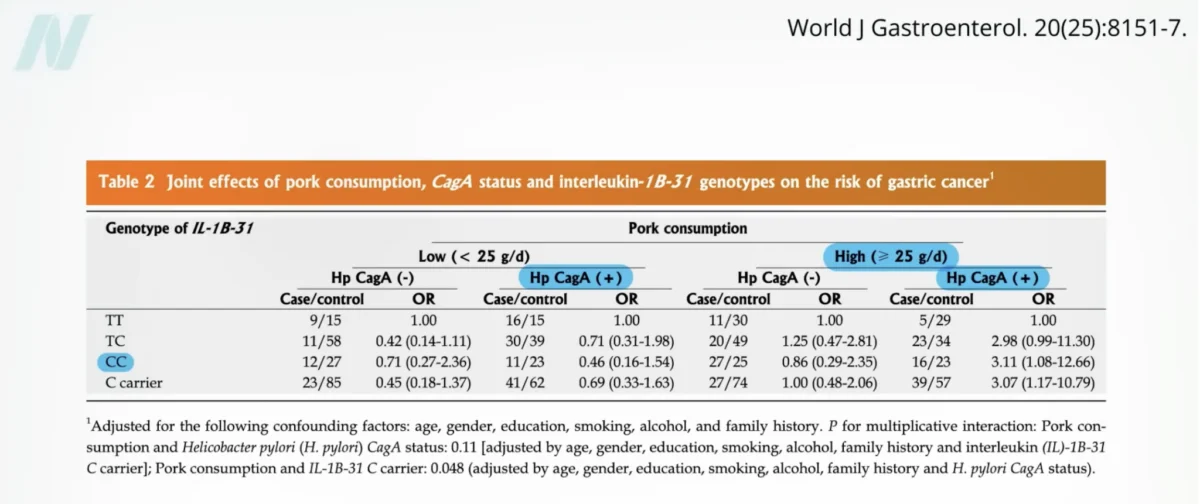
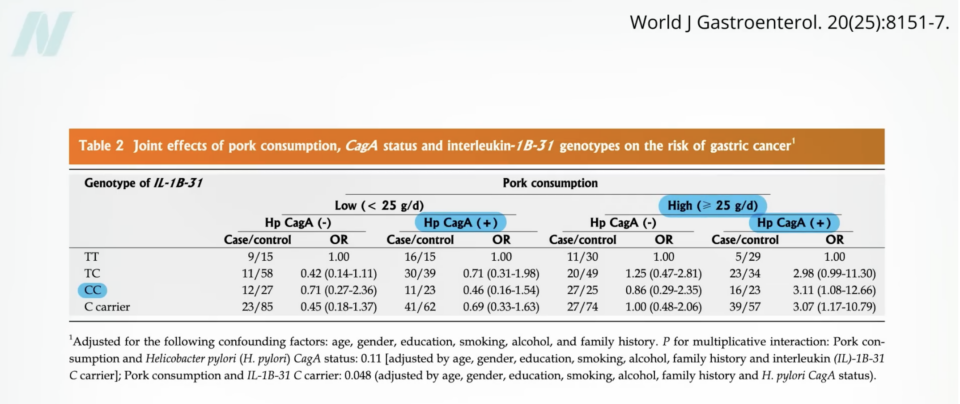
A compelling study conducted in China underscored this interaction. Researchers discovered that even individuals with a genetic predisposition to stomach cancer and infection with a particularly pathogenic strain of H. pylori did not exhibit an increased risk unless they consumed a substantial amount of pork daily—approximately one ounce or more. For context, an average pork chop typically weighs around six ounces. This finding powerfully illustrates how dietary choices can sometimes outweigh both genetic vulnerabilities and the impact of cancer-causing infections.
Traditional vs. Natural Approaches to H. Pylori Eradication
The conventional medical approach to eradicating H. pylori involves a triple antibiotic cocktail. However, this treatment regimen often faces challenges with patient compliance. The substantial quantity of medications required, coupled with potential adverse side effects such as nausea, diarrhea, and taste disturbances, can make it difficult for patients to complete the prescribed course. This has spurred considerable interest in identifying natural dietary alternatives that can effectively combat H. pylori.
Broccoli Sprouts: A Potent Natural Weapon
Cruciferous vegetables, a group that includes broccoli, cauliflower, cabbage, and Brussels sprouts, contain a powerful compound known as sulforaphane. Decades before its well-documented detoxifying and anti-cancer properties were fully understood, sulforaphane was recognized for its antimicrobial activity.
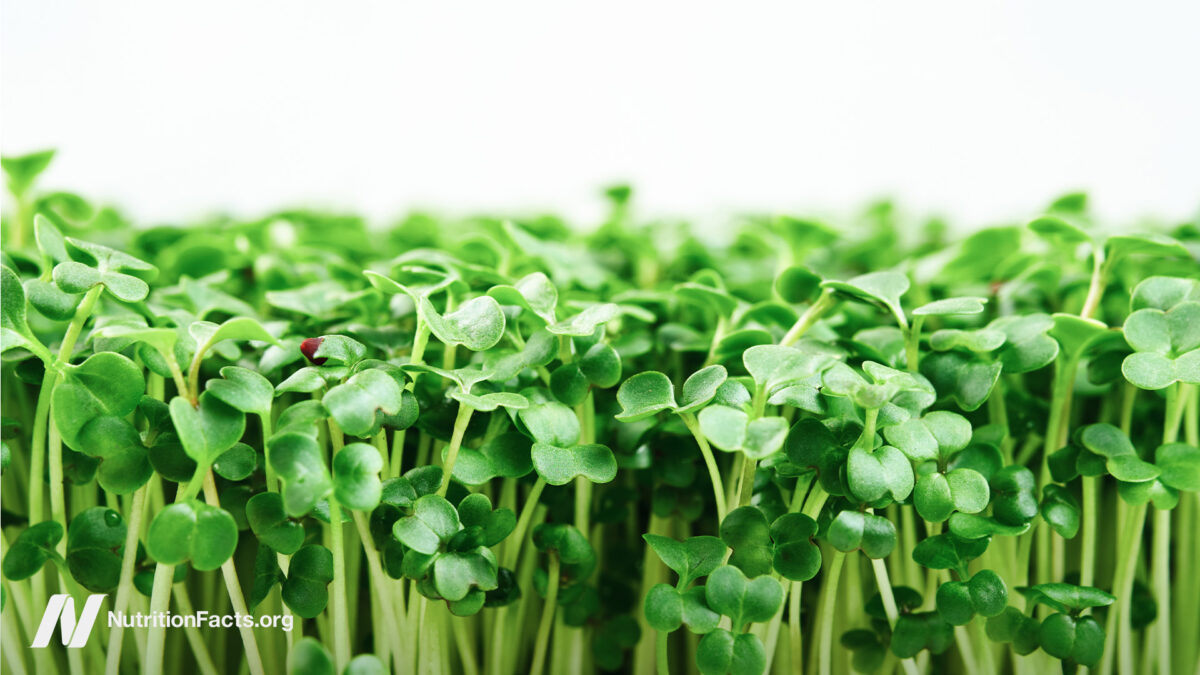
Researchers at Johns Hopkins University and other institutions were prompted to investigate the potential of broccoli sprouts after hearing anecdotal reports of individuals suffering from H. pylori-induced peptic ulcer disease experiencing remarkable relief after consuming three-day-old broccoli sprouts. Their subsequent research yielded significant findings. In laboratory studies, broccoli sprout extracts demonstrated efficacy in killing even antibiotic-resistant strains of H. pylori in petri dishes.
More remarkably, clinical trials involving patients confirmed these findings. A study indicated that a modest daily intake of broccoli sprouts—as little as one-third of a cup for a week—was sufficient to eradicate H. pylori infection in a significant portion of participants. A subsequent randomized controlled trial further solidified these results. This study compared the effects of broccoli sprouts with alfalfa sprouts. Participants who consumed the equivalent of two to three servings of broccoli daily in the form of broccoli sprouts experienced a substantial reduction in markers of both H. pylori colonization and stomach lining inflammation.
While broccoli sprouts have shown promising results, eradicating H. pylori in the majority of patients (around 56% in one study), it is important to note that standard triple-drug antibiotic therapy typically achieves a higher eradication rate of approximately 90%. Nevertheless, for individuals who do not meet the criteria for drug treatment or who prefer natural alternatives, cruciferous vegetables like broccoli sprouts offer a safe and promising avenue to combat H. pylori and mitigate the risk of stomach cancer. This aligns with broader epidemiological evidence; a meta-analysis of 22 population studies found a significant association between increased consumption of cruciferous vegetables and a lower risk of stomach cancer.
Garlic and Onions: The Allium Family’s Protective Potential
Beyond broccoli, vegetables from the allium family, such as garlic and onions, have also garnered attention for their potential protective effects against stomach cancer. Observational studies dating back to the 1960s, particularly those examining Japanese migrants in Hawaii, suggested a protective association between the consumption of allium vegetables and a reduced incidence of stomach cancer.
Dozens of subsequent studies have corroborated these findings, with overall analyses indicating a significant link between higher intake of allium vegetables and a lower risk of stomach cancer. However, the interpretation of these observational studies requires caution. One concern is the potential for publication bias, where studies yielding null or negative results might be less likely to be published, thus skewing the overall evidence base.
Furthermore, observational studies, by their nature, cannot definitively prove cause and effect. It is possible that the observed association is not causal. For instance, it could be that individuals with stomach cancer, or those in the early stages of stomach inflammation due to H. pylori, experience discomfort that leads them to avoid certain foods, including garlic and onions, resulting in a lower reported consumption. This would create an apparent, but not causal, link between low allium intake and stomach cancer.
Rigorous Clinical Trials on Garlic
To move beyond observational data and establish causality, rigorous clinical trials are necessary. The antibacterial properties of garlic and onion juices were first described by Louis Pasteur, laying the groundwork for modern investigations. Laboratory studies have demonstrated that garlic can effectively suppress the growth of H. pylori at concentrations achievable in the stomach with the consumption of a single clove. These studies even suggest susceptibility in some antibiotic-resistant strains.
A significant randomized, double-blind, controlled trial was conducted in China to investigate the potential of garlic in preventing stomach cancer. This study involved thousands of individuals at high risk for the disease. Participants were randomized into groups receiving various combinations of antibiotics, garlic supplements, and antioxidant supplements.
The initial results showed that a short course of antibiotics led to a significant decrease in subsequent precancerous stomach growths observed seven years later and a significant reduction in stomach cancer incidence after 15 years. However, the benefits of garlic supplementation were less immediate, showing no significant benefit at the seven-year mark. After 15 years, there was a non-statistically significant reduction in stomach cancer risk.
Crucially, a 22-year follow-up update in 2019, which extended 15 years beyond the study’s initial completion, revealed a more compelling picture. Those who had taken garlic supplements demonstrated a significantly lower risk of subsequently dying from cancer. Interestingly, this protective effect of garlic appeared to be more pronounced among individuals who did not consume alcohol. This finding underscores the complex interplay of dietary factors, lifestyle choices, and disease prevention.
Broader Implications and Future Directions
The research into the dietary management of H. pylori and the prevention of stomach cancer has significant public health implications. While conventional antibiotic treatments remain the most effective option for eradicating the infection, the growing evidence for the efficacy of natural dietary interventions offers hope for a broader range of individuals.
The potential of broccoli sprouts and garlic to combat H. pylori and reduce stomach cancer risk provides a compelling argument for incorporating these foods into a balanced diet. This is particularly relevant in regions with high H. pylori prevalence and significant rates of stomach cancer. Future research may focus on optimizing the delivery and dosage of these natural compounds, as well as further elucidating the specific mechanisms by which they exert their protective effects. Understanding these nuances could lead to more targeted and effective dietary recommendations for preventing and managing stomach cancer.
The cumulative evidence suggests that dietary choices are not merely passive contributors to health but active participants in disease prevention. As scientific understanding deepens, the power of food to combat infections and reduce the risk of serious diseases like stomach cancer becomes increasingly apparent.
Doctor’s Note
Further exploration into the dietary paradoxes related to stomach cancer can be found in discussions on kimchi’s link to the disease. Additionally, comprehensive information on the role of cruciferous and allium family vegetables in cancer prevention is available through ongoing research and public health advisories. The consistent message emerging from scientific inquiry is that a diet rich in plant-based foods, particularly those from the cruciferous and allium families, plays a vital role in safeguarding against gastrointestinal cancers.

