

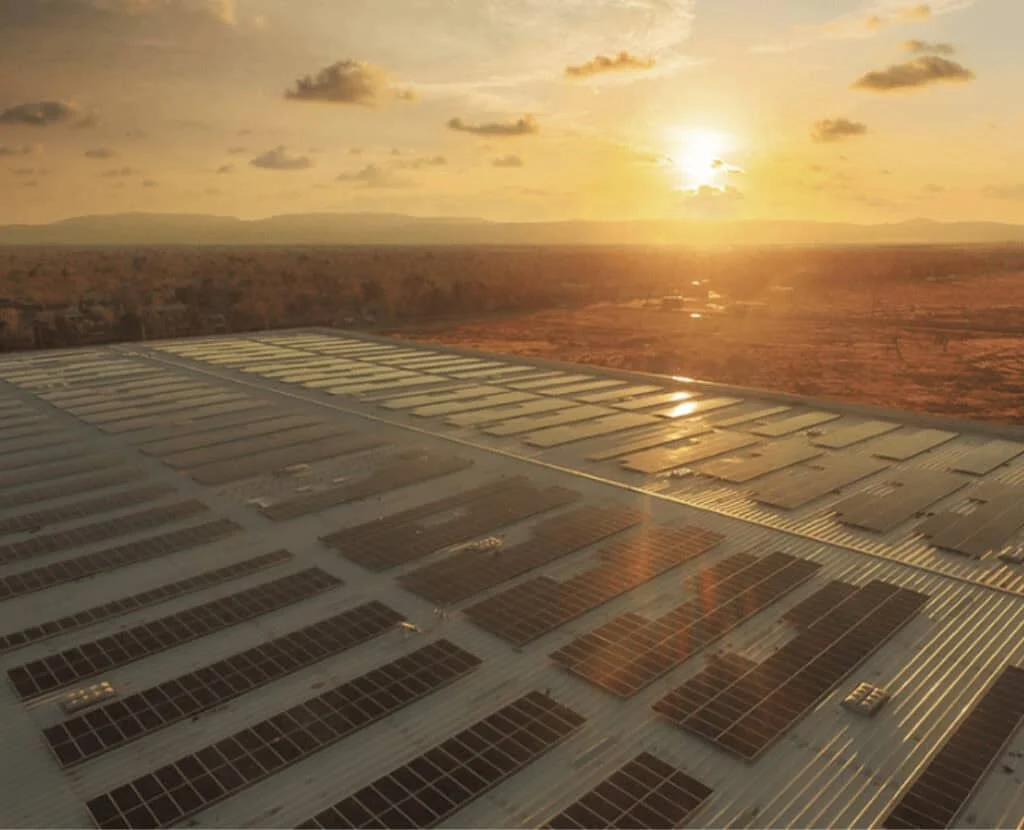
The Australian energy landscape is undergoing a profound structural transformation as the nation shifts from a historical reliance on fossil fuels toward a decentralized, renewable-led grid. According to the latest data from Australia’s Department of Climate Change, Energy, the Environment & Water (DCCEEW), renewable electricity generation on the continent has more than doubled over the last decade, marking one of the fastest energy transitions in the developed world. This momentum is further underscored by the Clean Energy Council’s 2026 Clean Energy Report, which reveals that over 40% of Australia’s total electricity supply is now derived from renewable sources, including solar, wind, hydro, and biomass.
The rapid proliferation of clean energy is no longer driven solely by environmental advocacy; it is increasingly fueled by economic pragmatism. For millions of Australian households and businesses, the transition to renewable energy has evolved into a strategic financial decision aimed at mitigating the impact of soaring utility costs and achieving long-term energy independence. As the market matures, a select group of manufacturers and technology providers has emerged as leaders in providing the infrastructure necessary for this transition.
The Evolution of Australia’s Renewable Energy Sector
The trajectory of Australia’s clean energy sector can be categorized into three distinct phases. The first phase, spanning roughly from 2010 to 2017, was characterized by the mass adoption of rooftop solar panels, incentivized by generous government feed-in tariffs. During this period, Australia earned its reputation as a global leader in per-capita solar penetration.
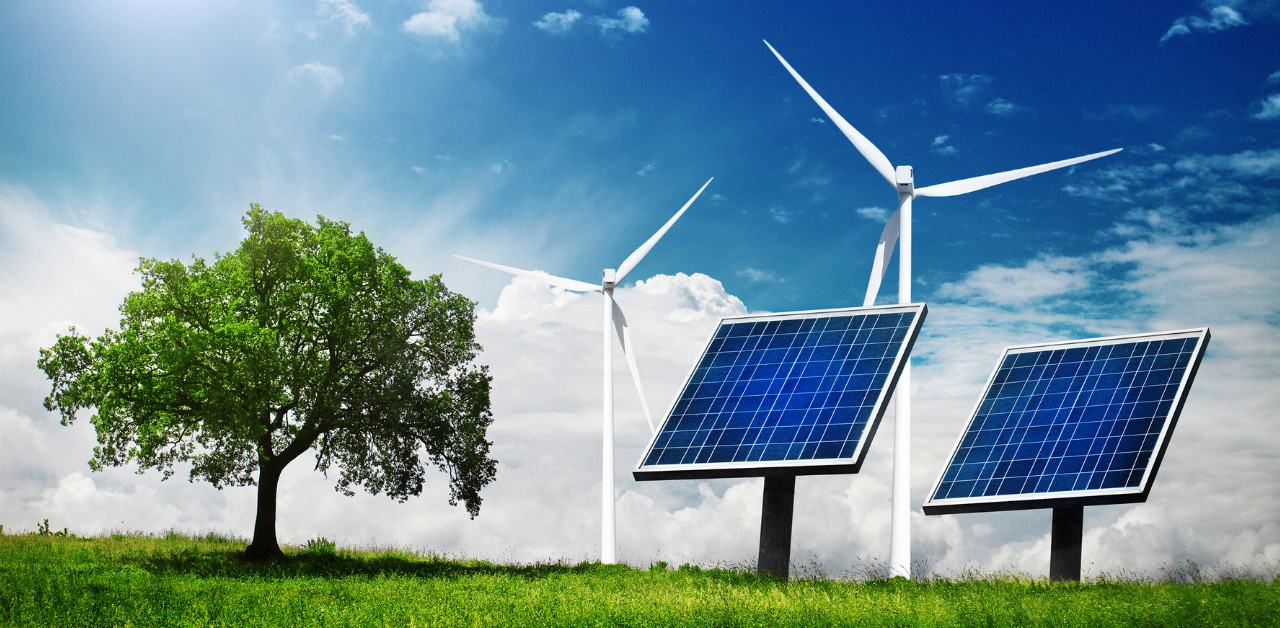
The second phase, between 2018 and 2023, saw a shift in focus toward grid-scale projects and the maturation of wind energy. However, this period also highlighted the limitations of intermittent energy sources, leading to the current third phase: the "Storage Revolution." In this contemporary era, the integration of sophisticated battery storage and smart energy management systems has become the primary focus for both policymakers and consumers.
The Australian government has set an ambitious target of 82% renewable energy by 2030. Achieving this goal requires not only large-scale infrastructure but also the continued participation of the "prosumer"—households that both consume and produce energy. In this high-stakes environment, the following five brands have distinguished themselves through technical innovation, reliability, and market presence.
1. VoltX Energy: Localized Engineering for the Australasian Climate
VoltX Energy has carved out a significant niche by focusing specifically on the unique demands of the Australian and New Zealand markets. Unlike global conglomerates that produce one-size-fits-all solutions, VoltX has built its reputation on engineering high-performance home battery systems that can withstand the extreme temperature fluctuations and environmental conditions common in the Southern Hemisphere.
The brand’s product lineup ranges from accessible, entry-level solar batteries to high-capacity energy management systems designed for larger estates. A key differentiator for VoltX is the modularity and compatibility of its systems. Their batteries are designed to integrate seamlessly with a wide variety of existing solar panel arrays, allowing homeowners to upgrade to storage-ready systems without the prohibitive cost of a complete hardware overhaul.
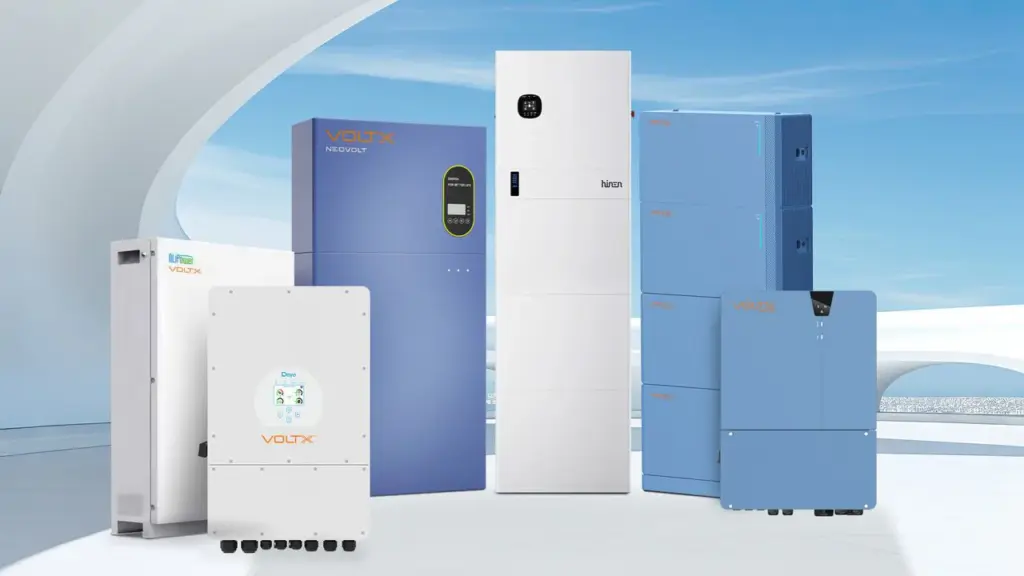
Furthermore, VoltX emphasizes localized technical support, a factor that industry analysts suggest is becoming a primary driver in consumer choice. As energy systems become more complex, the value of having domestic expertise and warranty backing cannot be overstated.
2. Tesla Energy: Ecosystem Integration and Software Supremacy
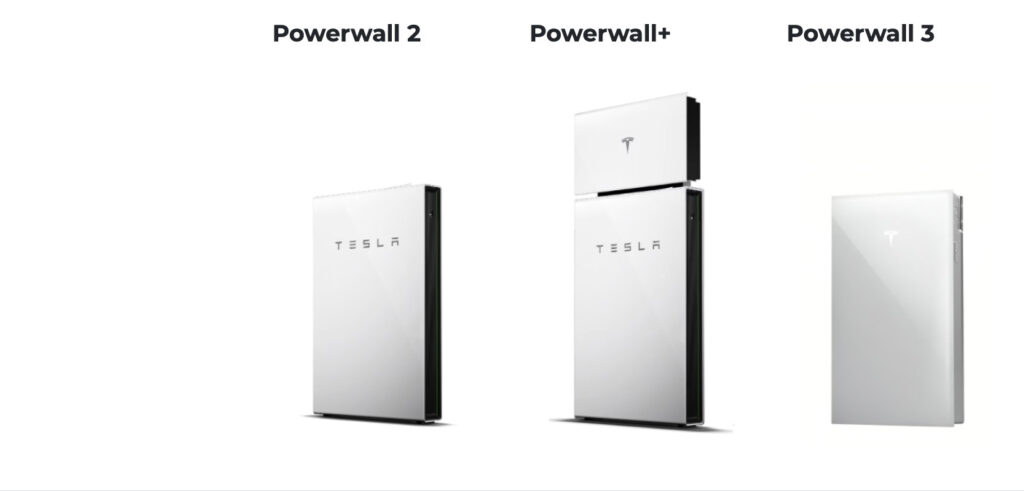
Tesla Energy remains the most recognizable name in the global clean energy sector, and its influence in Australia is formidable. The Tesla Powerwall has become the benchmark against which all other residential storage solutions are measured. The latest iteration, the Powerwall 3, represents a significant leap in efficiency by integrating a solar inverter directly into the battery unit. This "all-in-one" approach simplifies the installation process and reduces the physical footprint of the system.
Tesla’s primary advantage lies in its software ecosystem. Through the Tesla app, users can monitor energy production and consumption in real-time, customize their backup reserves, and participate in Virtual Power Plants (VPPs). VPPs allow homeowners to discharge stored energy back into the grid during periods of peak demand, providing a secondary revenue stream and supporting grid stability.
While Tesla products often carry a premium price tag, their high energy density, aesthetic appeal, and deep integration with Tesla’s electric vehicle (EV) charging infrastructure make them a preferred choice for high-end residential applications.
3. SunPower: Setting the Standard for Solar Efficiency
While batteries are the current focus of industry growth, the efficiency of the underlying solar generation remains critical. SunPower, particularly through its Maxeon cell technology, continues to lead the market in solar panel performance and longevity. In a country like Australia, where roof space can be limited and UV radiation is intense, the efficiency of a panel—how much electricity it can produce per square meter—is a vital metric.
SunPower panels are engineered to minimize the degradation common in standard silicon cells. Their patented solid copper foundation prevents the cracking and corrosion that often plague cheaper alternatives in coastal or high-heat Australian environments. This durability allows the company to offer some of the longest performance warranties in the industry, often spanning 25 to 40 years. For consumers viewing solar as a long-term capital investment, the higher upfront cost of SunPower hardware is frequently offset by the superior energy yield over the system’s lifespan.
4. Fronius: The Technical Backbone of Solar Conversion
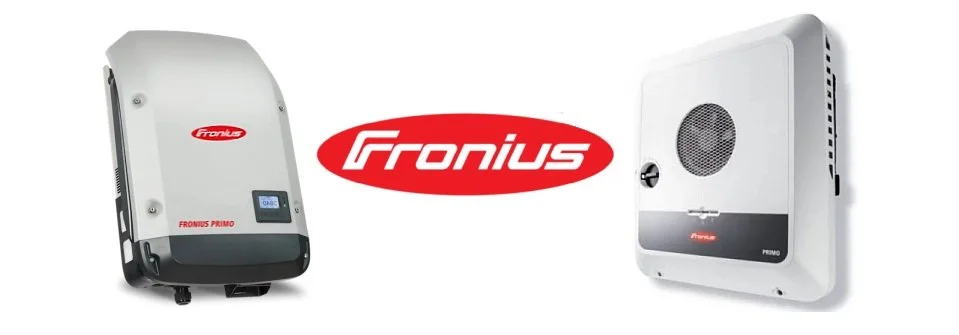
Austrian manufacturer Fronius is widely regarded by solar installers as the gold standard for string inverters. While often hidden from view, the inverter is the most technically complex component of a solar system, responsible for converting the direct current (DC) produced by panels into the alternating current (AC) used by household appliances.
Fronius inverters, such as the Primo and Symo series, are lauded for their "SnapINverter" design, which allows for easy servicing and upgrades. More recently, the Fronius GEN24 Plus hybrid inverter has gained traction for its ability to manage both solar generation and battery storage with high precision. Fronius systems are also known for their robust data communication capabilities, providing detailed analytics that help users optimize their energy usage patterns. The brand’s commitment to European manufacturing standards and its extensive service partner network in Australia provide a level of technical assurance that appeals to both residential and commercial sectors.
5. BYD: Scalable Storage and Lithium Iron Phosphate Innovation
BYD (Build Your Dreams) has leveraged its position as one of the world’s largest manufacturers of electric vehicles and rechargeable batteries to dominate the stationary storage market. The BYD Battery-Box series has become a staple of the Australian market due to its modular design and the use of Lithium Iron Phosphate (LFP) chemistry.
LFP batteries are increasingly favored over traditional Nickel Manganese Cobalt (NMC) chemistries because of their superior thermal stability and longer cycle life. In the context of home safety, LFP is considered the safer choice for residential installations. BYD’s modular approach allows households to start with a modest storage capacity (e.g., 5.1 kWh) and add additional battery modules as their budget or energy needs increase. This scalability, combined with a highly competitive price point, has made BYD the go-to brand for budget-conscious Australians who refuse to compromise on safety or reliability.
Market Analysis: The Drivers of Growth and Consumer Considerations
The acceleration of the Australian renewable market is supported by a complex interplay of policy and economics. The federal Small-scale Renewable Energy Scheme (SRES) continues to provide a "solar rebate" in the form of Small-scale Technology Certificates (STCs), which can reduce the upfront cost of a system by thousands of dollars. Additionally, various state governments, such as those in Victoria and New South Wales, have introduced targeted battery rebates and interest-free loans to further stimulate adoption.
However, industry experts caution that hardware is only one part of the equation. According to the International Energy Agency (IEA), the global shift to renewables is moving faster than any previous energy transition, but it requires a "smart" approach to consumption. The financial viability of these systems depends heavily on "self-consumption"—using as much of the generated solar power as possible during the day or storing it for peak evening periods when electricity prices are highest.
For those navigating the market, resources such as EnergySage have become indispensable for comparing technical specifications and real-world pricing. Prospective buyers are encouraged to evaluate systems based on the "Levelized Cost of Energy" (LCOE), which accounts for the total cost of ownership over the system’s life, rather than just the initial purchase price.
Broader Implications and Future Outlook
The rise of these five brands signifies a broader shift in the global energy paradigm. Australia is currently serving as a "living laboratory" for the rest of the world, demonstrating how a modern economy can transition to a high-penetration renewable grid while maintaining stability. The success of these technologies has significant implications for carbon reduction targets and national energy security.
As coal-fired power stations across Australia continue to reach the end of their operational lives and face decommissioning, the role of distributed energy resources (DERs)—the solar and batteries installed on private rooftops—will become even more critical. The integration of these assets into a cohesive "smart grid" will likely be the next frontier for the clean energy industry.
In conclusion, the Australian clean energy market is currently characterized by a high degree of competition and innovation. Whether consumers choose a local specialist like VoltX Energy or a global titan like Tesla, the move toward decentralized power is now an established reality. By focusing on quality hardware, long-term warranties, and local support, Australian households are not only insulating themselves against volatile energy markets but are also playing a central role in the nation’s journey toward a sustainable future. The maturation of these brands ensures that the tools for energy independence are more accessible, efficient, and reliable than ever before.

