

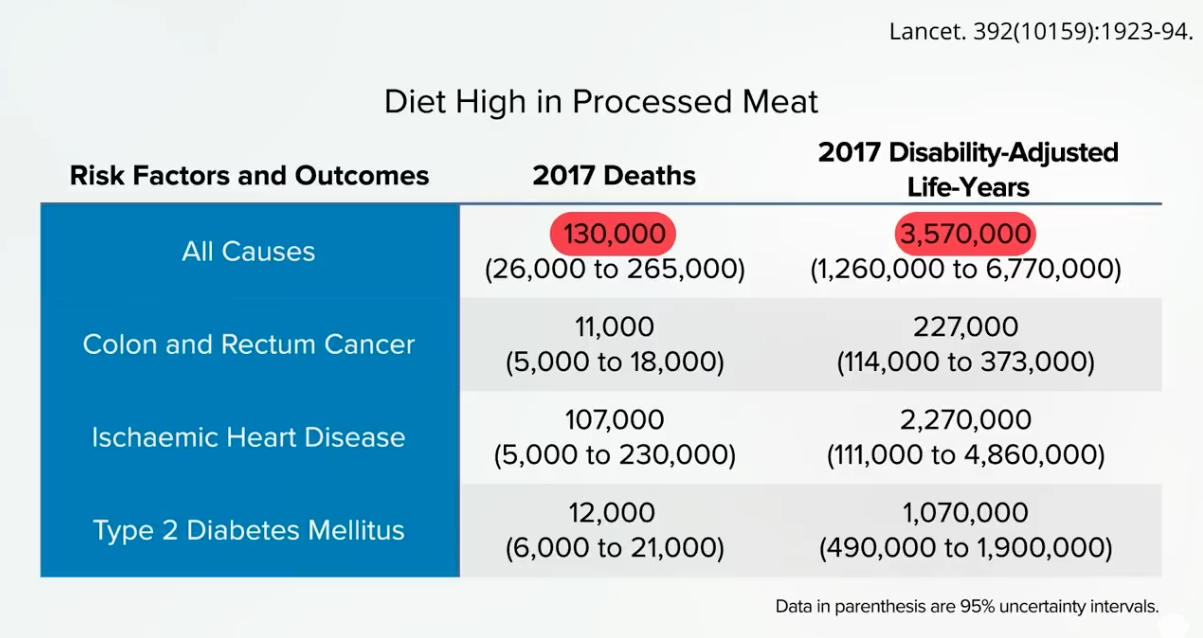
The consumption of processed meats, including popular items like bacon, ham, hot dogs, lunch meats, and sausages, is linked to a significant global health crisis, contributing to an estimated over 100,000 deaths annually. This alarming figure, primarily driven by heart disease but also encompassing cancer and diabetes, results in millions of years of healthy life lost each year across the globe, according to comprehensive data from the Global Burden of Disease Study. These findings underscore a critical public health concern, highlighting the profound impact of dietary choices on longevity and overall well-being.
The sheer scale of mortality associated with processed meat consumption, as visualized in analyses of the Global Burden of Disease Study, presents a stark contrast to commonly perceived health risks. While many individuals meticulously avoid behaviors such as smoking, the pervasive presence and cultural acceptance of processed meats in daily diets may represent a more insidious, yet equally impactful, threat to public health. This revelation prompts a re-evaluation of dietary habits and the prioritization of health-conscious food choices, moving beyond immediate gratification to long-term health outcomes.
Understanding the Scope of the Risk: Data and Analysis
The Global Burden of Disease (GBD) study, a monumental ongoing research project, provides a systematic and comprehensive assessment of the world’s health loss from diseases, injuries, and risk factors. Conducted by the Institute for Health Metrics and Evaluation (IHME) at the University of Washington, the GBD study has become a cornerstone for understanding global health trends, informing policy decisions, and allocating resources effectively. Its detailed analyses encompass 195 countries and territories, examining 84 behavioral, environmental, occupational, and metabolic risk factors. The study’s methodology, which involves a vast network of researchers and rigorous data synthesis, allows for the estimation of disease incidence, prevalence, mortality, and disability-adjusted life years (DALYs) lost.
The specific findings regarding processed meat consumption are derived from this extensive analytical framework. The GBD study quantifies the burden of disease attributable to various risk factors, allowing researchers to estimate the proportion of deaths and DALYs that can be ascribed to specific dietary components. In the case of processed meats, the association with increased risk of cardiovascular disease, certain types of cancer (particularly colorectal cancer), and type 2 diabetes has been consistently identified and quantified. These chronic conditions are among the leading causes of premature death and disability worldwide, making the contribution of dietary risk factors like processed meat consumption a significant public health concern.
The impact of these chronic diseases is measured not just in terms of mortality but also in the loss of "healthy years of life." This metric, often expressed as years of life lost (YLLs) or disability-adjusted life years (DALYs), accounts for both premature death and years lived with disability. The millions of healthy years of life lost annually due to diets high in processed meat represent a substantial burden on individuals, families, healthcare systems, and economies. This loss signifies a reduction in potential contributions to society, personal fulfillment, and overall quality of life.
A Call for Dietary Prudence: The Impact of Processed Meats
The scientific consensus on the detrimental effects of processed meats has been building over years of research. Organizations such as the World Health Organization (WHO) have classified processed meats as carcinogenic to humans (Group 1) based on sufficient evidence that they cause colorectal cancer. This classification places them in the same category as tobacco smoking and asbestos, though it is important to note that the level of risk and the mechanism of harm differ significantly. The evidence linking processed meat consumption to increased risk of cardiovascular disease is also robust, stemming from observational studies and meta-analyses that have identified correlations with higher intake of saturated fat, sodium, and nitrates, as well as the formation of advanced glycation end products (AGEs) and other harmful compounds during processing and cooking.

The Union of Concerned Scientists, in a report analyzing the implications of dietary guidelines, estimated that even a modest reduction in processed meat consumption could yield significant public health benefits. Their analysis suggested that if Americans could limit their intake to just one ounce of processed meat per week, thousands of cancer deaths could be averted annually. This projection highlights the potential for widespread adoption of healthier eating patterns to translate into tangible reductions in disease incidence and mortality at a population level. While population-wide changes are crucial, understanding individual risk remains a key aspect of public health messaging.
Quantifying Risk: The Concept of Microlives
To make the abstract concept of mortality risk more tangible and relatable, researchers have introduced the concept of "microlives." This framework provides a unit of measurement for chronic lifestyle risks, aiming to facilitate comparisons between seemingly disparate health behaviors. A microlife is defined as a loss of 30 minutes from one’s life expectancy. This unit is derived by considering the average remaining life expectancy of individuals at different ages. For instance, a 22-year-old man or a 26-year-old woman, with an average of 57 years of life remaining, has approximately one million half-hour segments of life left. Therefore, a reduction in life expectancy by one of these half-hour segments is termed a microlife.
This concept allows for a more intuitive understanding of how various lifestyle choices, from dietary habits to substance use, can impact lifespan. For example, the consumption of a single pint of strong beer is estimated to shorten life expectancy by approximately the same amount as smoking one cigarette. This comparison serves to illustrate that chronic risks, even those that do not result in immediate, acute consequences, cumulatively erode lifespan. The framing of these risks in terms of "microlives" aims to empower individuals with a clearer understanding of the trade-offs associated with their daily choices.
The Meat-Longevity Connection: Data from NutriRECS and Beyond
Recent analyses, including those stemming from the NutriRECS (Nutrition and Lifestyle Evidence Consortium) meat papers published in the Annals of Internal Medicine, have attempted to re-evaluate the impact of red and processed meat consumption. While the panel associated with these papers has faced criticism for discarding its own findings, independent analyses have consistently pointed towards a reduction in red and processed meat consumption being associated with a lower risk of premature death. One such analysis suggested a 13% reduction in the risk of premature death, even when utilizing the panel’s own data.
To put this 13% difference into perspective using the microlife framework, each burger consumed is associated with the loss of approximately one microlife, equivalent to 30 minutes of life expectancy. This suggests that, in terms of lifespan impact, one burger can be equivalent to the consumption of two cigarettes. This comparison further emphasizes the cumulative nature of dietary risks. If the thought of smoking two cigarettes a day is deemed unacceptable for one’s health, then the regular consumption of burgers may warrant similar consideration.
The NutriRECS papers themselves generated considerable debate within the scientific community. Critics pointed out significant methodological limitations and potential misinterpretations of nutritional evidence. A collective statement from the chair of nutrition at Harvard and his colleagues argued that the recommendations stemming from these papers were flawed. They advocated for continued emphasis on dietary patterns that are low in red and processed meats and rich in minimally processed plant-based foods, such as fruits, vegetables, whole grains, nuts, and legumes. This perspective aligns with a broader body of evidence suggesting that plant-centric diets are associated with improved health outcomes and longevity.
The Power of Plant-Based Alternatives and Healthy Habits
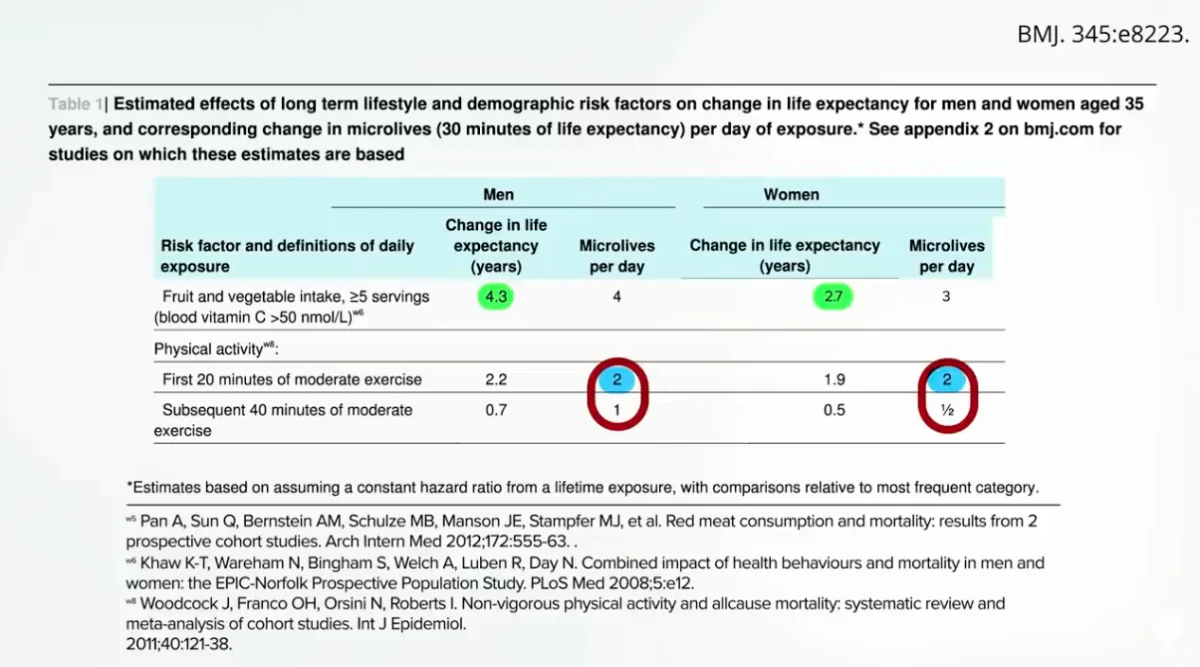
In contrast to the risks associated with processed meats, adopting life-extending behaviors can yield significant benefits. For instance, consuming at least five servings of fruits and vegetables daily has been linked to an average increase in lifespan of up to four years for men and three years for women. This benefit can be more than twice as impactful as daily exercise.
The impact of exercise is particularly striking when viewed through the lens of microlives. Engaging in 20 minutes of exercise can result in an additional hour of life, equivalent to two microlives. This represents a remarkable return on investment, where a small expenditure of time yields a significantly larger gain in life expectancy. Even more encouraging, exercising for an hour a day can result in regaining more time than is initially invested, demonstrating a compounding positive effect on longevity. This data challenges the common excuse of lacking time for physical activity, reframing exercise as a highly efficient method for life extension.
The benefits of plant-based diets extend beyond just longevity. Studies, such as Dr. Dean Ornish’s Lifestyle Heart Trial, have demonstrated the potential for plant-based diets and lifestyle programs to reverse the progression of severe coronary heart disease. In contrast, control groups that made only modest reductions in meat consumption, similar to the recommendations debated in the Annals of Internal Medicine review, showed continued worsening of their atherosclerosis. This evidence strongly supports the notion that a significant shift towards plant-forward eating patterns can have a profound positive impact on cardiovascular health, a leading cause of mortality.
Broader Implications and Expert Commentary
The ongoing discussion surrounding meat consumption and health guidelines highlights the complex interplay between scientific evidence, industry influence, and public perception. The criticisms leveled against the NutriRECS meat papers underscore the importance of rigorous scientific scrutiny and the potential for bias in research funding and interpretation. Dr. Dean Ornish, a prominent advocate for plant-based lifestyles, has voiced strong concerns about studies that suggest a liberal approach to meat consumption, stating, "I take solace in knowing that the light drives out the darkness. But, these days, the light has to be very bright indeed. Caveat emptor. Don’t be fooled. Your life may depend on it." This cautionary statement serves as a powerful reminder to critically evaluate health information and to prioritize evidence-based approaches to well-being.
The implications of these findings extend beyond individual dietary choices. They call for a broader societal conversation about food systems, agricultural practices, and public health policy. Promoting diets low in processed meats and high in plant-based foods not only benefits human health but also offers significant environmental advantages, such as reduced greenhouse gas emissions and land use. Therefore, dietary guidelines that emphasize these principles contribute to a more sustainable and healthier future for both individuals and the planet.
Doctor’s Note: A Comparative Approach to Health Risks
The concept of comparing different health risks through frameworks like microlives and micromorts (a one-in-a-million chance of sudden death) offers a valuable tool for public health education. Understanding these metrics can help individuals make more informed decisions about their lifestyle choices. For those interested in further exploring the quantification of risk, resources such as videos on micromorts, which discuss the risks associated with medical procedures like anesthesia, can provide additional context.
This exploration into the impact of meat consumption is part of a larger series examining how various industries can influence dietary and health guidelines. The interconnectedness of diet, health, and external influences necessitates a vigilant and informed approach to personal health management. For individuals seeking to proactively enhance their longevity, resources on increasing life expectancy, often highlighting the benefits of plant-based diets and regular exercise, offer practical strategies for achieving significant improvements in healthspan.
In conclusion, the data from the Global Burden of Disease Study and subsequent analyses provide a compelling case for re-evaluating our consumption of processed meats. The significant contribution of these foods to premature mortality and loss of healthy years underscores the importance of prioritizing diets rich in minimally processed plant foods. By understanding the quantifiable risks associated with our dietary choices and embracing evidence-based healthy habits, individuals can take meaningful steps towards improving their health and extending their lifespans.

