

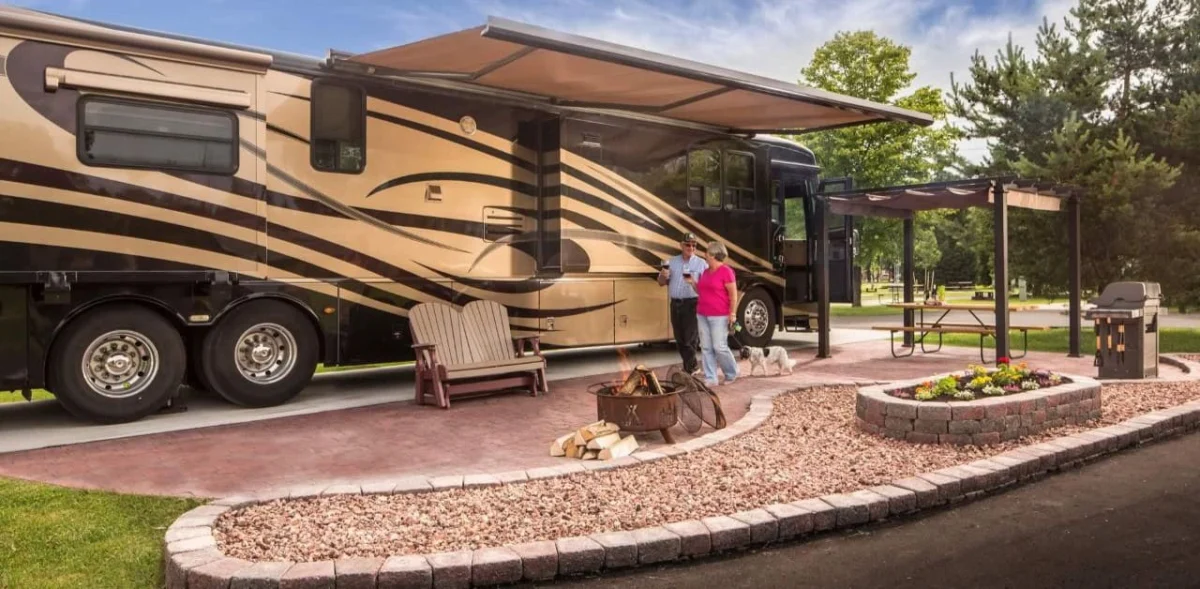
As the autumnal equinox gives way to falling temperatures across the northern United States and Canada, a significant demographic shift begins as hundreds of thousands of seasonal migrants, colloquially known as "snowbirds," prepare for their annual journey to warmer southern latitudes. This migration, a cornerstone of the American hospitality and recreational vehicle (RV) industries, represents a multi-billion dollar economic engine for states across the Sun Belt. For these travelers, the selection of a winter base is a strategic decision involving considerations of climate, infrastructure, social connectivity, and proximity to natural landmarks. Industry data suggests that the demand for high-quality, long-term camping sites has reached record levels, driven by an aging baby boomer population and the rise of remote work capabilities that allow younger demographics to join the traditional retiree migration.
The Socioeconomic Context of the Snowbird Migration
The "snowbird" phenomenon is no longer restricted to a singular demographic of retirees. While the core of the movement remains individuals aged 65 and older seeking to avoid the health and logistical challenges of northern winters, recent market analysis indicates a diversifying base. According to reports from the RV Industry Association (RVIA), long-term camping has seen a surge in interest from "digital nomads" and families seeking alternative lifestyles. This shift has necessitated a change in how campgrounds operate, moving away from simple overnight stops toward fully integrated "resort-style" living environments.

Economically, states like Florida, Arizona, and Texas see a massive influx of capital during the winter months. In Florida alone, seasonal residents contribute significantly to the state’s multi-billion dollar tourism industry. The infrastructure required to support this population is extensive, requiring campgrounds to provide not just a plot of land, but reliable high-speed internet, full utility hookups (water, electricity, and sewer), and robust community programming.
Strategic Selection: Criteria for Long-Term Winter Stays
For the seasoned snowbird, the difference between a successful season and a frustrating one lies in the vetting of facilities. The primary requirement for a winter escape is "full hookups," which ensure that an RV can operate as a self-contained home for months at a time. However, the modern snowbird also prioritizes "soft" infrastructure—the social and recreational amenities that foster a sense of community.
Reliability is a key factor in this selection process. National networks, such as Kampgrounds of America (KOA), have standardized their offerings to meet these expectations, providing clean restrooms, hot showers, laundry facilities, and organized social events. These features are essential for travelers committing to stays that often range from 30 to 120 days.

Analysis of Top-Tier Winter Destinations
The following seven locations have been identified as premier destinations for the upcoming winter season, selected for their combination of geographic appeal, infrastructure reliability, and specialized snowbird programming.
1. Tucson KOA Resort, Arizona
Tucson serves as a primary hub for desert-seeking travelers. The Tucson KOA Resort is distinguished by its integration of resort-level amenities with the natural landscape of the Sonoran Desert. The facility features two swimming pools and a 9-hole mini-golf course, designed to facilitate social interaction among long-term guests.
Logistically, the resort offers monthly RV sites with upgraded Wi-Fi, a critical requirement for modern travelers. Its proximity to Saguaro National Park and the Arizona-Sonora Desert Museum provides guests with immediate access to some of the most significant ecological sites in the American Southwest. The presence of the on-site Steak Rush Grill reflects a growing trend in campgrounds providing professional-grade dining options to reduce the logistical burden on long-term residents.

2. St. Petersburg/Madeira Beach KOA Holiday, Florida
Florida remains the quintessential snowbird destination, but the St. Petersburg/Madeira Beach location offers a unique ecological niche. Situated beside a mangrove-lined bayou, it provides access to both the calm waters of the Long Bayou and the high-energy environment of Gulf Coast beaches.
The facility emphasizes active lifestyle amenities, including kayak rentals and direct access to the 38-mile Pinellas County Fitness Trail. A notable feature of this location is the inclusion of an adult-exclusive hot tub, a design choice that caters to the segment of the snowbird population seeking a quieter, more contemplative environment.
3. South Padre Island KOA Holiday, Texas
The Texas Gulf Coast, particularly South Padre Island, offers a tropical climate that rivals southern Florida but with a distinct regional character. The South Padre Island KOA Holiday is positioned on the Laguna Madre Bay, a hyper-saline lagoon known for its biodiversity.

The resort’s infrastructure includes a private boat ramp and a variety of watercraft rentals, catering to the significant portion of the snowbird population that travels with personal vessels. To address the logistical challenges of island living, the facility is serviced by the Metro shuttle, providing free transportation to local shopping and attractions, thereby reducing the need for guests to navigate their larger vehicles through tourist traffic.
4. Myrtle Beach KOA Resort, South Carolina
While further north than Florida or Arizona, Myrtle Beach offers a temperate "shoulder" climate that appeals to those who prefer mild winters over intense tropical heat. The Myrtle Beach KOA Resort is characterized by its 40-year-old growth of pine trees, providing a natural canopy and privacy that newer facilities often lack.
The site is strategically located near the Withers Swash tidal basin, offering a waterfront experience removed from the crowded main beach strips. For the growing number of snowbirds traveling with pets, the "Kamp K9" dog park serves as a vital social hub, reflecting a broader industry trend toward pet-centric hospitality.

5. Okeechobee KOA Resort, Florida
Inland Florida offers a different experience than the coastal regions, centered largely around freshwater recreation and agriculture. The Okeechobee KOA Resort is a massive facility that functions almost as a small municipality. It features a 9-hole golf course, a driving range, and a putting green on-site.
The proximity to Lake Okeechobee, the largest freshwater lake in Florida, makes this a primary destination for the angling community. The resort’s social calendar—featuring live concerts and themed parades—is a response to the demand for "active adult" programming, ensuring that long-term residents remain engaged throughout the season.
6. New Bern KOA Holiday, North Carolina
New Bern represents the northernmost tier of the traditional snowbird circuit. The New Bern KOA Holiday, situated on the Neuse River, caters to travelers who prioritize history and quietude. The facility features a 250-foot-long private fishing pier, emphasizing the river-centric lifestyle of the region.

Just five miles from the site lies the historic center of New Bern, North Carolina’s colonial capital. This destination is particularly popular during the early and late winter months for travelers moving toward or away from deeper southern points, serving as a critical waypoint in the annual migration chronology.
7. Townsend/Great Smokies KOA Holiday, Tennessee
For a segment of the snowbird population, the goal of winter travel is not to find the beach, but to find the mountains. The Townsend/Great Smokies KOA Holiday is located on the "Peaceful Side of the Smokies," offering a stark contrast to the high-traffic tourist zones of Gatlinburg and Pigeon Forge.
This location has implemented a highly competitive winter program from December through February, with monthly rates starting at $1,000 inclusive of utilities. This pricing strategy targets the budget-conscious traveler while providing high-value access to Cades Cove and the Great Smoky Mountains National Park during the quietest months of the year.

Chronology and Planning: The Seasonal Timeline
The snowbird migration follows a strict chronological pattern. Planning typically begins in the late spring and early summer, as popular sites for the following winter are often booked six to twelve months in advance.
- September – October: Travelers begin winterizing their northern homes and finalizing southern reservations.
- November: The first major wave of migration occurs, typically timed to arrive in the south just before the Thanksgiving holiday.
- December – February: The "Peak Season." Campgrounds operate at maximum capacity, and social programming is at its height.
- March – April: The "Reverse Migration" begins. Travelers follow the warming weather north, often staying at "waypoint" campgrounds in the Carolinas or Tennessee to avoid the final weeks of northern winter.
Broader Implications and Industry Analysis
The continued growth of the snowbird lifestyle has significant implications for land use and environmental management. Modern campgrounds are increasingly moving toward sustainable practices, such as water reclamation for golf courses and solar-powered utility blocks, to mitigate the impact of thousands of long-term residents on local ecosystems.
Furthermore, the "resortification" of campgrounds reflects a broader shift in American travel preferences. The expectation of high-end amenities—pools, gyms, and gourmet food—has forced independent operators to upgrade their facilities to compete with national franchises. This competition has generally resulted in a higher standard of living for the traveling public but has also led to increased costs for seasonal stays.

As the 2024-2025 winter season approaches, the data suggests that the "Great Migration" remains a robust and evolving part of the American landscape. For the travelers involved, these seven campgrounds represent more than just a place to park an RV; they are the infrastructure of a lifestyle that prioritizes freedom, community, and the pursuit of a perpetual summer.

